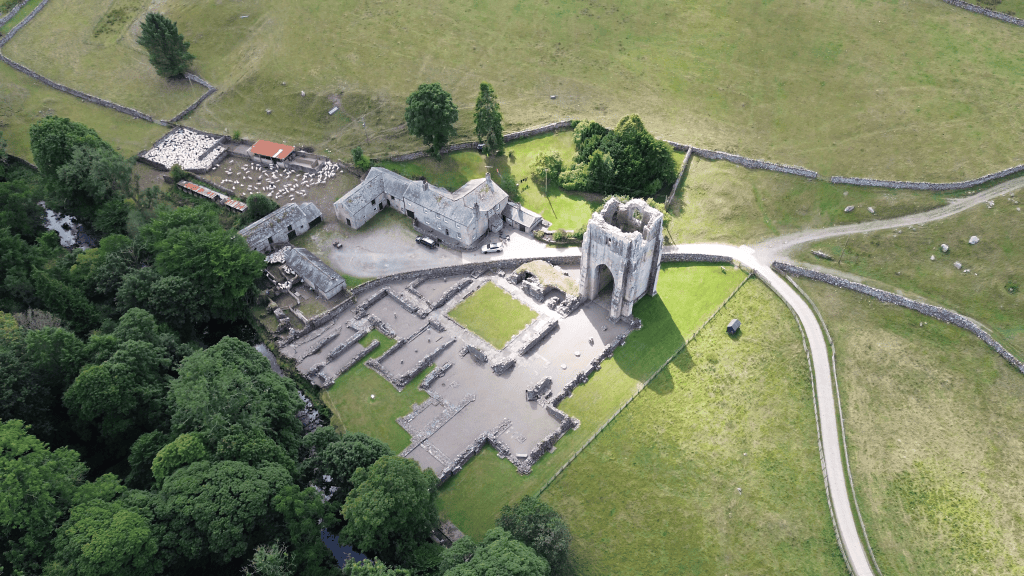
In this week’s post, we’re exploring a site tucked away in a secluded, windswept valley along the banks of the River Lowther in Cumbria: the ruins of Shap Abbey. Standing as one of the most quiet, evocative, and hauntingly beautiful monastic ruins in the North of England, Shap offers a distinctly raw, atmospheric experience away from the crowds of larger sites like Fountains or Whitby Abbey.
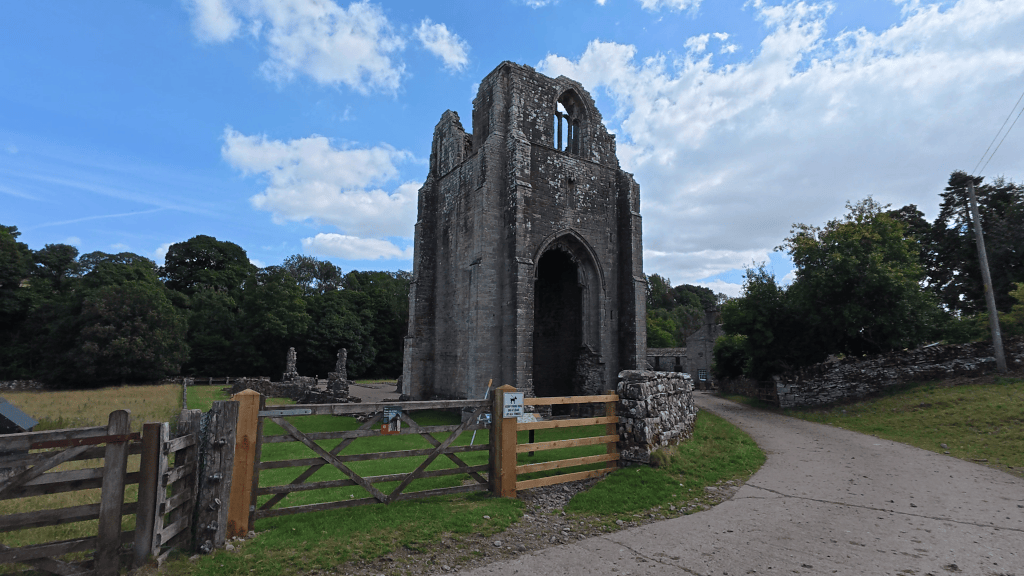
Surrounded by rolling Cumbrian hills, grazing livestock, and the gentle rushing of the river, its majestic 15th-century western tower reaches upward into the open sky like a lone, stone sentinel keeping watch over four centuries of lost devotion.
The history of Shap Abbey began around 1199, when a local Anglo-Norman nobleman, Thomas Fitz Gospatric, granted land to the Premonstratensian order—commonly known as the White Canons due to their distinctive habits made of un-dyed wool. The White Canons were regular canons who took traditional vows of poverty, chastity, and obedience, but also engaged directly with local communities, serving as parish priests while living a rigorous communal life of prayer and manual labor.
The community relocated to this isolated spot along the River Lowther around 1201, enjoying an environment that provided relative isolation, a steady water source, building stone, and prime pastureland for sheep farming. For over three hundred years, Shap Abbey functioned as both a spiritual hub and an essential haven of hospitality for weary travelers navigating the harsh northern terrain across the desolate Shap Fells.
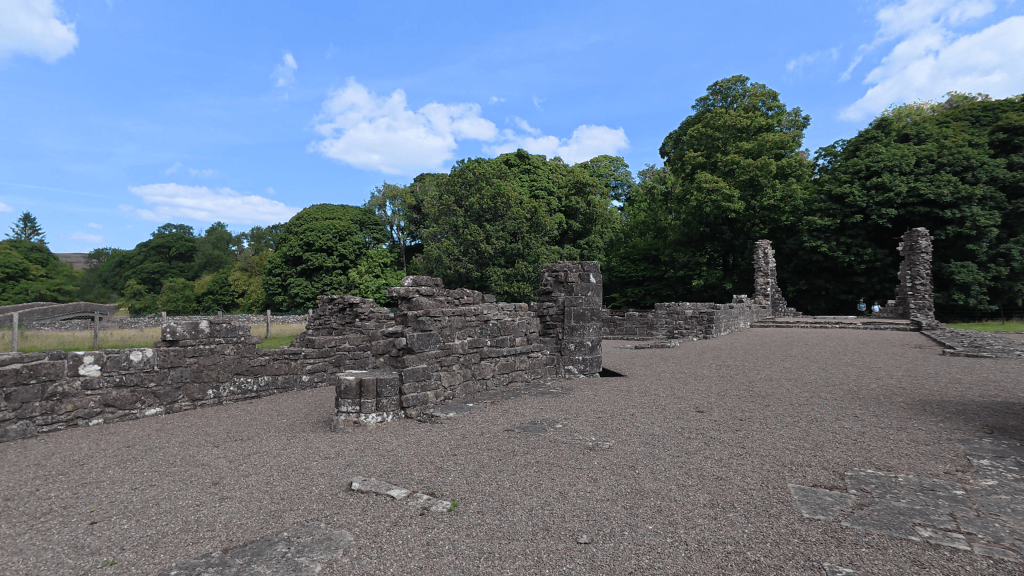
The architectural layout of Shap Abbey reflects the classic Premonstratensian design, with an expansive complex that once included a church, cloisters, and essential monastic buildings. Today, the most prominent and breathtaking feature of the site is the colossal Western Tower.
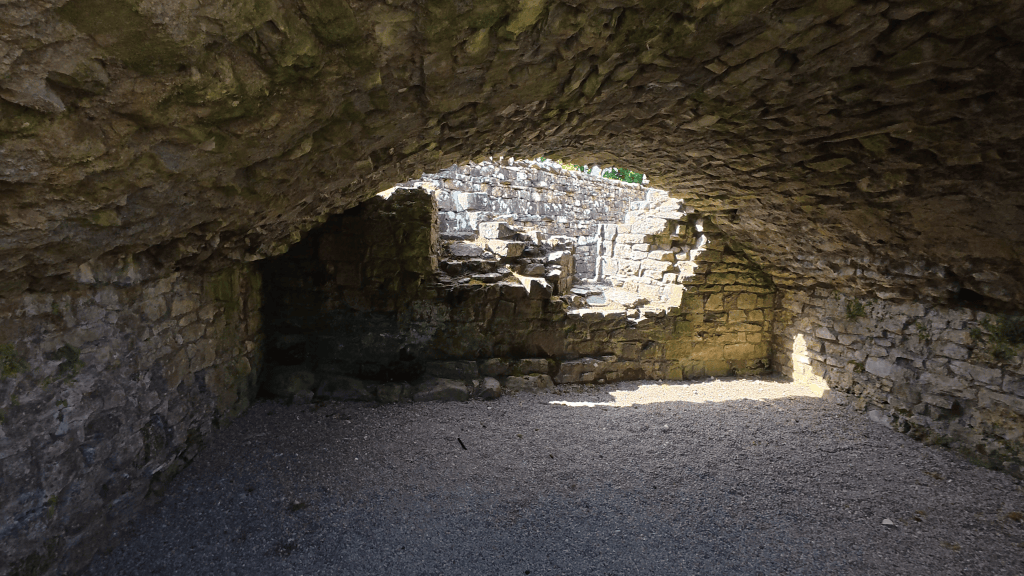
Built around the 1500s in the Perpendicular Gothic style to house heavy bells and showcase a grand architectural presence, it still stands amazingly at its full original height. As you walk through the site, the nave, high altar, chapter house, and undercrofts remain clearly defined by low stone footings and weather-worn column bases, offering a clear window into how the canons lived and prayed.
Ironically, just decades after the tower was completed, the Tudor Crown altered the landscape of English monasticism forever. During the Dissolution of the Monasteries under King Henry VIII, Shap Abbey earned a poignant place in history by becoming the very last monastery in Cumbria to be surrendered to the King’s commissioners on January 14, 1540.
Royal officials swiftly stripped the lead roofs, melted down the bells, and carted off precious chalices and vestments. Over subsequent centuries, the site was granted to the Lowther family, and the roofless abbey served as a convenient stone quarry for local farmhouses and nearby Shap Village. However, the massive western tower proved too formidable to easily dismantle, leaving it standing proudly to this day.
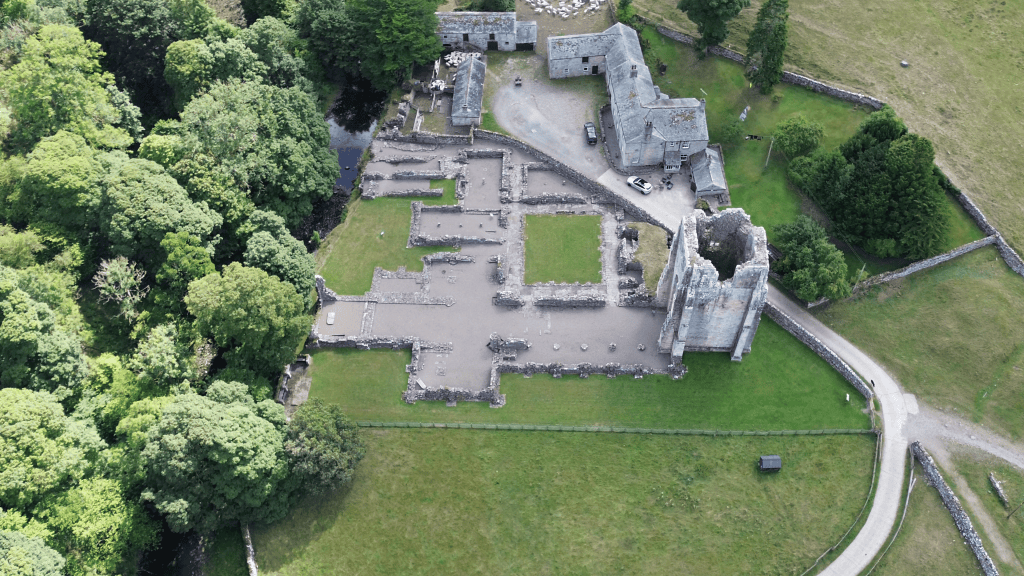
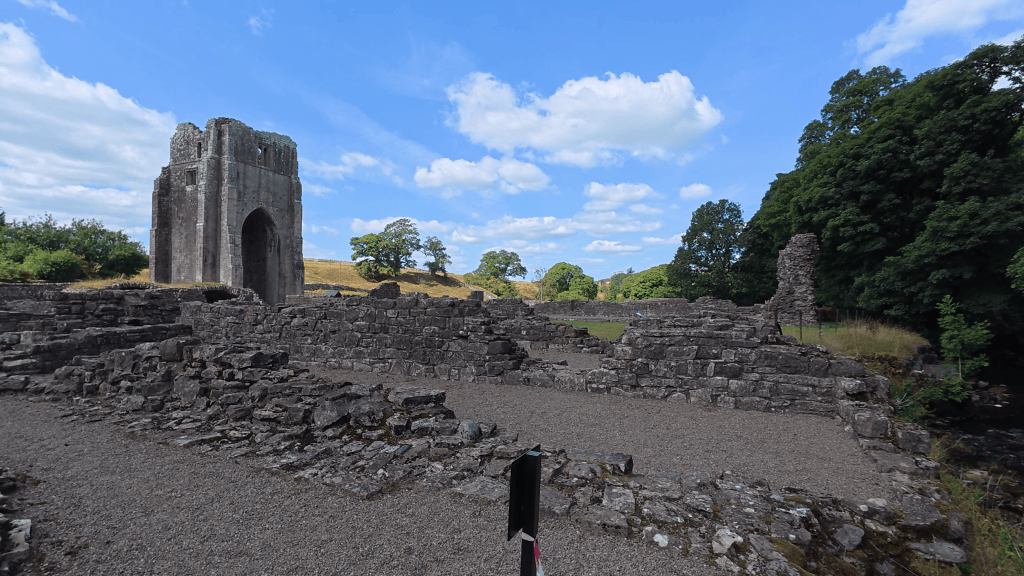
Now managed by English Heritage, Shap Abbey remains a beautifully unpretentious historical site. There are no visitor turnstiles or gift shops—just open access to historic ruins set within a working Cumbrian farm landscape.
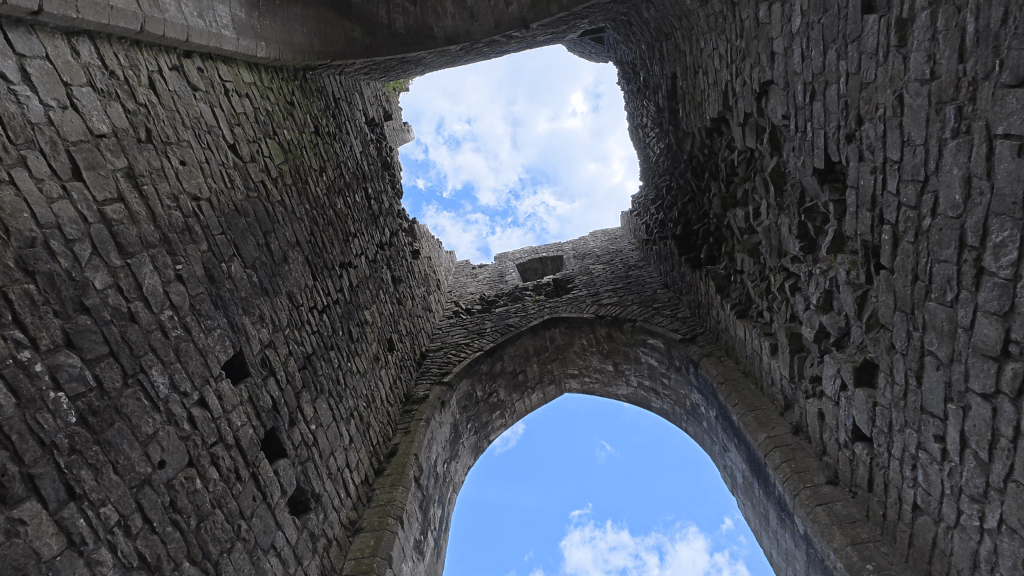
You can stand beneath the massive archway of the tower, look up through its hollow interior to admire the fine masonry, and follow the waterside paths along the River Lowther where herons and kingfishers frequently fly by. It is a quiet, free, and deeply peaceful site where the past isn’t just remembered, but felt in every passing breeze.
If you liked the blog please hit that like button, watch the full video below and consider subscribing if you haven’t already.
Till Next Time!


Leave a Reply