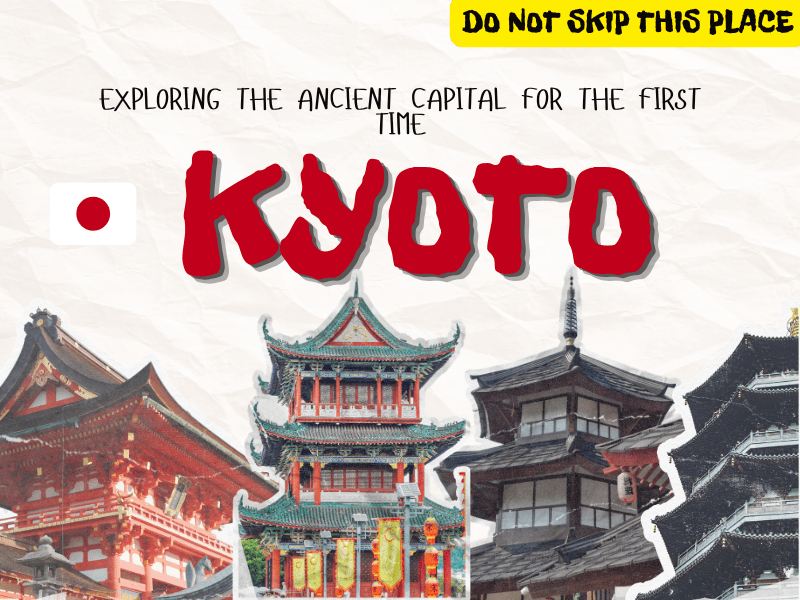
Kyoto is widely considered the most beautiful city in Japan and for good reason. It is the cultural heart of the country, renowned for thousands of classical Buddhist temples, Zen gardens, traditional teahouses, and the historic geisha district of Gion. We’re going to share our first moments here in the city and let you know what you can enjoy if you choose to spend your time here.
We arrived fresh in Kyoto after a fun and relaxing trip on the Shinkansen bullet train. The journey took just over an hour and 35 minutes using the Nozomi line. Our experience began back at Hiroshima Station, where the sleek aerodynamic nose of the train glides to a stop with surgical precision—a true masterclass in Japanese efficiency.
Similar to our first day in Hanoi, we decided to opt for the hop-on hop-off bus to glide through the city’s historic streets. Our morning started near Kyoto Station, where we boarded the bright red sightseeing bus. Passing through quiet neighborhoods lined with narrow streets and wooden houses made us feel like we had stepped back in time. Every corner had something unique and elegant to look at, with temples tucked into serene gardens and distant mountains framing the city in soft shades of green and grey.
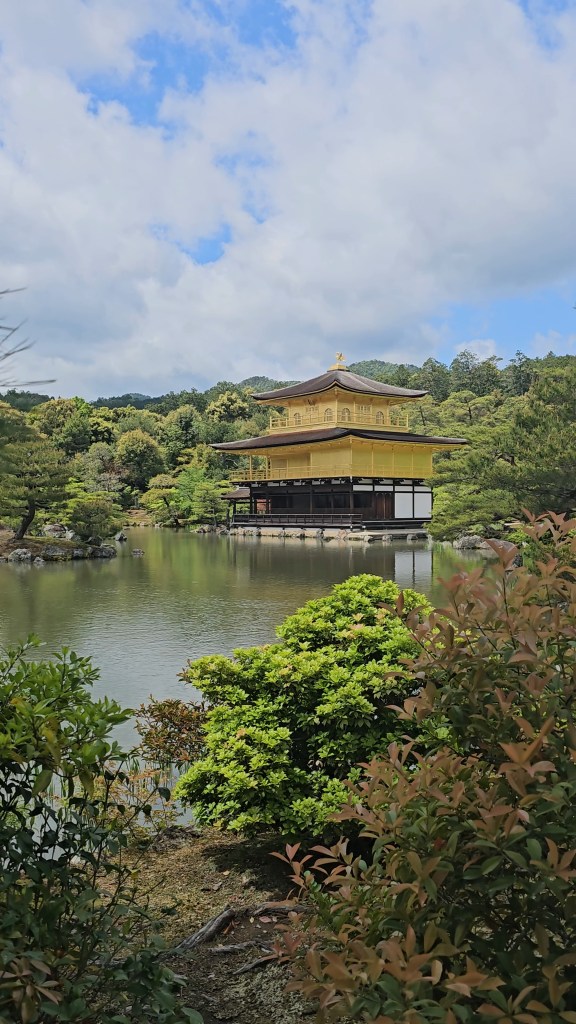
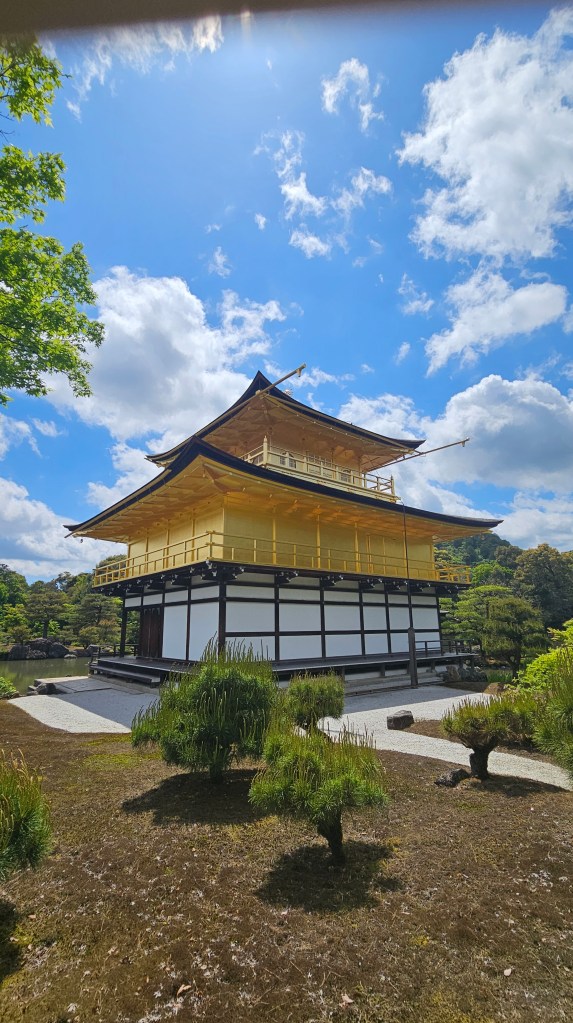
The best part was being able to jump off wherever we wanted and make it work for us. One major highlight was visiting the Golden Pavilion, Kinkaku-ji. Seeing the sunlight reflect off the gold-covered temple was unforgettable. Covered in real gold leaf and reflected perfectly in its surrounding pond, Kinkaku-ji is one of the most breathtaking UNESCO sites in Japan. Walking through the meticulously landscaped gardens, we marveled at the harmony between architecture and nature—a theme that repeats throughout Kyoto’s temples and shrines. It’s definitely worth arriving early for soft morning light, excellent photo ops, and much lighter crowds.
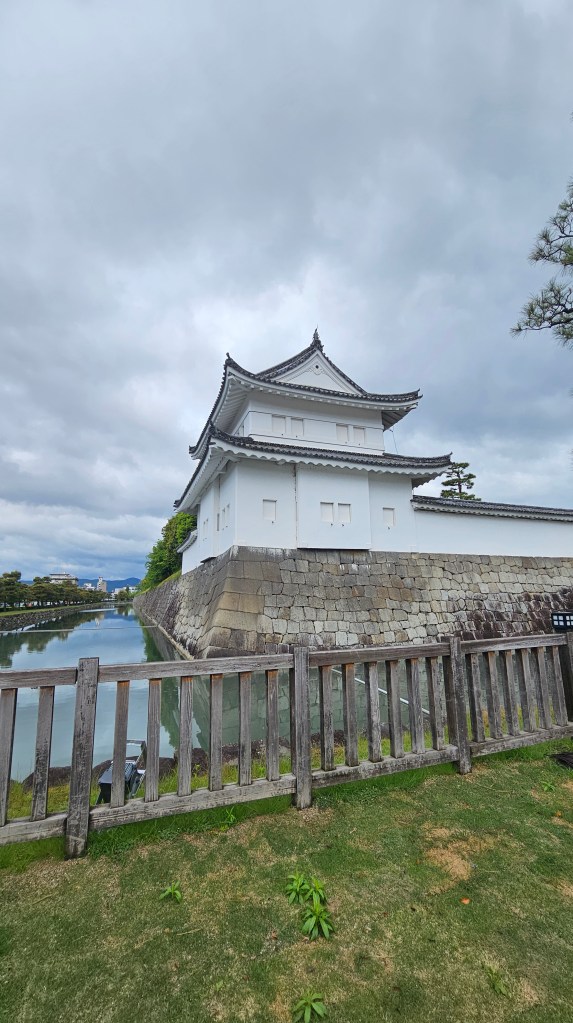
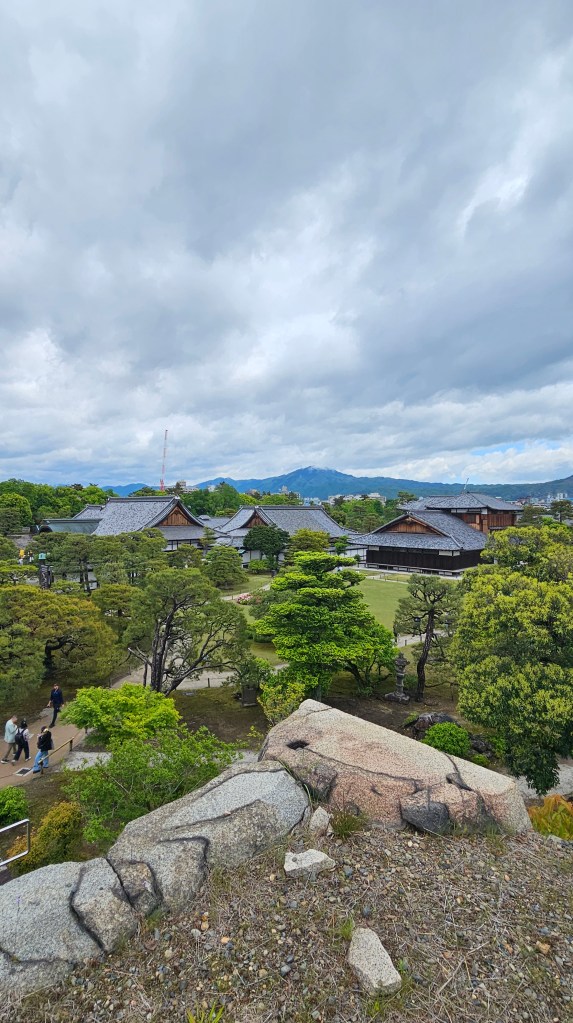
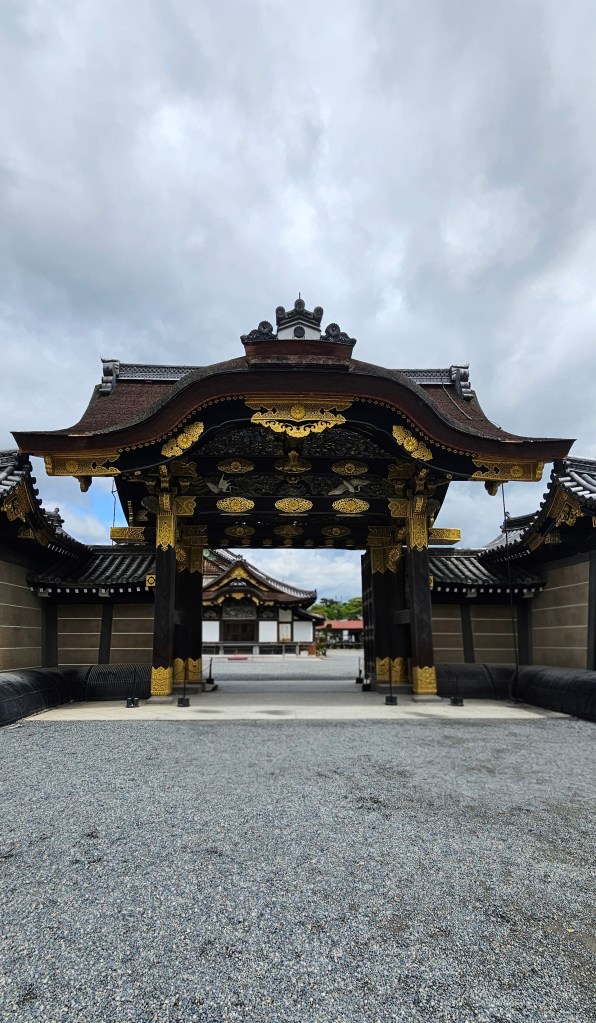
Up high on your list should also be a visit to Nijo Castle, where you can explore both the castle grounds and the Ninomaru Palace. The castle isn’t the flashiest structure, but it is deeply iconic with an extremely rich history. Approaching the outer defenses, the immaculate white walls rise above meticulously stacked stone foundations, mirrored perfectly in the still waters of the moat to create a scene that feels both stern and serene. Once you pass through the gates, you’ll spot the magnificent Karamon Gate, filled with gold leaf and elaborate wood carvings of mythical beasts and phoenixes—an entrance that was once the stage for shoguns to display their absolute authority.
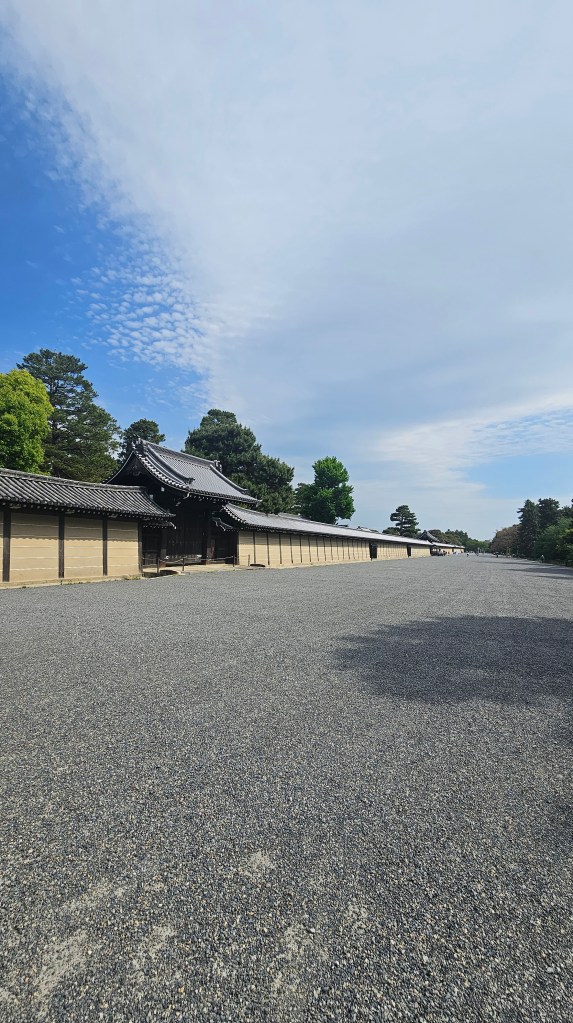
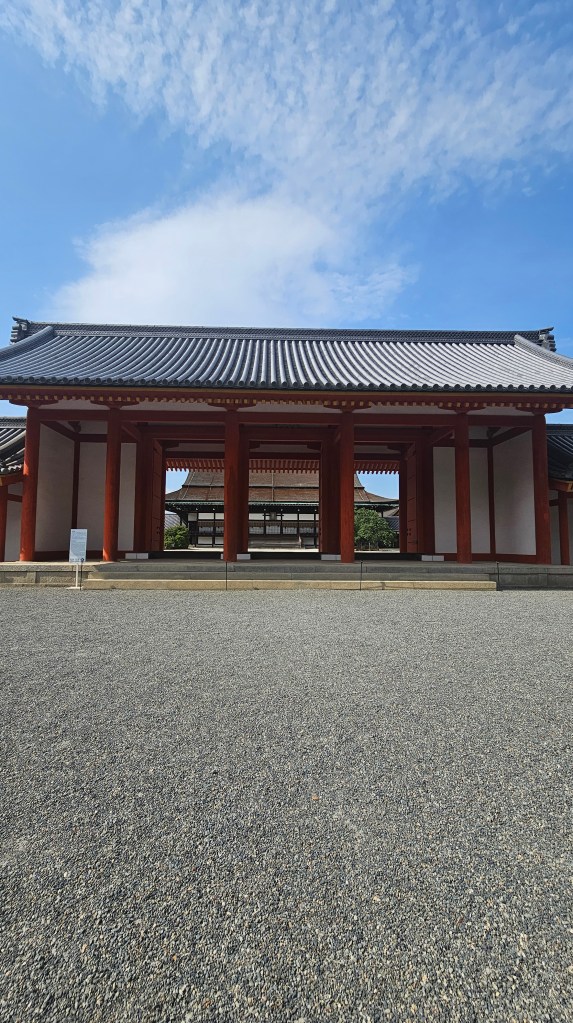
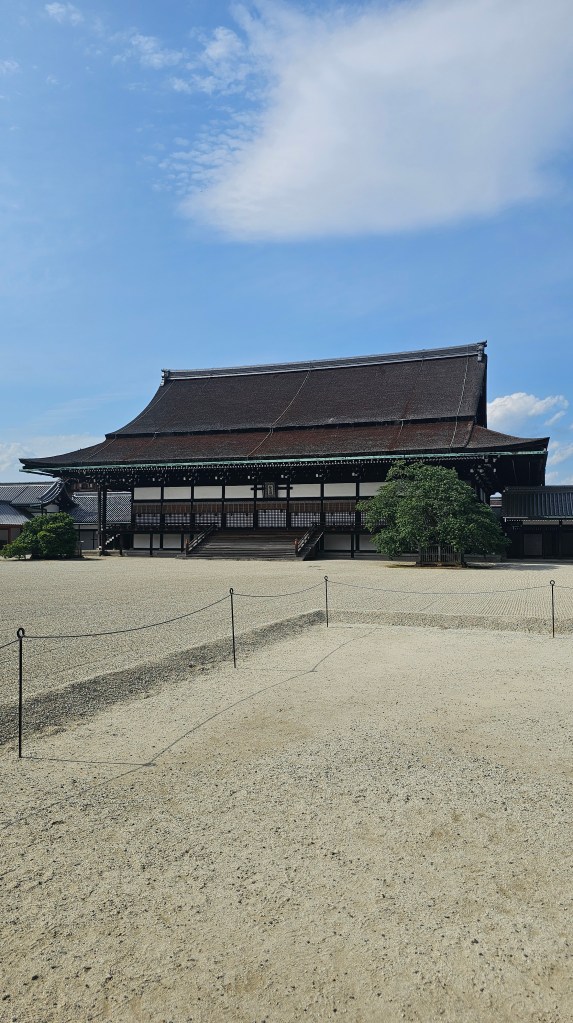
Another must-visit location in Kyoto is the Kyoto Imperial Palace. This was the official residence of Japan’s emperors for over 1,000 years until the capital moved to Tokyo in 1869. Located within the spacious Kyoto Imperial Park, the complex features traditional wooden halls, white gravel courtyards, and elegant Heian-period architecture. Key structures include the Shishinden Hall for important ceremonies, the Seiryoden building where the emperor conducted daily affairs, the imposing Kenreimon Gate, and serene imperial gardens. The grounds themselves are absolutely massive, so even if it’s crowded, you’ll still experience a sense of calm compared to Kyoto’s urban concrete jungle.
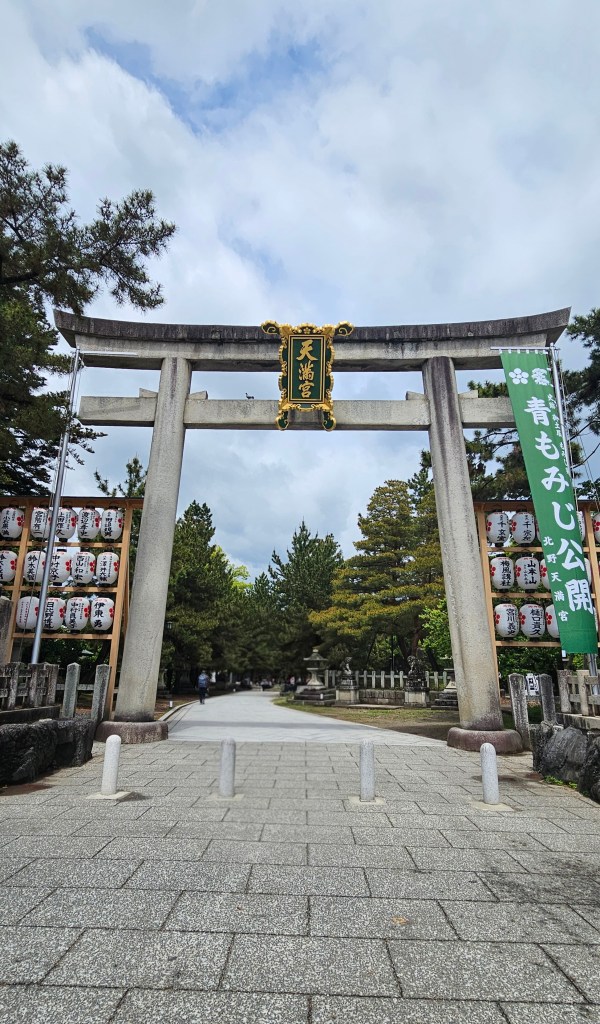
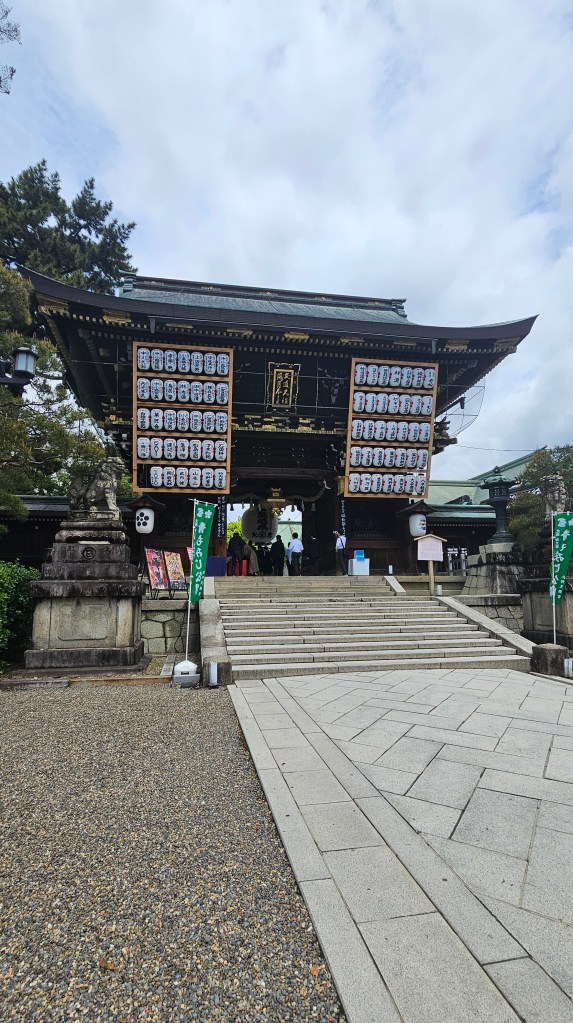
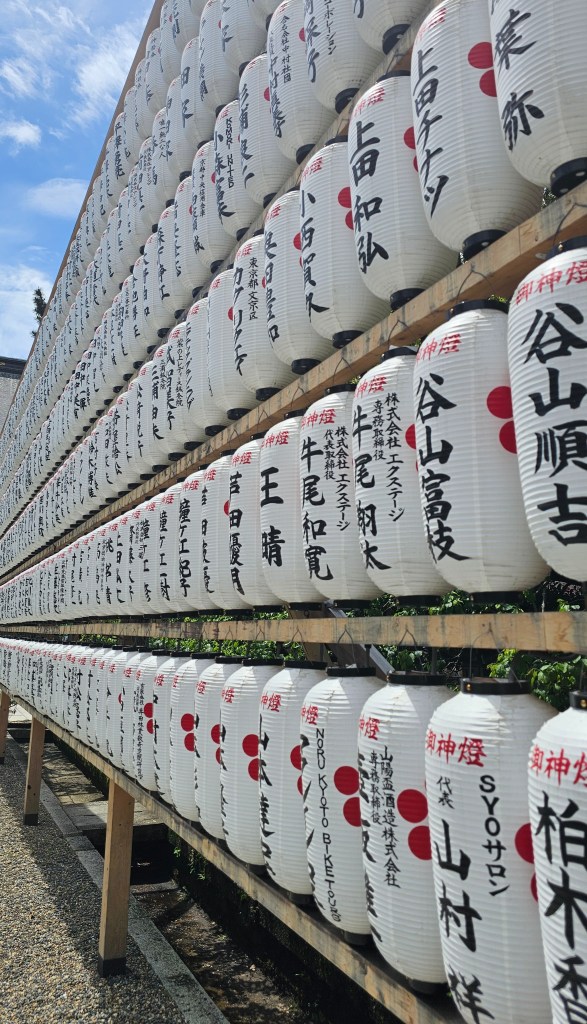
The beautiful Kitano Tenmangu Shrine is another historically significant site, serving as the head of over 12,000 shrines dedicated to the deity of learning. Today, it has evolved into a vibrant sanctuary of both academic aspiration and seasonal beauty, offering an experience that feels deeply authentic and local compared to Kyoto’s main tourist hubs. The atmosphere is defined by students from across Japan visiting to pray for success in exams. One interactive experience you’ll encounter is rubbing the many bronze Nadeushi (rubbing oxen) statues scattered across the grounds—visitors rub their heads for wisdom or touch specific parts to seek healing for corresponding ailments.
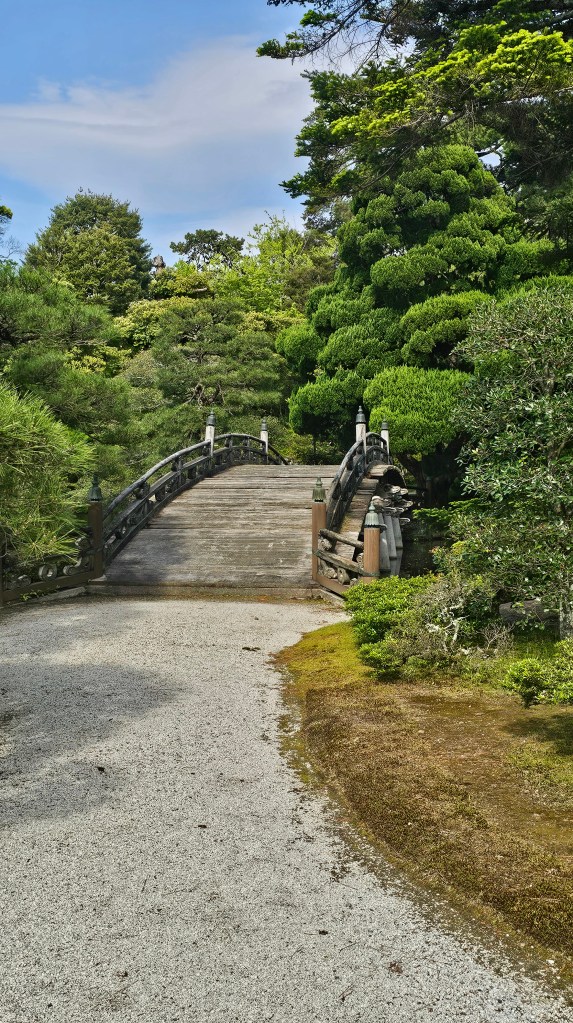
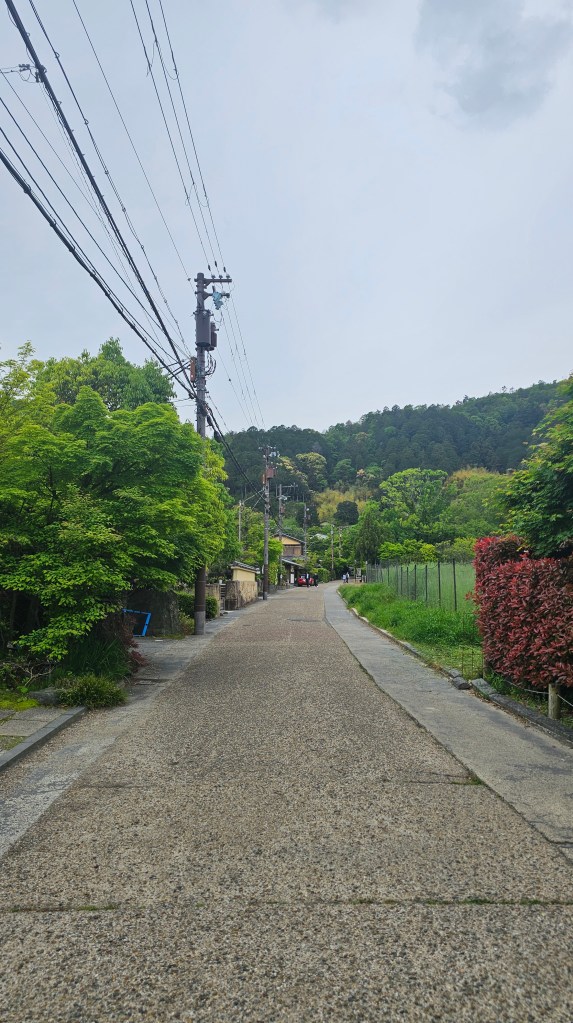
Next, we hopped off at Gion, Kyoto’s historic geisha district and living museum. Here, the streets feel timeless. We strolled past wooden teahouses and lantern-lit alleyways, wishing we could catch glimpses of geisha and maiko in traditional kimonos. While they don’t often wander the streets casually, you can pay to see an intimate performance in a local teahouse. Gion is best experienced as an early morning walk to appreciate the 17th-century architecture and “old Kyoto” aesthetic before the narrow lanes get congested with tour groups.
Just nearby, the Yasaka Pagoda (Hōkan-ji Temple) rises gracefully above the quaint wooden streets of the Higashiyama district. Dating back to 589, this five-story marvel frames the narrow lanes, old houses, and sloping stone streets to create one of the most iconic views in Japan. The surrounding area is rich with small shops offering handcrafted goods, artisan coffee, Kyoto sweets, and local delicacies that make you feel like you’ve stepped back in time.
If you’re looking for a great local tip, check out the Kyoto Skyway inside Kyoto Station. The Skyway is proof that sometimes the best things in life really are free—you can skip paying ¥800 for Kyoto Tower and head here instead for the same panoramic view. Located on Floor 11, it almost feels like a secret bridge in the sky,
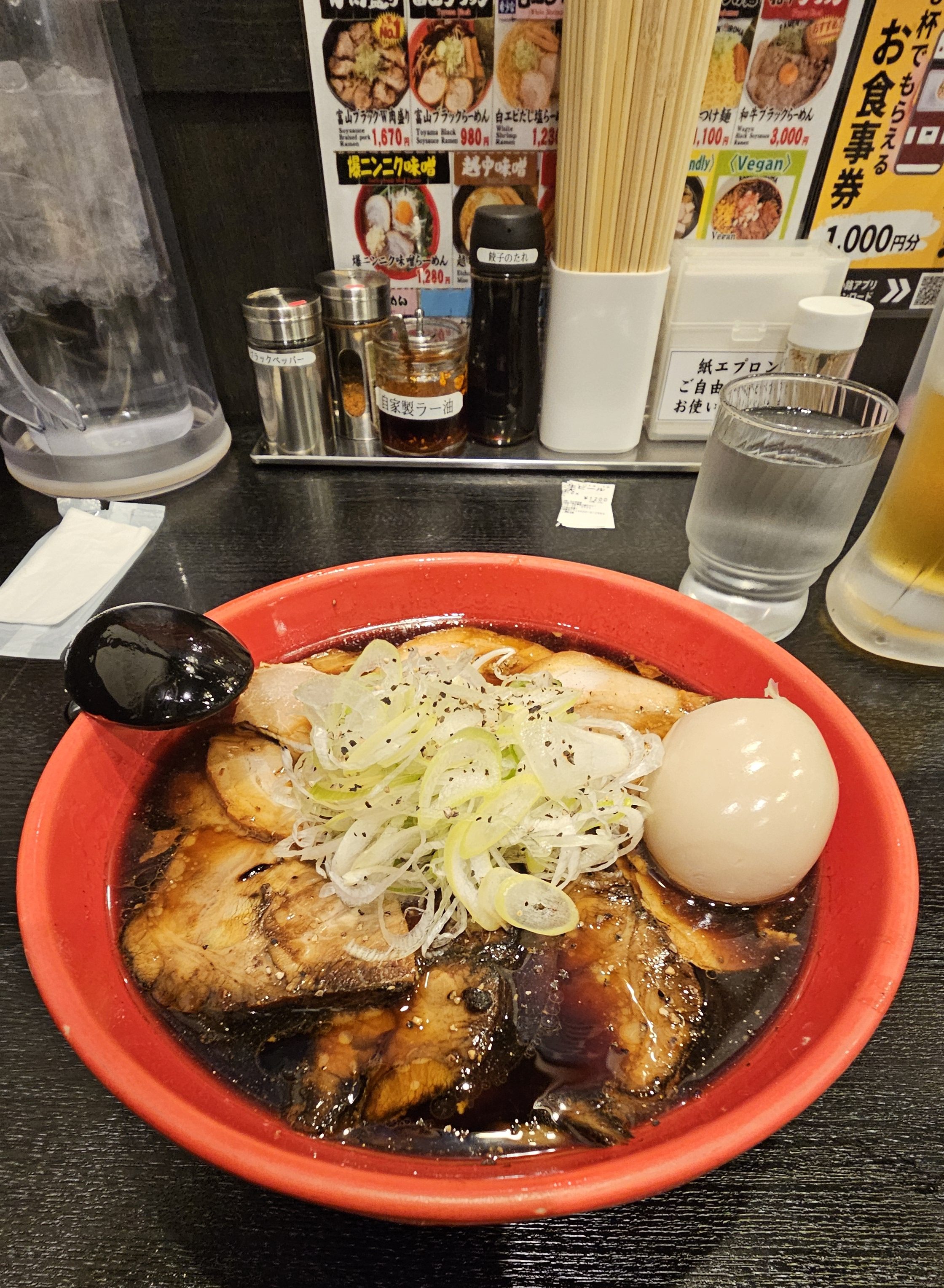
Right nearby on Floor 10 is Kyoto Ramen Street (Ramen Koji), situated just south of the Grand Stairway. This corridor acts as a noodle theme park featuring eight different shops selling regional varieties of ramen from Hokkaido to Kyushu. We chose Menya Iroha, a shop famous for its Toyama-style black ramen made with a deeply savory fish-based soy sauce broth boiled for hours. Paired with braised char siu pork and fresh noodles, it was an explosion of flavor that I still rave about today.
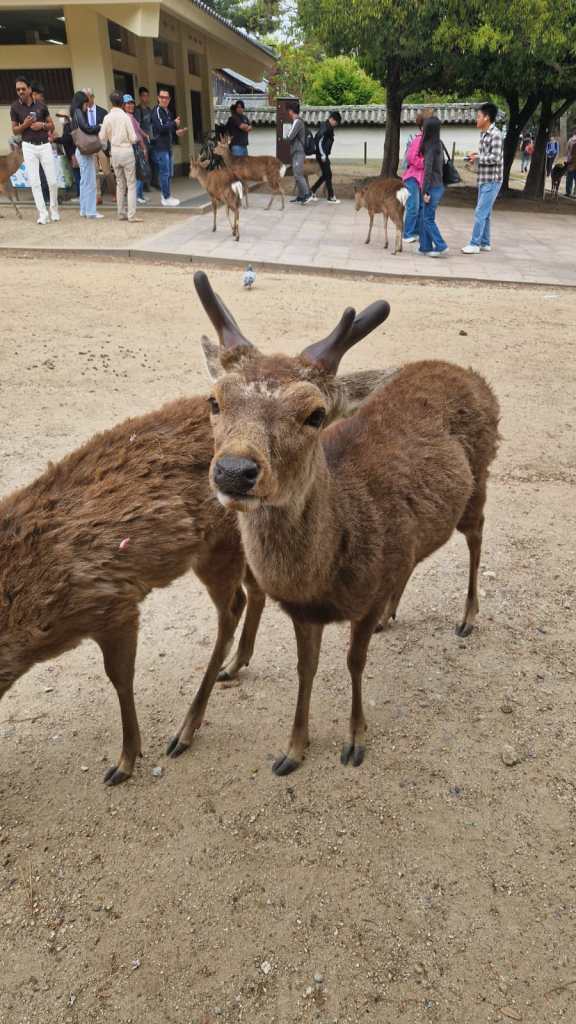
One of the best things about Kyoto is that it serves as a perfect home base for exploring the wider Kansai region. We booked a guided day tour on Klook to visit Nara, Arashiyama, and Fushimi Inari.
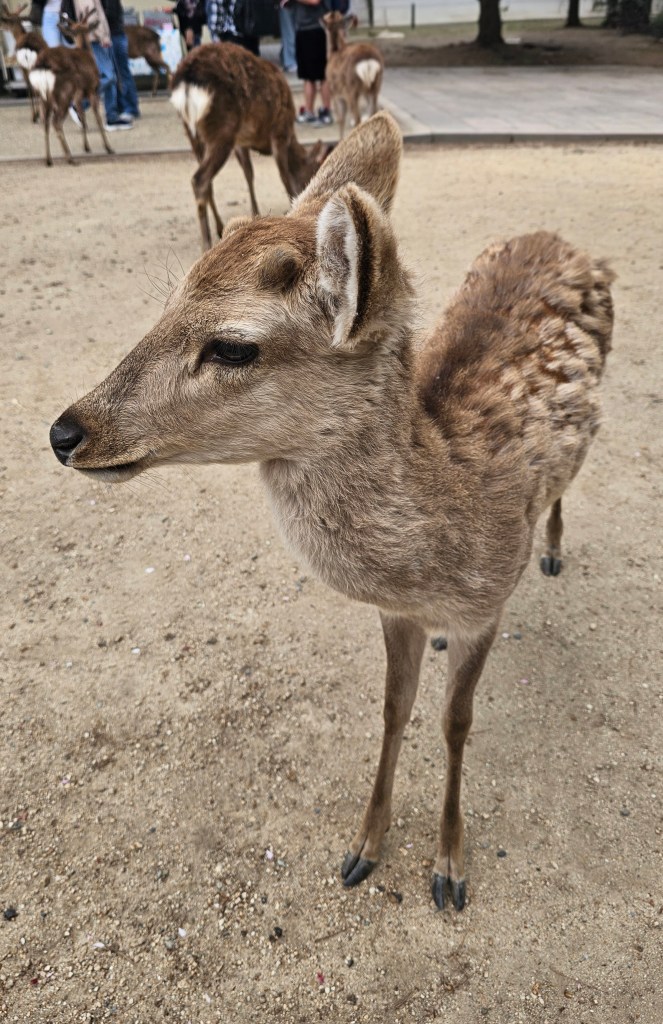
Our first stop on the tour was Nara Park, a truly unique place where temples and nature blend seamlessly. The main attraction, of course, is the free-roaming deer. Seeing, stroking, and bowing to the deer up close is unforgettable. You can purchase deer crackers (shika senbei) from vendors for ¥200, but keep in mind that these wild deer can be bold and might give you a gentle nudge if they see a stack of crackers in your hand!
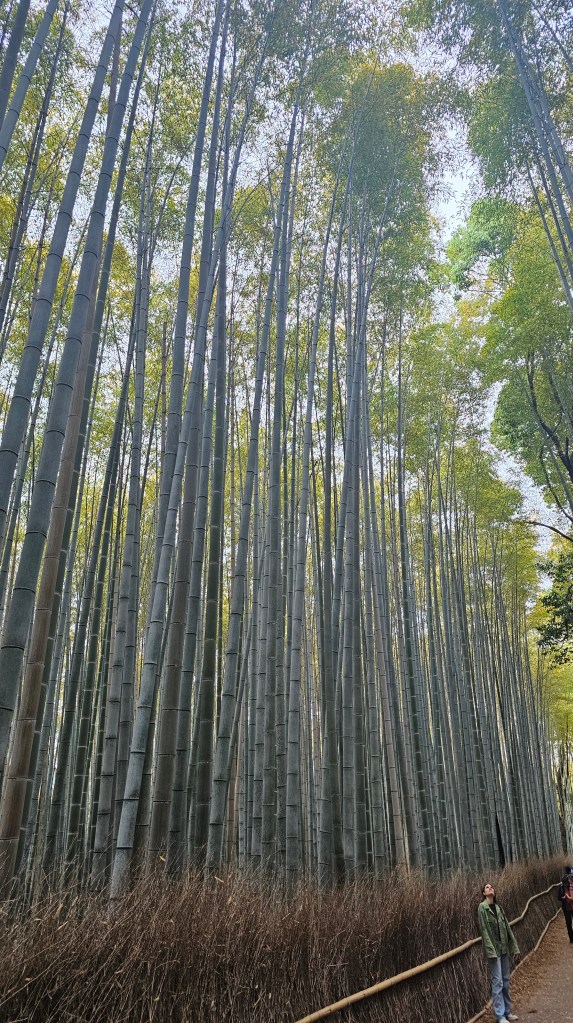
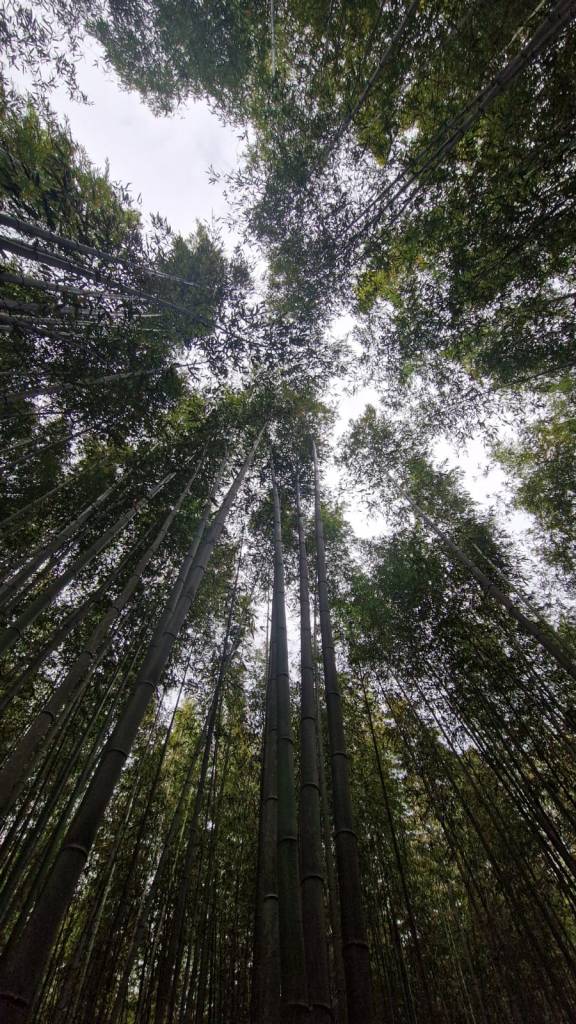
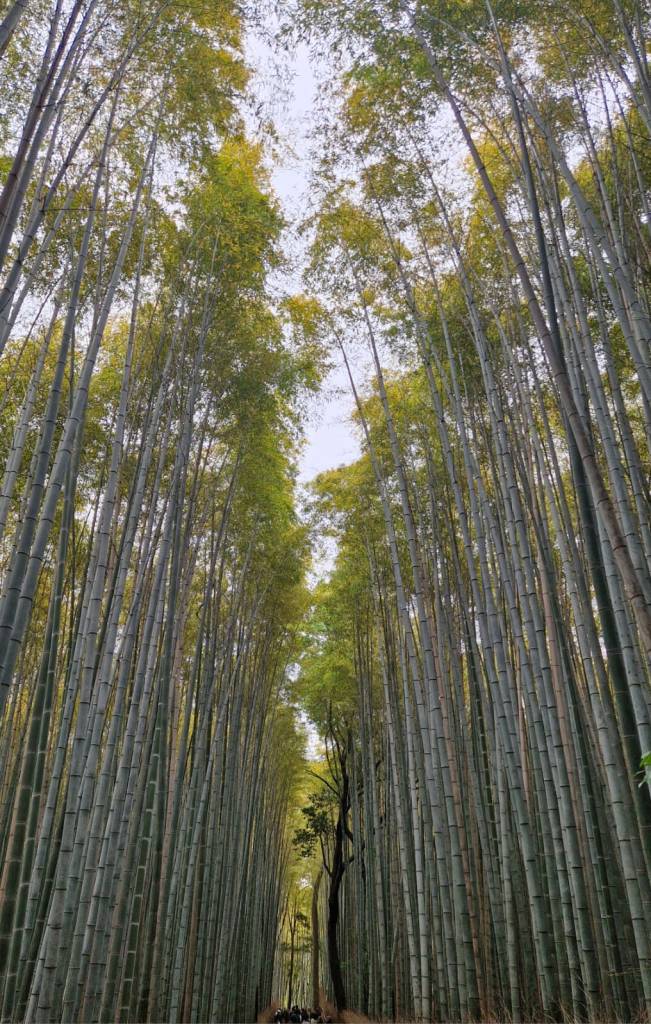
From Nara, we were driven to the Arashiyama Bamboo Grove. After parking, we took a short walk down Arashiyama Shopping Street (Nagatsuji-dori)—a vibrant avenue packed with craft stores, street food, and kimono rentals. Entering the bamboo forest itself is extraordinary. The towering bamboo stalks reach up to create a cathedral-like canopy that feels peaceful, spiritual, and almost surreal. The sound of the bamboo swaying in the wind adds to the calming vibe, making it an absolute must for nature lovers and photographers.
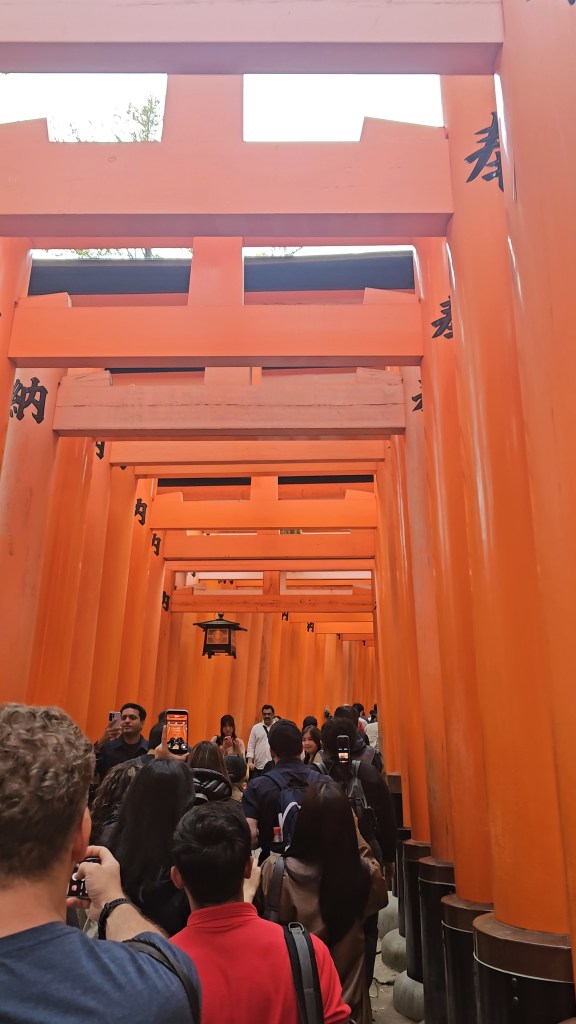
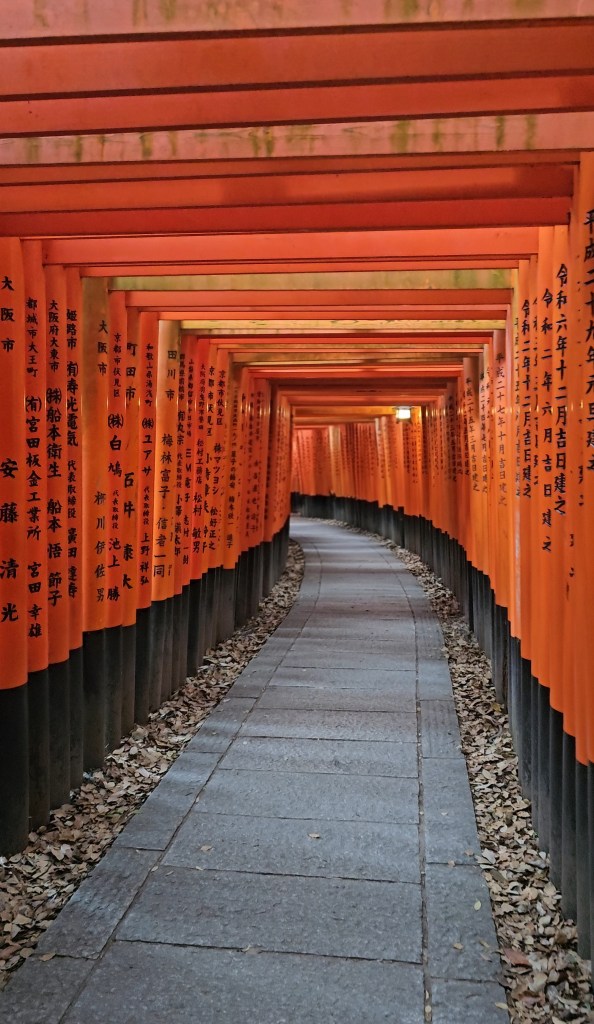
Our final stop was the world-famous Fushimi Inari-taisha Shrine. Arriving around 2:00 PM meant it was busy, but walking through the paths lined with thousands of bright vermilion torii gates was still a magical privilege. Dedicated to Inari, the Shinto god of rice and prosperity, each gate has been donated by a business seeking good fortune. If you hike a bit further up the mountain trail away from the main entrance, the crowds thin out significantly, leaving you to enjoy the quiet forest, friendly stone fox statues, and breathtaking views over Kyoto.
For us, this entire trip wasn’t just about seeing the sights—it was about truly understanding the stories behind each place. Kyoto is the cultural soul of Japan, offering a concentrated dose of history that modern hubs like Tokyo cannot replicate. It’s a place where tradition isn’t just remembered, but actively lived and protected every single day. Kyoto is a city etched into our hearts until we return.
If you liked the blog please hit that like button, watch the full video below and consider subscribing if you haven’t already.
Till Next Time!
 Pinned on Places
Leave a comment