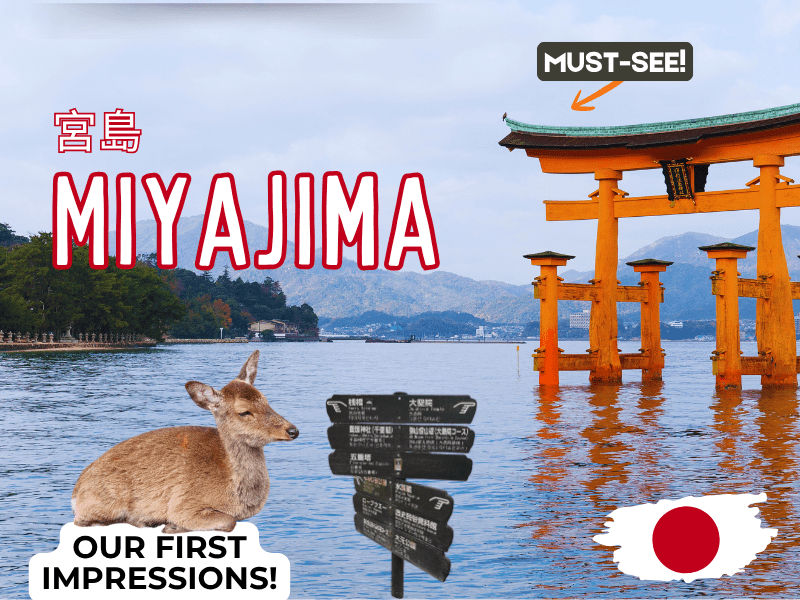
Just a short hop from Hiroshima lies Miyajima Island. It’s a place where ancient Shinto spirits feel very much alive, where the mountains meet the sea, and where the locals… well, they have four legs and a habit of trying to eat your map. You’ve likely seen the pictures of the “floating” gate, but nothing prepares you for the actual vibe of this place.
Officially called Itsukushima, for centuries it was considered so sacred that commoners weren’t even allowed to set foot on the soil. Today, it’s a beautiful mix of ancient tradition, mountain mist, and very friendly deer. We’re going to share our first experiences and give you a taste of what you need to know to master this island.
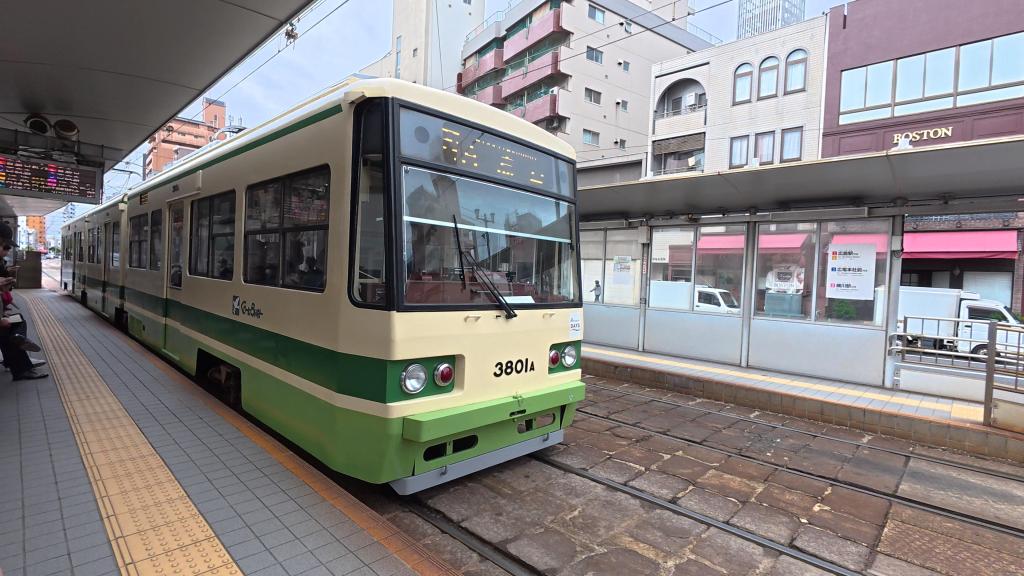
Getting here is half the fun. You’ll more than likely be staying in Hiroshima or around the area, so our best advice is to jump on the quick and easy JR Sanyo Line bound for Iwakuni. The scenic train journey takes around 25 minutes and costs just ¥420 one-way to Miyajimaguchi station. Once you arrive, follow the signs to the ferry piers—it is a very short 3-minute walk to the waterfront and ferry terminal.
From the ferry terminal, I cannot stress how easy it is to get on board. Everything is clearly signposted and well laid out, and they have very kind staff helping you on your way. Because we brought our prepaid IC travel cards, we were able to tap directly at the gates and didn’t have to worry about change or buying a ticket.
It’s also worth noting that if you have the Japan Rail Pass, the JR Ferry option is completely free for you! If you don’t have a pass, a standard round-trip ticket will cost you ¥400. Alternatively, if you want to skip the train altogether, you can take a high-speed boat directly from Hiroshima’s Peace Memorial Park for a more scenic, albeit pricier, entrance at around ¥2,200.
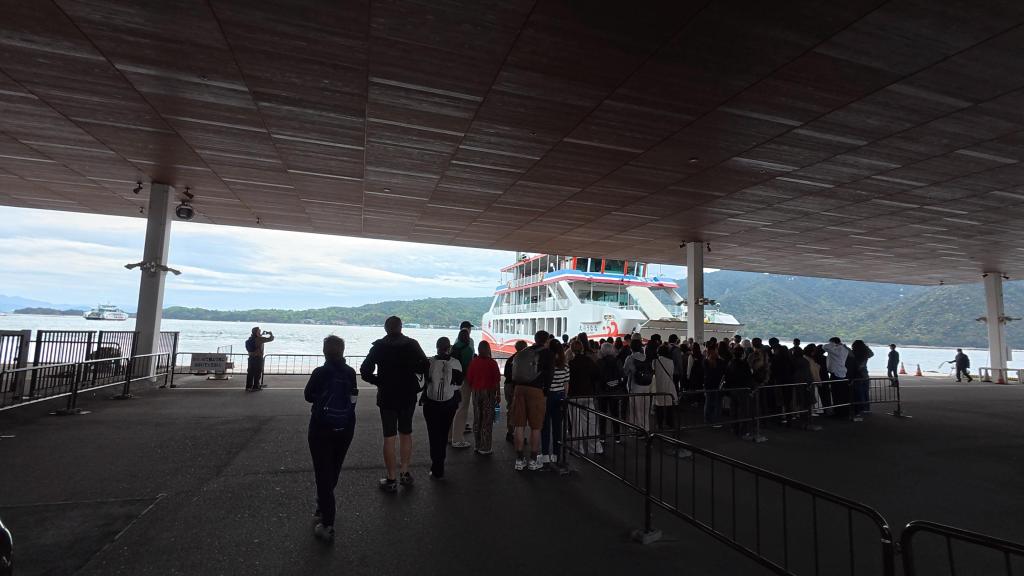
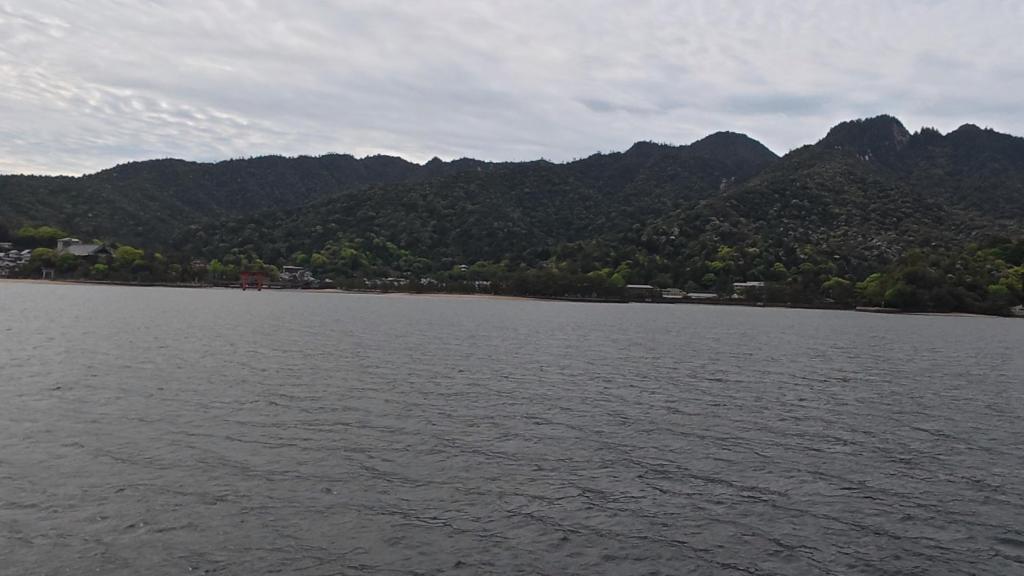
The ferry ride itself is a blast. It’s a quick but seriously scenic way to begin your adventure into Miyajima. Everyone flocks to the inside to grab a seat, but our advice is to head straight to the outdoor deck for a view of the “floating” torii gate as it emerges on the horizon—you will not be disappointed.
Once you step off the boat, you’ll immediately feel the shift from the mainland’s bustle to the island’s sacred atmosphere. This is the Island of the Gods, and the walk from the terminal is full of surprises. You’ll encounter wild deer as soon as you exit the pier and all around the town. In the Shinto religion, these deer are considered messengers of the gods. Although they are quite bold and might approach you looking for food or paper maps, it’s actually best not to feed them to keep them healthy as wild animals, so just snap some photos from a distance and let them be at peace.
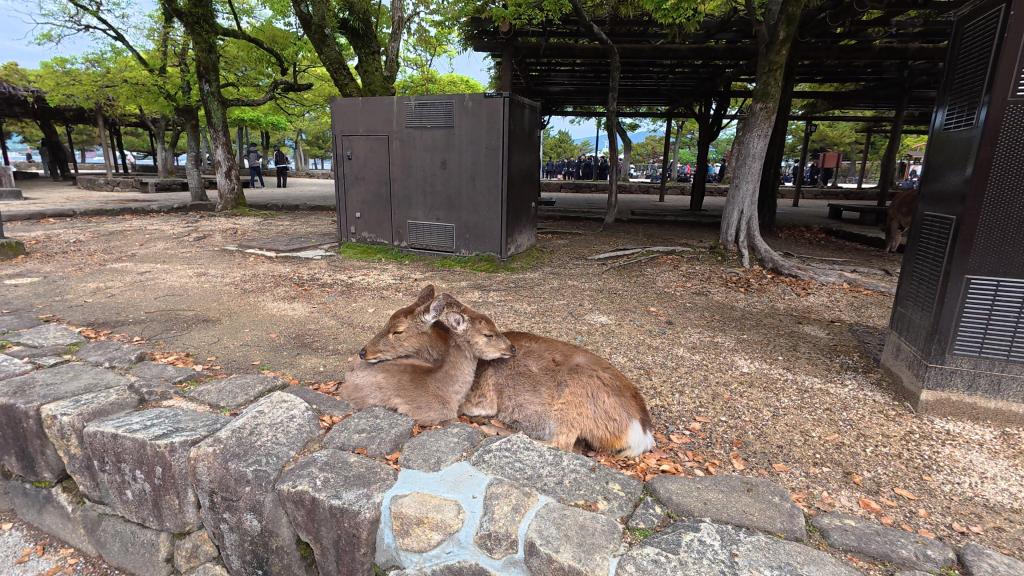
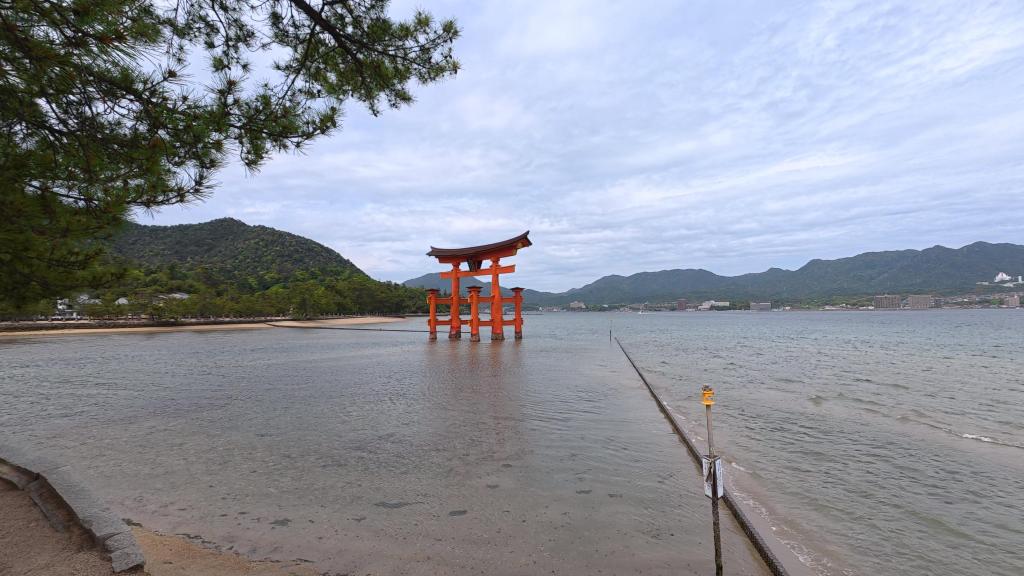
The vibe here is incredibly unique. During the day, it’s a bustling cultural hub, but there’s an underlying sense of serenity that’s hard to shake. You can walk along the stone-lantern-lined coastal path, which in itself is a really relaxing stroll. In the near distance, the iconic O-Torii gate comes into view, and it’s at that moment that you realize just where you are.
Depending on when you arrive, you’ll either see the gate floating in the sea at high tide or surrounded by wet sand at low tide, which allows you to walk right up to its massive wooden base. The 50-foot-tall vermilion structure is designed to act as a gateway between the human world and the world of the divine, and it’s a true privilege to see this ancient view in person.
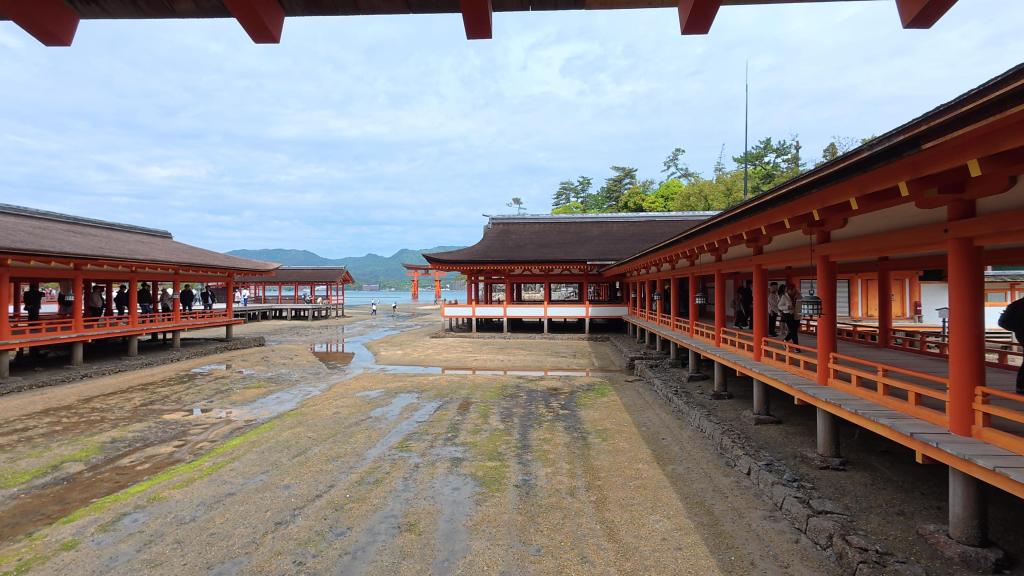
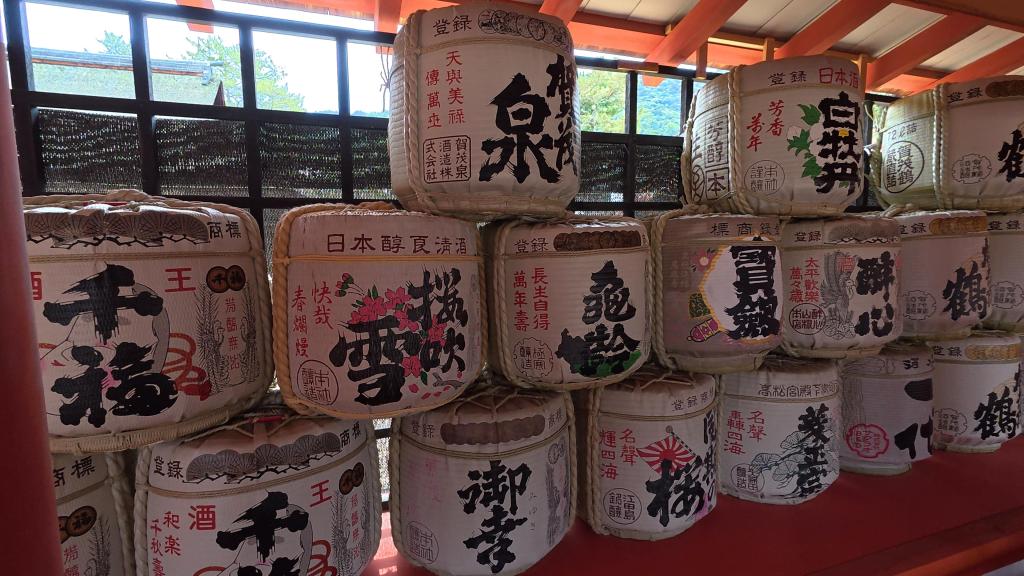
The centerpiece of the island is Itsukushima Jinja, a UNESCO World Heritage shrine built entirely on stilts over the tidal flats. At high tide, the entire complex looks like it’s floating seamlessly on the Seto Inland Sea. The design reflects the elegant architecture of the Heian period, emphasizing perfect harmony between man-made structures and nature.
Walking along the vermilion-colored wooden corridors that connect the various halls is incredibly rewarding. While you cannot enter the innermost area of the main hall, or Honden, you can quietly observe the beautiful woodwork and traditional thatched roof from the outer prayer hall. Your phone will be absolutely filled with photos from every angle.
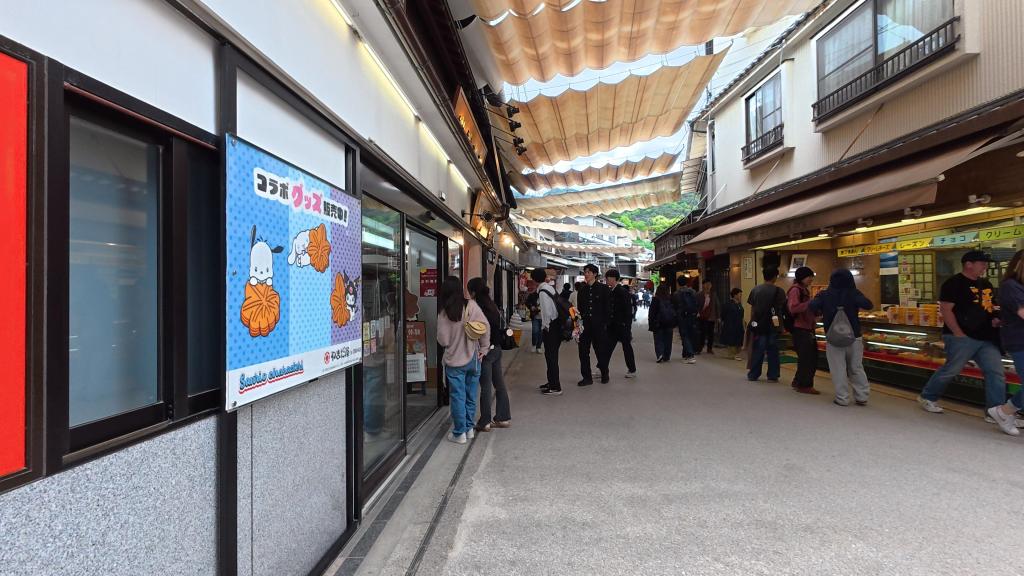
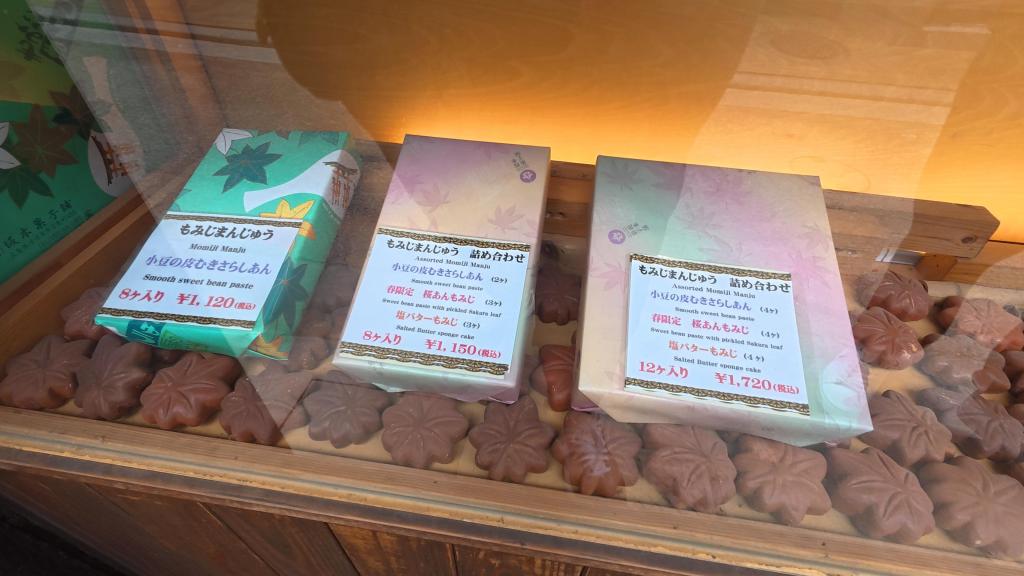
You also cannot leave without hitting Omotesando Shopping Street. The smell of grilled oysters and fresh baked goods fills the air here. This is a very busy spot at peak times, but it is totally worth it for the culinary experiences. For dessert, you have to grab a ‘momiji manju’. These are little maple-leaf-shaped cakes filled with everything from traditional sweet red bean to chocolate or custard. They’re cheap, delicious, and the perfect fuel for a day of exploring.
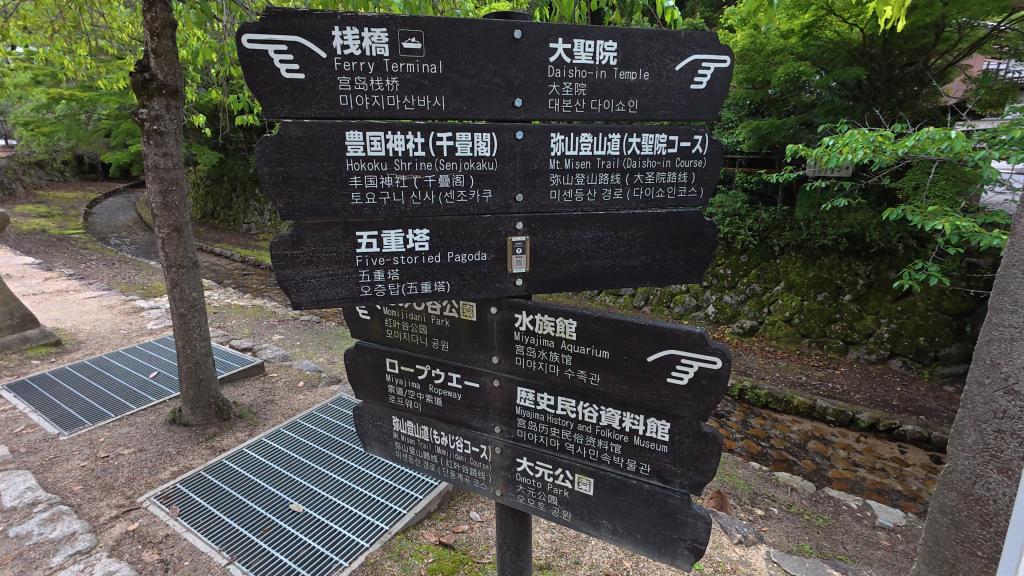
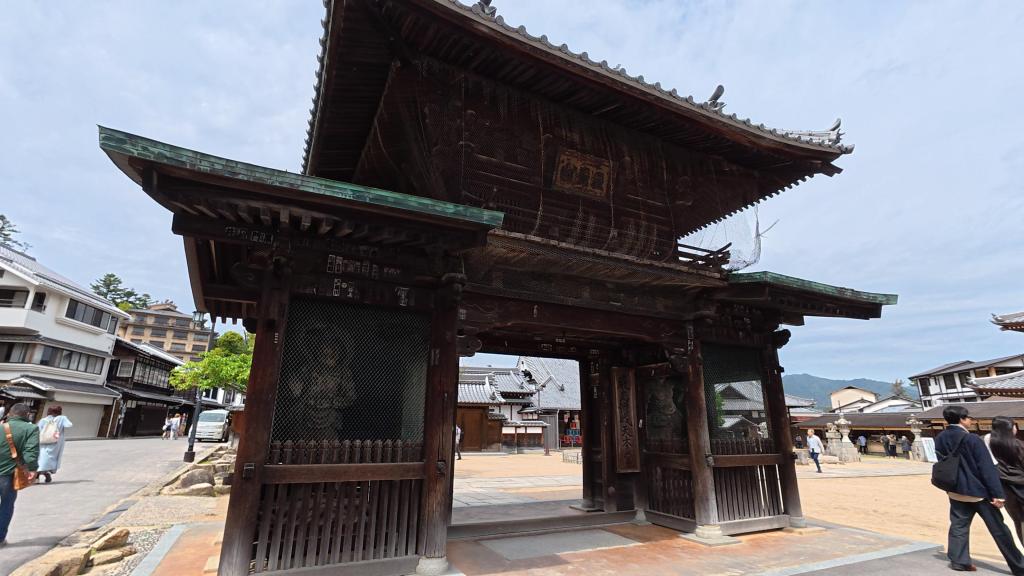
There is plenty more to do on the island, and we would highly recommend spending a full day or even an overnight stay here to experience the quiet evenings once the day-trippers leave. But even if you only have a few hours, you will not walk away disappointed. Ultimately, Miyajima feels like a living sanctuary—a place that manages to be a world-class destination while maintaining the quiet, ancient soul of a mountain retreat.
Be sure to read up on Hiroshima here, it’s closest City neighbor, or also watch the video on Youtube.
If you liked the blog please hit that like button, watch the full video below and consider subscribing if you haven’t already.
Till Next Time!
 Pinned on Places
Leave a comment