
In this week’s post, the sweeping landscapes of soft green grass sway in the wind with a red toned medieval castle jutting up from the small hill greets you, welcome to Doune Castle.
If you have ever seen Monty Python, game of thrones or Outlander – then you might just recognize this pretty iconic Castle. This is one of the most well preserved castle museums in Scotland with open rooms to explore, spiral staircases to conquer that let your imagination run wild. With its striking 100ft walls and one of the best preserved great halls of all of Scotland’s castles, medieval splendor seems to drip from every wall.
Roman artefacts have been found on the site of Doune Castle, and the very name ‘Doune’ is derived from ‘dun’, meaning ‘stronghold’. There has probably been a fortress here since early medieval times, but nothing of that dun remains, for in its place stands a mighty late 14th-century stone castle.
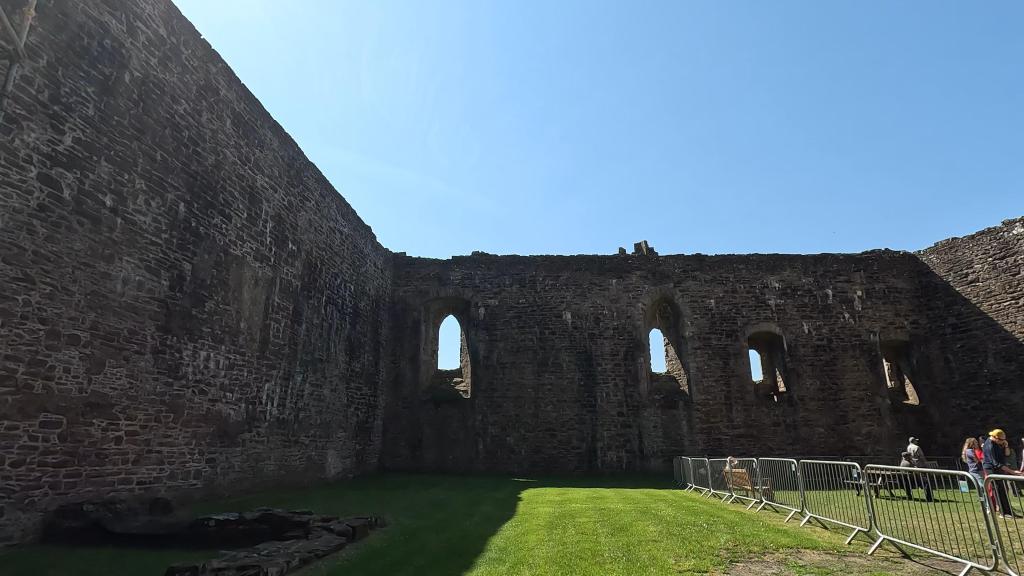
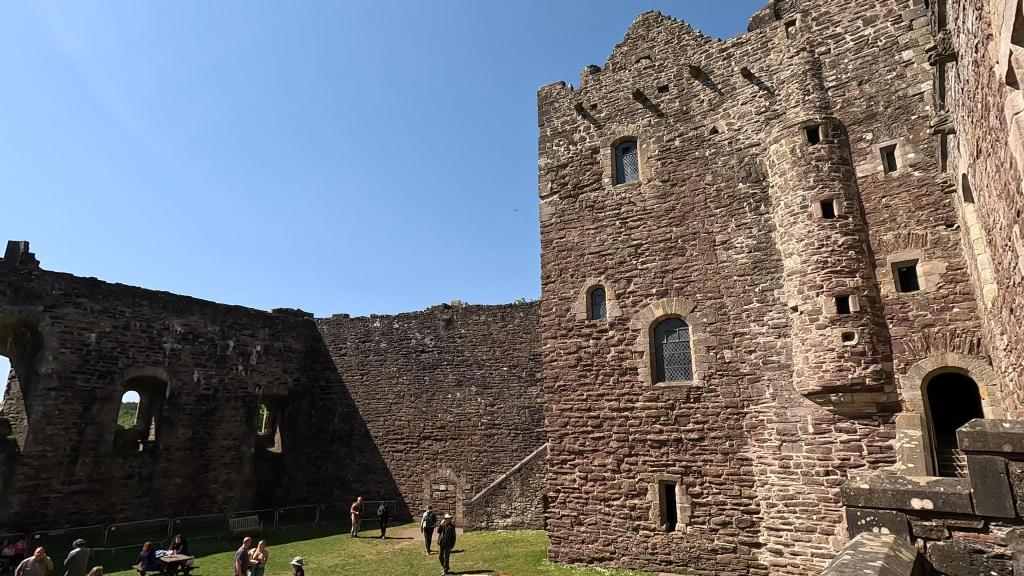
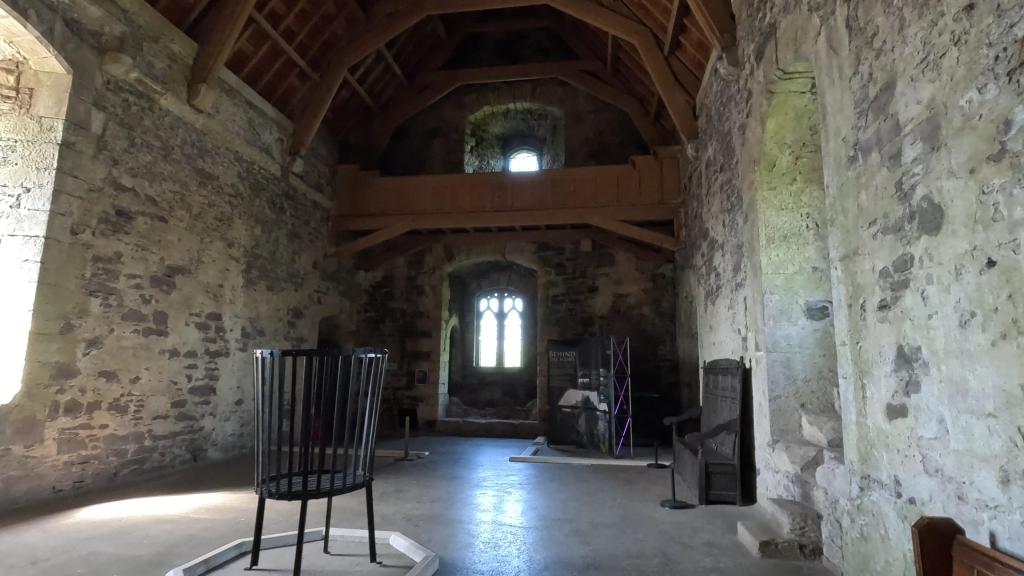
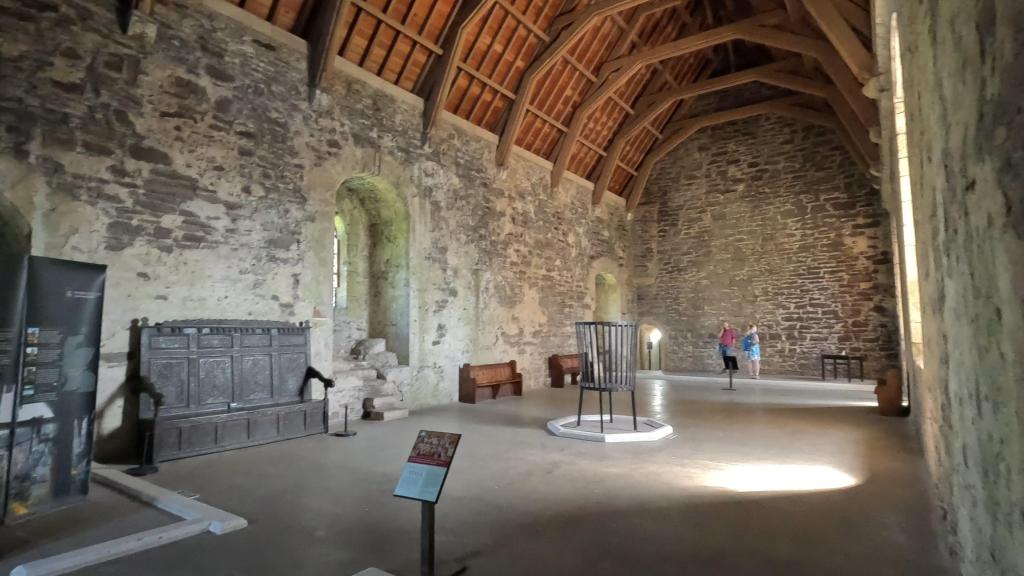
When we walk around Doune today, staring up into the yawning roof of the Great Hall or treading carefully around the tightly winding stairs, our impressions are dominated by the efforts of one colorful and formidable figure: Robert Stewart, the 1st Duke of Albany. Albany was more than a temporary steward; he was king in all but name during Robert’s reign and the minority and captivity of James I. Albany is known by the alias of ‘Scotland’s uncrowned king’, and if Albany was king, then Doune was his royal castle.
Born around 1340, Stewart was a great-grandson of Robert the Bruce, and he seems to have inherited his ancestor’s stop-at-nothing attitude in his lifelong quest for power. Earl of Menteith, Earl of Atholl, Earl of Fife, Constable of Stirling Castle… he collected titles like a magnet collects iron filings, and by his early forties he was Chamberlain of the realm. Not content with that, he soon exploited the weaknesses of both his father and his older brother to secure for himself the guardianship of Scotland.
Stewart had created Duke of Albany, choosing for himself a name that reflected the ancient Pictish kingdom of Alba, but he obviously felt that he was running the country while receiving no recognition whatsoever. With Robert III suffering from ill health, David began to assume the mantle of power and started throwing his weight around. This was too much for Albany, and in 1402 he ordered David’s arrest. He imprisoned his nephew first in St Andrews and then at Falkland Palace, where he died – according to reports, from either dysentery or starvation – at the ripe age of 24.
Albany never did sit on the throne of Scotland, although he must have been so close that it felt warm to touch! He died in September 1420 at Stirling Castle, leaving his ambitions in the rather less-than-capable hands of his son, Murdoch. James I, newly returned to his kingdom, wasted no time in executing Murdoch and seizing the grand castle of Doune for himself. Once in the hands of James I, Doune Castle was transformed into a hunting lodge, and as a desirable royal retreat it was included in the marriage dowry of successive queens.
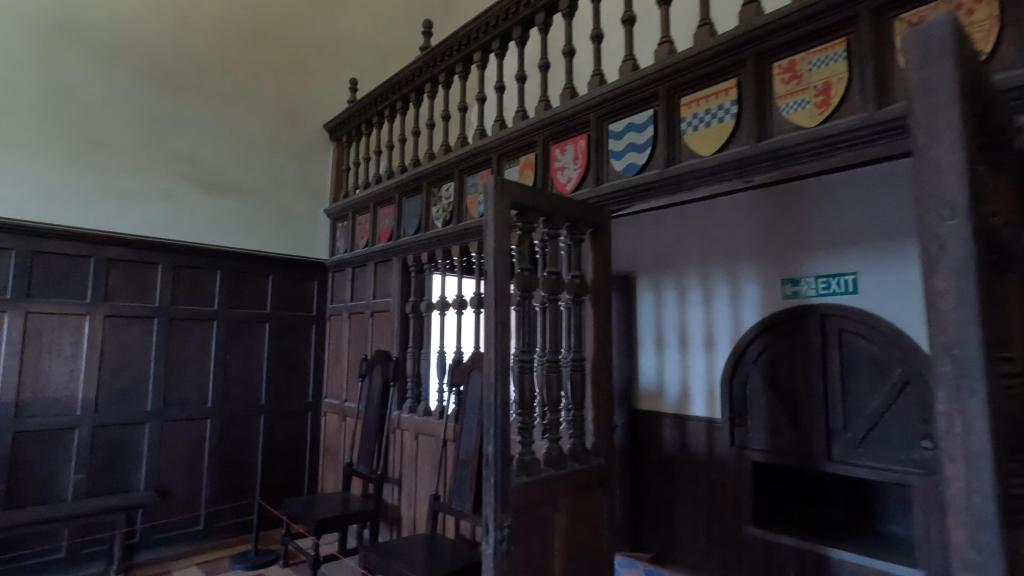
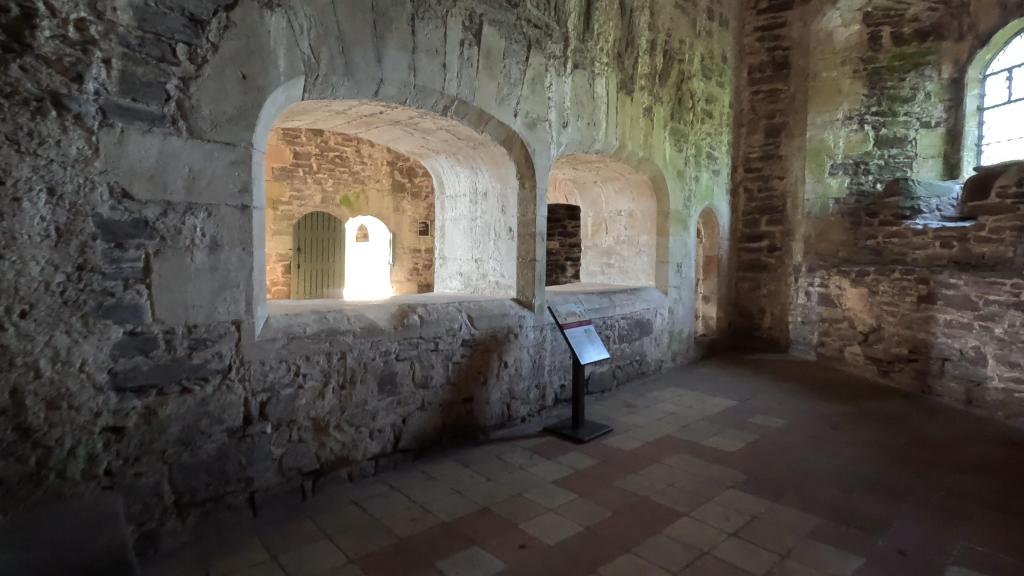
In addition to its cameo in the Python’s comedy classic, the castle has a long history of film and TV appearances. In 1952, it starred in the MGM film Ivanhoe alongside Elizabeth Taylor. Game of Thrones fans might recognize parts of the castle as the exterior for Winterfell in Season One. The exterior was also used extensively as Castle Leoch in Outlander.
But the castle still remains best known for its numerous appearances in Monty Python and the Holy Grail. If like us, you’re a fan of Monty Python, then you will remember a few iconic scenes from this castle, including the French taunts and the cow launched over the walls.
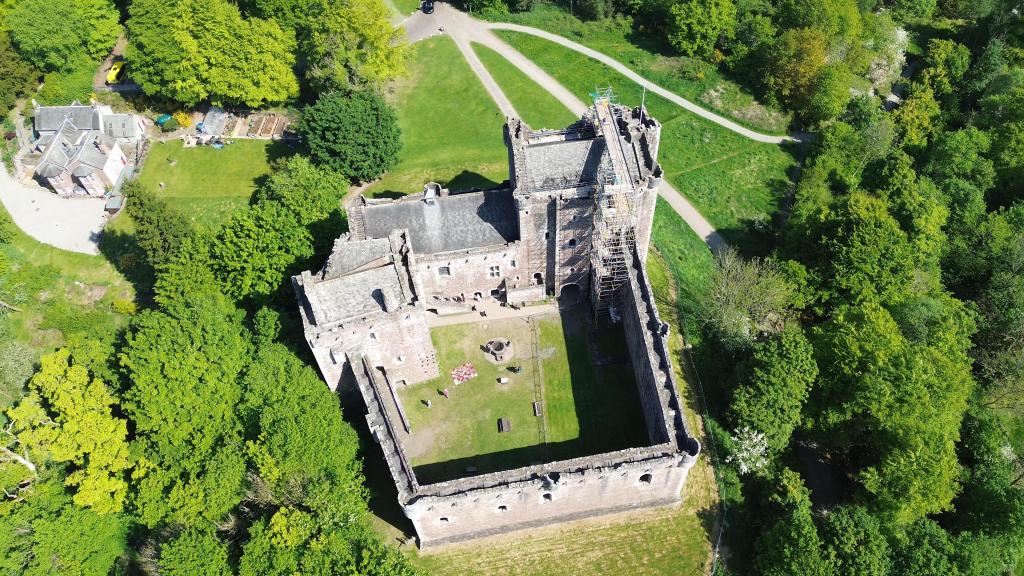
But make no mistake, this is not a film set, but an authentic medieval castle, and one of the most impressive 15th-century fortresses in Scotland. The views from atop the battlements are fabulous, but the real gem of the castle is the great hall, a magnificent chamber that served as the hub of communal life at Doune. Doune Castle is one of my favorite ancient castles in Scotland for the history, the film locations, and gorgeous surrounding countryside.
If you liked the blog please hit that like button, watch the full video below and consider subscribing if you haven’t already.
Till Next Time!


Leave a Reply