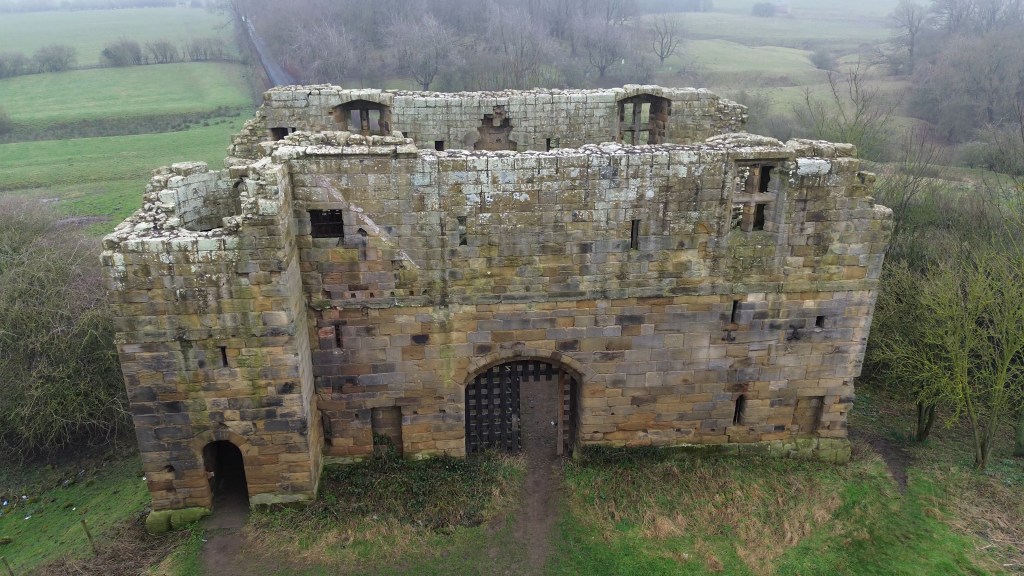
We’re visiting the now abandoned village of Whorlton, the small village overlooks Swainby in North Yorkshire, in particular our visit today takes us to explore both the old church and the medieval castle of Whorlton. So why not join us.
The village of Whorlton is Located right on the edge of the North York Moors near Swainby and Northallerton, the ghost town was once a humble place to live complete with its own castle, church and graveyard – but today, the place is nothing but crumbling remains. And there’s a pretty dark reason as to why. According to history buffs, many of Whorlton’s residents perished at the hands of the Black Death, while it’s assumed others fled in a bid to survive the epidemic. As a result, by 1343, the once beautiful Whorlton Castle had become a ruin, leading to its eventual disintegration and ruinous appearance that can still be seen to this day.
Like the castle that we are going to go see, the church is in partial ruins, with only the chancel and the tower remaining. There was once a Saxon church on this site before the Norman Conquest but the oldest part of the buildings that we see today dates to around the 11th century by the norman lord Robert de Meynell.
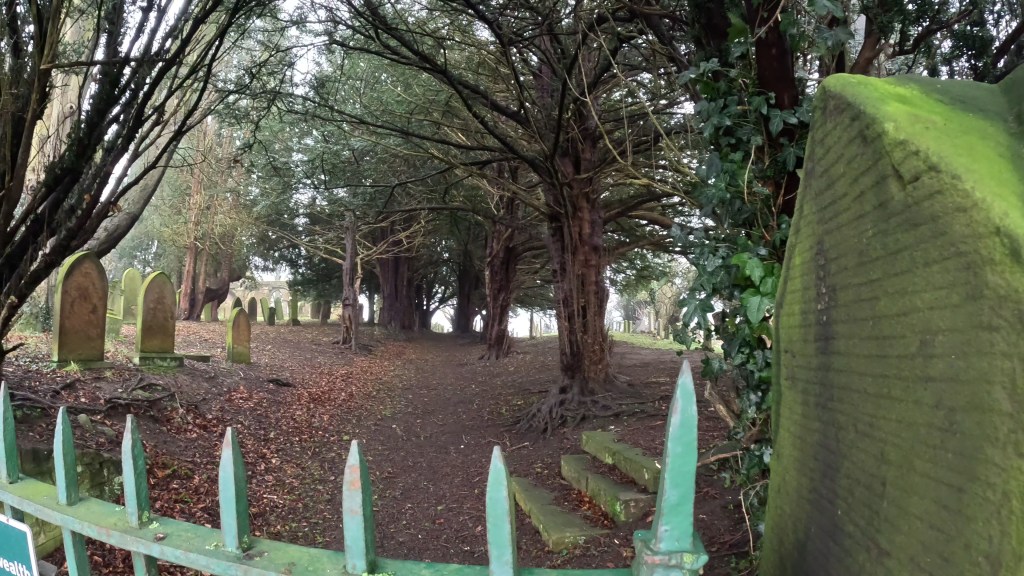
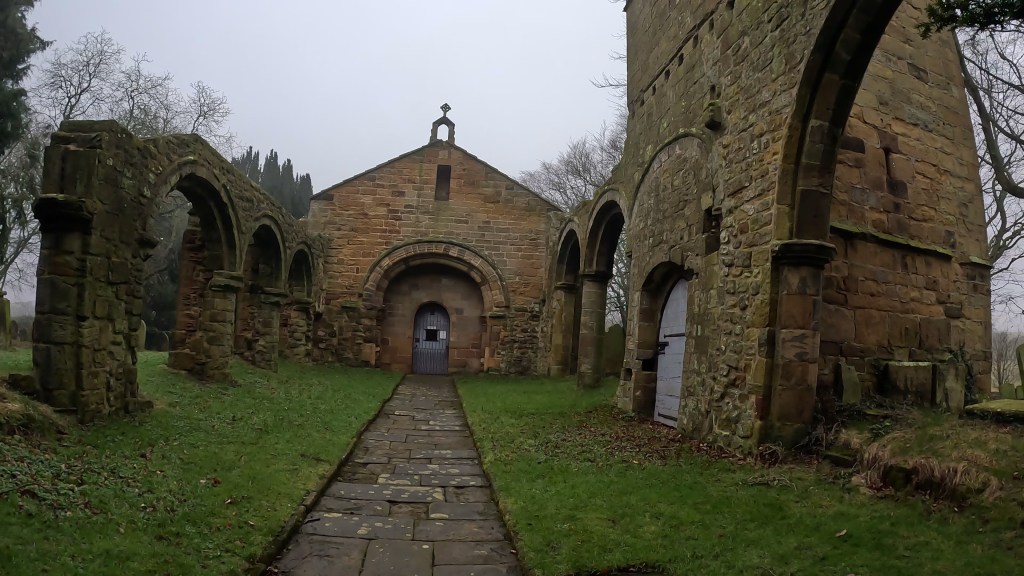
The quite stunning chancel arch dates to at least the 11th century and the north aisle may have been built at the same time, the south aisle was a later addition. The tower was added in the 15th century and served double duty as an entrance porch, in the tower hangs a single bell that was cast in the early 16th century, what is interesting is that you can see medieval grave slabs that were built into the nave walls. The highlight the Church is the 14th-century wooden effigy in the chancel.
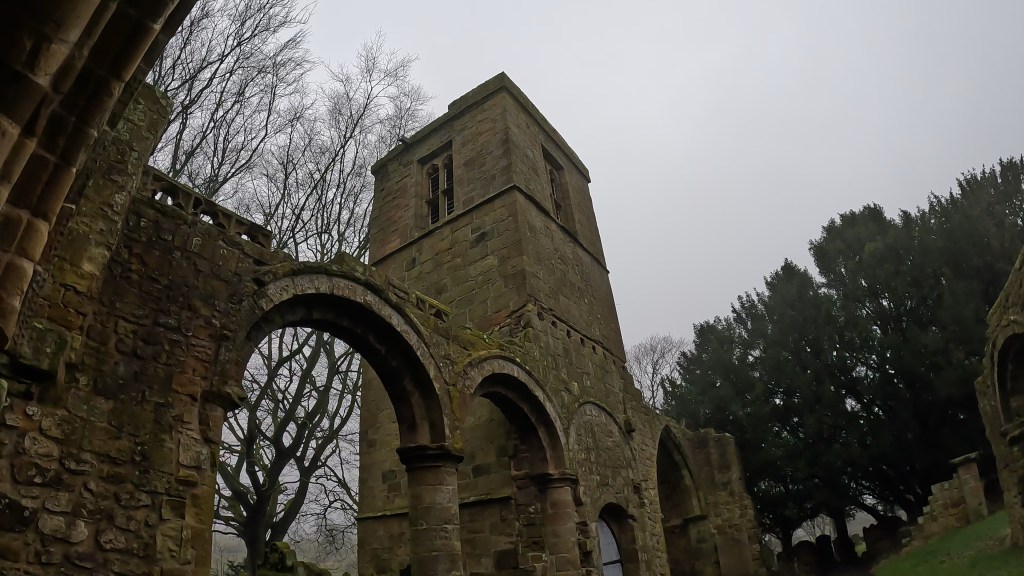
The last service was held here in 1875 and the nave was finally dismantled a century later in 1975 leaving the original and atmospheric arches still standing to this day, the chancel is also completely intact. There is a tale that an underground passage links the old church of Holy Cross to the castle but we couldn’t find any evidence left. Although Whorlton is most famous for its abandoned medieval village, in 1810 there was a hoard of Roman coins found dating from the end of the Roman presence in Britain.
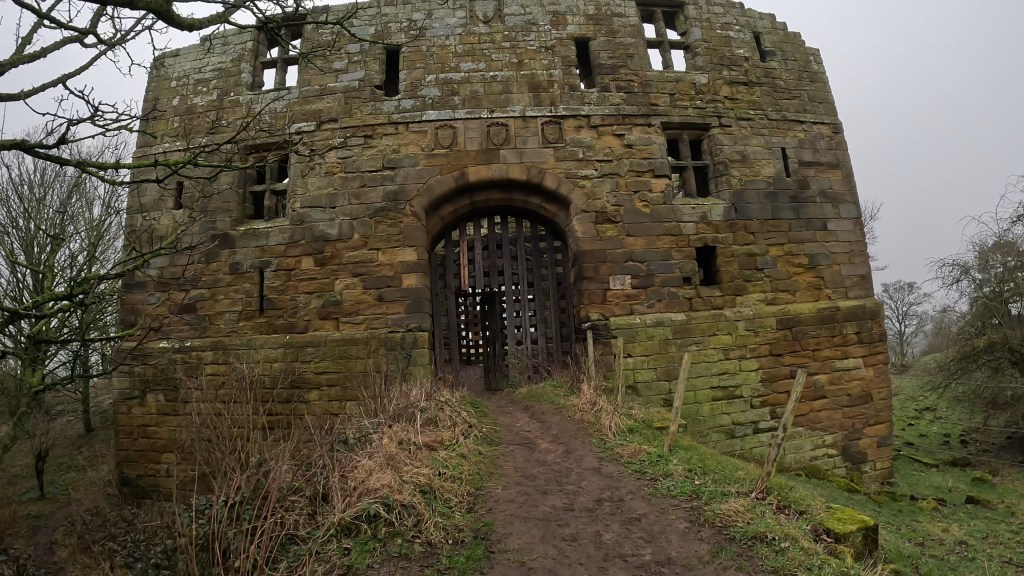
After a short visit to the quiet and eerie church, we wander 2 minutes towards Whorlton Castle, it’s is a ruined 14th-century tower house on the site of a Norman motte and bailey fortification, built on a spur of the Cleveland Hills. Only the castle gatehouse and the vaulted undercroft of the tower house remain. Perched upon a small hill, providing views out across the Tees Valley, the location was an ideal spot for keeping the Saxons in check, as it also overlooked an important road on the western edge of the North Yorkshire Moors. This vantage point must have been very beneficial in times past for it provides wide views over the surrounding countryside, ideal for raising early alerts of impending raids.
In 1066 William the Conqueror defeated King Harold at the Battle of Hastings and was crowned as King of England. But just because he wore the crown did not mean that he controlled his newly won kingdom. The north of England rose in rebellion against the Normans and William responded with utter ruthlessness.
That first castle was a rudimentary mote and bailey earthwork topped by a timber palisade. It occupied Castle Bank, a spur of the Cleveland Hills. One very unusual feature is that the motte was square rather than the more typical oval shape. The bailey was rectangular. Nearby was a park that was reserved for the lord’s hunting.
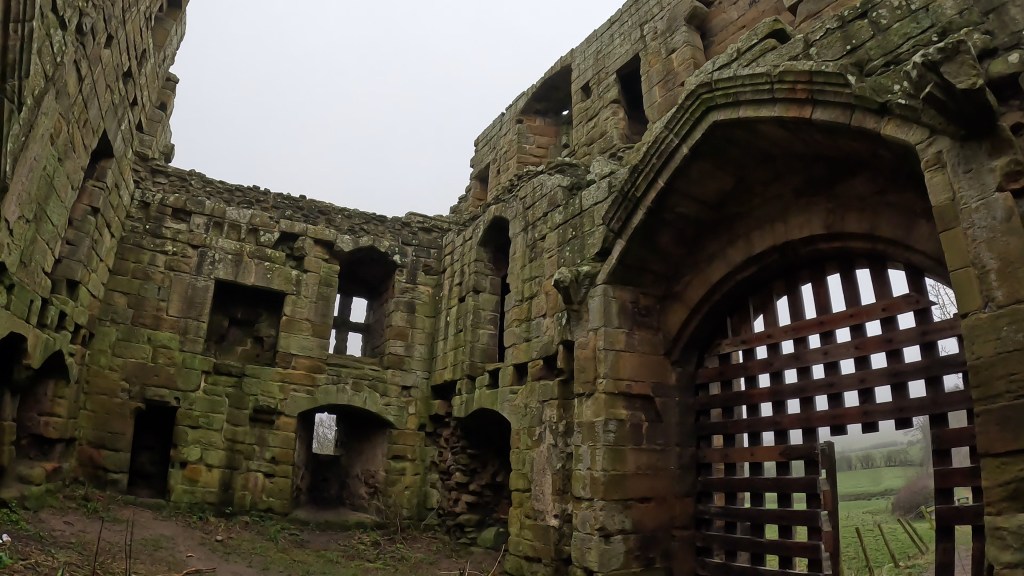
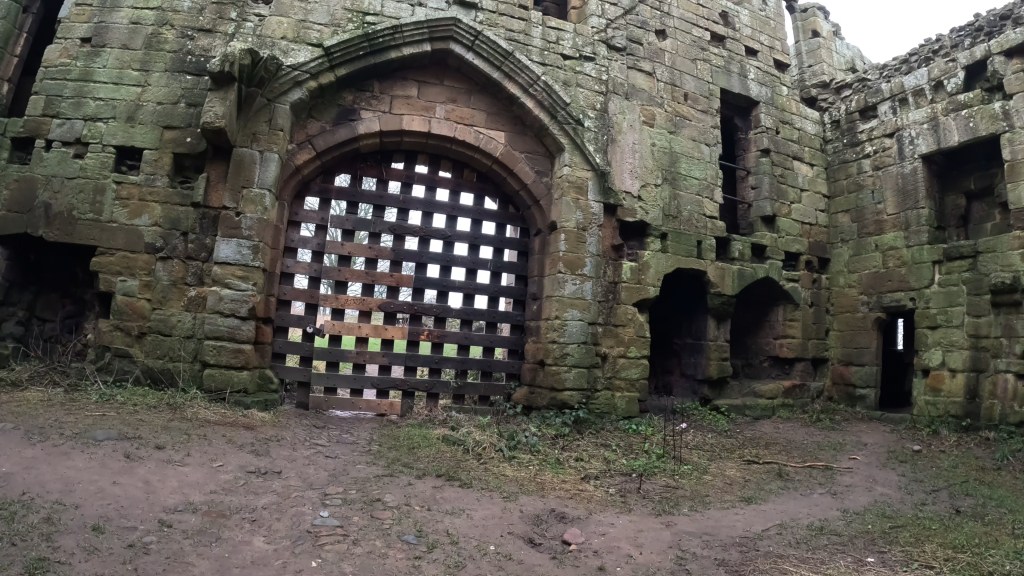
The 11th-century castle passed to Lord Darcy of Knaith in 1343. Darcy pulled down the earlier castle and levelled the motte. In its place, he built a fortified tower house of stone. The house was defended by a curtain wall, with an inner ward reached through an impressive stone gatehouse.
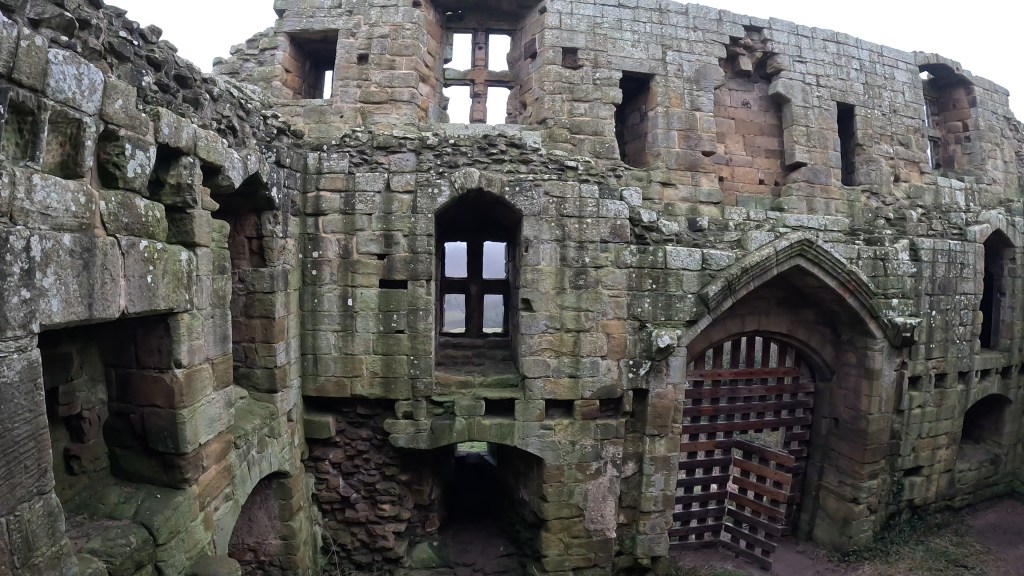
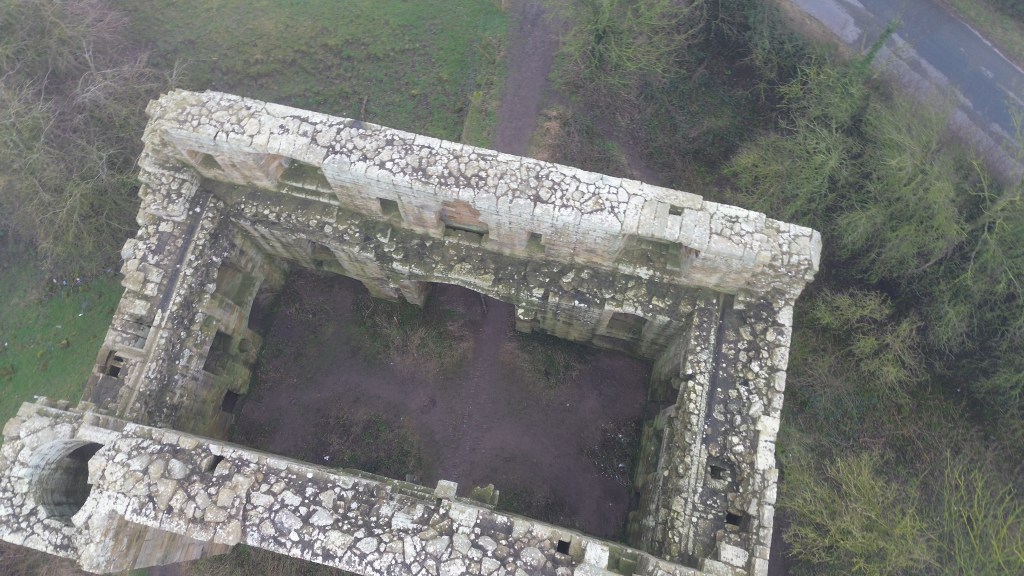
The castles keep was located around 22 metres west from the other end of the bailey where only fragments of the vaulted cellars or undercrofts survive. You can easily make out the earthworks, especially east of the castle where you can see fishponds and the park.
I think something to remember when visiting is to take care when exploring these ruins, the site is completely abandoned and is not maintained at all and there is always a risk of falling masonry especially when climbing up to the tops of the gatehouse, let alone the sheer amounts of rubbish left by vandals, but it still is an interesting visit and one worth venturing too especially when in Yorkshire.
If you liked the blog please hit that like button, watch the full video below and consider subscribing if you haven’t already.
Till Next Time!


Leave a Reply