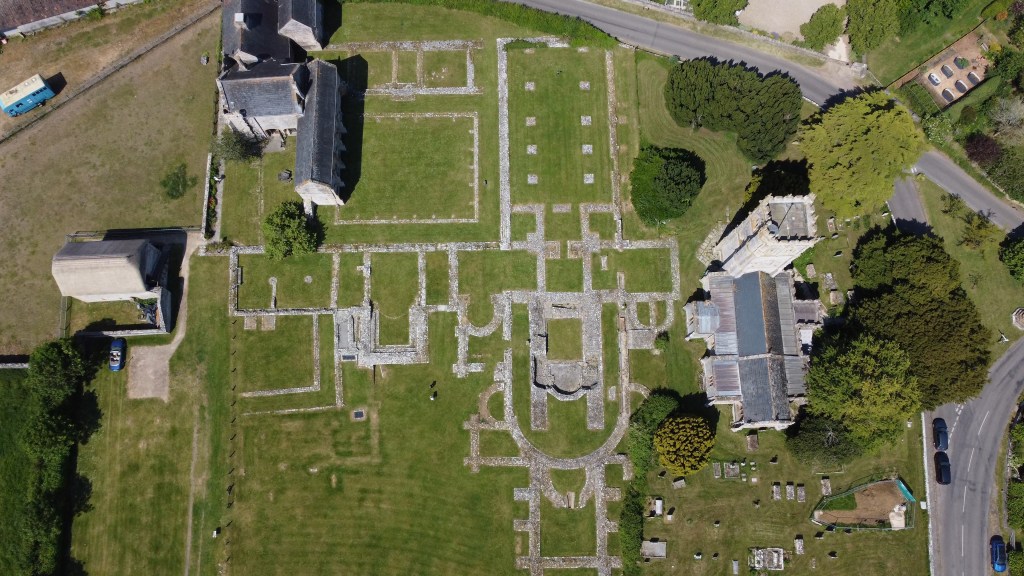
The tiny settlement of Muchelney in south-central Somerset is built on a slight hill, one of many ‘islands’ in the Somerset Levels, surrounded by flat farmland that is often partially flooded in the winter. This relatively remote place has a surprisingly long history, since a church is believed to have been built here as far back as the 7th century, It was temporarily abandoned in the 9th century but was re-founded by King Athelstan in 939, and for the next 600 years the strict Rule of St Benedict guided the monks’ lives.
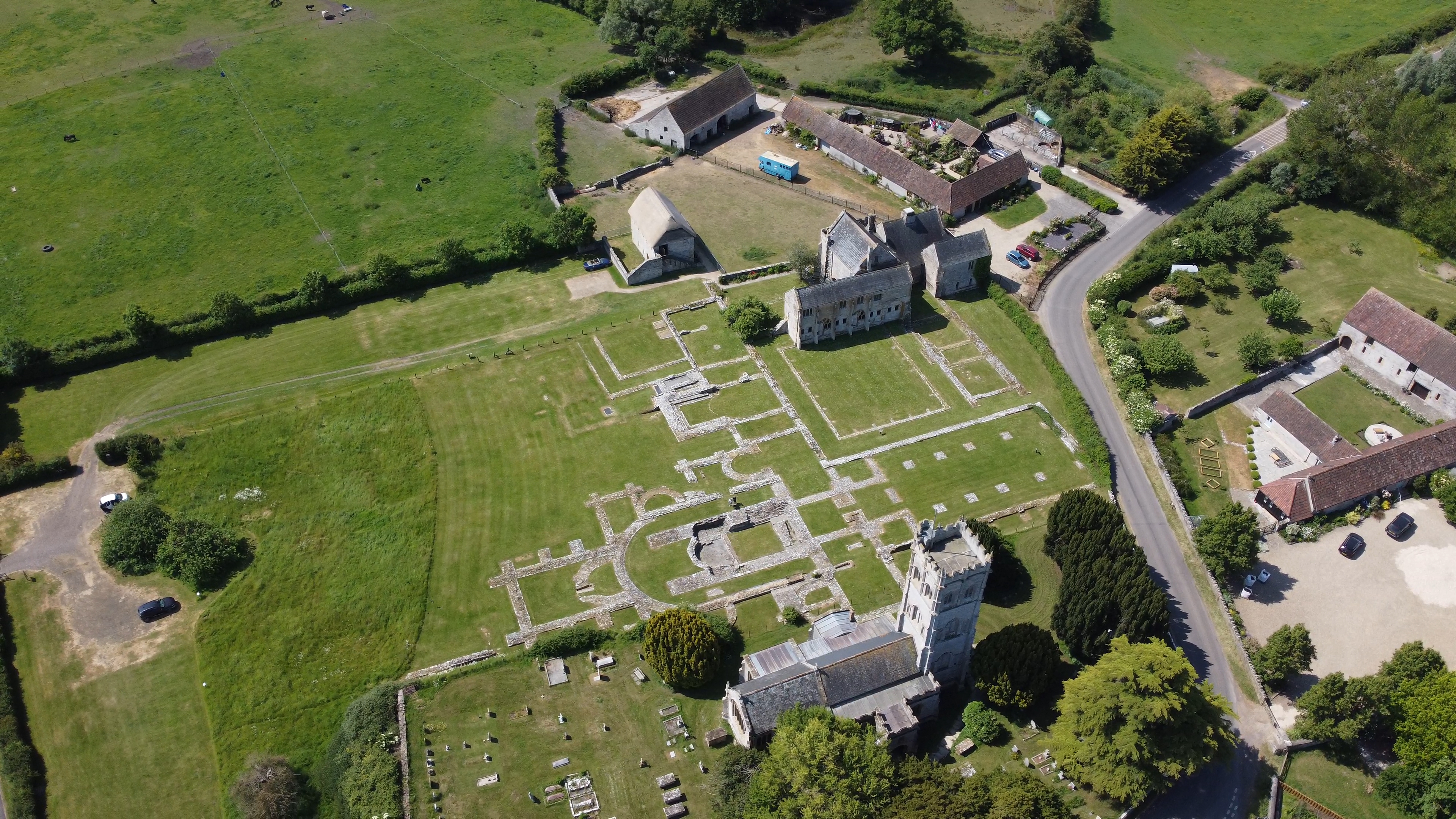
The abbey is around 14 miles south west of the famous Glastonbury Abbey. Back in the middle ages, the area was marshy and damp and prone to flooding, the site was known for being remote and inaccessible, but the buildings we take a wander around were once originally part of a much larger complex that formed an abbey precinct.
Entry inside the house is via an ante room, which now is home to the English Heritage kiosk and a small gift shop. It’s here you can speak with the friendly staff about your visit and listen to their knowledge and offering advice on the best way to visit the abbey. One of the doors leads to the south cloister walk which we head into now. The cloister walk was rebuilt in the late 15th century and it’s only surviving part is the walk we are able to see today.
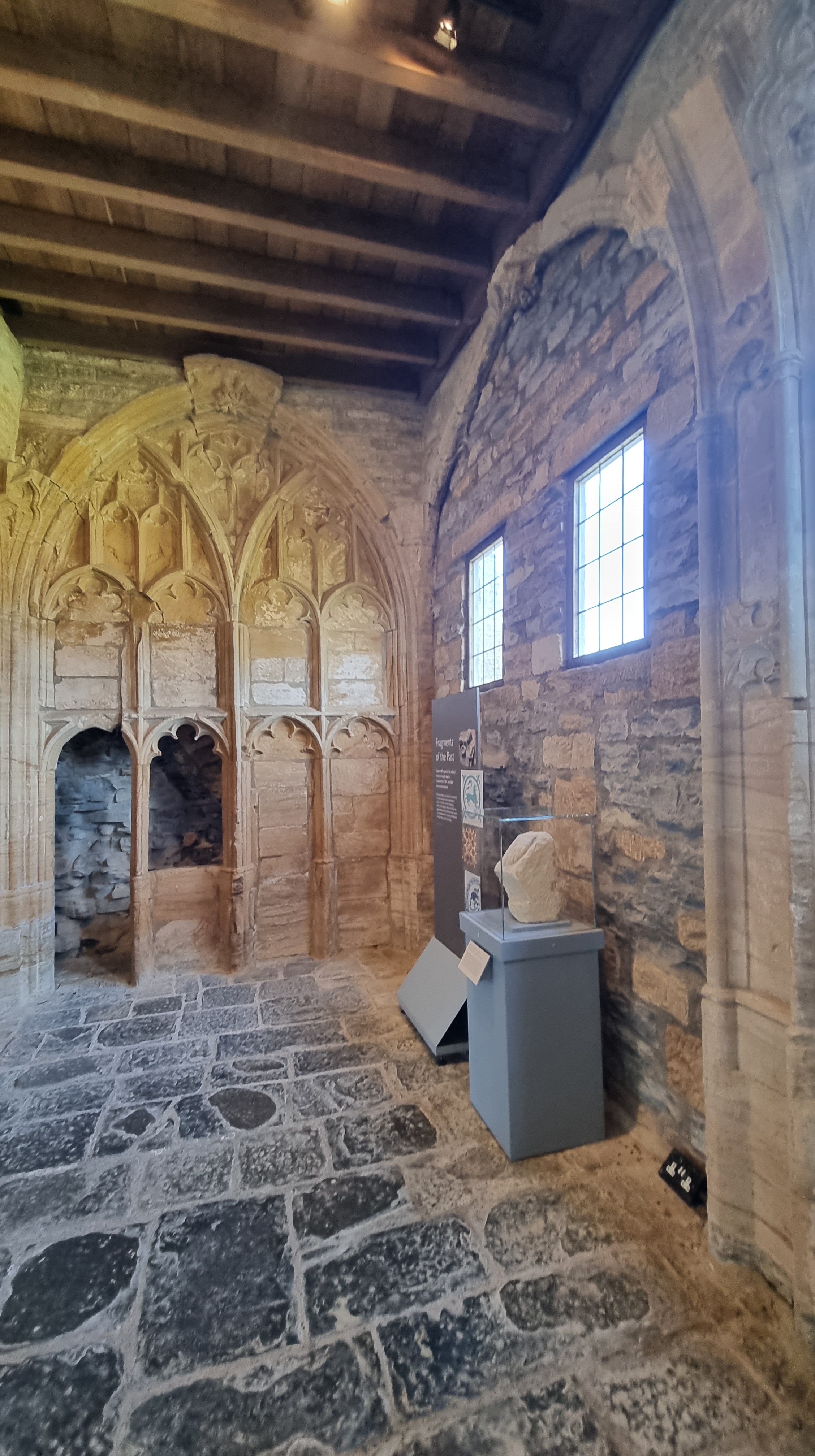
The beautiful tracery design is set into an alcove, it was built in the late 15th century and would have been used to store towels, the monks would have used the hand washing basin on the opposite side of the doorway and then used the towels in this alcove to dry their hands. It’s quite the interesting feat, and rare to still see surviving to it’s original features.
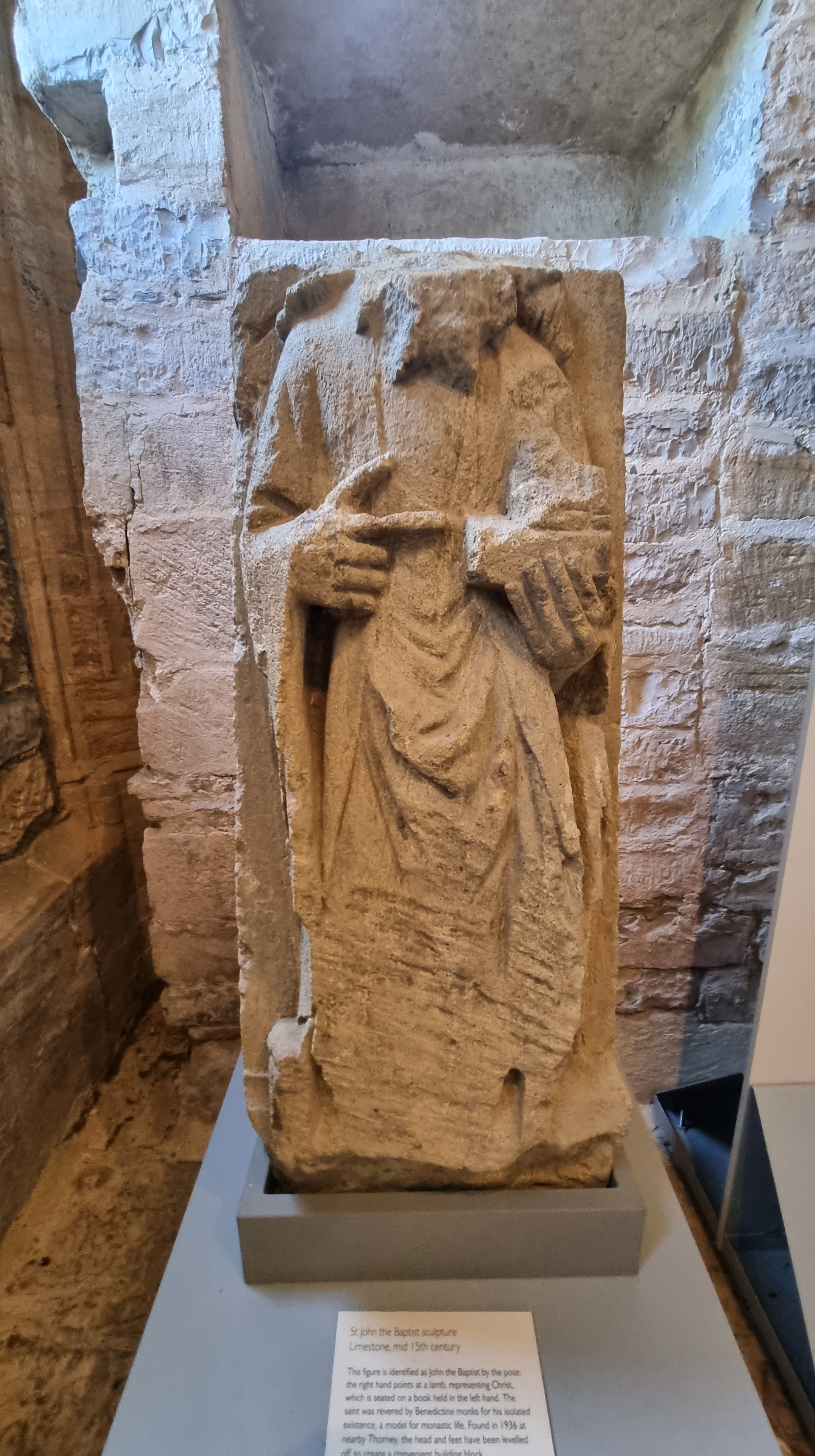
As we wander the room, we’re able to see a variety of sculptures and fragments of the incredible craftsmanship. One of the sculptures that caught my eye was of a monk carrying bread and ale. Even though this is a sculpture, it represented an agreement made with the vicar of Muchelney in 1308 and the monk. The vicar was to receive the weight of 60 shillings worth of bread and two gallons of the finest ale. Other notable items in this collection are 13th century tiles with a repeating geometric pattern across them with the Royal Lion of England and the arms of the earls of Warwick.

The estates of Muchelney Abbey included a number of fisheries, which are known to have produced around 6,000 eels a year. Some of the tiles feature a heron catching an eel, which shows the importance of the eel to the monks’ diet and the economic wellbeing of the abbey.
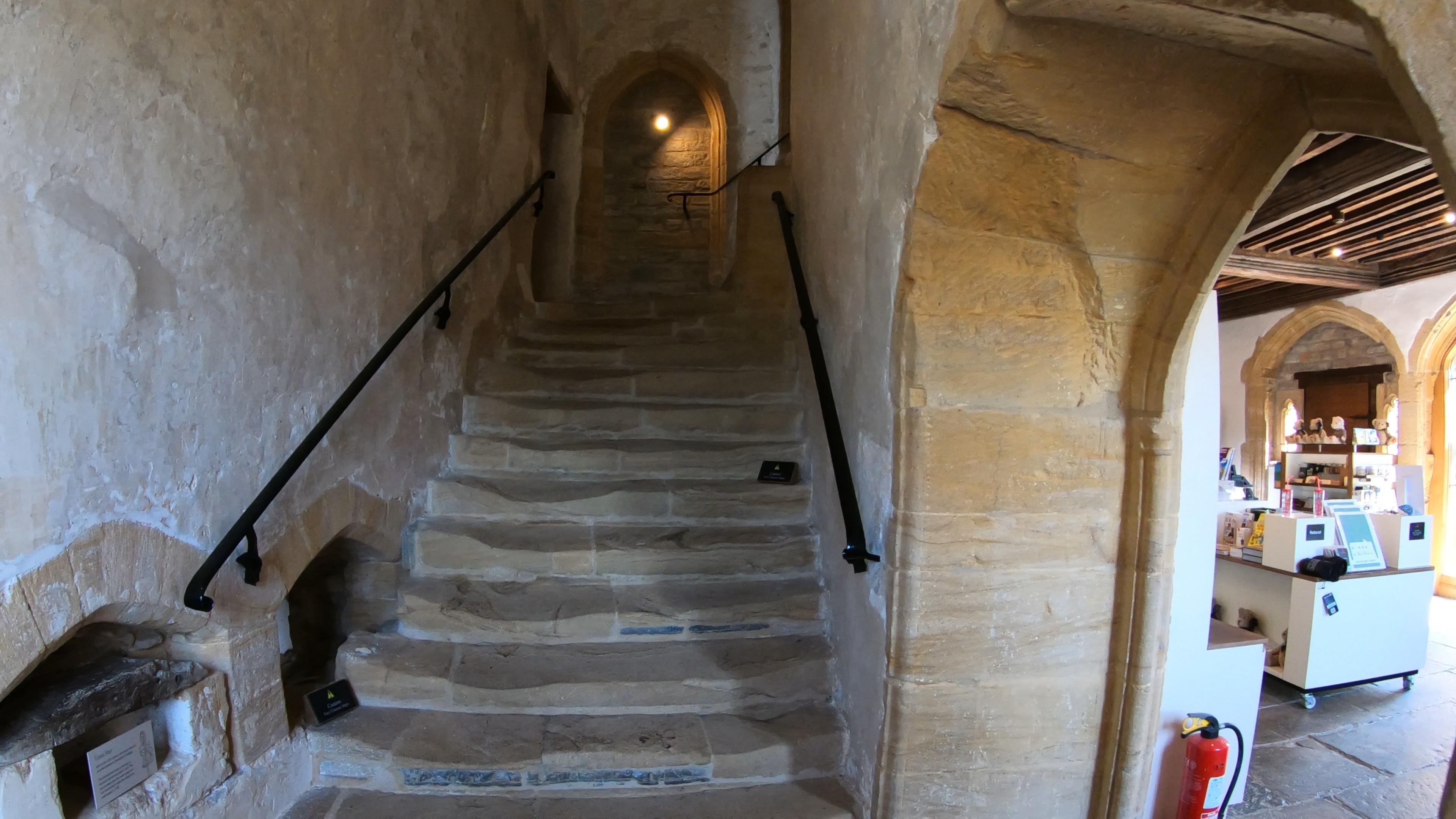
One of my favourite parts of this abbey was walking up the great stair that leads us right into the abbot’s chamber. The stone stairway was inserted in around the 1500’s into a space between the kitchen and refectory that had been a servery, the stairway terminates in a landing and the doorways to the north and west are blocked up by now modern masonry. The short flight of stairs takes us to an impressive doorway into a large and quite imposing room.
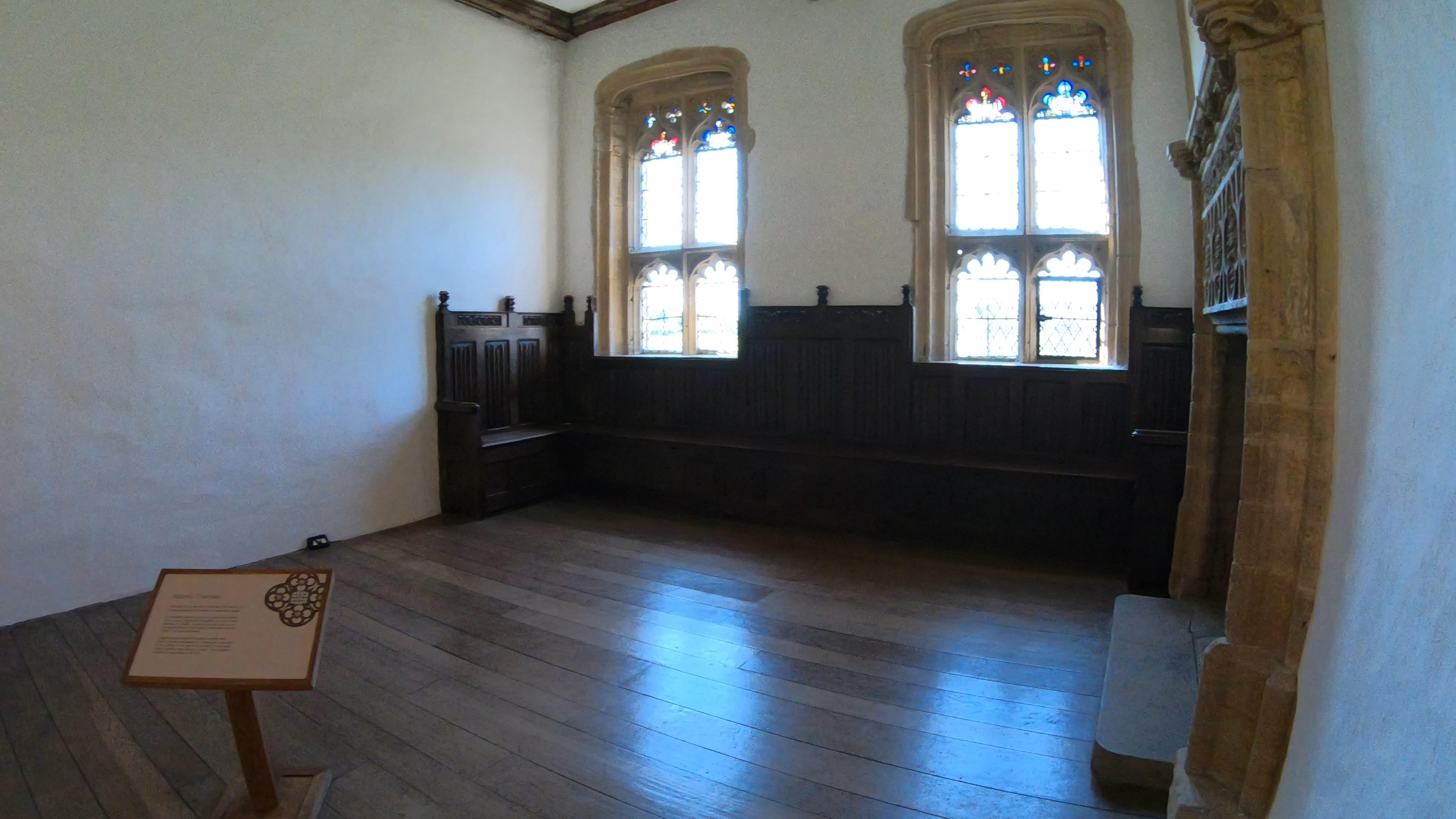
The room would have been for the abbot as his great chamber, a room where he would be able to receive important visitors. The scale and ornament of this particular room do really highlight and reflect the abbot’s social status here at Muchelney. It is home to one of the finest medieval fireplaces to survive anywhere in the UK, this beautiful masterpiece was built in the 1500’s with some later modifications. It is really intricately carved and decorated with depictions of foliage and fruit, above this are shafts topped by lions, the large square in-between the lions and the fireplace would have more than likely once been filled with a beautiful wall painting.
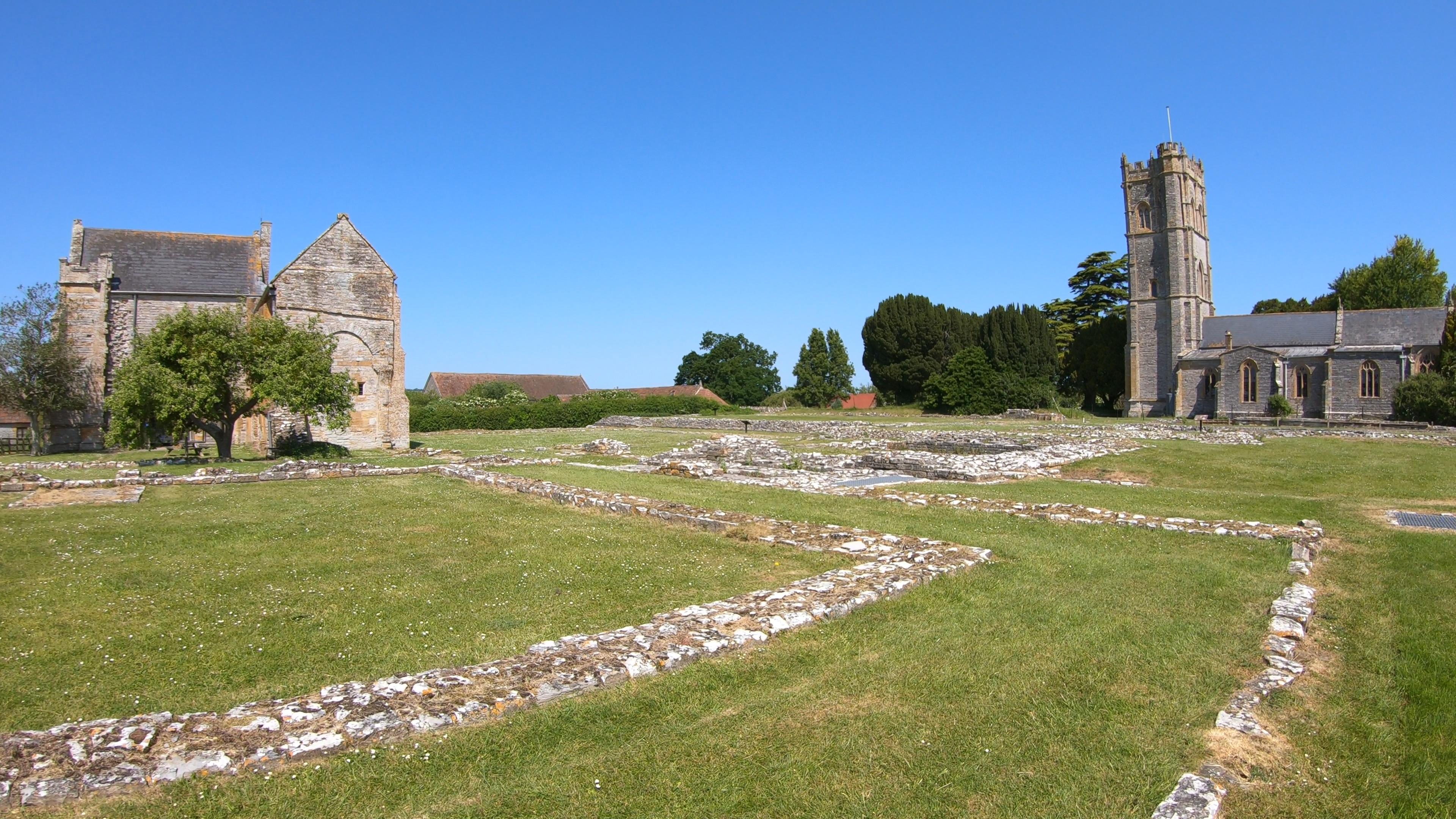
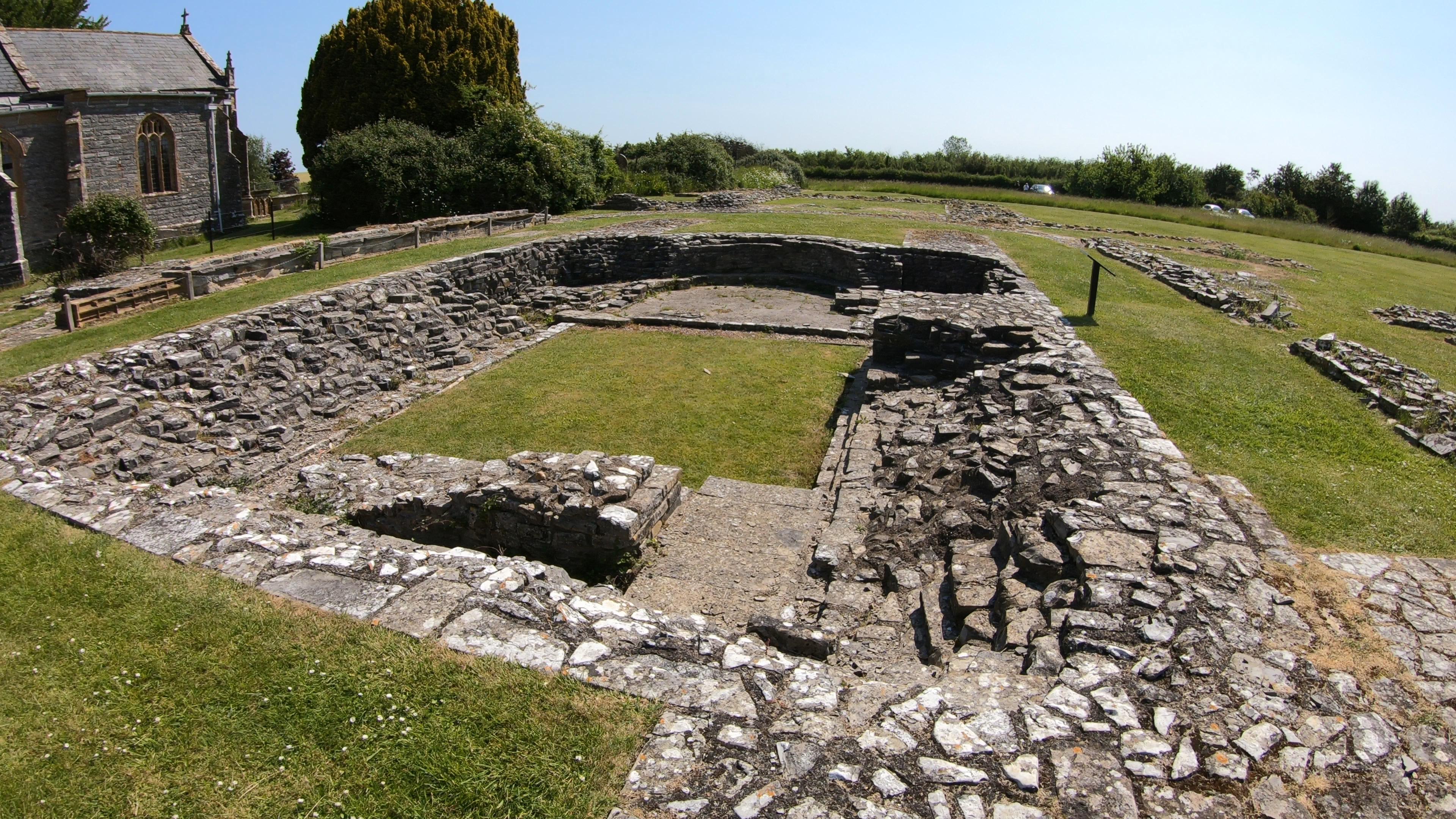
We then take our explore around the remains of the abbey church and it’s outer buildings. As always the most important and largest building was the church, it was here that the monks gathered each day to celebrate mass and to sing. From above you can easily make out the church and how it would have been formed, but as we walk around we spot a sunken area within the east end of the abbey church.
Muchelney Abbey, Somerset
This is the site of the first church that was built after the re-founding of the monastery in 939 by King Athelstan. The remains of this stone built minister were built well below the later floor level. A high quality stone sculpture dated from around the 10th century was found here at the site and showed that they abbey was being embellished in the late Anglo-Saxon period, other than the presence of this church nothing else is known about the rest of the monastery.
Muchelney Abbey, Somerset
A visit here is quite tranquil, you will find yourselves just walking and noticing so many different things that will keep you entertained throughout, it’s one of English heritages smaller sites but it is no way means it’s not worth your time, it’s very interesting and extremely picturesque in the Somerset area.
They have parking onsite and a visit to Glastonbury Abbey isn’t far from here or the vibrant town of Glastonbury too, both of these abbeys are standing evidence of the Henry VIII’s dissolution of the monasteries.
If you liked the blog please hit that like button, watch the full video below and consider subscribing if you haven’t already.
Till Next Time!
 Pinned on Places
Leave a comment