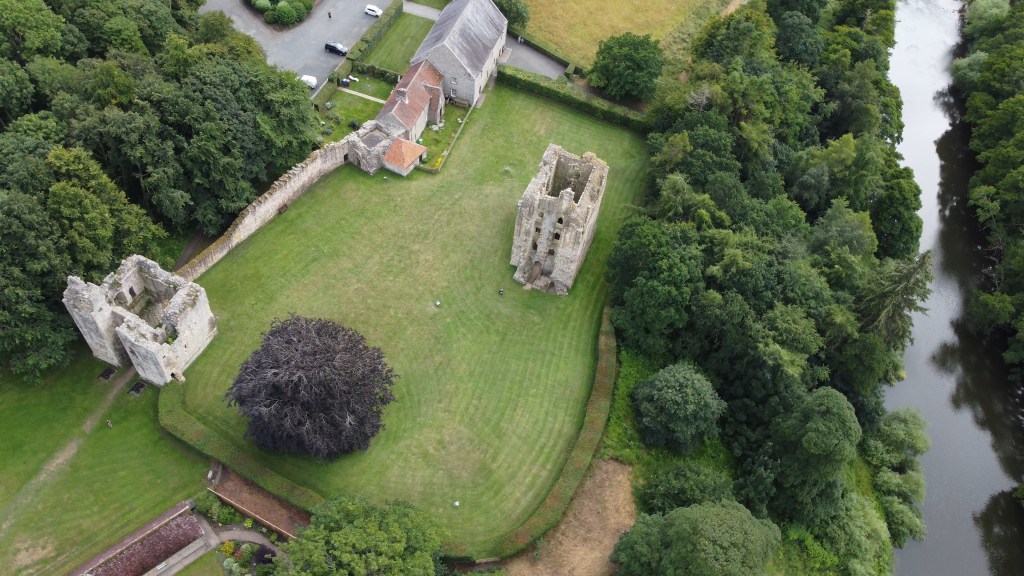
This ruinous stronghold is now a fine example of a small castle close to the border between England and Scotland. It lies in what was formerly a wild and dangerous region, where raiding and warfare were common during the middle Ages. Captured by the Scots in 1513 during James IV’s attempted invasion of England, but was recovered shortly afterwards following his defeat at the Battle of Flodden.
The castle lies in north Northumberland and it’s story begins in the decade after the 1100s, when the new Norman overlords of England began to exert their control in the North. So join us as we explore Etal Castle.
The manor of Etal lay within the barony of Wooler, created for Robert de Muschamp in 1107. The barony extended in a broad continuous block across Northumberland, from the Hills in the west to the North Sea in the east. By 1232 Etal was owned by Robert Manners. His descendants continued to be lords of Etal throughout the Middle Ages, before exchanging it for land elsewhere and leaving the Borders in 1547.
The Manners were typical of ruling border families. Important in regional affairs, they defended the border, launched raids across it, and negotiated peace when it was appropriate. Occasionally they were called to battle by the king, notably in 1346 when Sir Robert Manners took part in the Battle of Neville’s Cross, when a large invading Scottish army that had reached Durham was defeated.
The curtain wall was entered through a strong gatehouse and defended by a corner tower. It seems almost certain that the tower house was already fortified when Manners received his license from Edward III, and the permission to crenelate really meant that he could extend the existing fortifications within a stone curtain wall. The towers were important at the corners as they protected against undermining, which a technique was used by attackers to dig beneath the walls and try and bring them down.
They also had perks in that they allowed defenders to fire arrows on anybody approaching the walls. It’s not known if a tower existed in the north east corner here at Etal and the smallest of the corner towers was at the south west which may have contained timber buildings used for extra accommodation.
The wall is intriguing; it was never more than 1 metre thick, which seems rather inadequate for its intended purpose. It was intended to deter raiding parties, but would have not been thick or strong enough to resist gunfire as it would have crumbled to ruin if hit by these means.
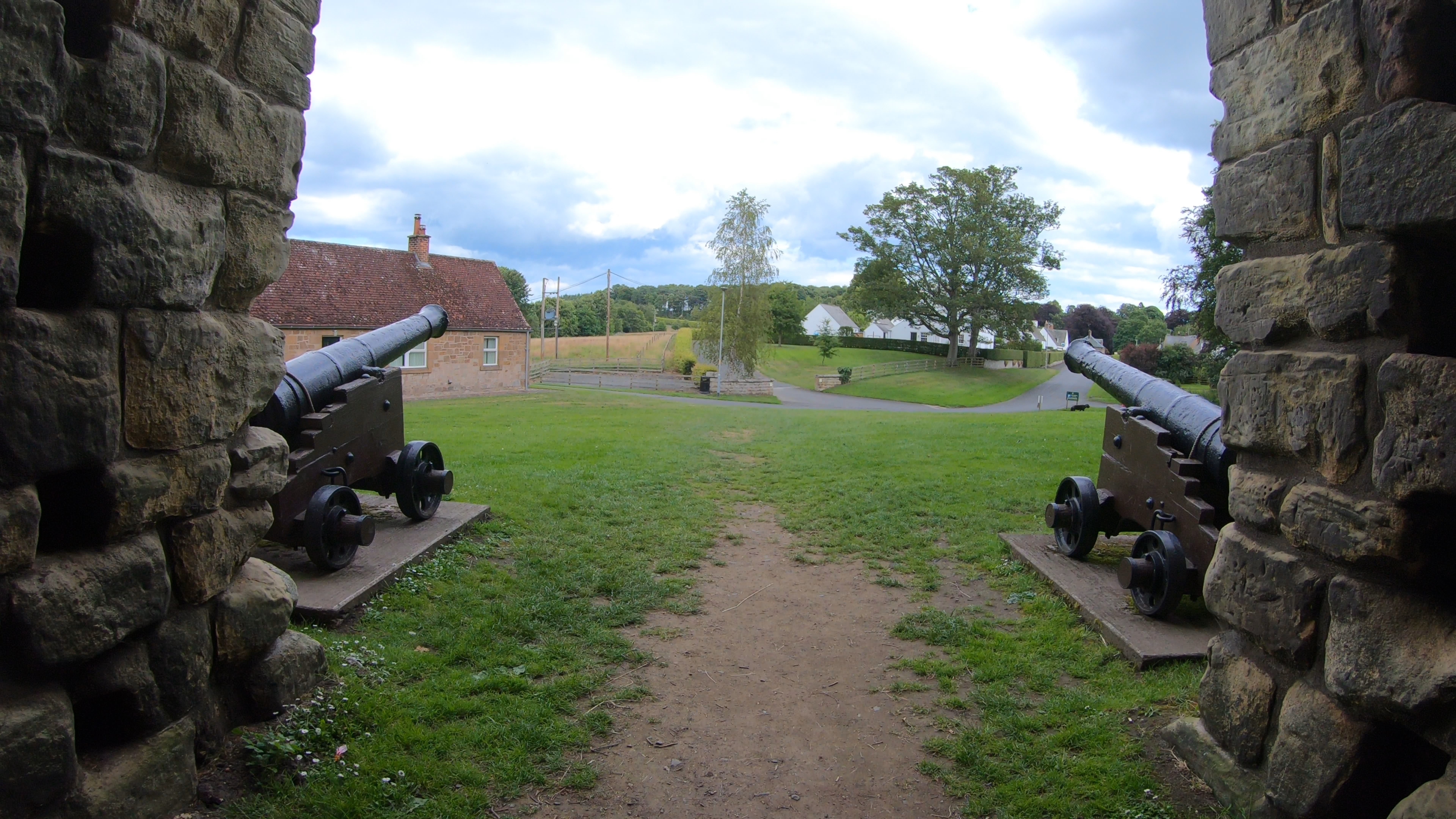
But by contrast, the gatehouse is a statement of power; it stands two storeys, with a central vaulted passage. Twin towers flank the opening at the front and extend beyond the entrance to offer protective crossfire and adding to the strength that it had three floors. The gatehouse more than likely had a drawbridge and some kind of pit in the front of it, just above the main gate was a gallery that allowed defenders to fire down on any approaching enemies.
The courtyard, now completely gone was once the hustle and bustle of the castle and contained a variety of buildings that would have enabled the castle to run smoothly and efficiently. The inhabitants of the castle would have required kitchens, a brewery and stables just to mention a few of the important day to day requirements. The lord and his family would have employed many servants and craftsman to be able to see to their every need. Large halls for entertaining and storage of food would have also been around the courtyard and some of the buildings would have been free standing, whilst some others were built against the curtain walls. The courtyard was also a place of refuge for the local population in times of conflict.
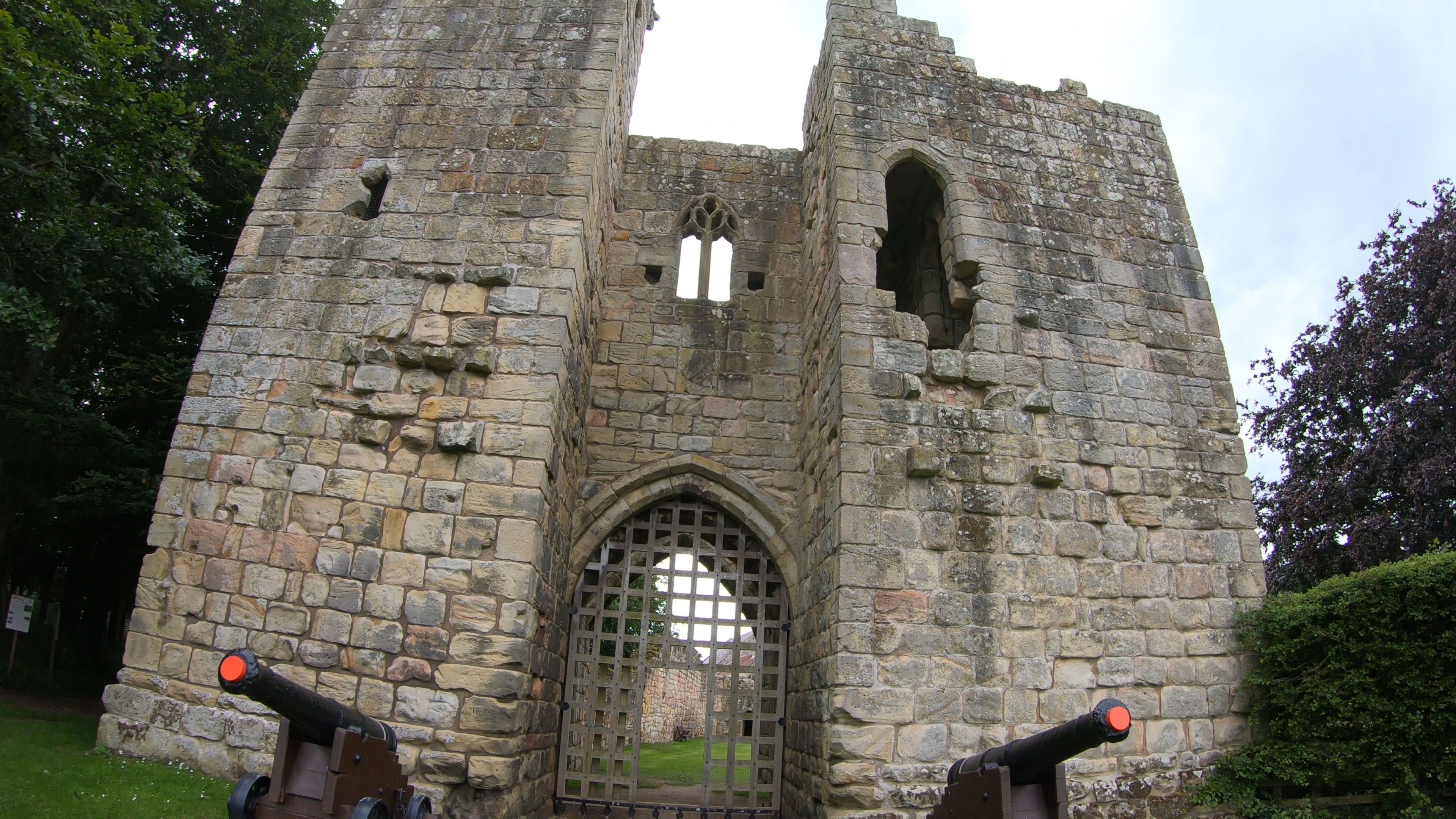
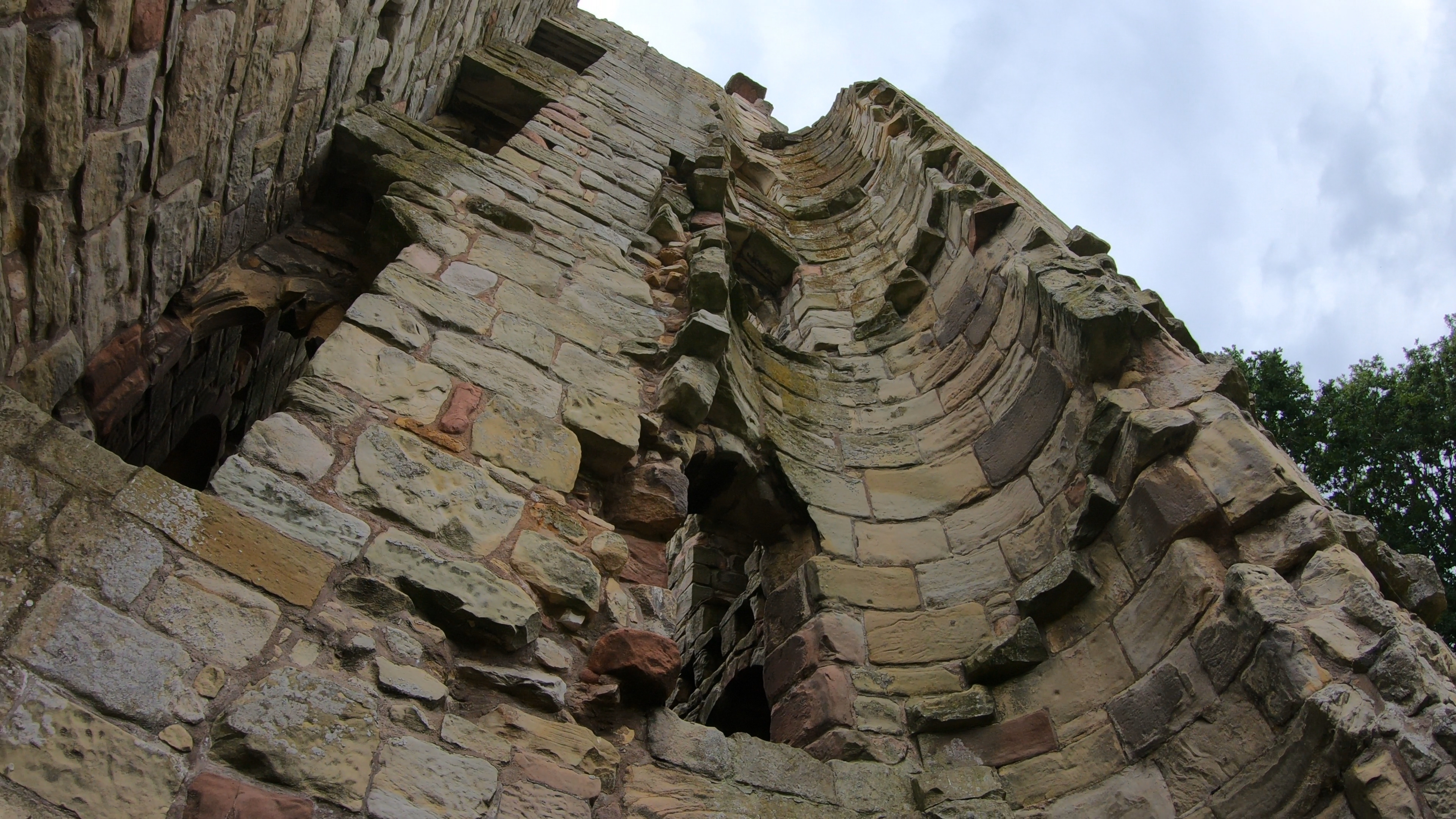
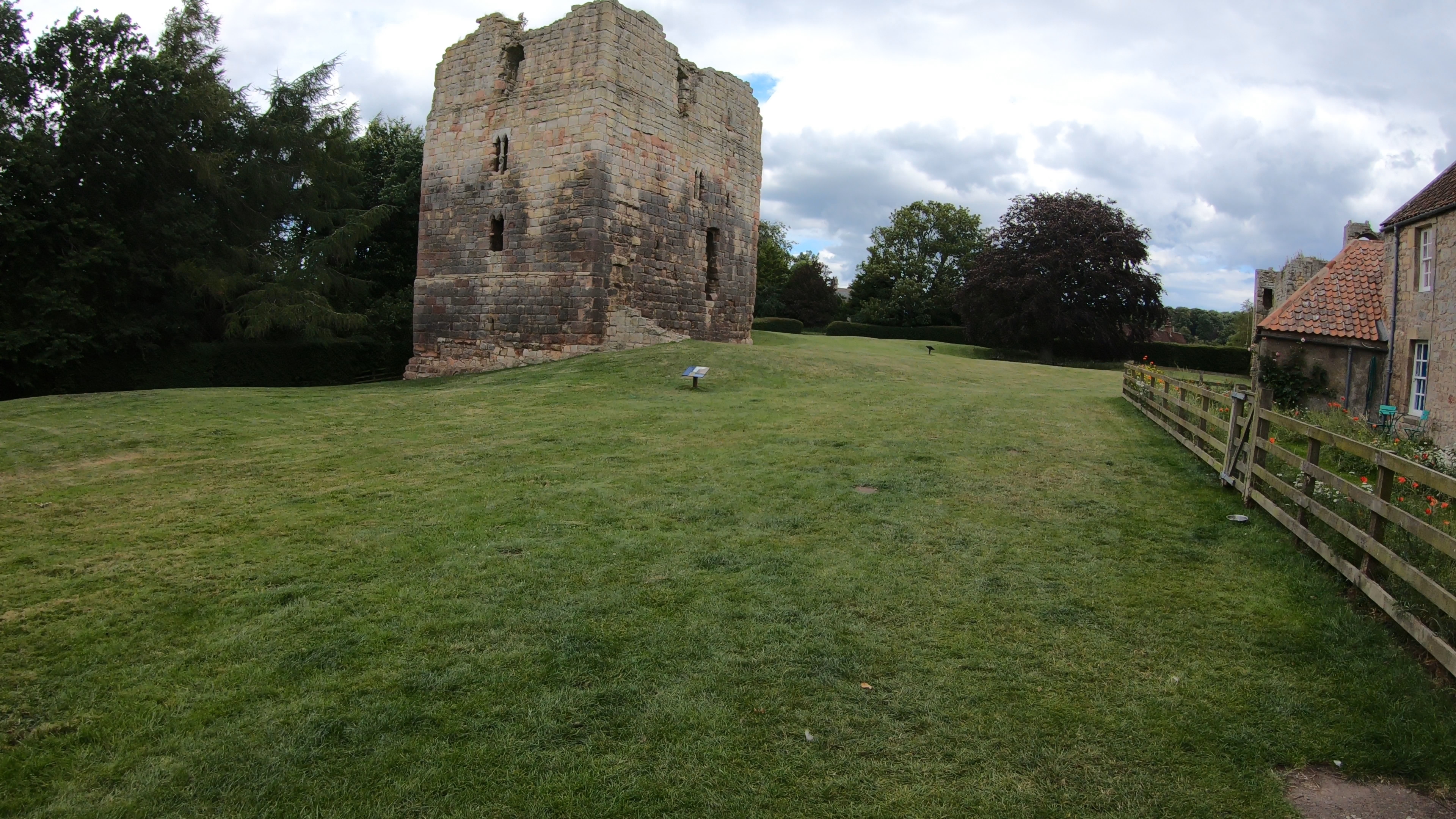
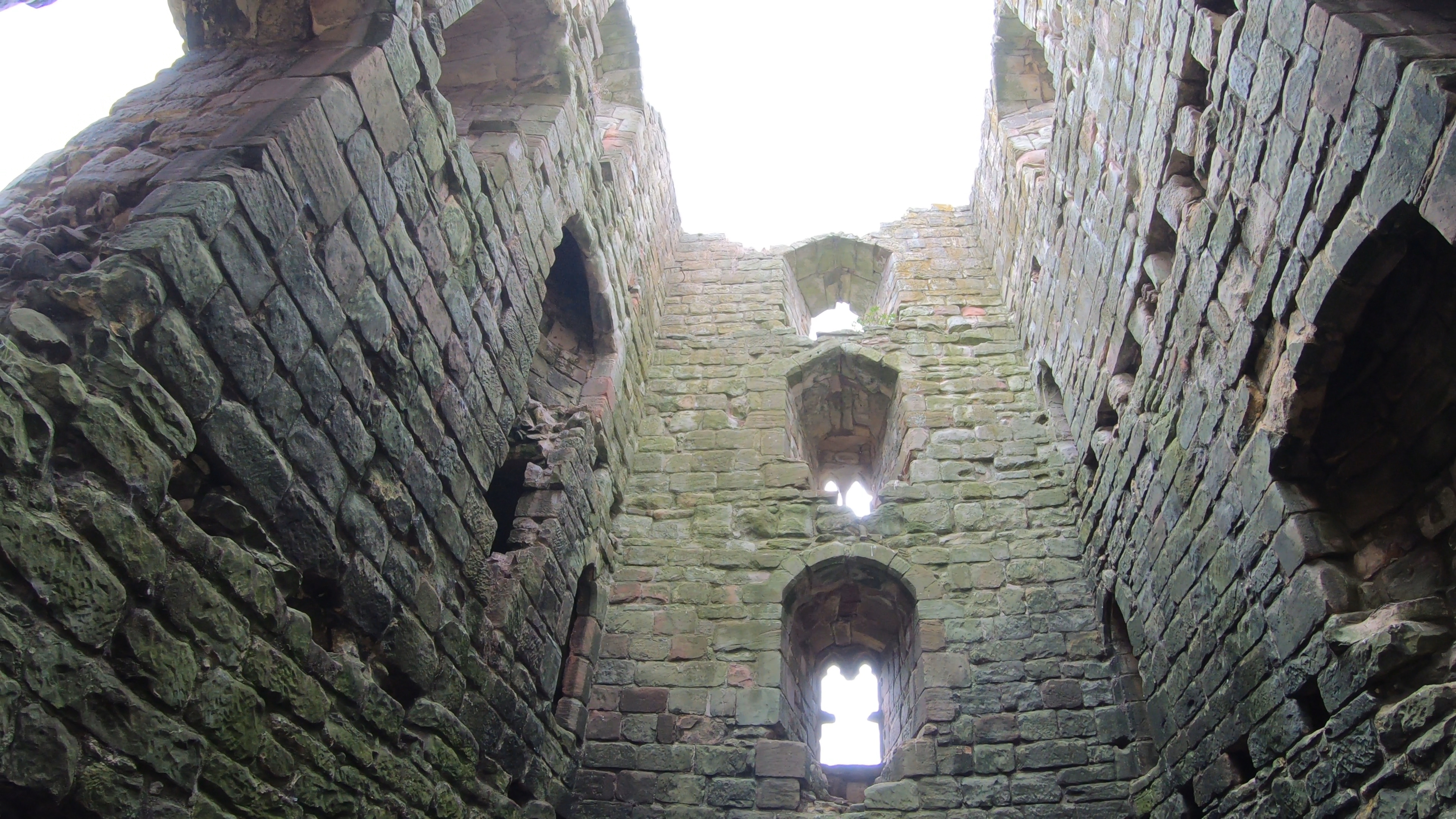
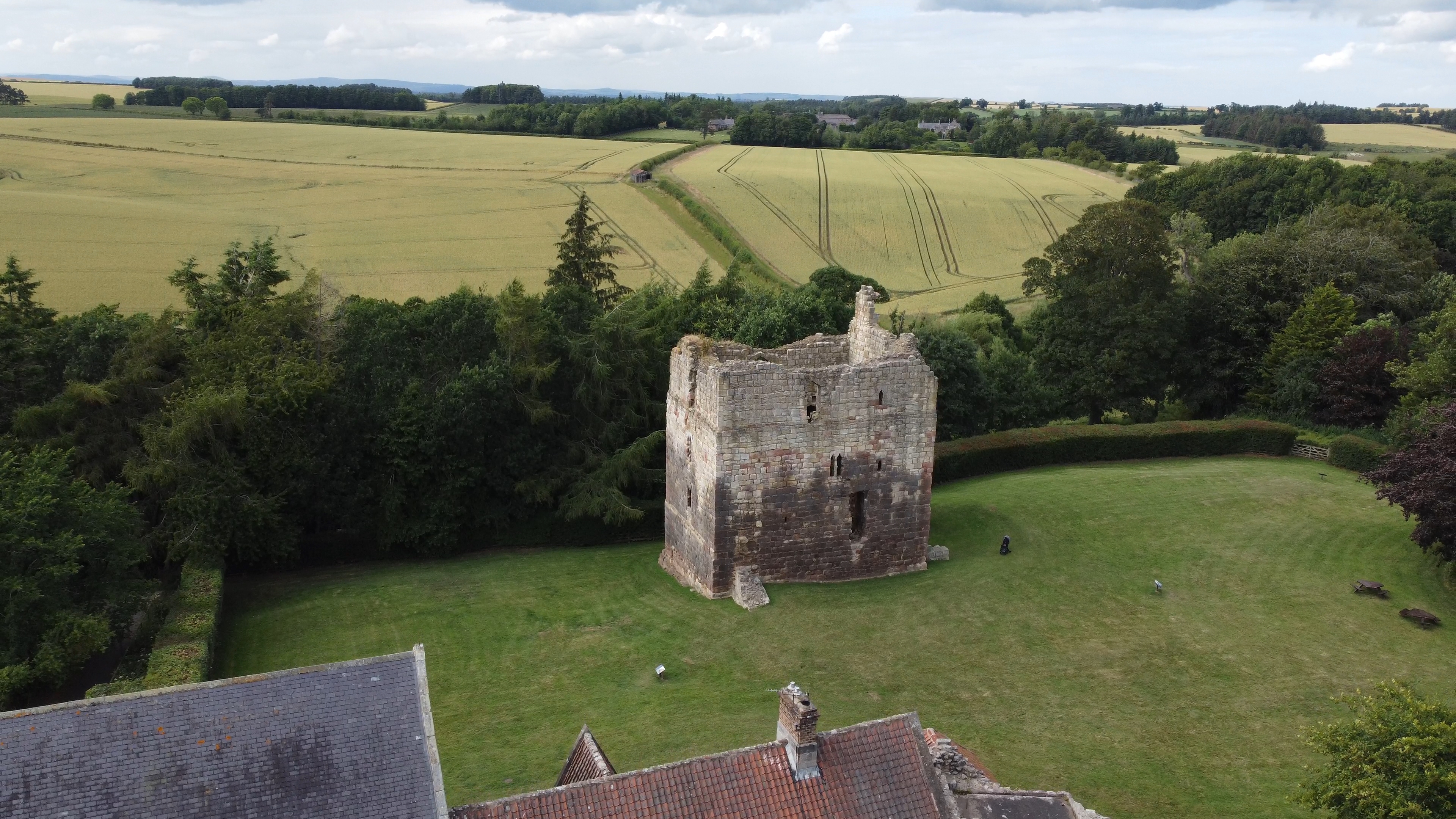
If the gatehouse is still impressive, the corner tower isn’t, it has collapsed and only the ground floor remains intact, with a rib-vaulted chamber supporting a wooden loft. Apart from the gatehouse, the best-preserved part of Etal is the tower house, which stands to four storeys. Entry was through a forebuilding at ground level. The tower had rooms for storage, a kitchen with a large fireplace, a hall, and a private solar for the lord of Etal or his constable. The four-storey tower house, a strong building, contained the living accommodation of the lord’s family.
Each floor was connected by a spiral staircase contained in a forebuilding, of which only the foundation survives. Its entrance had a portcullis. The ground floor contained a stout storeroom; the first floor was the hall where meals were eaten and business conducted; the second floor housed a private suite for the Manners family; and the third floor was possibly for the castle soldiers. Another entrance, added at first-floor level, had an external wooden stair to allow easier access to the hall.
Despite the castle’s location on the border, the Manners of Etal seem to have been more concerned about feuding with their neighbours, the Heron family of Ford Castle, rather than the threat posed by raiding Scots. The feuding culminated in a siege of Etal in 1428. In 1513 James IV of Scotland captured Etal during his ultimately unsuccessful attempt to invade the north of England. Shortly afterwards James met a crushing defeat at the Battle of Flodden, which took place only 2 miles to the south-west. And in 1513, King Henry VIII of England had invaded France earlier, and the Scottish felt obliged to invade England under the terms of the Auld Alliance, their mutual defence treaty with France.
The Scots succeeded in capturing a number of English castles near the border, including Etal, before being confronted by a smaller English army under the Earl of Surrey. The outcome was a catastrophe for Scotland, and a victory for England. The Scots lost up to 10,000 dead out of an army of some 25,000. The Scottish dead included King James IV himself, plus an archbishop, two bishops, 11 earls, 15 lords and 300 knights: in effect a whole generation of the Scottish nobility merely swept away.
The English lost just 1,700 dead out of an army of around 20,000. What made matters worse for the Scots was that the army that had beaten them was, in effect, the English “B” Team, hastily gathered while the main army was away in France. It is debatable that the outcome of Flodden fixed the course for future relations between England and Scotland.
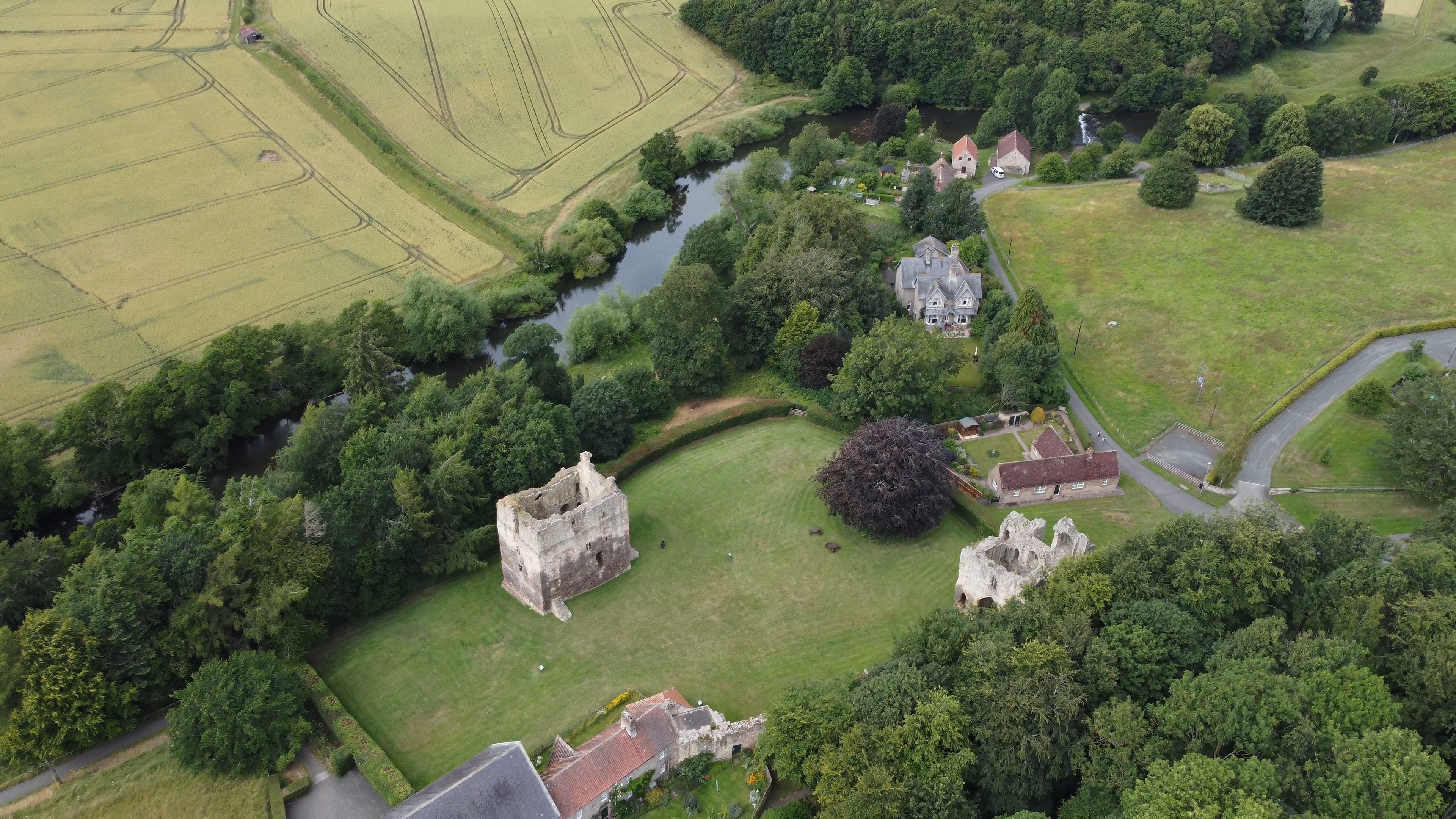
So we hope you’ve enjoyed our wander around Etal castle, your journey may not take up all day when visiting here, there is a light railway that goes between Heatherslaw and Etal that looks quite the experience, but in this particular area you are surrounded with beautiful historical villages and plenty of castles that will definitely make a great day out in a short radius, after all Northumberland is intriguing part of the UK that offers dramatic landscapes and magnificent castles.
If you liked the blog please hit that like button, watch the full video below and consider subscribing if you haven’t already.
Till Next Time!


Leave a Reply