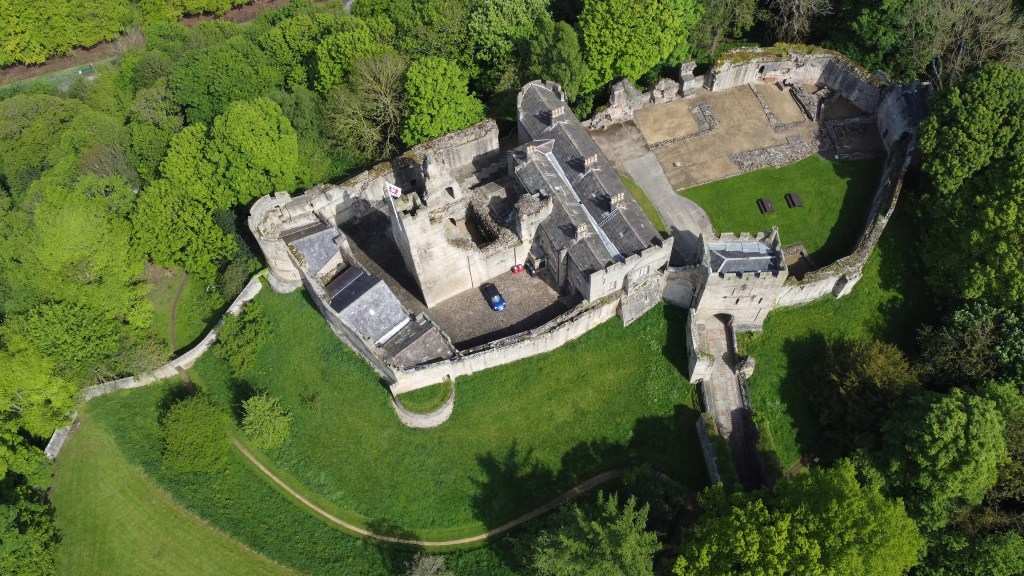
Northumberland, a county steeped in rich history and breath-taking landscapes, is home to some of England’s most captivating landmarks and one such gem is Prudhoe Castle, a medieval fortress nestled in the heart of the Northumberland countryside.
With its dramatic architecture, intriguing past, and stunning surroundings, Prudhoe Castle stands as a testament to the region’s fascinating heritage. Prudhoe Castle’s history can be traced back almost a thousand years.
Built around the 12th century, the castle was strategically positioned atop a hill overlooking the River Tyne. Originally constructed as a motte-and-bailey castle, it underwent several expansions and alterations throughout the centuries, ultimately transforming into the grand structure we see today. Prudhoe was home to several noble families, including the Umfraville’s and the Percy’s, who both played a significant role in the defense of Northumberland during turbulent times.
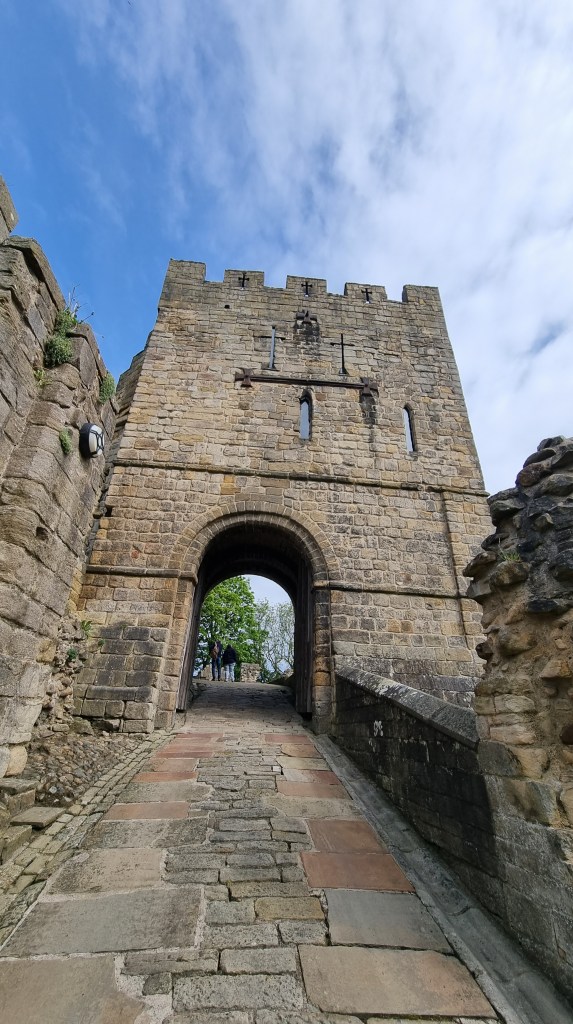
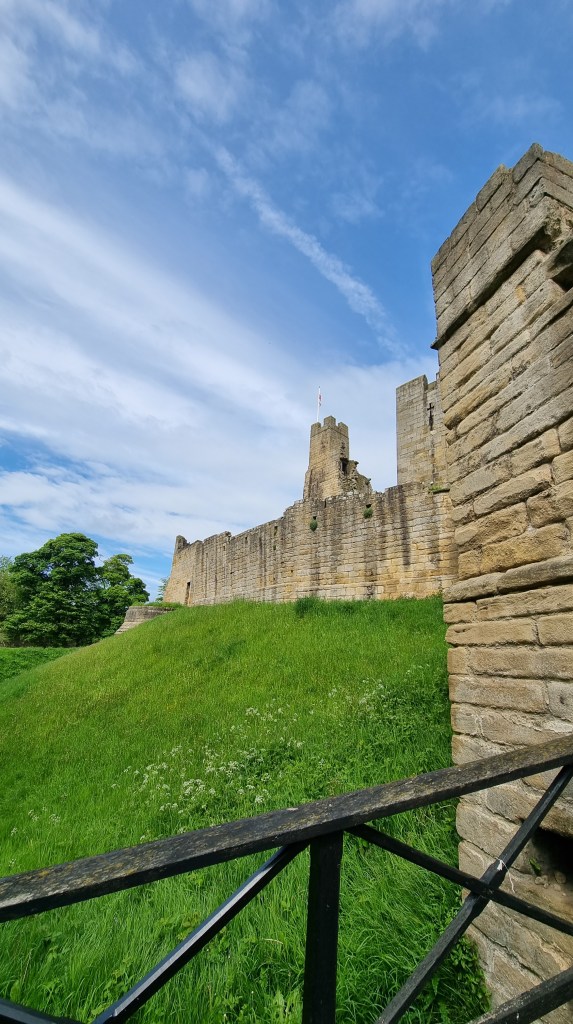
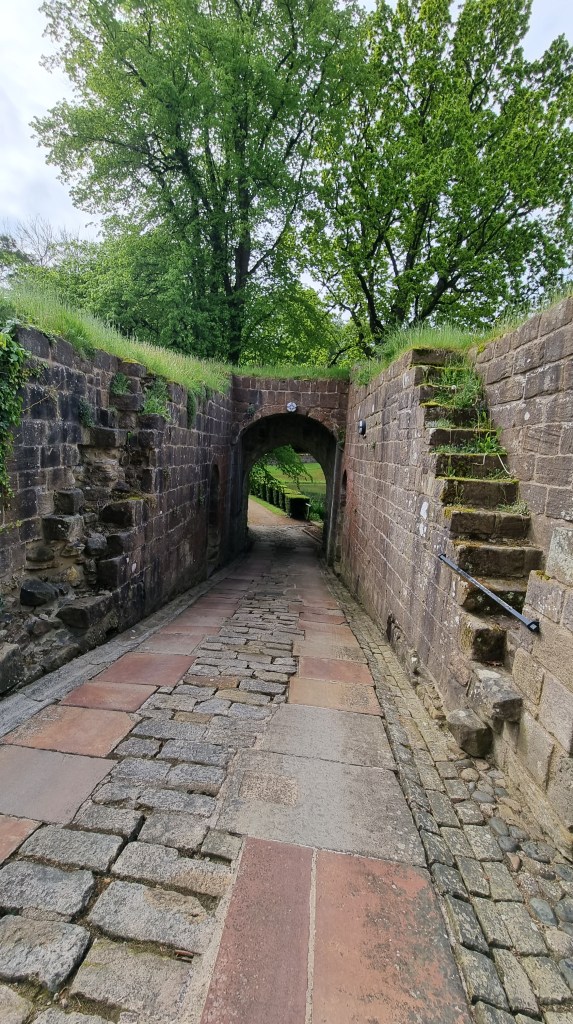
The castle is heavily screened by trees and from the signposted parking area you can see parts of the castle through the trees to the north, beyond a large pond beside the approach road. Following this road brings you to the free-standing barbican, that was intended to help fortify the castle’s main entrance. Beyond this is a causeway which was originally a drawbridge set over a deep dry moat, leading to the castle gatehouse.
The gatehouse that dominates the entrance to the Castle dates back to around 1150 and anyone wanting to gain access to the castle had to make their way through a rising arched passage that afforded defenders plenty of opportunity to make life uncomfortable for those unwanted visitors.
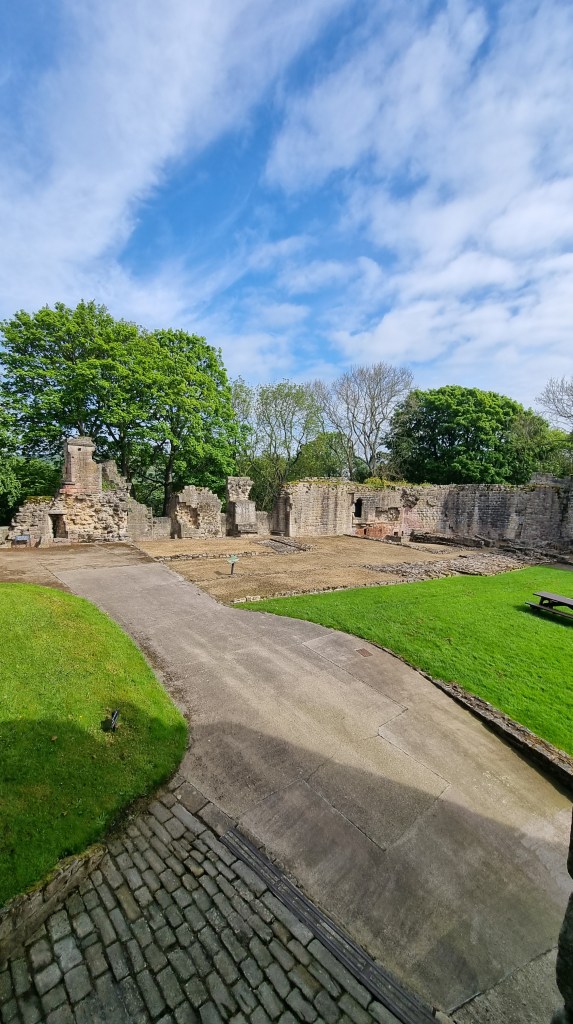
At the far end of the gatehouse passage you emerge in the the castle’s outer bailey a unclearly semi-oval shape. The first port of call on entering the castle would be the English Heritage reception and shop. This is found in the far end of the house to your left, which was built between 1810 and 1818 and effectively cuts the castle in half, occupying the site of the original range which separated the outer bailey from the inner bailey to the west.
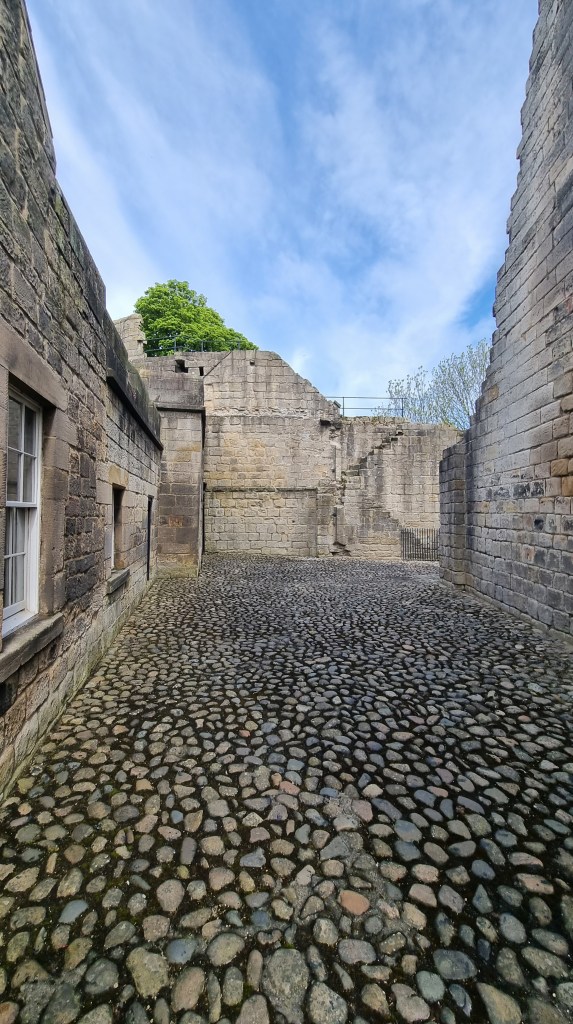
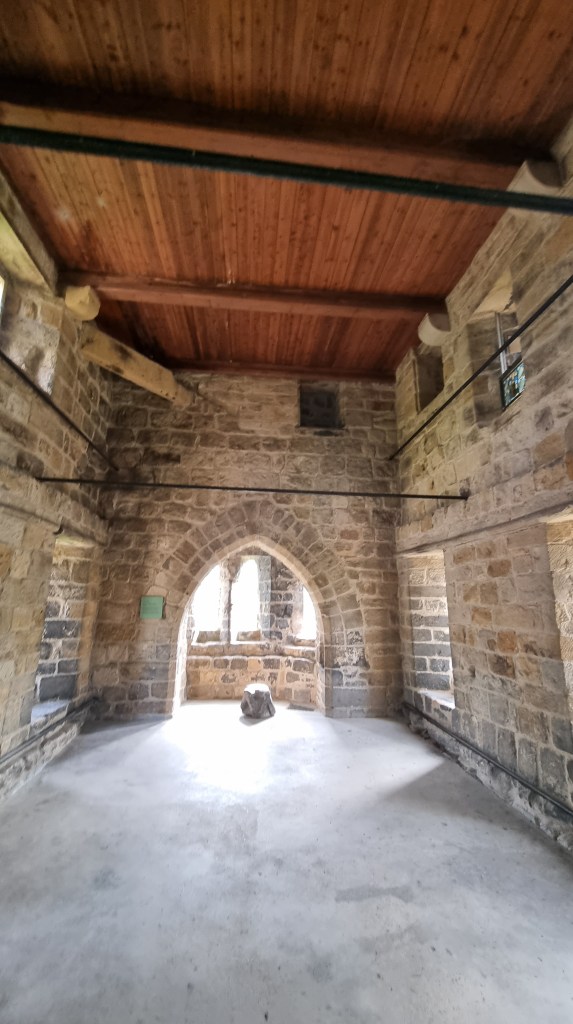
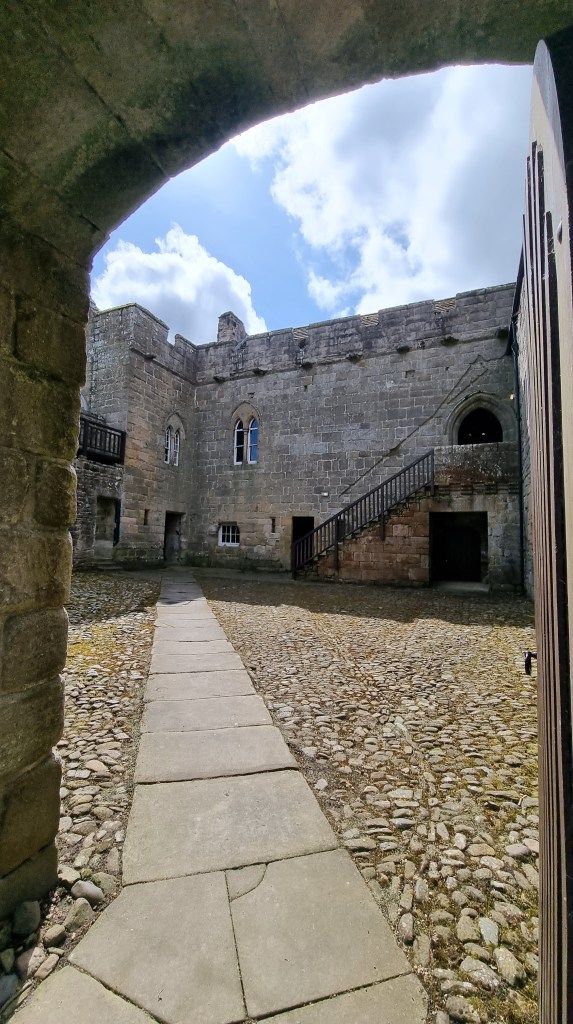
The castle had fallen into ruin by the 1700s, but its fortunes were reversed by Hugh Percy, the 2nd Duke of Northumberland, who oversaw a complete renovation in the early 1800s and arranged for the building of the house you see today for his estate manager at Prudhoe. The estate’s role steadily moved from managing farmland to looking after the mineral rights in what was fast becoming an important mining area. After the Second World War the house was divided into four flats. It was passed into state care in 1966 and is now looked after by English Heritage.
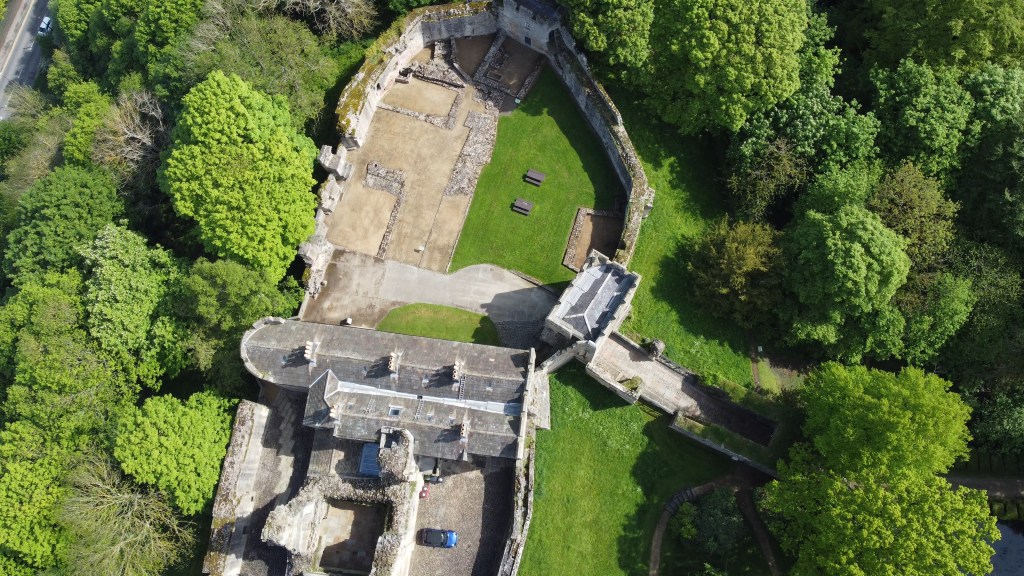
It’s worth walking and exploring the exterior of the castle, in our opinion, the best views of the outside of the castle are from the path leading off to the left and following the outside of the moat. This gives glimpses of the tops of the internal structure beyond the walls and all the features that make Prudhoe so unique and picturesque.
The Castle is not just simply a stone structure; it holds countless stories within its walls. Imagine the bustling activity that once filled the Great Hall, with feasts, celebrations, and political discussions taking place amongst the nobility. The castle’s intriguing legends, such as the ghostly tales of the grey lady who is said to roam the castle grounds and wander the empty corridors of the castle, this legend of the lady lives on through the town as one of the streets is named after her too.
Other sightings are of mystical white horses that gallop around the inner court before vanishing into the air. And the chanting from the monks in the castles lonely chapel. It’s definitely intriguing to read about with all the layers of mystery to its already enchanting ambiance which makes it more believable.
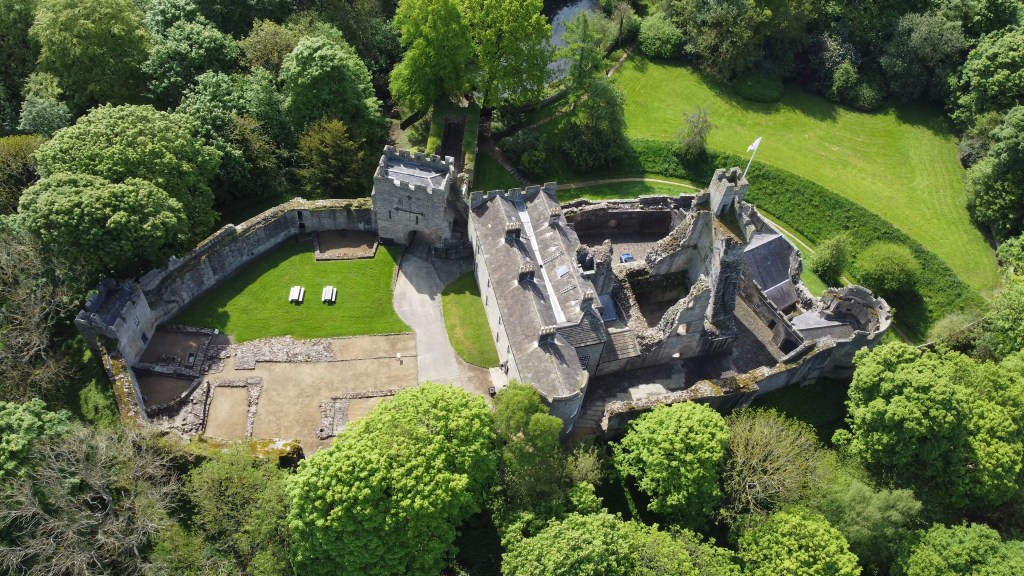
The architecture of Prudhoe Castle is a captivating blend of different time periods and I think that’s really what sets the castle apart from others. The medieval keep, with its formidable stone walls, towers, and arrow slits, dominates the castle’s landscape. The keep is a testament to the castle’s defensive purpose, which also provides panoramic views of the surrounding area.
As you explore the castle’s grounds, you’ll discover the remnants of the Great Hall, the Constable’s Tower, and the gatehouse. These structures offer glimpses into the castle’s magnificence and the lives of the people who once inhabited it.
If you liked the blog please hit that like button, watch the full video below and consider subscribing if you haven’t already.
Till Next Time!


Leave a Reply