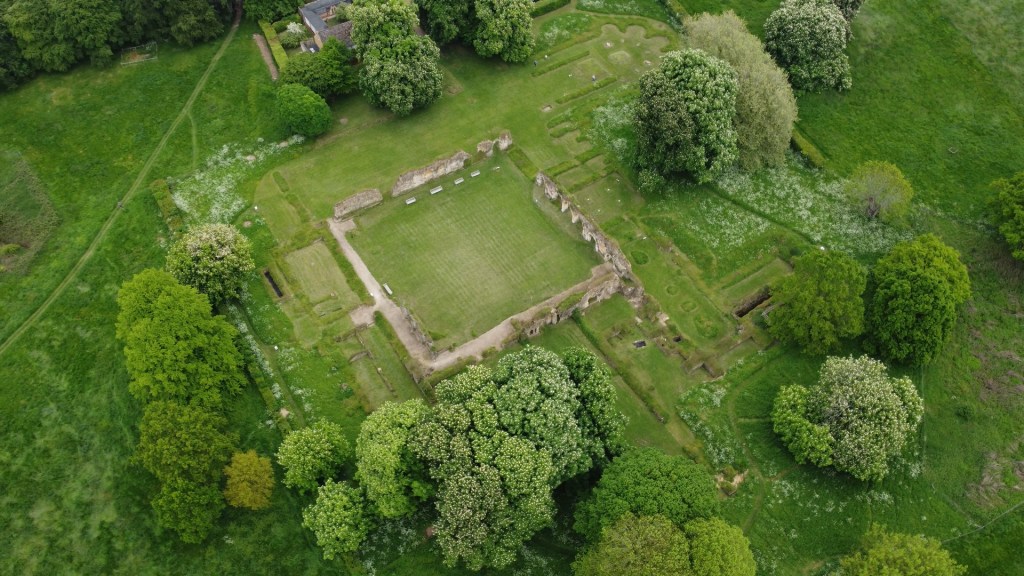
Founded by Richard the Earl of Cornwall, this former Cistercian abbey nestles in the gorgeous countryside of Gloucestershire in England. These tranquil ruins are now the perfect place to relax and enjoy a picnic in a unique historic setting and we uncover stories of the monks who lived and worshipped at the abbey for nearly three centuries. Richard of Cornwall founded the abbey 1246, he was the son of King John and brother to Henry III.
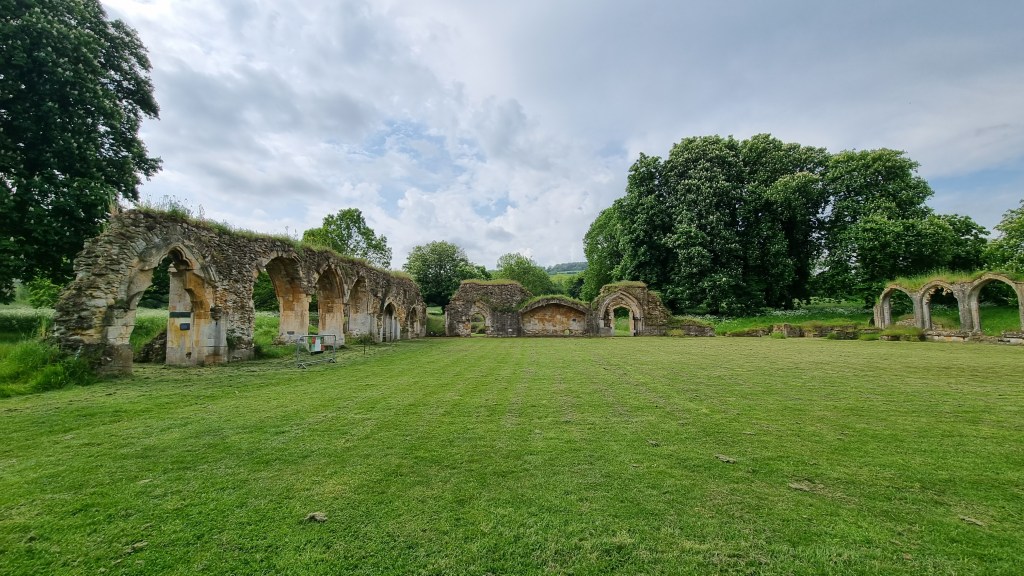
Legend of how Haile’s abbey came under his possession is that It seemed that Richard was once tormented by a terrible storm during a voyage at sea. In desperation, he swore a vow to found a religious house if he ever survived. He remarkably did survive the incident and kept to his vow. He was granted the manor of Haile’s by Henry, and there established an abbey with the help of Cistercian monks from the abbey of Beaulieu in Hampshire.
Remarkably, the work of building the abbey was completed in only 5 years, and in 1251, Henry III, Queen Eleanor of Provence, and 13 bishops attended the blessing ceremony. In Around 1270 the abbey acquired a vial said to contain the blood of Christ. Possession of such a potent religious relic was just what the abbey needed to ensure its financial health. A special extension to the east end of the abbey church was built, and there the vial was kept in a special shrine. With the phial in its possession, Hailes became one of the most popular destinations in England for religious pilgrims. But After the Dissolution of the Monasteries destroyed the Abbey in 1539, the “blood” was announced to be a mixture of saffron and honey.
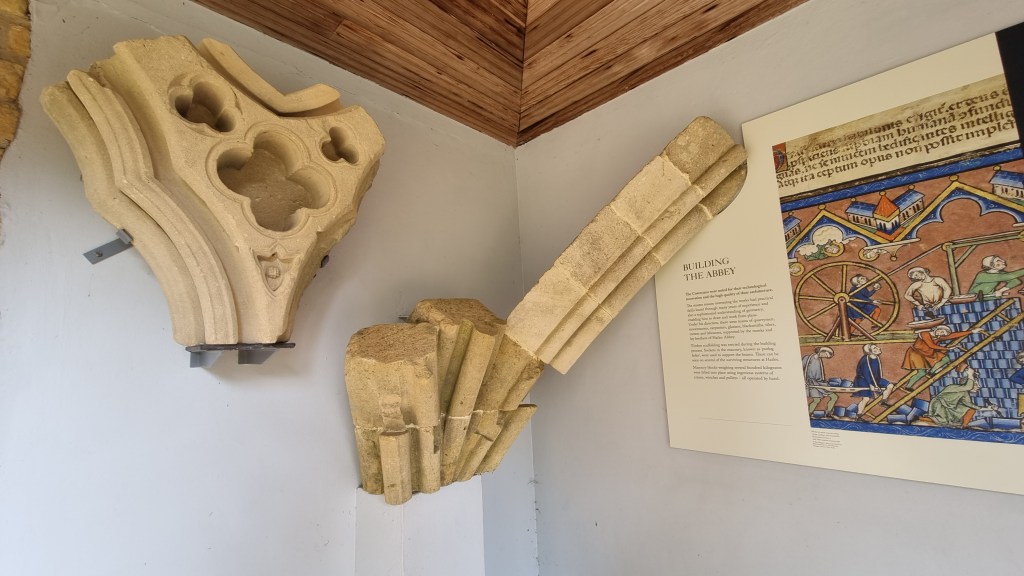

Relics played an important role in medieval belief and worship. They provided physical, tangible reminders of the saints and assisted people in their devotions. Relics were also believed to offer physical protection and many had miracles attributed to them. The most prized relics of all were those associated with Christ’s suffering during the Passion, including the blood He shed on the Cross.
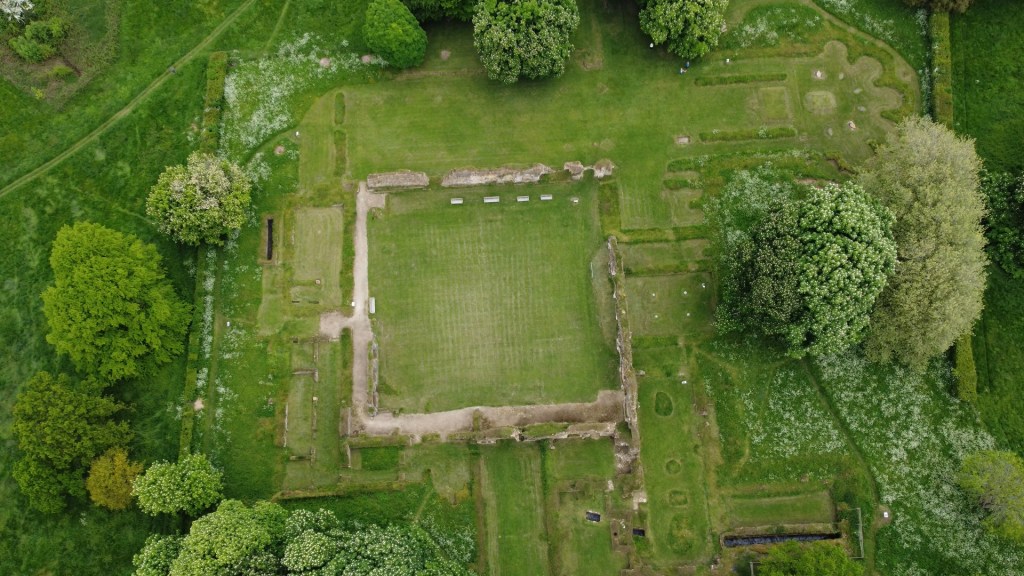
Our first set of buildings is the low foundations of the west range. When it was first built, it actually provided the majority of the accommodation for the lay brothers. Hailes was a Cistercian abbey, that initially serves two monastic communities, the first being Monks, who could read and write Latin and who sang 8 services each day and the other community were the lay brothers, who served their god with their labour and generally had simpler and shorter services.
Interestingly they acted as a ‘go between’ within the outside world for the monks. Their refectory was on the left of the passageway and plenty of storerooms to the right, their dormitory and place of sleep was above on the upper floor. The lay brothers worked in the fields and tended the livestock, allowing the abbey to be self-sufficient.
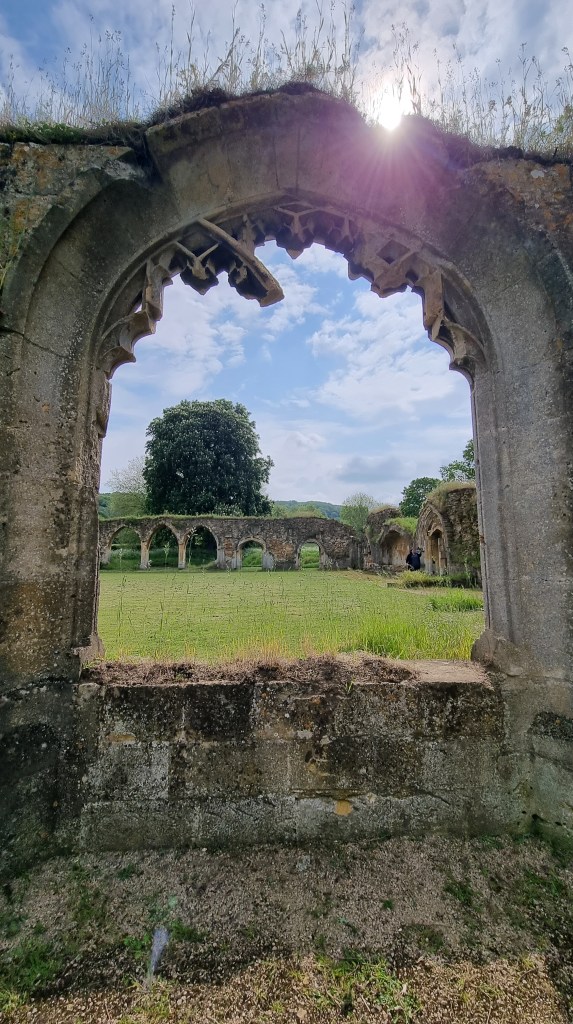
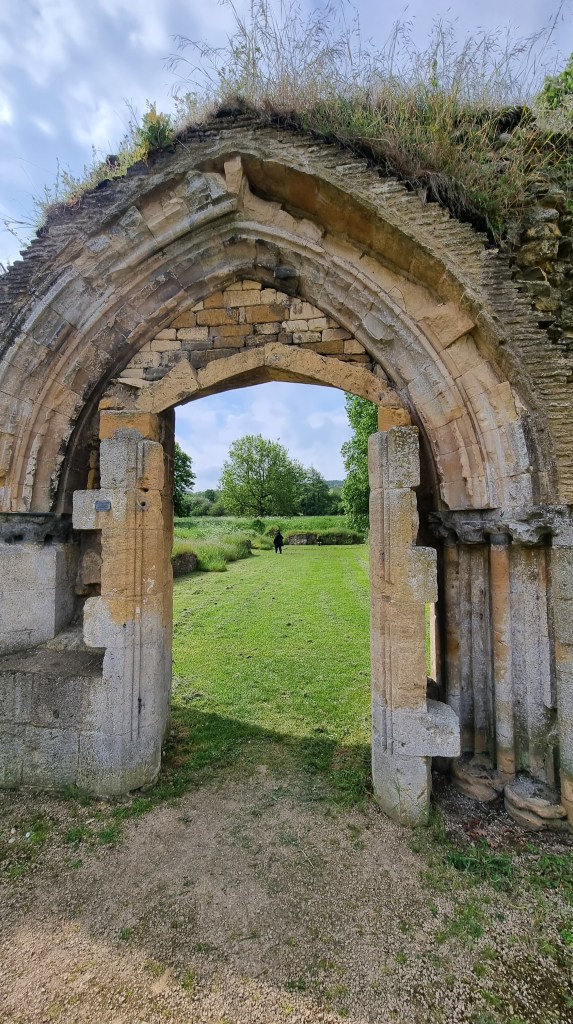
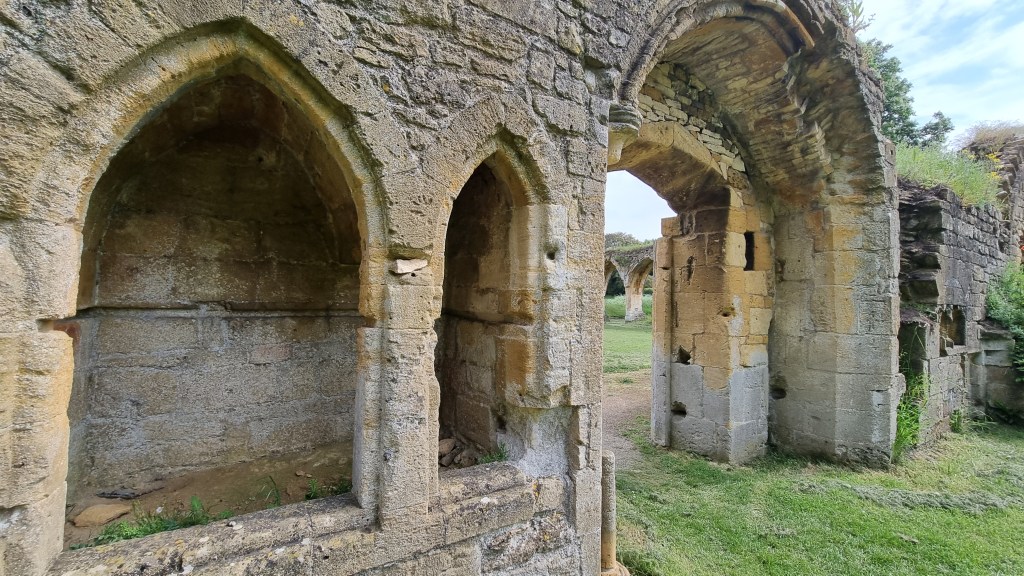
More of the buildings in the area are now part of the south range and heavily ruined. Although only parts of the façade stand at first floor level. We walk past whats known as the laver, which was in the middle of the warming room and the entrance to the refectory which we just visited. The laver was were the monks would wash their hands before they ate their food and the occasional spot where the abbot had his feet washed by one of his people, re-enacting Christs washing of the feet of his displaces and an act of love towards one another. The style of the archway is super interesting to look at in how ornamental and elegant the tracery is.
Running east from the day room was the monks latrine, this was a two storey building with the upper story being used for night use and the lower one for use from the day room or from the other buildings in the cloisters, whilst having a look around you can see the latrines working drainage system, an impressive feature of medieval engineering.
Finally we head to The little church, across the road from the ruined abbey, which has much of the abbey in it. Small as it seems from outside, the interior is high and spacious, a concentrated version of medieval and pre-Reformation religious life. I was blown away when visiting this small stunning church, the medieval tiles and graves of those in the past lay peacefully here as do the incredible wall paintings that we are lucky enough to still see today.
The exterior of the church leaves you wandering whats inside, but in my opinion, this church is one of the most beautiful I’ve seen to date, it really left an impact on me, the interior is a trip back in time, on the southern wall is a faint wall painting of a scene of a huntsman and three hounds chasing a hare. Moving inside the chancel, you can see further paintings such as repeated crests and symbols including a castle, an eagle which was a symbol of Richard, the earl of Cornwall, all of these heraldic symbols are also found in the ruins of the abbey. Worth the visit as it’s just across from the abbey itself and makes for such an interesting visit.
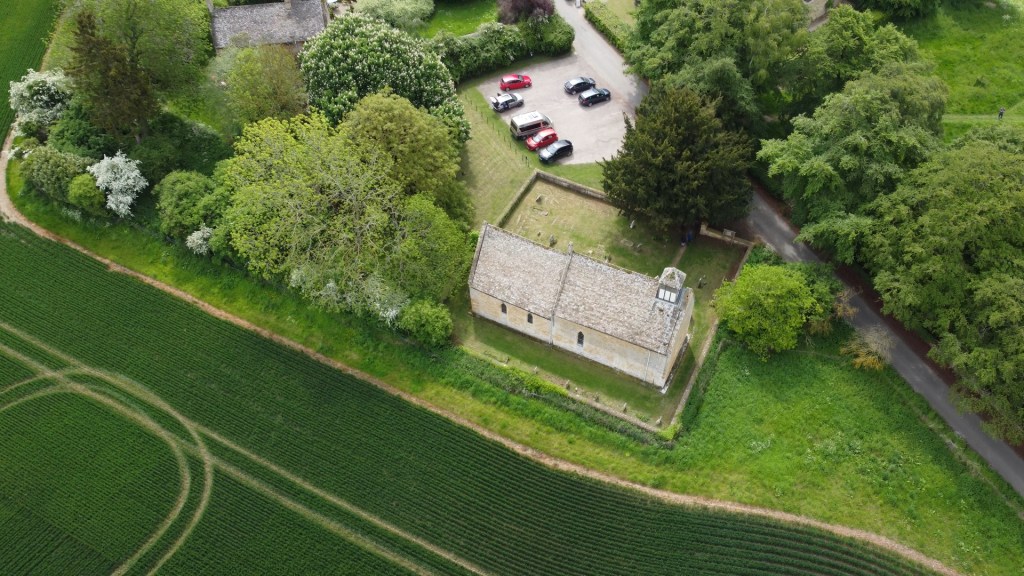
The Abbey is located 2 miles north east of Winchcombe in Gloucestershire, plenty of Free parking around 20 metres from the entrance. The site is owned by the National trust, but maintained by the English heritage and you can go on their website to see up to date prices. A visit here just reminds you of the beauty that still exists from hundreds of years ago and that were so lucky to be able to explore.
If you liked the blog please hit that like button, watch the full video below and consider subscribing if you haven’t already.
Till Next Time!
 Pinned on Places
Leave a comment