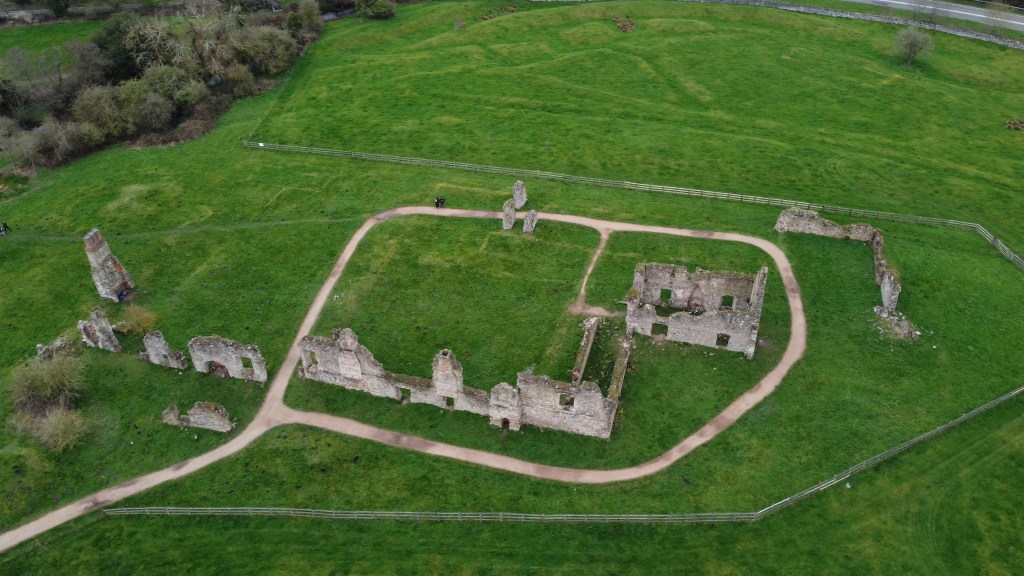
We carry on visiting in the area of Leicestershire and we take a wander around the remains of Grace Dieu priory, which was a 12th century Augustinian nunnery that was sadly dissolved in 1538 by Henry VII. The eerie yet beautiful remains include earthworks that once suggested that there were fish ponds, a partially complete Undercroft and a place and feeling that is very well known for it’s resident ghosts that wander here still. So join us for an explore.
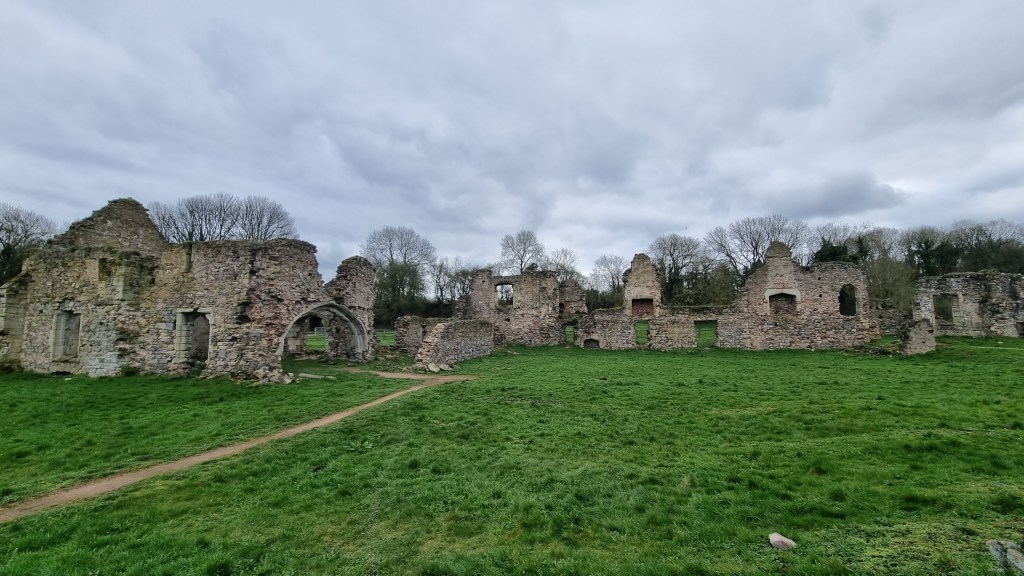
The exact date is yet to be confirmed but its more than likely that it was built between 1235-1241, its founder was Rose de Verdun, who had granted income from the manors of Kirby and Belton to be able to provide for a community of nuns that were dedicated to the holy trinity and St Mary. Rose was the daughter of Nicolas de Verdun who owned some of the nearby estates in Belton.
Located on the outskirts of the Charnwood Forest, the priory was built on this estate and would have more than likely started out with around 14 nuns. It is one of only two female priories in Leicestershire.
In French the term Grace of God translates as ‘Grace Dieu’ which gives the priory its well known name. In the field around the priory and to the west is an ancient standing stone that suggests the area was an area for local spiritual significance, way long before the priory was ever founded.
It also had an attached hospital which cared for twelve poor people. An account book from 1414 provides a great insight into the priory’s way of life and their economy. It has notes of income from rent, the mill, the lime workings, quarries as well as other supplies like timber, wool, pigs, cattle and sheep. There was also a note of various maintenance work that was carried out, including the repairing of the roof of the cloisters and church.
The priory escaped the first wave of dissolution of the smaller monasteries whilst the nuns received several donations from local lords of neighbouring land and the most generous of those was John Comyn. The estate continued to grow and grow right up until the mid-sixteenth century when the dissolution began to take over.
A report was compiled together by the kings commissioner for Leicestershire, John Beaumont, this report provided a final insight into the state of the priory at the time of the dissolution. Incredibly what was still left was in a great state of repair and was well maintained. An inventory of the priory was undertake and a number of buildings here included a church, a lady chapel, a chapter house, a cloister, areas for hospitality including a knights chamber, a hall and a dining chamber aswell as service rooms that would have helped keep things running smoothly with buildings like a bakehouse, a brewhouse, a laundry room, a smiths forge and a large kitchen.
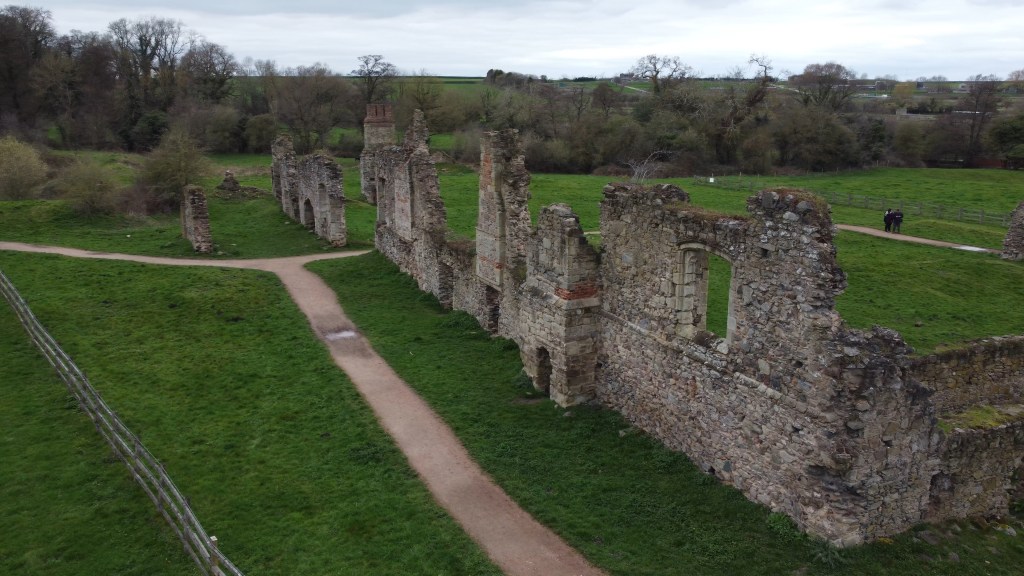
After the Dissolution, the Grace Dieu Estate was purchased by Sir Humphrey Foster on behalf of John Beaumont who was Henry VIII’s commissioner. Beaumont’s position as the king’s commissioner meant that he could not reserve or deal with properties himself, hence the need of Foster procuring the priory for him. The main Priory complex was converted into a private residence by Beaumont, including the construction of first-floor rooms, additions to the Chapter House and galleries linking the first-floor rooms above the Cloisters and East Range. Most of the buildings of the former priory were reconstructed in Tudor architectural style and it became his country house.
Around 1690, when the Beaumont line at Grace Dieu died out, the Estate was sold on to Sir Ambrose Phillips of Garendon, who purchased Grace Dieu as an extension to his Estate. From this time onwards, the house at Grace Dieu fell into disrepair; Phillips demolished the Priory Church in 1696, stripped the roofs of lead, and so it became a ruin as it is today. Which Today is managed by the Friends of Grace Dieu Priory, who are a charitable group of volunteers who fundraise to care for the site, and keep it open to the public for free.
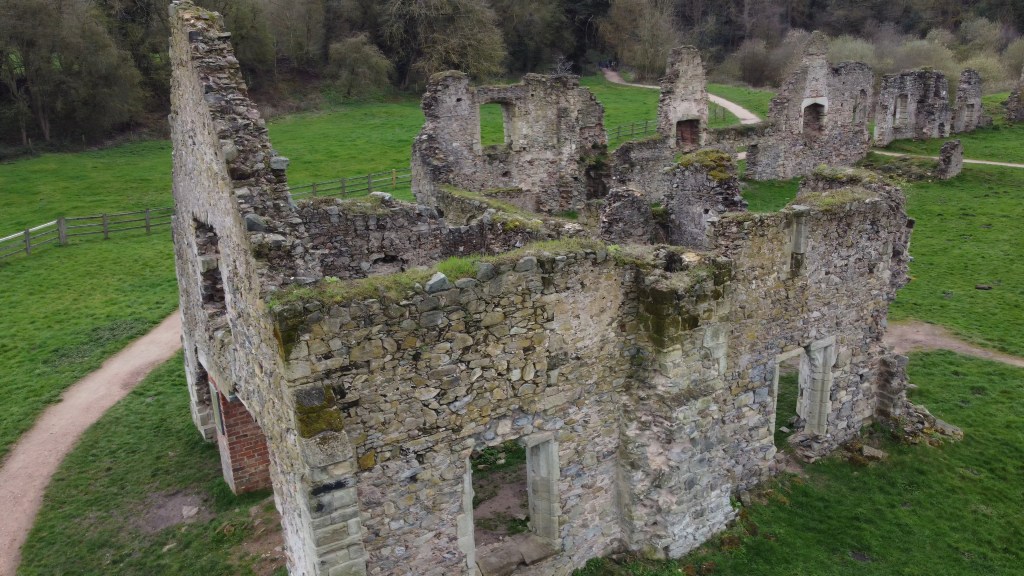
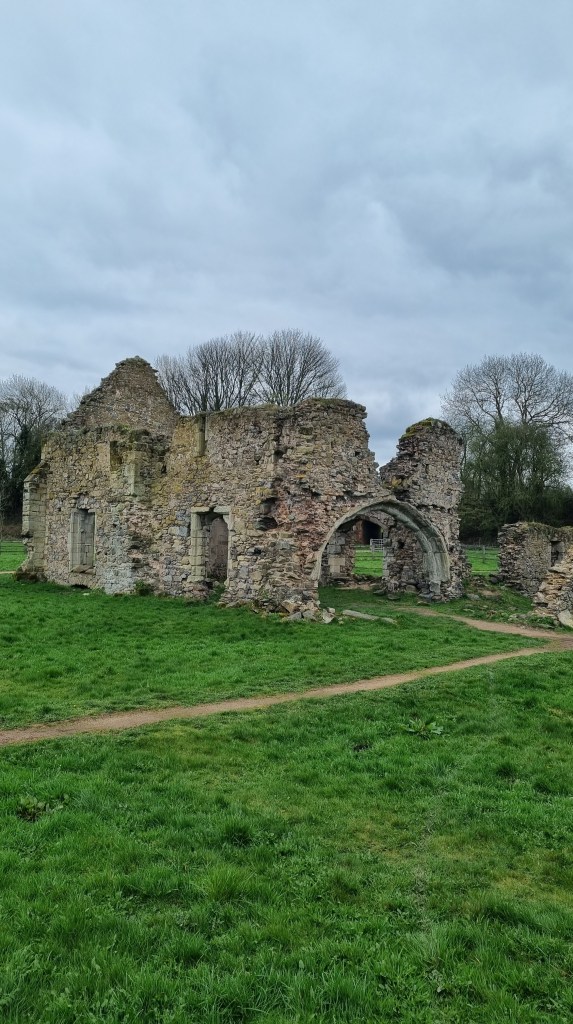
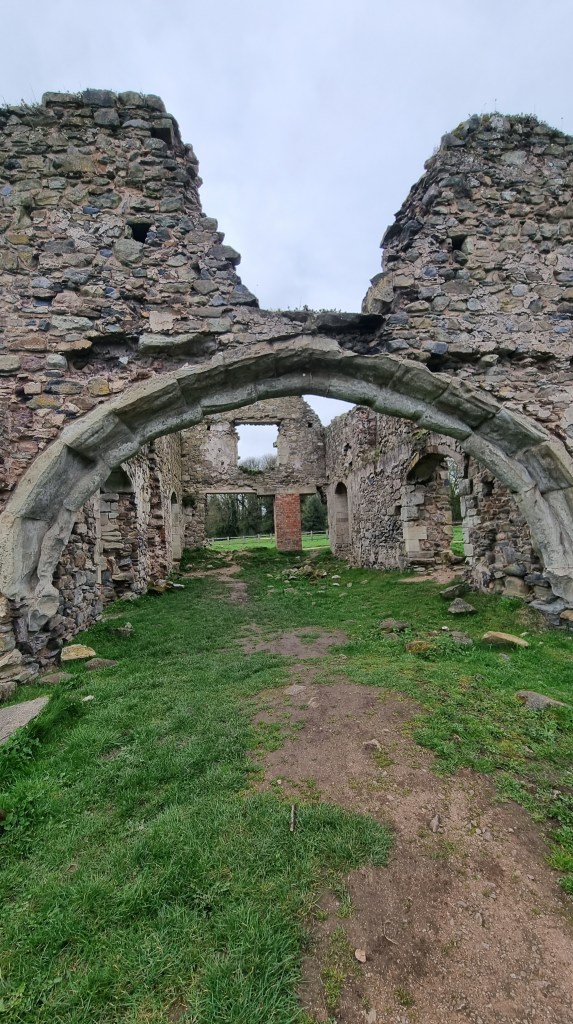
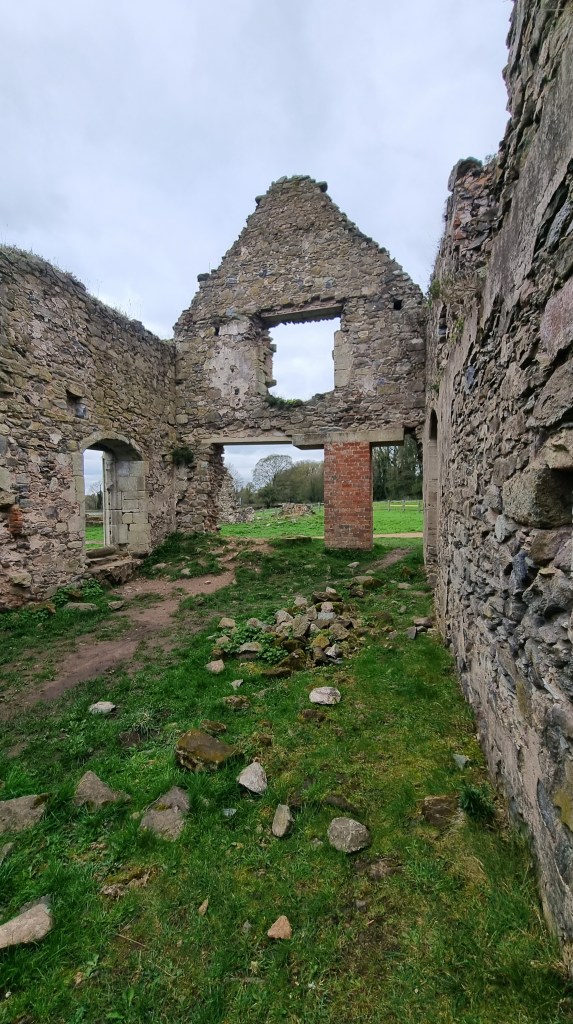
The most magnificent structure among the ruins today is the chapter house, with its well built stone arch entrance. A few scattered fireplaces from the Tudor house are also still standing. There have been Several restoration and preservation works that have been undertaken by the Grace Dieu Priory Trust, but it seems that more has to be done in order to save this stately ruin for future generations. Recently, just near the railway, the remains of what is believed to be parts of the infirmary and the guest house were discovered.
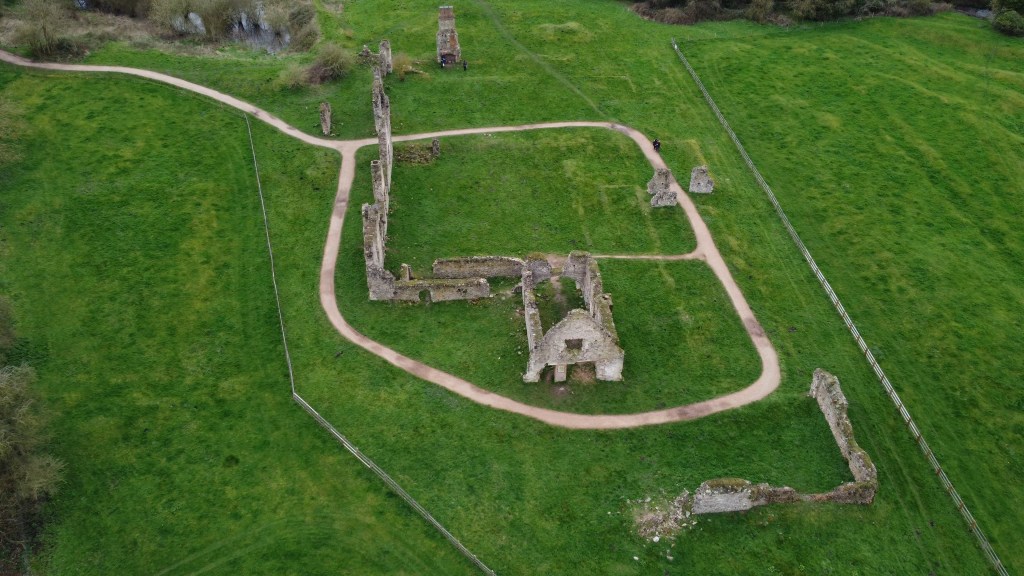
To visit the priory, we opted for the traditional route and walk through the forest, you can park for free at the Bulls head pub which is the official car park for the ruins, and simply follow the signs that point the directions to the priory. You pass a cricket green and down under two unused and interesting old train line bridges before seeing the picturesque stream and then finally the entrance to the priory itself. Id say a visit here is worth the small trek through the stunning woodlands especially to uncover a slice of this hidden history.
If you liked the blog please hit that like button, watch the full video below and consider subscribing if you haven’t already.
Till Next Time!


Leave a Reply