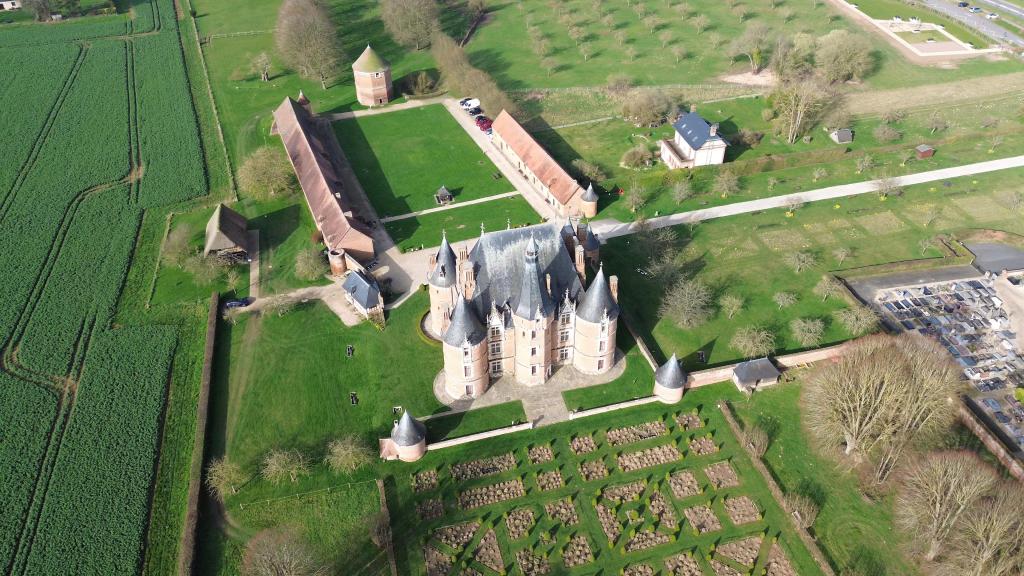
In this week’s post, we’re trading the salty, battle-hardened flint of the coast for something a little more refined: a piece of “Fairytale Normandy.” Located just east of Rouen, the Château de Martainville looks like it was pulled straight from a storybook, but beneath its red-brick turrets lies a labyrinth of local folklore and some of the strangest hauntings in the region.
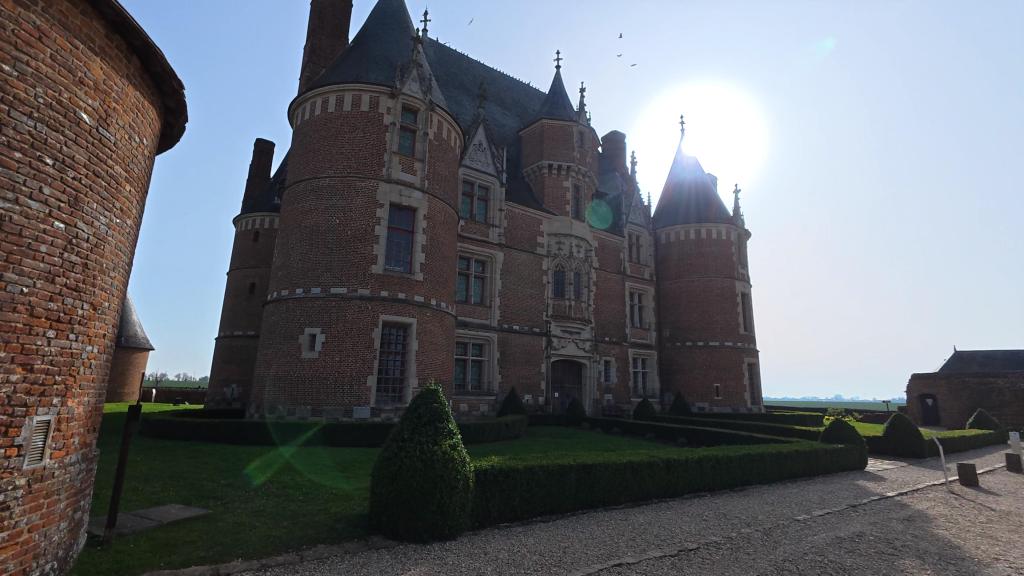
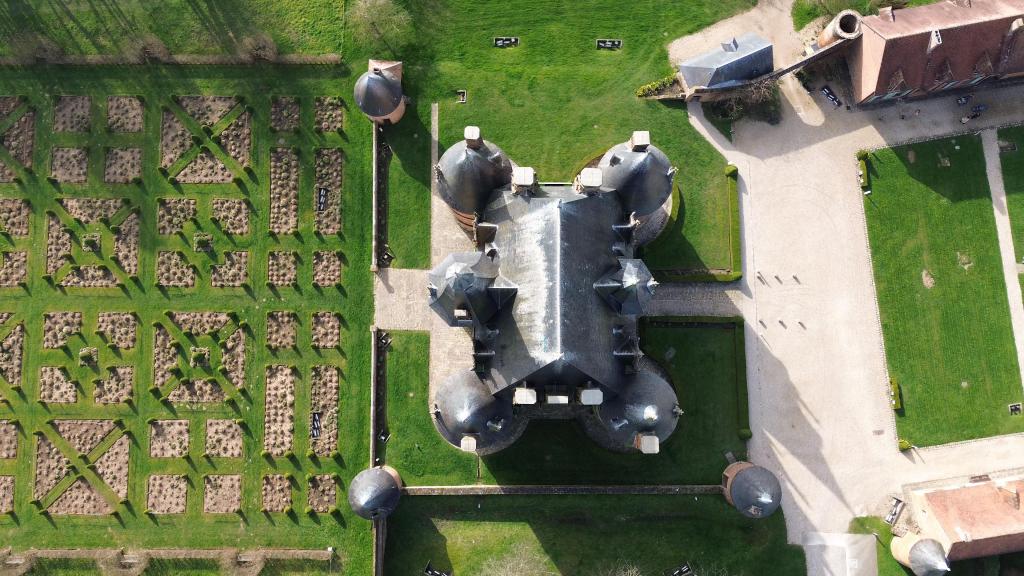
If coastal fortresses like Dieppe and Arques-la-Bataille were built to break an army, Martainville was built to break a heart. This stunning piece of Flamboyant Gothic architecture is one of the few 15th-century castles in France that hasn’t been modernized into oblivion. Built between 1485 and 1495 for Jacques Le Pelletier—a wealthy shipowner and Rouen banker with something to prove—it glows a deep blood red.
This “military-chic” design features four massive corner towers and a moat, but the windows are far too large for a real siege. It was a palace designed for status, utilizing “sacred geometry” and even strange symbols that suggest Le Pelletier may have dabbled in alchemy to grow his fortune.
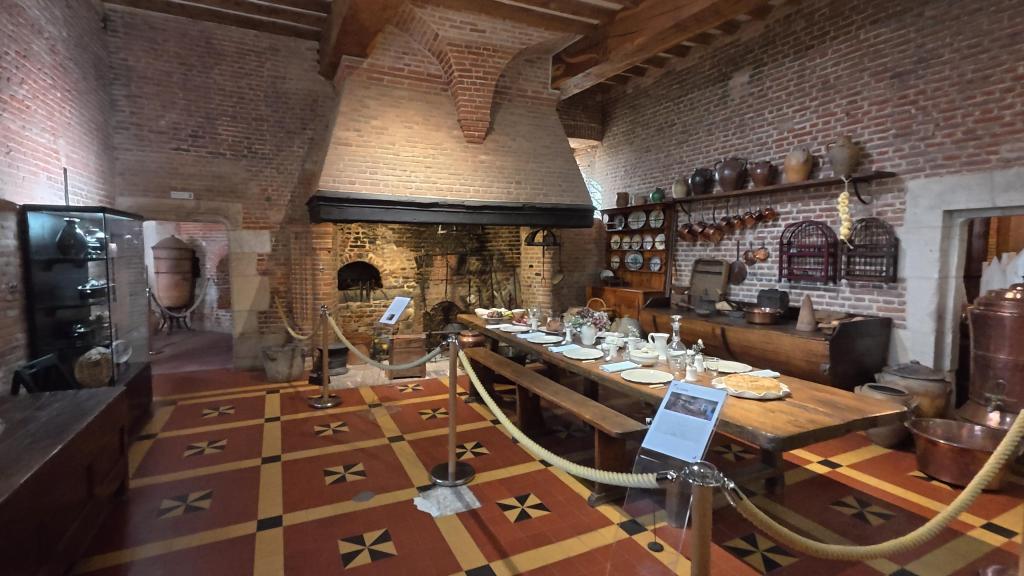
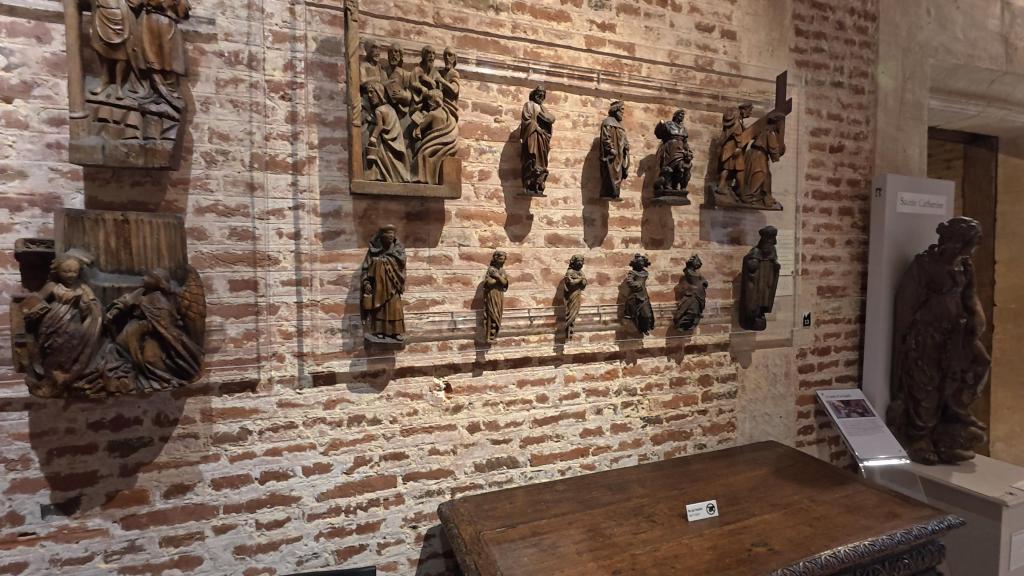
Today, the castle houses the Museum of Norman Life, an extraordinary ethnographic collection. The tour begins in the Great Kitchen, where the fireplace is large enough to roast a wild boar whole. Here, you’ll find the origins of the French housewarming tradition; moving in wasn’t official until the “hanging of the hook” (pendre la crémaillère). The walls are lined with polished copper pots once used for traditional Norman rice pudding, and long-handled wooden shovels for the communal castle oven.
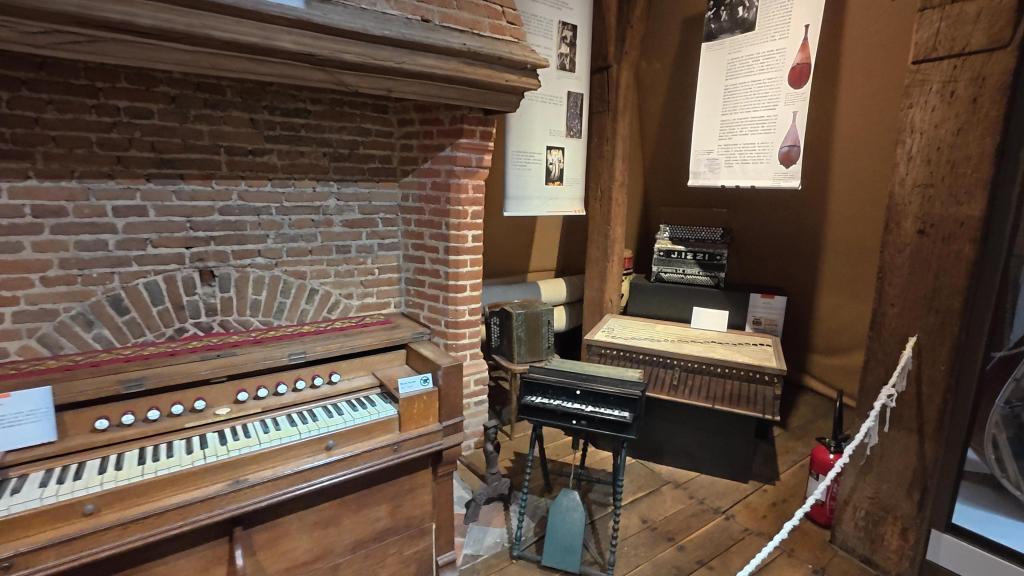
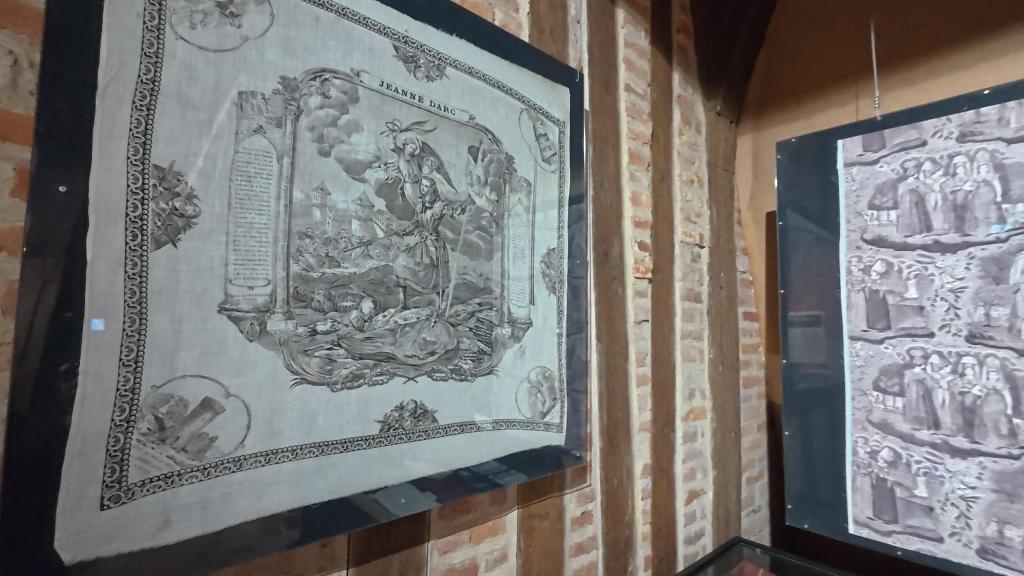
The upper galleries are dedicated to the world of the Armoire Normande. In the 18th century, these massive oak wardrobes were a family’s entire net worth, acting as a mobile safety deposit box for linens and dowries. The museum displays various styles, from the marriage wardrobes carved with billing doves and fruit baskets for fertility, to the “cachettes”—tiny hidden drawers tucked behind moldings to hide gold from tax collectors. You can even compare regional rivalries, like the heavy, masculine Fécamp wardrobes versus the delicate, floral Rouen styles.
A surprising contrast to the rustic farm tools is the wing dedicated to composer Camille Saint-Saëns. The castle was a second home to him, and you can still see the grand piano he played. His furniture and traveling trunks provide an elegant look at how 19th-century “new money” brought Parisian glamour to the rustic countryside.
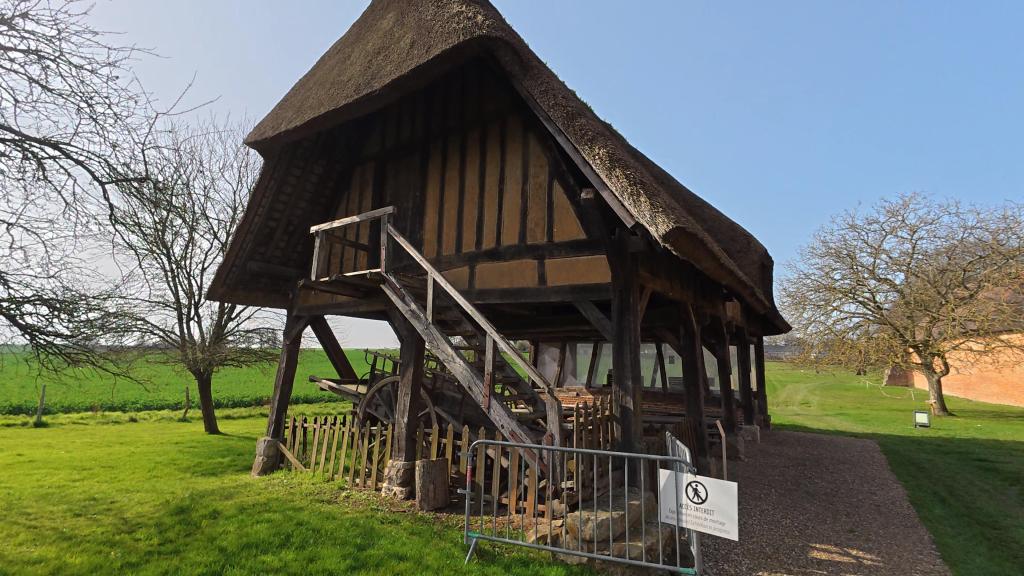
Martainville is the perfect palate cleanser after the heavy history of the coast—a quiet, hauntingly beautiful escape that proves 500 years ago, people were just as obsessed with style and storytelling as we are today.
If you liked the blog please hit that like button, watch the full video below and consider subscribing if you haven’t already.
Till Next Time!
 Pinned on Places
Leave a comment