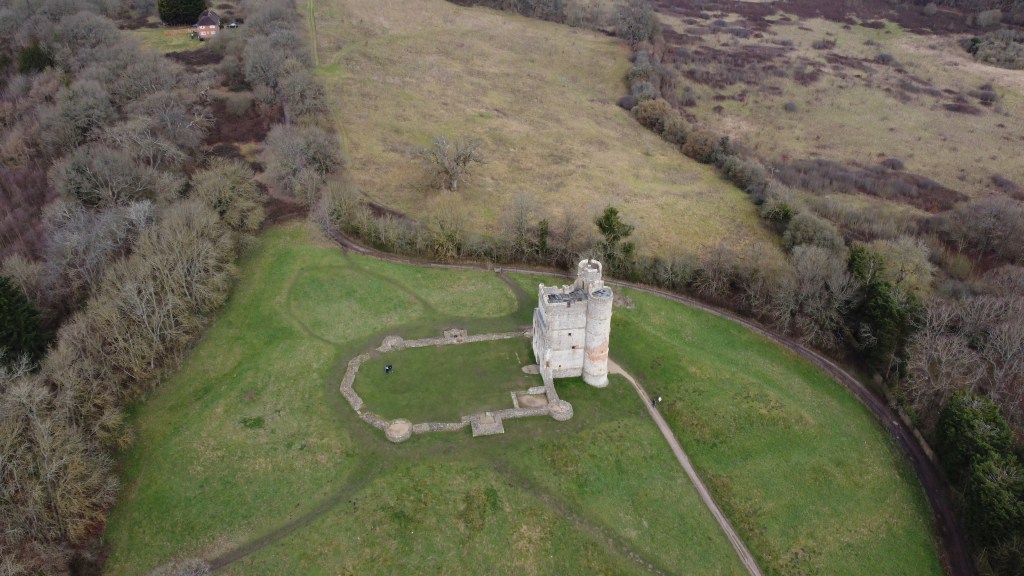
In this week’s post, we’re standing before a jagged stone tooth against the Berkshire skyline. Donnington Castle is a haunting masterclass in architectural defiance, looming with the gritty charisma of a veteran that has seen the worst of history and lived to tell the tale. This site offers a raw encounter with England’s turbulent past, where the air still feels heavy with the echoes of cannon fire and medieval intrigue.
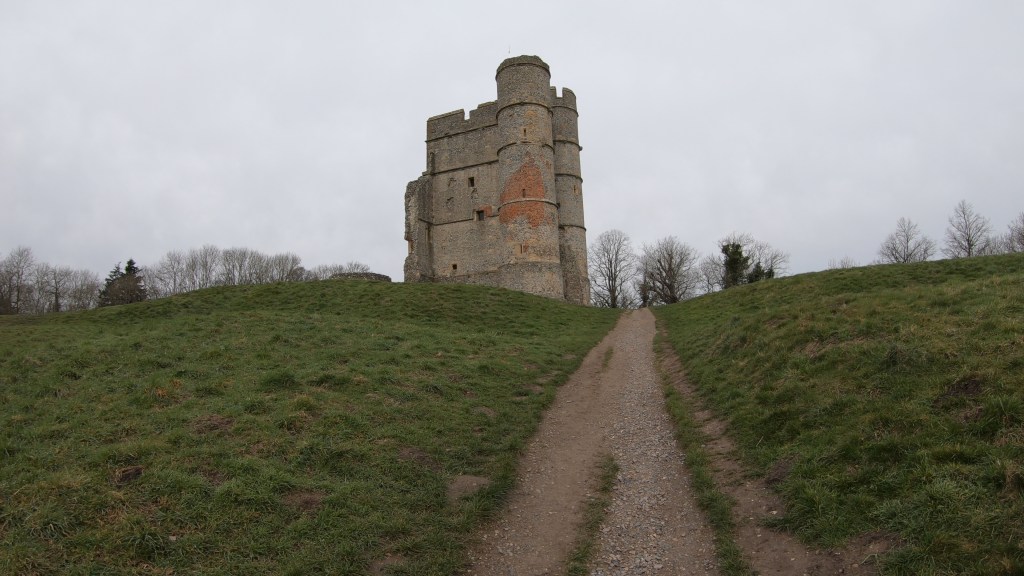
The story begins in 1386, when Sir Richard Abberbury, a veteran of the Hundred Years’ War, built a formidable quadrangular fortress. Today, only the massive twin-towered gatehouse remains as a solitary sentinel. This gatehouse is a marvel of 14th-century engineering, with flint-and-stone walls that commanded the Lambourn Valley. Beyond the stone lies a literary legacy; the castle passed to Thomas Chaucer, son of the “Father of English Literature,” Geoffrey Chaucer. It is even whispered that the poet himself may have walked these grounds, while his granddaughter, Alice Chaucer, later transformed the castle into a formidable seat of power during the Wars of the Roses.
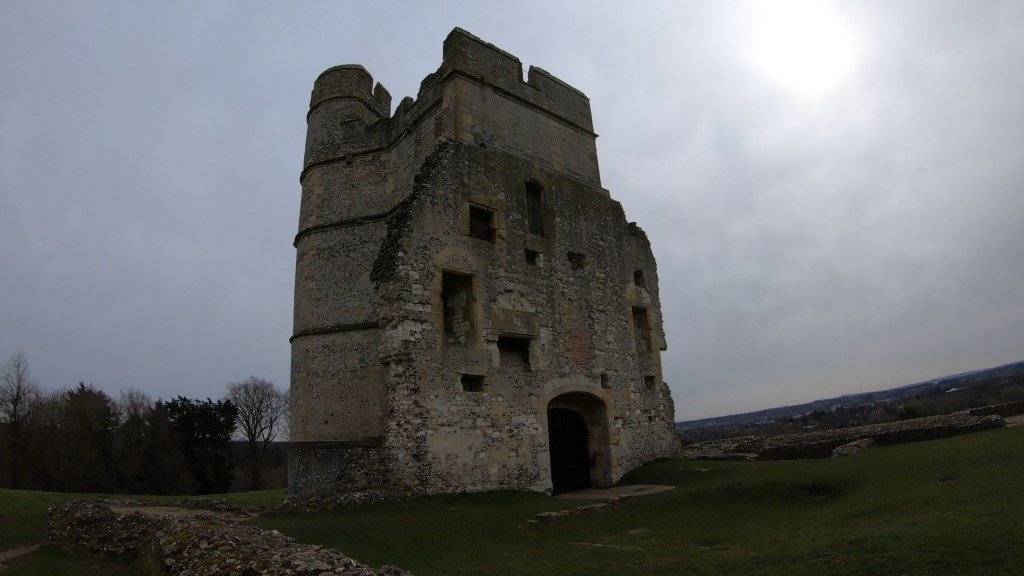
However, it was the English Civil War that etched Donnington into legend. In the mid-17th century, the castle became a vital Royalist stronghold under Sir John Boys. Parliamentarian forces subjected the castle to a brutal eighteen-month siege, hammering the walls with artillery until the curtain walls crumbled. When offered a chance to surrender, Boys famously retorted that he “would not leave the castle while one stone remained upon another.” He only surrendered when he received a direct order from King Charles I himself.
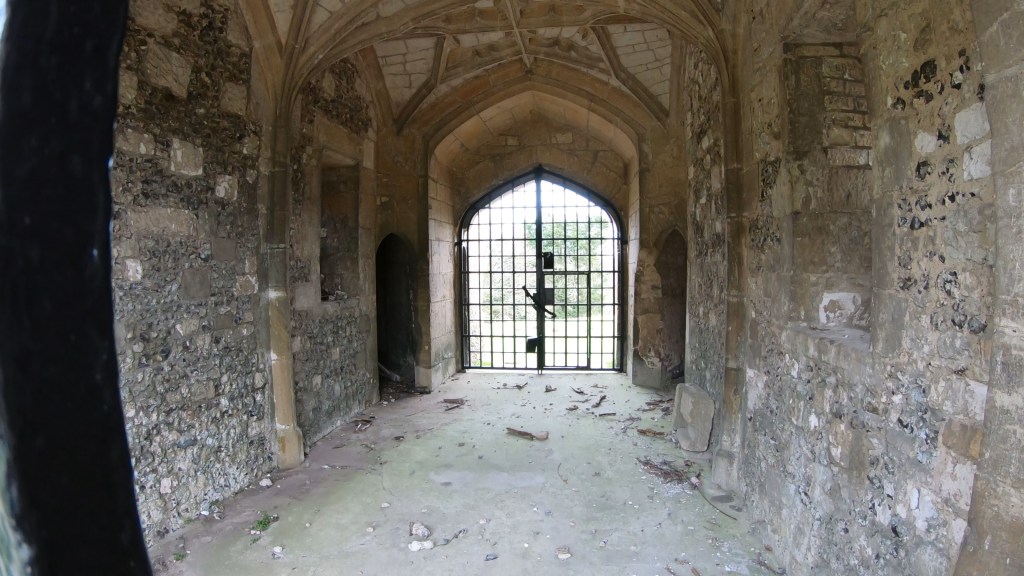
While the curtain walls were destroyed, their foundations have been rebuilt to two feet high, allowing you to clearly trace the original layout. You can still see the red brick patches on the gatehouse towers where cannon fire struck the stone, as well as the wonderful grotesque carvings of grimacing heads along the walls. Peer through the iron grills of the gatehouse passage and you’ll spot a beautiful vaulted ceiling, along with the remains of a first-floor fireplace that likely once graced Sir Richard Abberbury’s private rooms.
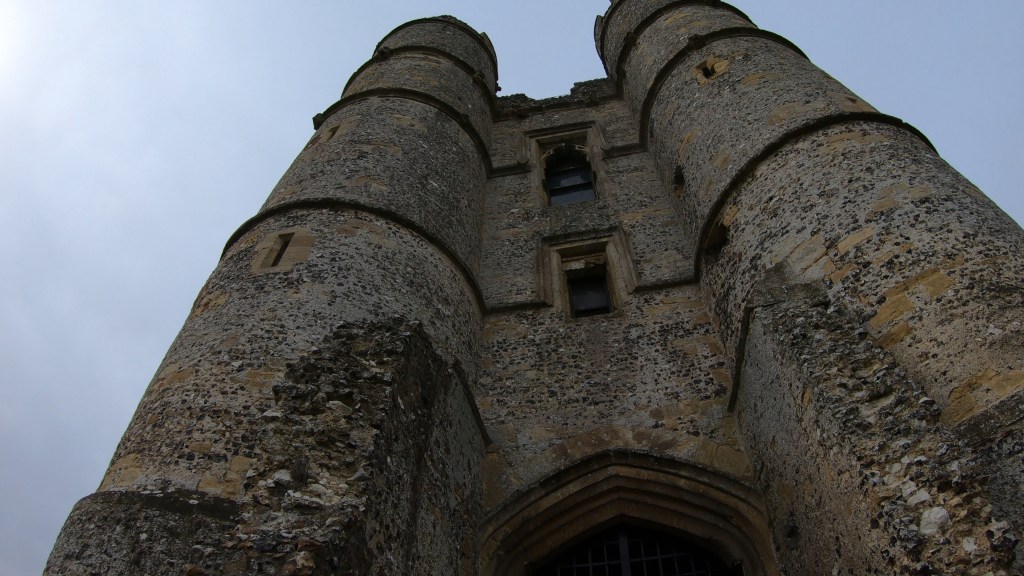
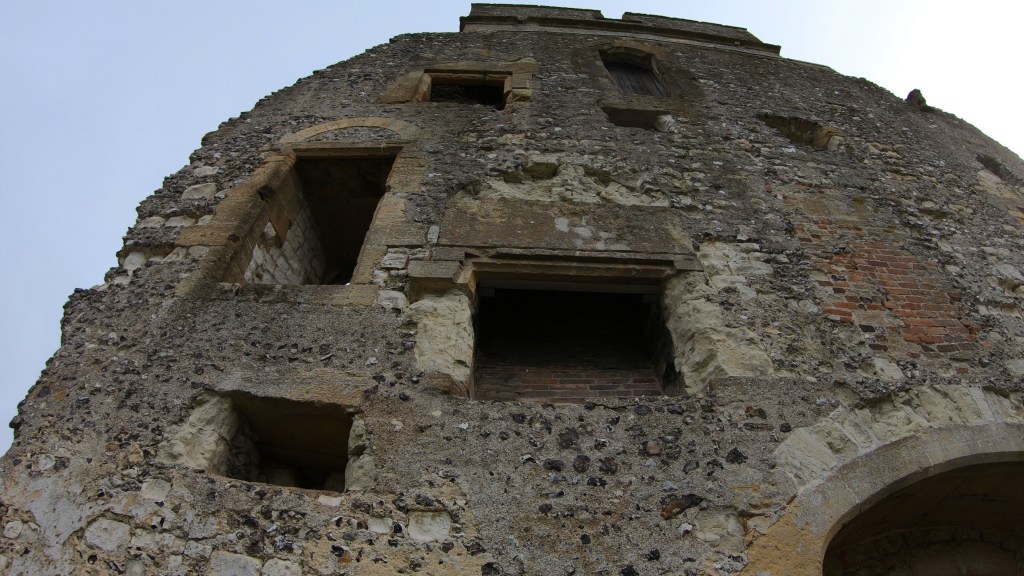
The most striking remnants of the struggle are the star-shaped earthworks that ripple through the grass. These were sophisticated “trace italienne” defenses, designed to create lethal kill zones and deflect cannon fire. They remain some of the best-preserved examples in the country. Local legend also whispers of a secret tunnel connecting the castle to Shaw House in the valley, used by Royalist soldiers to smuggle gunpowder under the feet of the besieging army.
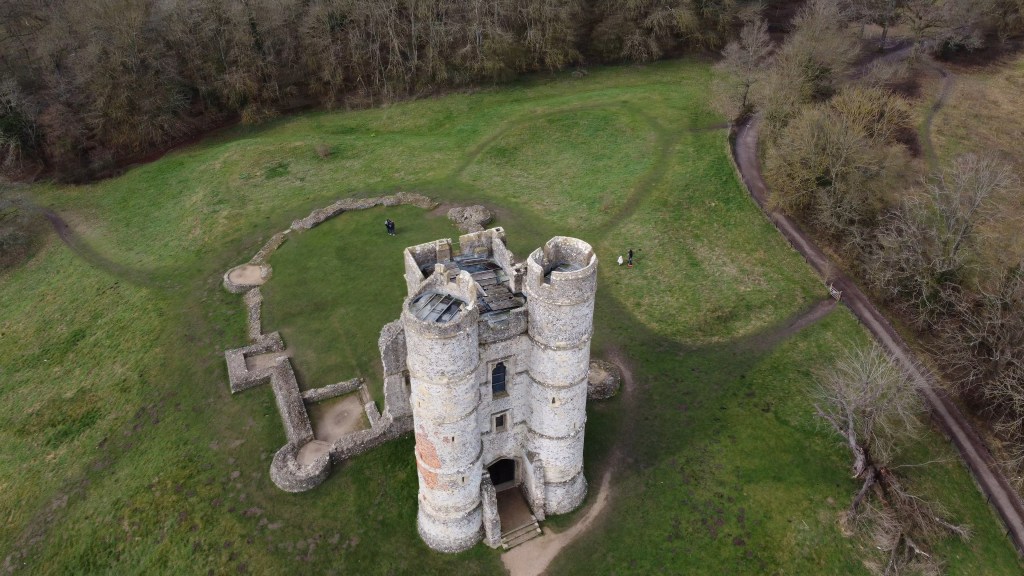
Donnington Castle is a sanctuary for those who like their history raw and unfiltered. There are no gift shops or velvet ropes—just the wind whistling through empty arrow slits and a view that stretches for miles. It stands as a powerful symbol of endurance, proving that even when a structure is broken, its spirit remains perfectly intact.
If you liked the blog please hit that like button, watch the full video below and consider subscribing if you haven’t already.
Till Next Time!
 Pinned on Places
Leave a comment