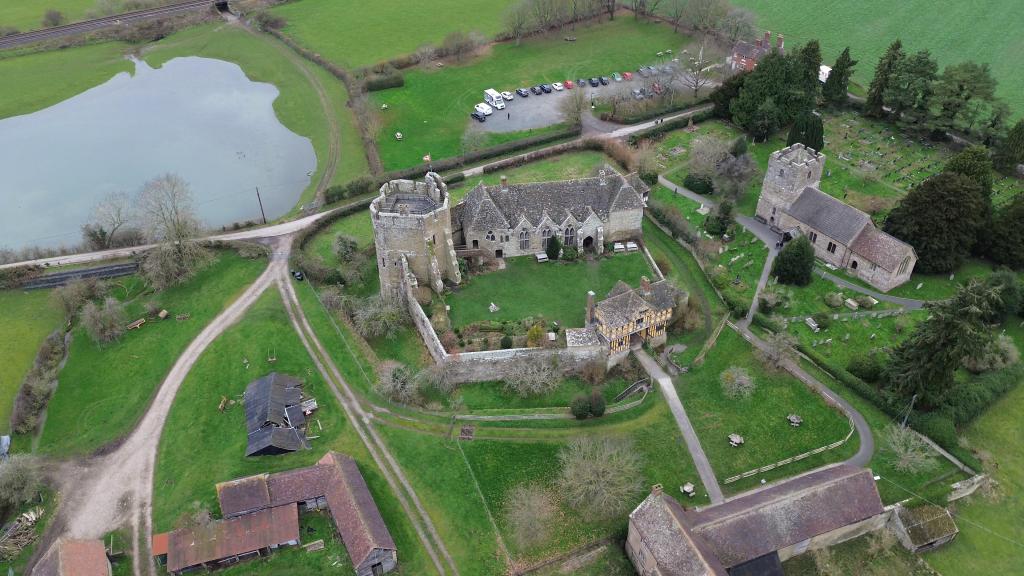
In this week’s post, we’re exploring the rolling emerald green South Shropshire hills, where the air is crisp and the views are stunning. Our viewpoint today is a dizzying cocktail of golden stone and silvered timber-framing. This is Stokesay Castle, but don’t let the name fool you. Stokesay isn’t a site of bloody sieges; it is one of the most exquisite fortified manor houses in England, built not for war, but for the ultimate “flex” of medieval wealth.
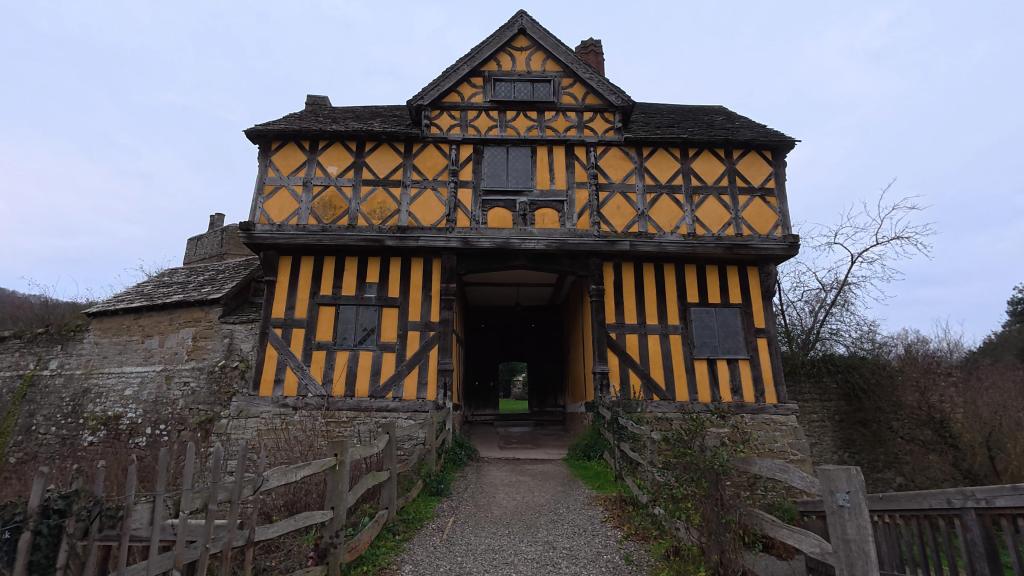
To understand Stokesay, you have to understand the man who built it: Laurence of Ludlow. In the late 13th century, Laurence was the most successful wool merchant in England. He was so wealthy he even lent money to King Edward I. In 1281, he purchased the manor and began transforming it into a home that reflected his immense status. By 1291, he obtained a “licence to crenellate,” but the massive windows prove this was a billionaire’s mansion, not a bunker. Laurence wanted a home that let in the light and showed off the view.
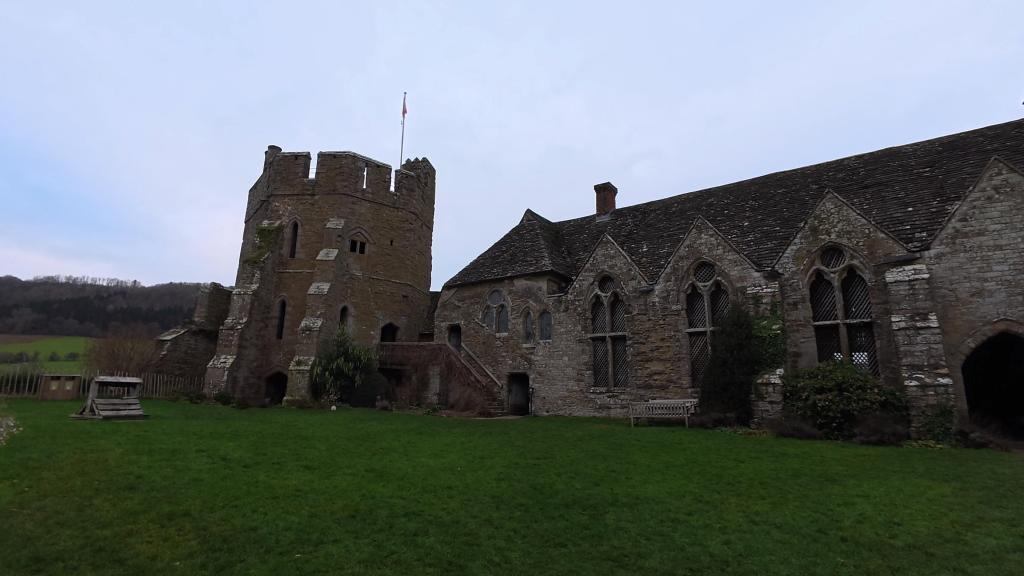
The South Tower is the castle’s architectural statement piece. It is shaped as an unequal pentagon, a clever design that makes it look larger and more intimidating from the outside than it actually is. Inside, the tower features three stories of self-contained guest apartments, each with its own fireplace and private “garderobe” (toilet) built into the thick walls. Unlike the dark, cramped towers of earlier Norman castles, these rooms were designed for 13th-century comfort and status.
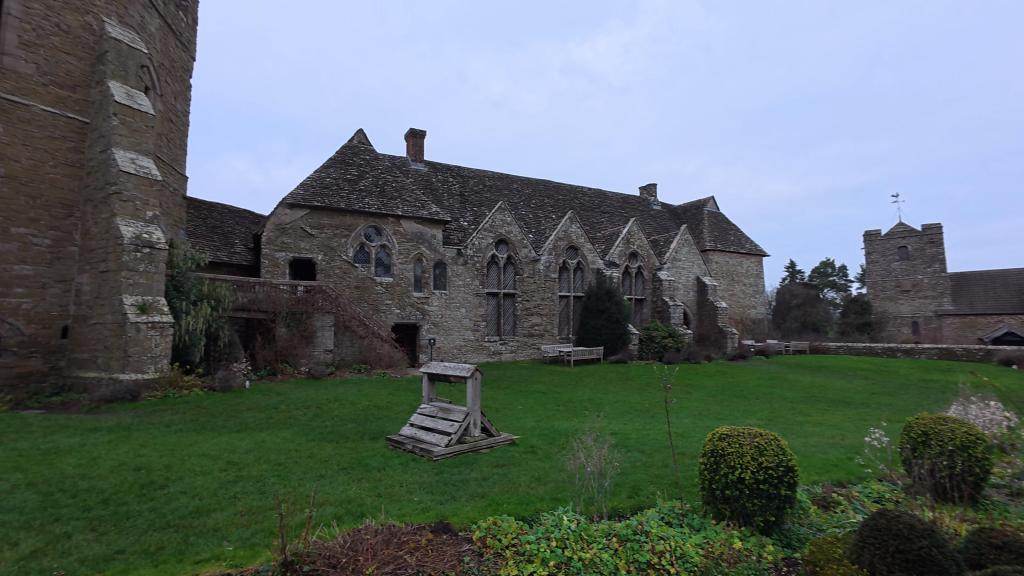
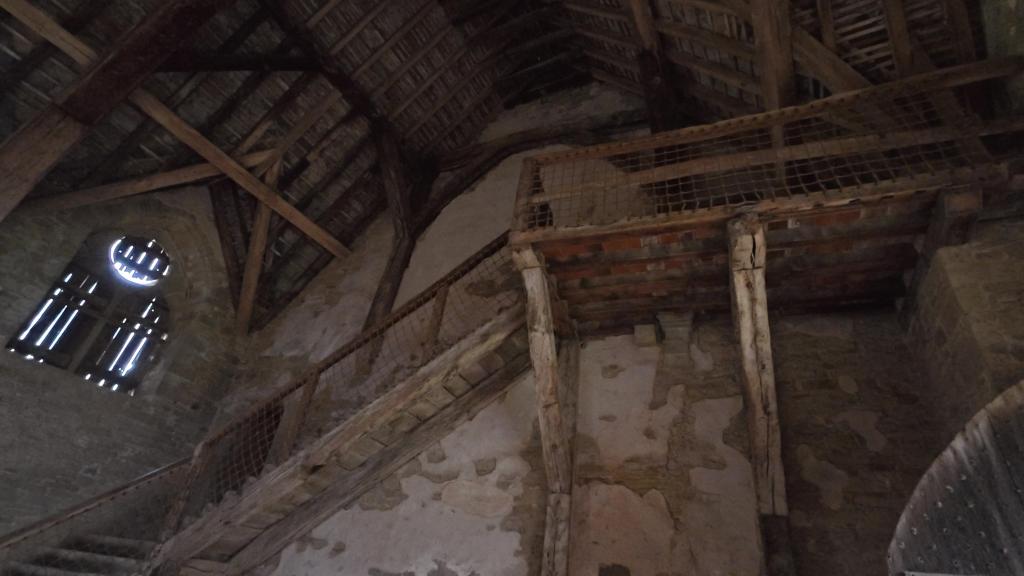
From the high-status apartments, you can step into the Great Hall. This was the lobby, office, and dining room of the 1290s. The massive curved roof timbers act as the skeleton of the room, and because there was originally no chimney, the wood is still stained dark from centuries of smoke rising from a central hearth. Below the adjacent North Tower lies the cellar, a high-security strongroom used to store Laurence’s most valuable trade goods and documents. Interestingly, the timbers in this basement date back to the 1260s, surviving from an earlier manor house that stood here before Laurence began his project.
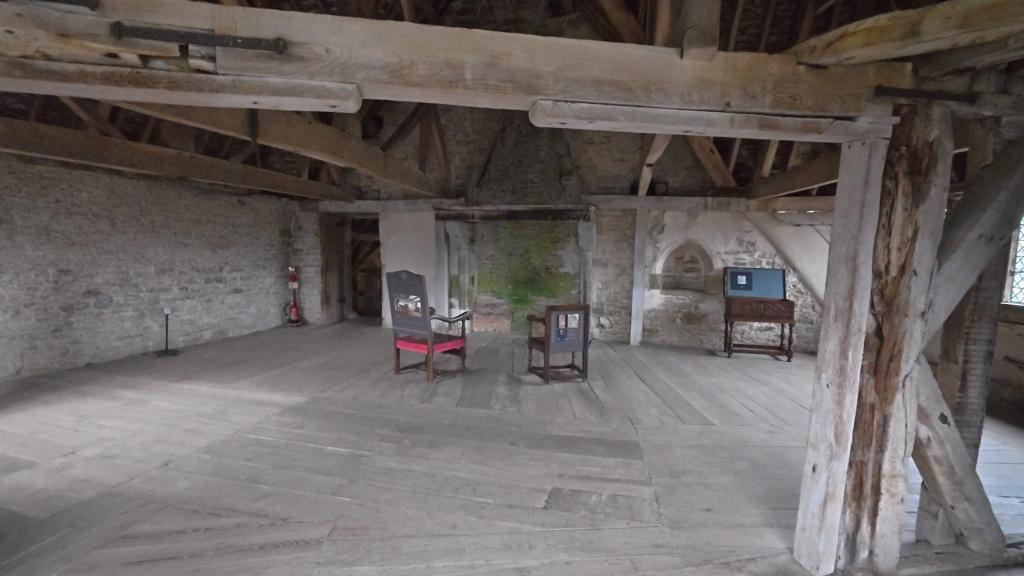
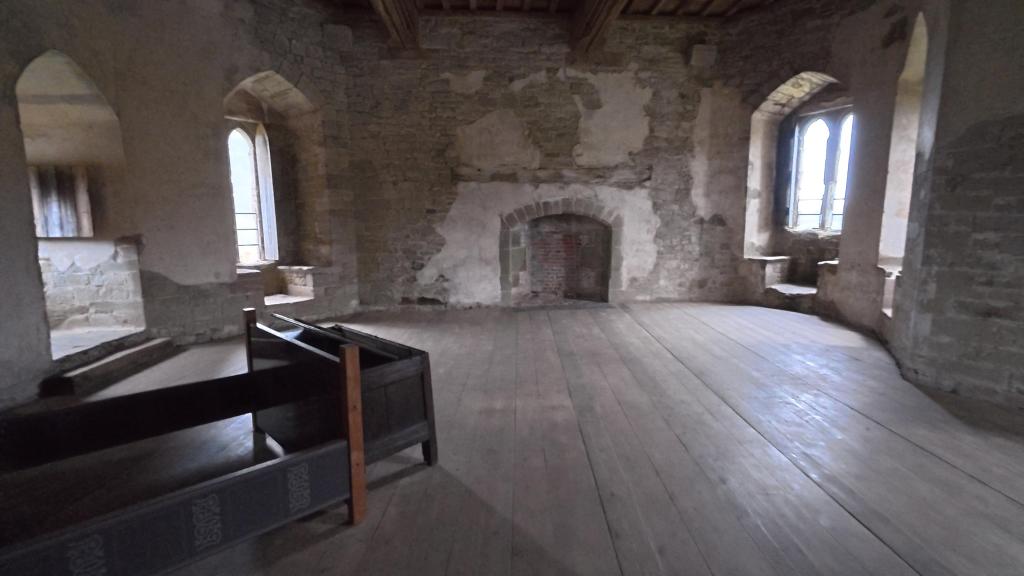
Stokesay is also wrapped in a whimsical legend known as the Stokesay Giants. Folklore tells of two giant brothers who lived on the surrounding hills and kept a massive chest of gold hidden in the castle’s vaults. They shared a single iron key, which they would hurl back and forth across the valley. One day, the key fell short and vanished into the castle moat. Legend says the treasure remains hidden in the foundations today, guarded by a supernatural raven until the original key is recovered.
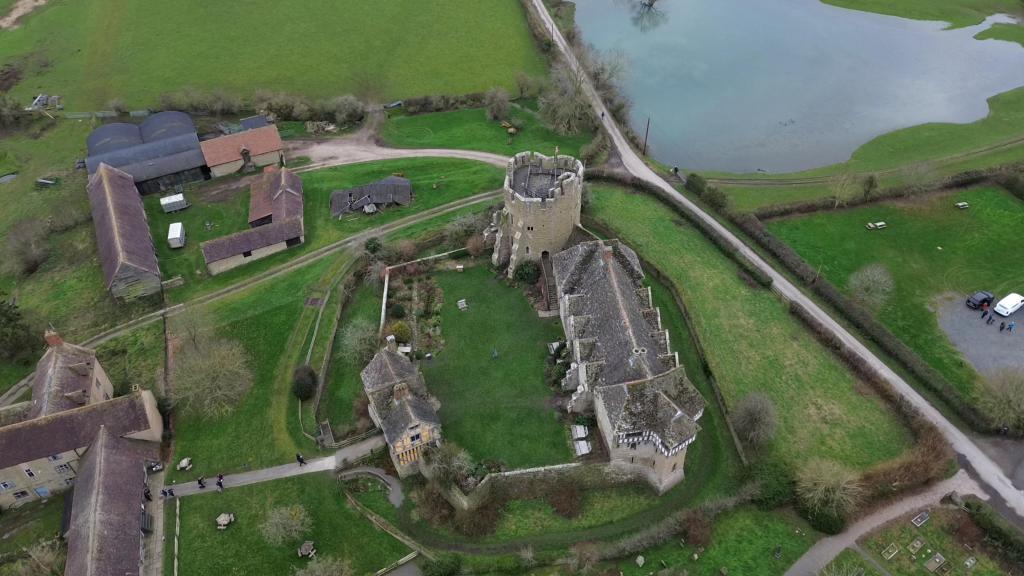
Stokesay Castle remains a place of quiet, miraculous beauty. It survived the drowning of its creator (who died in a shipwreck in 1294), the English Civil War, and the threat of decay. It stands as a reminder that medieval life wasn’t always about the clash of swords—sometimes, it was about the finest wool and the best views in Shropshire.
If you liked the blog please hit that like button, watch the full video below and consider subscribing if you haven’t already.
Till Next Time!
 Pinned on Places
Leave a comment