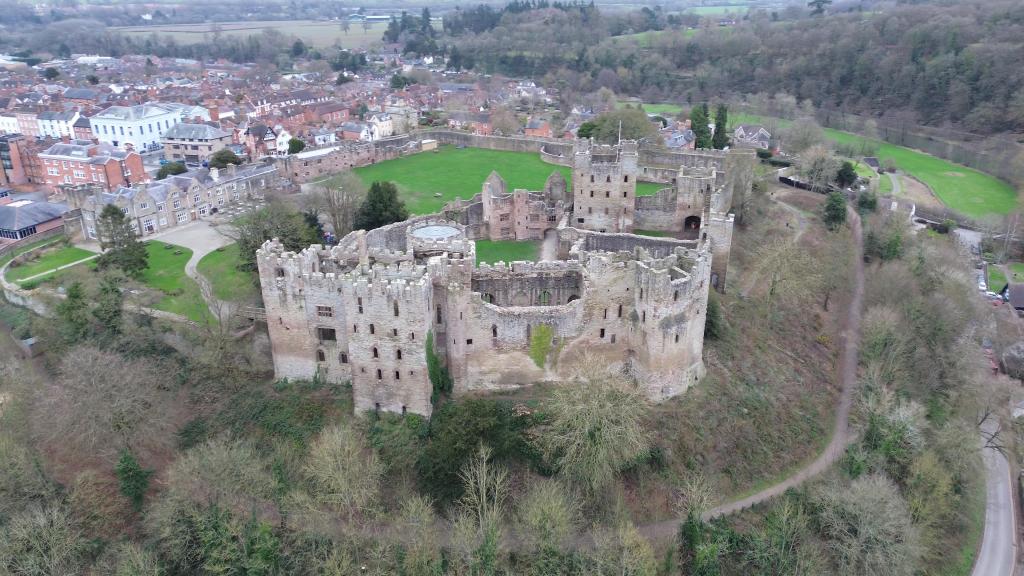
In this week’s post, we’re carrying on our adventure in the heart of the Shropshire countryside to the market town of Ludlow. Perched on a rocky bluff one hundred feet above the River Teme, Ludlow Castle is widely considered one of the finest medieval ruins in England. Established in 1086, it evolved from a rugged Norman fortress into a fortified Royal Palace, serving as a seat of government for Wales and the border counties for centuries.
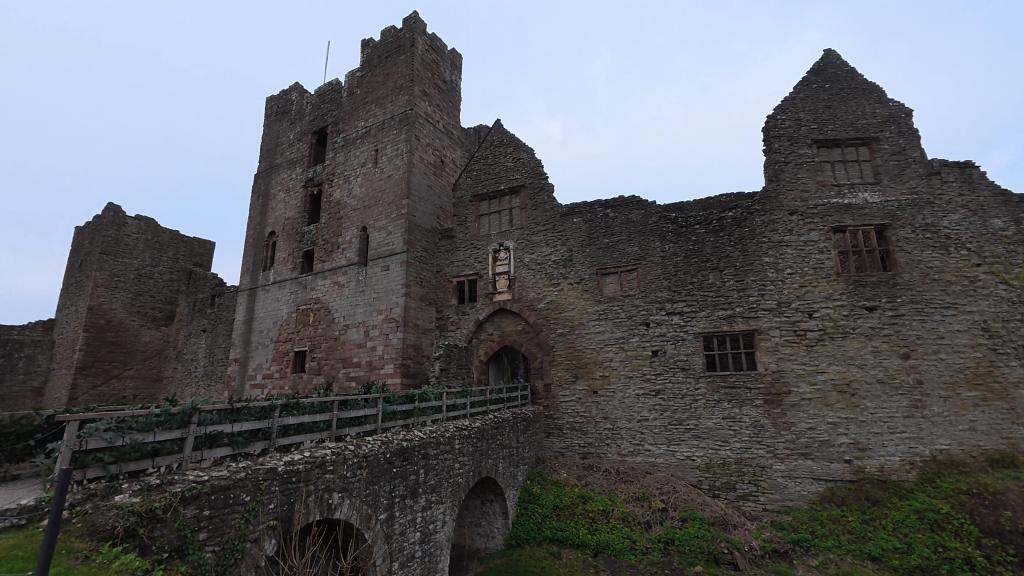
Ludlow is unique because it was built in stone from the very beginning, rather than starting as a timber-and-earth motte-and-bailey. Its wealth of architecture reflects Norman, Medieval, and Tudor phases, telling the story of the kings, queens, and judges who once called these walls home. After being abandoned in 1689, the castle fell into what Daniel Defoe famously called “the very perfection of decay,” before the Earls of Powis stepped in to preserve the monument for the public in 1811.
The tour begins in the Outer Bailey, a massive space over 500 feet long that once housed stables, workshops, and a prison. This area likely served as a staging ground for soldiers during the 12th-century invasions of Ireland and may have hosted medieval jousting tournaments. Crossing the bridge over a ditch cut into solid rock, you enter the Inner Bailey. Here, the architectural highlights become even more impressive, starting with the Judge’s Lodging—an Elizabethan addition built to house legal officials during sessions of the Council of the Marches.
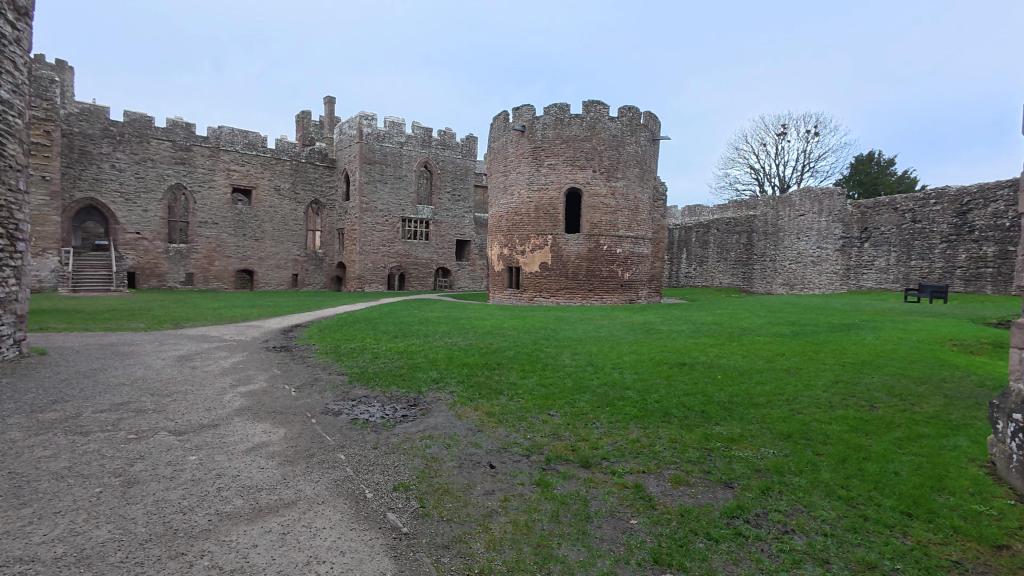
One of the most extraordinary sights in the Inner Bailey is the Round Chapel, dedicated to St Mary. Dating from around 1120, this circular building is exceptionally rare in English castle design. Despite the wear of centuries, the chapel still retains its beautifully carved Norman doorway arches. If you look closely at the capitals and arches, you can still spot gargoyle heads and fine details that make this one of the most important examples of early Norman ecclesiastical architecture in the country.
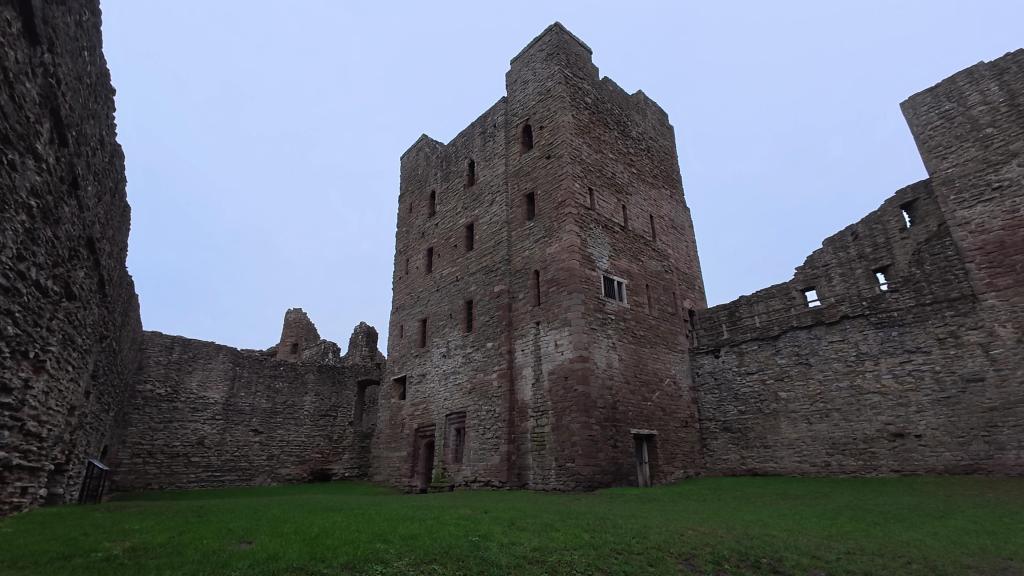
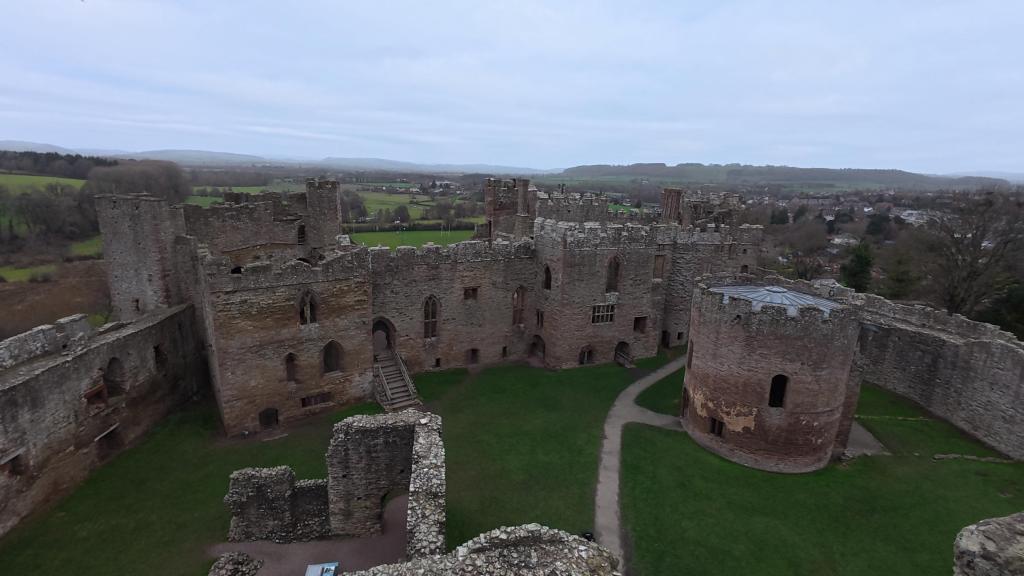
The Great Tower, or Keep, is a stunning combination of a gatehouse and a defensive tower. Rising four storeys high, it contained a grand living hall and a solar. A trek to the top is well worth the effort for the panoramic views over the town and the Shropshire Hills. Nearby, the North Range contains the Great Hall, a room over 60 feet long where elaborate feasts and ceremonies took place. The tall windows still feature stone seats where medieval guests would have sat to enjoy music and views of the surrounding landscape.
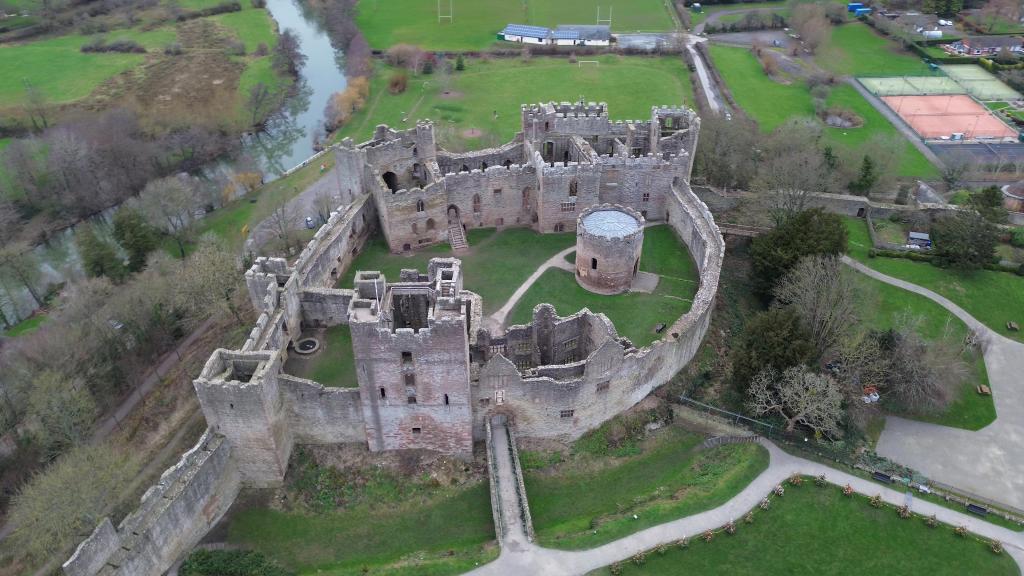
In the service areas, you can still trace the outlines of the ovens and fireplaces used to prepare massive royal banquets. One particular doorway in the Postern Tower is locally known as “Queen’s Walk,” said to have been used by Mary Tudor for private access to the grounds. Today, the castle is far from decaying; it hosts major festivals throughout the year and draws over 50,000 visitors. It is a site where you can easily spend an entire day lost in the layers of English history before heading into the beautiful market town of Ludlow for a pit stop.
If you liked the blog please hit that like button, watch the full video below and consider subscribing if you haven’t already.
Till Next Time!
 Pinned on Places
Leave a comment