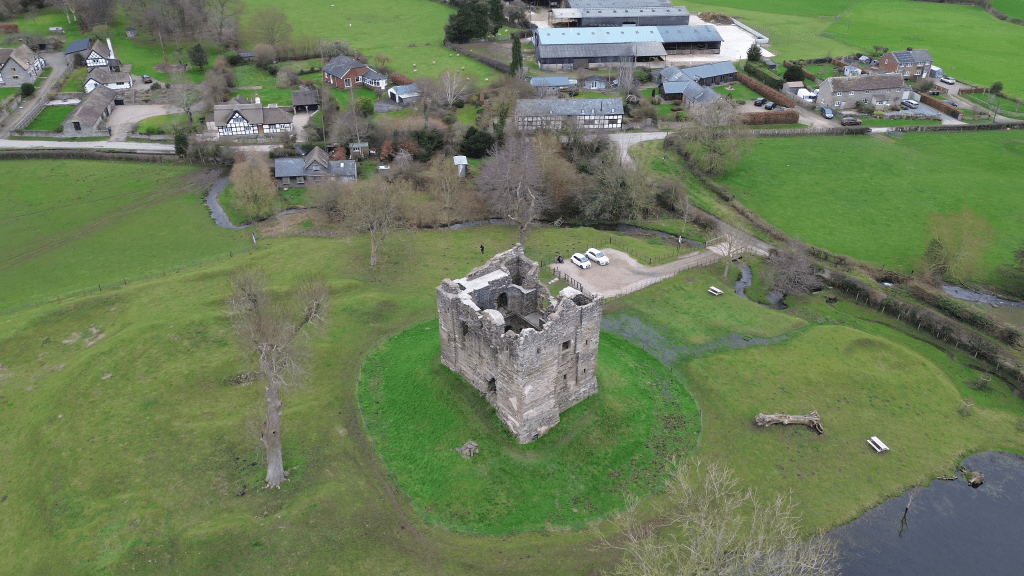
In this week’s post, we’re heading to the southern edge of the Shropshire Hills to explore the crumbled remains of Hopton Castle. While the ruin is small, it carries the weight of a notorious and bloody siege during the English Civil War—a story of 31 brave Parliamentarian men holding out against a Royalist force of 500.
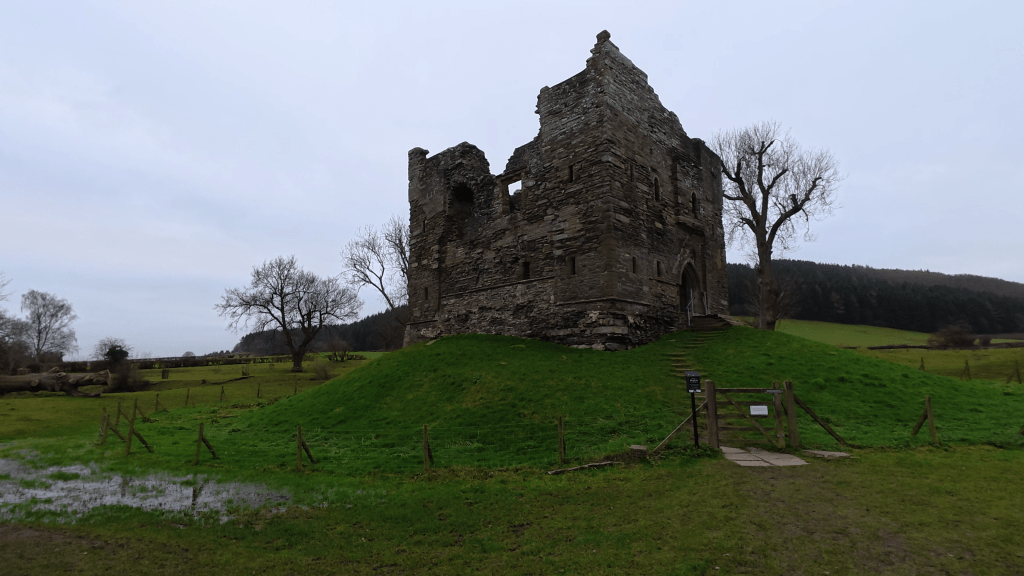
Hopton was a strategic pawn in the conflict. In 1644, the Royalists wanted the castle as a base to attack the nearby stronghold of Brampton Bryan. Colonel Samuel Moore and his tiny garrison of 31 men were ordered to hold the fort. For three weeks, they defied the odds. Even after Royalist troops set fire to nearby buildings and eventually breached the castle through a chimney, Moore refused to surrender. The final assault involved heavy artillery and brutal hand-to-hand combat; while Moore claimed to have lost only one man during the fighting, the aftermath was far more tragic.
When the garrison finally surrendered, the “mercy” they were promised was never granted. According to accounts from survivors at nearby Brampton, the men were driven into a muddy cellar and completely massacred. To this day, it is a sobering thought that the remains of those 31 men might still lie beneath the very ground where visitors walk.
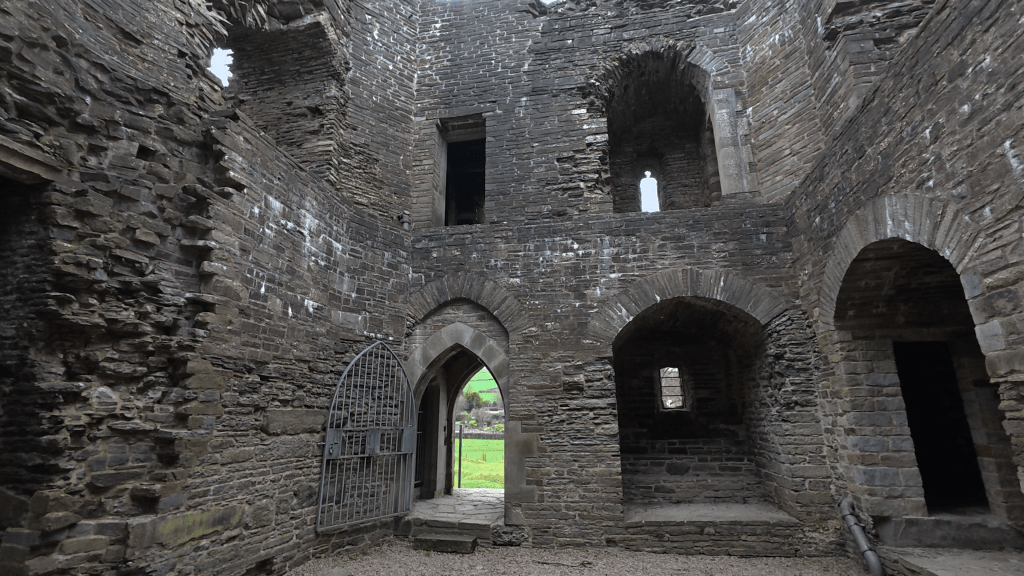
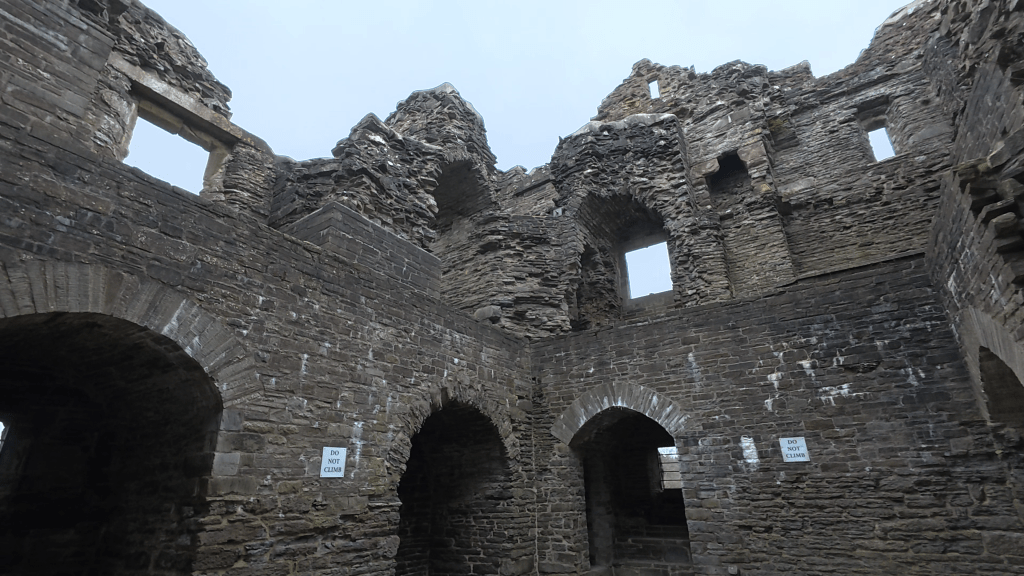
The origins of the castle are much older than the Civil War. It began as an earth and timber motte-and-bailey in the late 12th century, later rebuilt in stone by Walter de Hopton during the 1260s. Interestingly, the castle was designed more as a high-status “tower house” than a serious fortress. If you look closely at the ruins, you’ll notice the walls are surprisingly thin around the windows and the front door was largely unprotected. It was built to mimic the grander Clun Castle nearby, serving as a bold statement of the De Hopton family’s wealth rather than a military bunker.
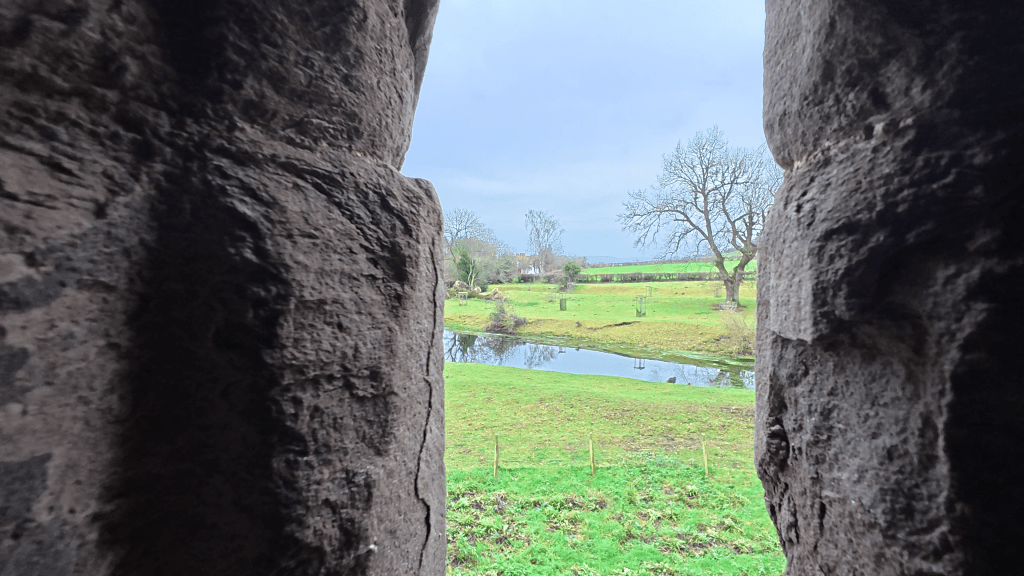
Inside the ruins, you can still trace the layout of a comfortable medieval home. The ground floor likely served as the steward’s office, while the first floor was a high-status hall for entertaining guests. The southwest turret housed a private, heated apartment complete with a twin-seated toilet—luxuries fit for a wealthy 13th-century family. Spiral staircases once connected these floors to a rooftop walkway that offered panoramic views of the Shropshire landscape.
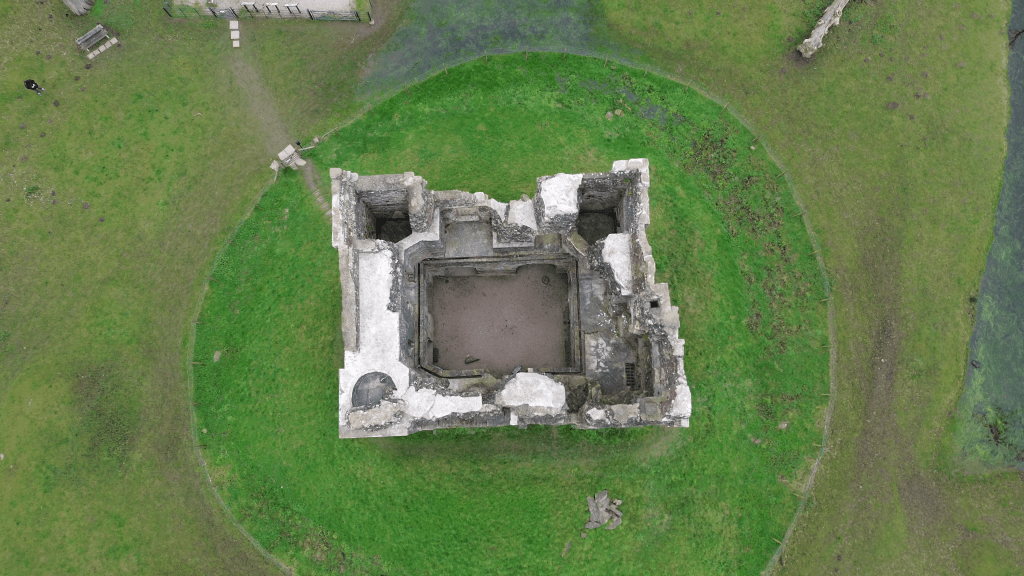
In 2009, the TV show Time Team conducted an excavation here, uncovering a musket part, a cannonball, a Roman coin, and even a human tooth. These finds represent just a tiny fraction of what still lies buried at the site. Managed by a local trust, the castle is free to visit and relies on donations to preserve this “history on our doorstep.” It is a perfect, peaceful spot to sit on a bench and reflect on the incredible resilience—and the ultimate tragedy—of the men who fought here.
If you liked the blog please hit that like button, watch the full video below and consider subscribing if you haven’t already.
Till Next Time!
 Pinned on Places
Leave a comment