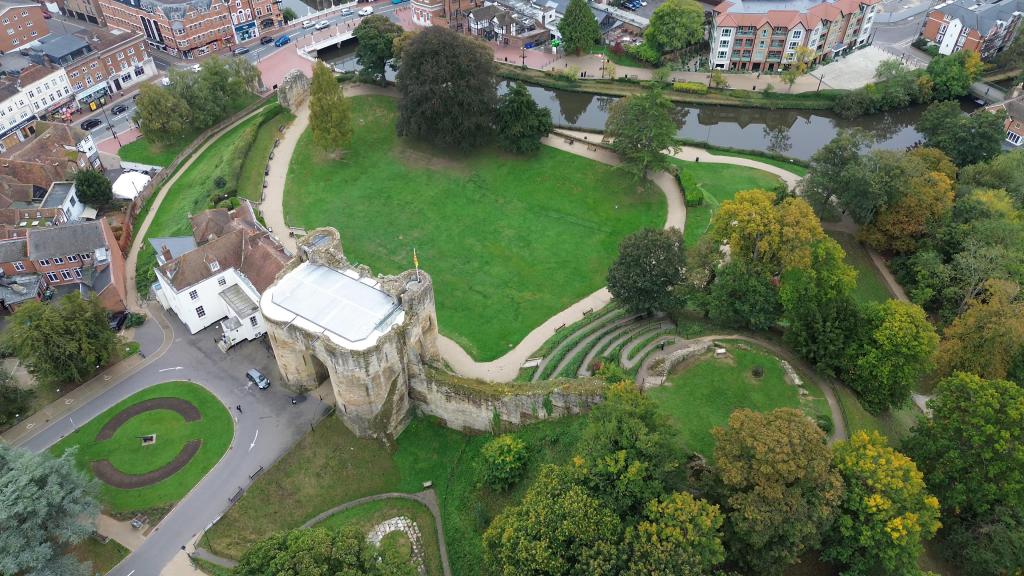
In this post, we are visiting a guardian and a fortress that has been besieged, burned, slighted, and quarried, yet still stands defiant. Anchored by a monstrous earthen mound, we’re here at the atmospheric Tonbridge Castle in Kent. We unravel a story of kings and archbishops, murderers and mercenaries who helped shape and write 900 years of English history.
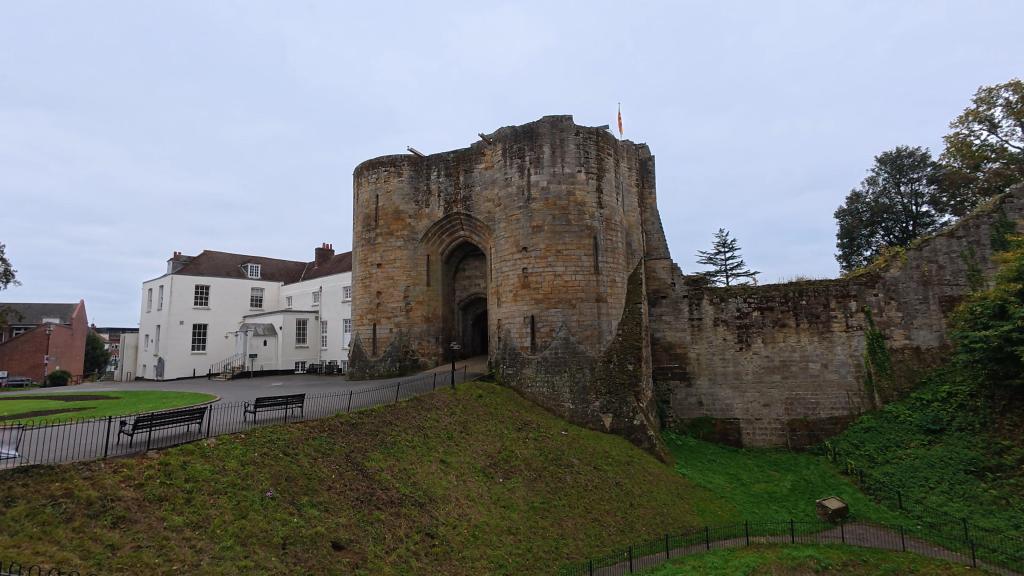
Tonbridge’s story begins shortly after 1066 when William the Conqueror gifted this land to Richard FitzGilbert de Clare. He immediately set about building a classic Norman motte-and-bailey. The motte—a man-made mound weighing a staggering 30,000 tones—was crowned with a wooden keep. In 1088, the de Clares rebelled against William II; the King’s army burned the town and besieged the castle, yet the family remained in ownership. Over time, the wooden defenses were replaced with stone quarried from local golden Tunbridge Wells sandstone.
The de Clare family were no strangers to controversy. In 1163, during a dispute with the Archbishop of Canterbury, Roger de Clare famously forced the Archbishop’s messenger to eat a legal document, including the parchment and wax seals! The family later supported the Baron’s Revolt leading to the Magna Carta in 1215, which saw King John retaliate with another siege. By 1253, the castle we see today began to take shape as a formidable stone fortress designed to control the vital River Medway crossing.
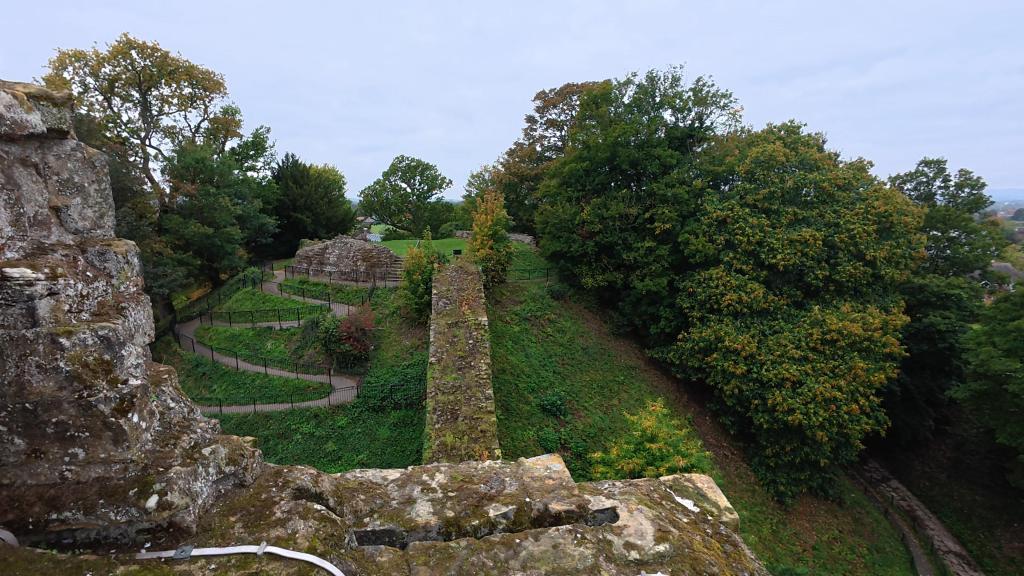
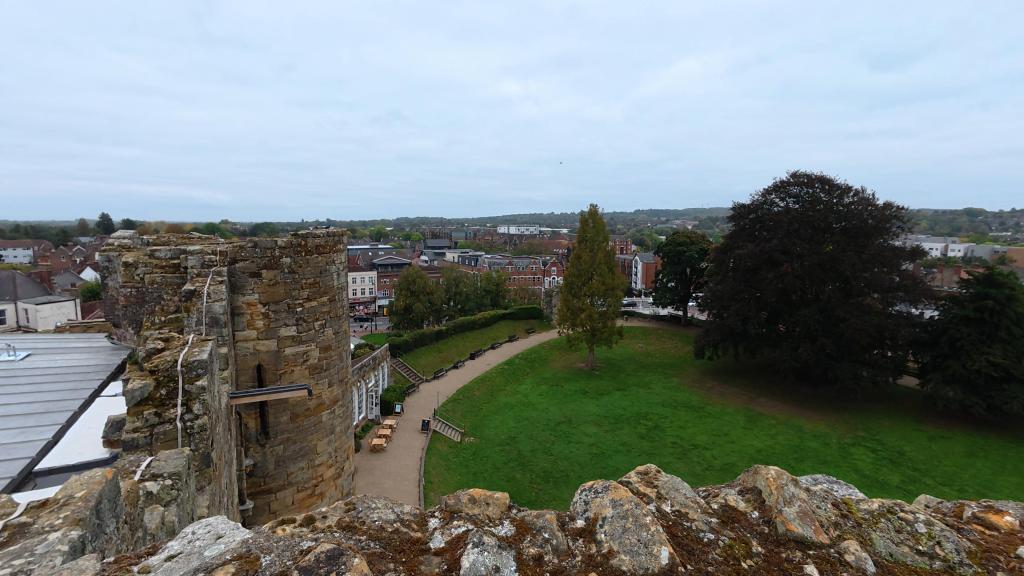
The architectural masterpiece—and the main feature visitors see today—is the stunning, twin-towered Gatehouse. Built in the 13th century, this was a “fortress in miniature,” designed to hold out even if the rest of the castle fell. It features walls nearly three meters thick, multiple portcullises, and a sophisticated drawbridge mechanism. Inside, the levels contained a well-stocked basement, a ground floor for guards, and a magnificent Great Hall on the upper floor that once hosted royalty like Edward I.
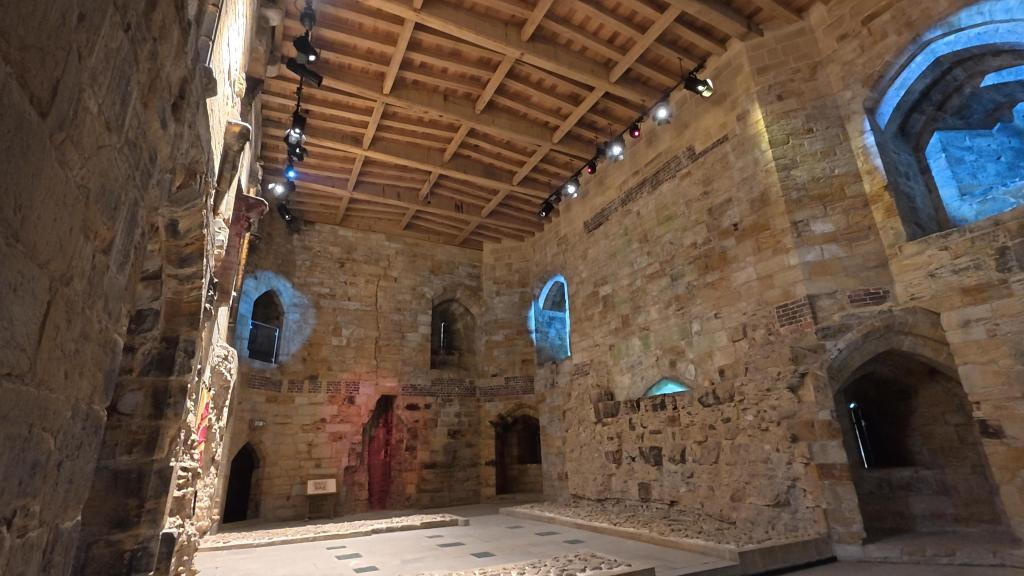
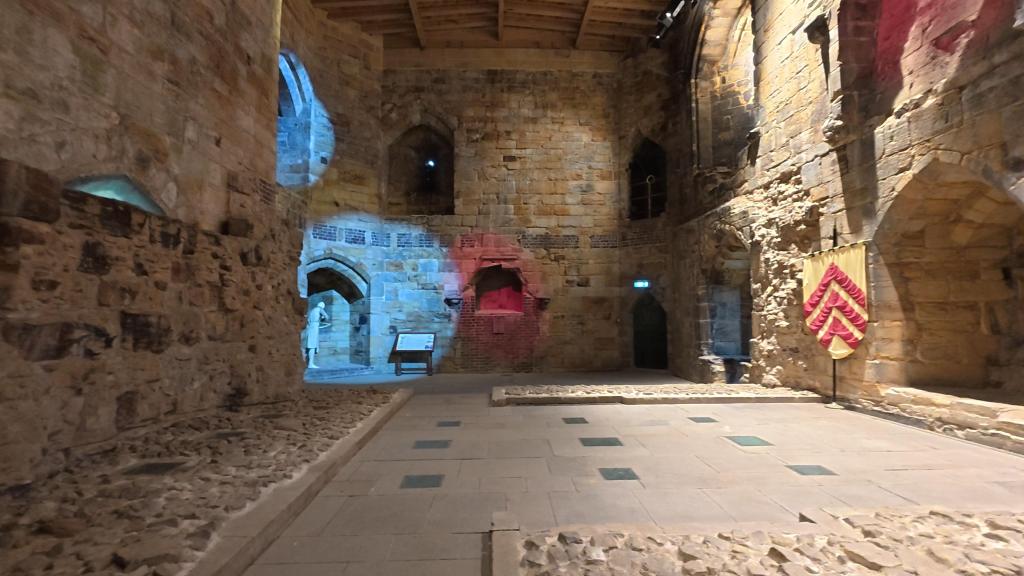
The castle’s life as a military stronghold ended after the Civil War when it was “slighted” (intentionally damaged) to prevent its further use. During the 18th century, much of the stone was carted away to build locks and bridges along the river. In 1791, Thomas Hooker built a Georgian mansion onto the surviving gatehouse. Today, you can explore the gatehouse with an audio guide, visiting the vaulted semi-basement—complete with a real-life “secret passage” linking the two towers—and climbing the winding stone staircases for beautiful views of the historic landscape.
With such a long, violent history, it’s no surprise that Tonbridge is cited as one of Kent’s most haunted spots. Locals report sightings of a “Woman in White” and the disembodied screams of Civil War soldiers. One tragic legend involves Elizabeth Lewis, who in 1892 fell into a deep hole while rescuing her dog during renovations. It is said she died of starvation after three days, and her cries for help, along with the barking of her phantom dog, are still heard echoing around the site at night.
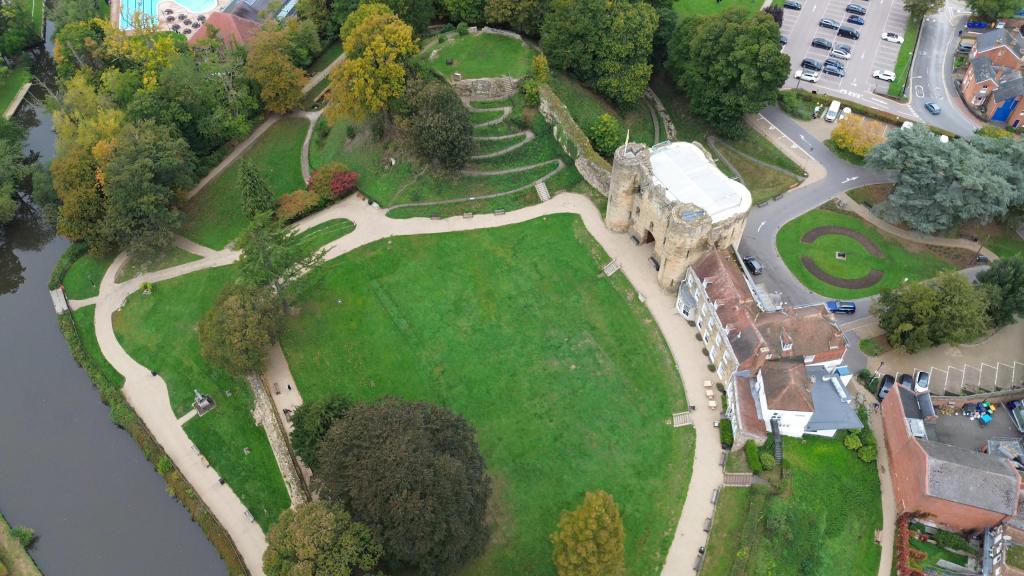
Today, Tonbridge Castle stands as one of Kent’s most authentic medieval monuments. The bailey is a beloved public space, and the preserved Gatehouse offers a tangible connection to nearly a millennium of rebellion, royal visits, and monumental resilience.
If you liked the blog please hit that like button, watch the full video below and consider subscribing if you haven’t already.
Till Next Time!
 Pinned on Places
Leave a comment