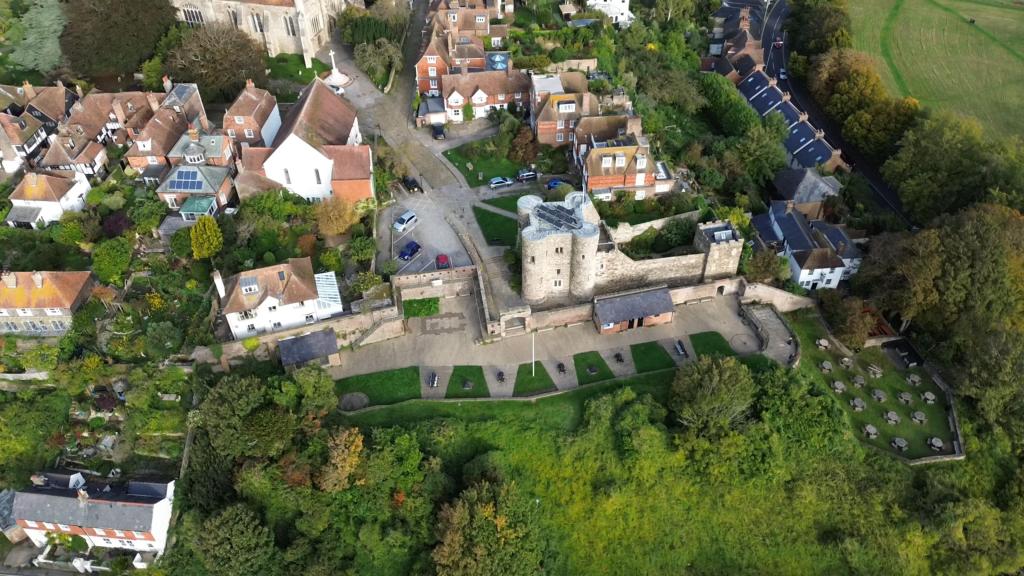
In this week’s post, we venture to the ancient cobbled town of Rye on the Sussex coast, to a castle that doesn’t tower like a giant but more watches over the coast like a lookout. Rye Castle known as Ypres tower is almost as old as Rye itself, and has remained remarkably unchanged over the 750 years since it was built.
This small rugged stone fortress has a history not stained by great battles, but by the centuries of lawlessness and desperate confinement. Whilst many ghosts are said to linger here, none carry the raw brutal weight of John Breads, the blacksmith whose single act of horrific violence stained the towers walls with vengeance and secured him a gruesome fate that kept his spirit bound to the land.
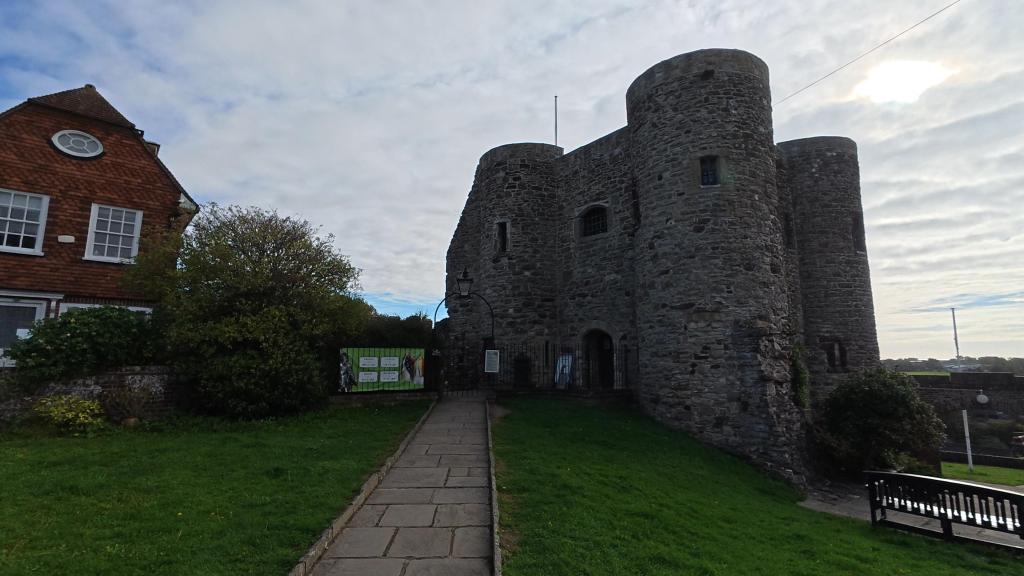
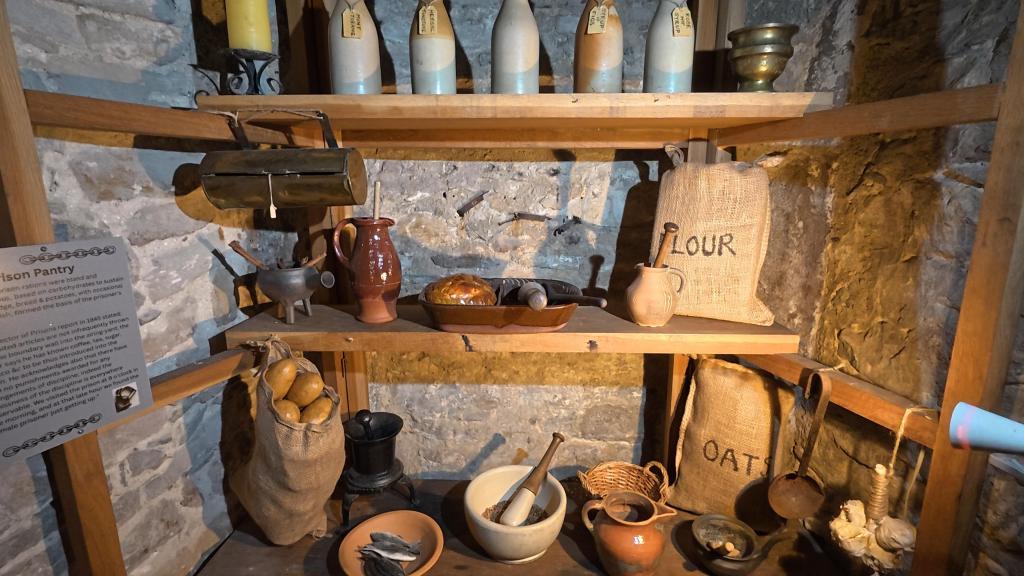
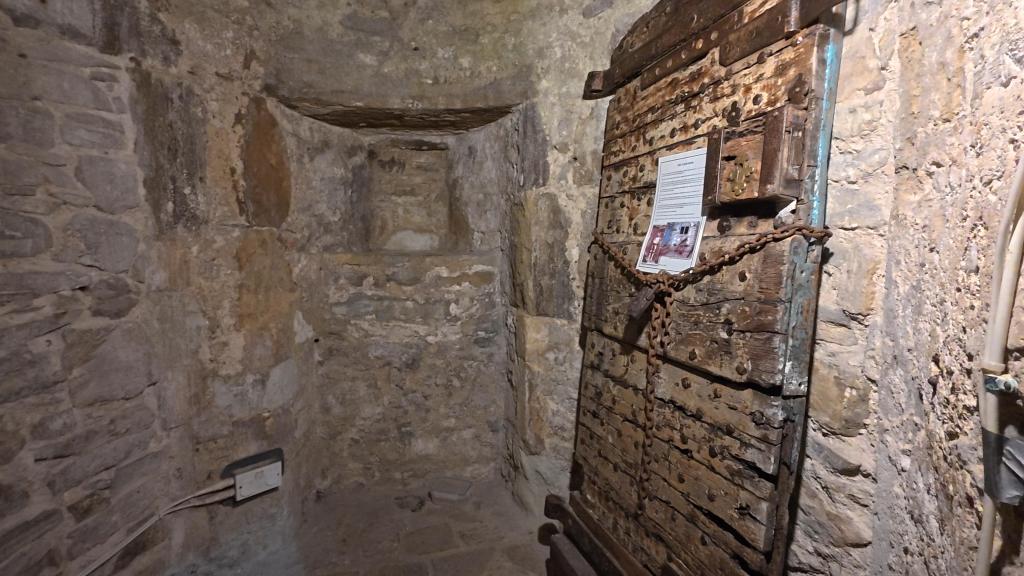
Walking inside into the castle entrance and directly in front of you, you are in fact walking inside the museum part of the castle, with its walls filled with so many interesting facts about who used to live, work and die inside these very walls. The ground entrance floor is where you will find the famous gruesome Bread Gibbet for hanging felons as well as exhibits on police artefacts, original jail cells and the jail kitchen.
The castle began in the mid 13th century when Henry III ordered a fortified tower to be built. In 1377 the town was badly damaged in a raid by the French, the invaders burned down most of the town, but the castle was one of the very few buildings to survive. Later in the 14th century around 1430, the corporation of rye sold the castle to Jean d’Ypres, a cloth merchant. As his name suggests, Jean was a native of Ypres in Belgium but he owed several other properties in Rye.
He sold the castle in 1452 just 22 years after he brought it but his name continues to be linked to the castle to this very day. The castle then passed through the hands of several private owners until the corporation of rye bought it back in the late 15th century and by 1495 it was used primarily as a jail and court hall.
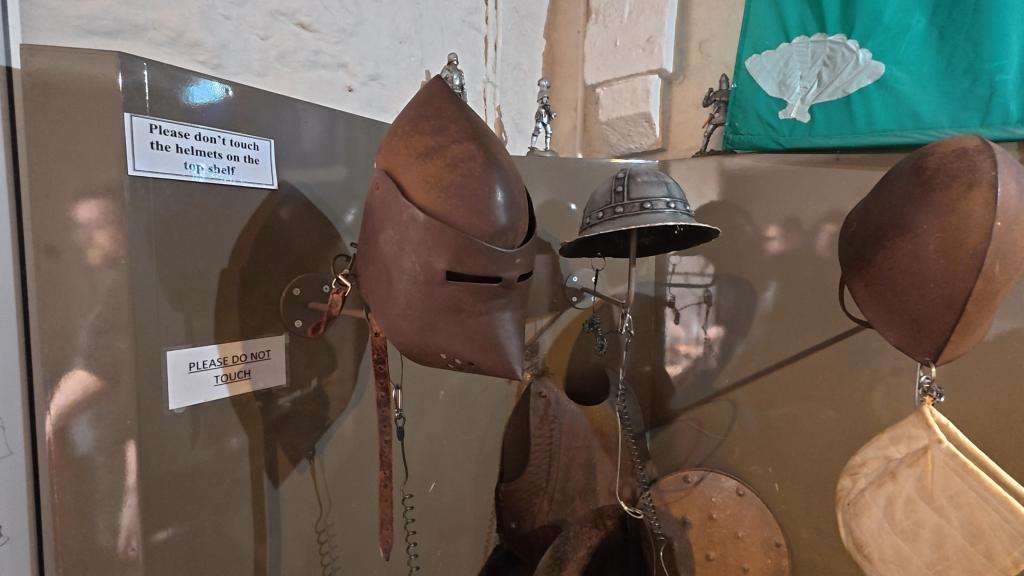
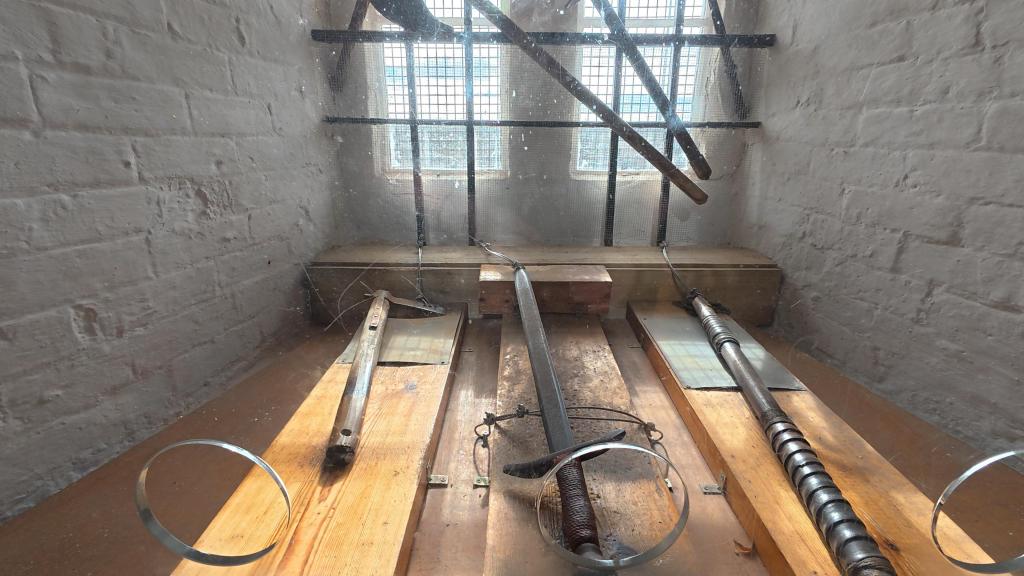
There are three floors to explore in the castle, the one we walk down into now is below ground level has examples of all things armour. There is a plethora of weapons such as swords, bows, chainmail, helmets and costumes that you can feel, see up close and experience. This room also has plenty of interesting history of the surrounds of Rye, it’s connection with the cinque ports and the history of the castle.
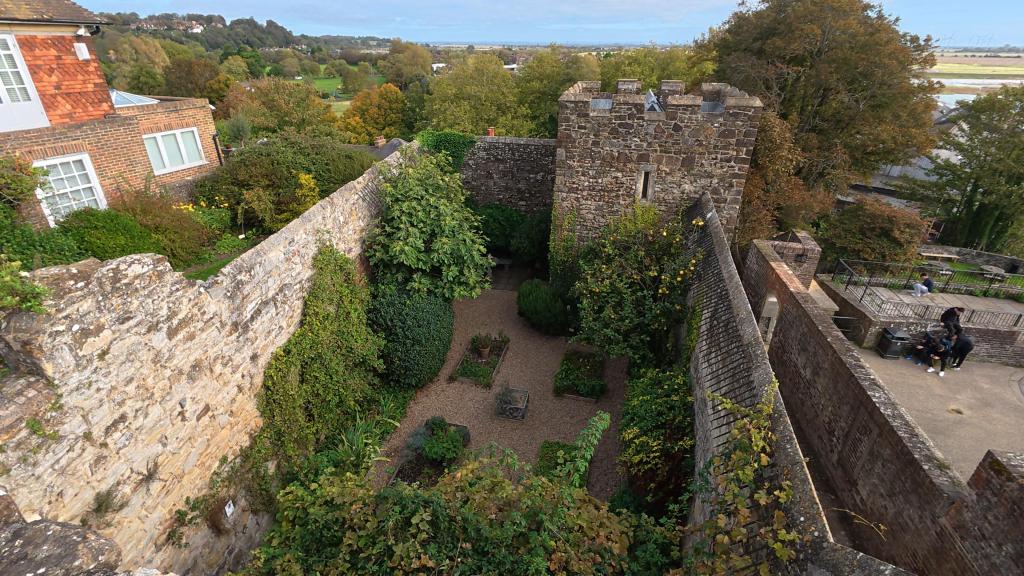
On your way to the other floors, you’ll need to navigate the winding and deliberately uneven stairs to the first floor you can make your way out towards the balcony which gives you extensive and beautiful views across the river and marsh showing off the natural beauty of this commanding position on the outskirts of Rye. From here you can peak down into the carefully crafted medieval herb garden and woman’s prison tower which we will visit later.
Being on this platform really feels like you’ve taken a step back in time in this beautiful town. Following on from the balcony, you’ll find yourself inside this first floor room, where you can see displays on medieval warfare, smuggling, shipbuilding, the cinque ports volunteers and all other fascinating aspects of the history of the town, you will also find a model showing the various changes to the Romney Marsh coastline and the defenses against Napoleon. The amount of items in the showcases are amazing to see, some personal favorites of mine was the town crier’s bell, the cinque ports volunteers rifle Corp helmet and the replica of HMS rye.
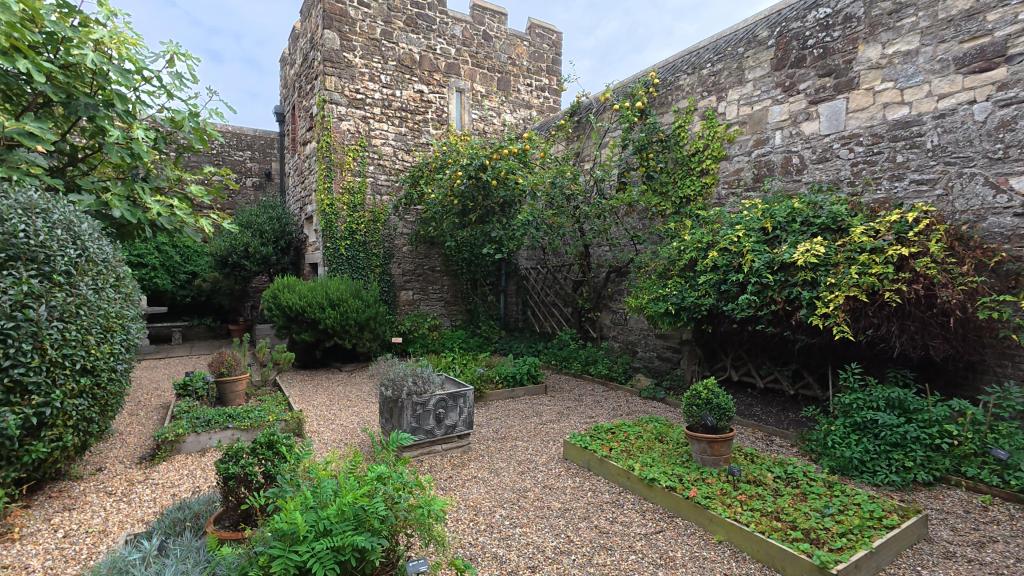
For over 400 years the castle served as the town’s jail, housing vagabonds, debtors, murderers, witches, smugglers, pressed men and those awaiting execution. Penalties included being hung, burnt at the stake although this was very rare, whipped or fined. Now in the once prison area, we walk into the medieval herb gardens filled with medicinal plants and herbs used throughout the middle ages. Inside of these walled gardens, you can get a rare glimpse to see up close and in one of the grim jail cells.
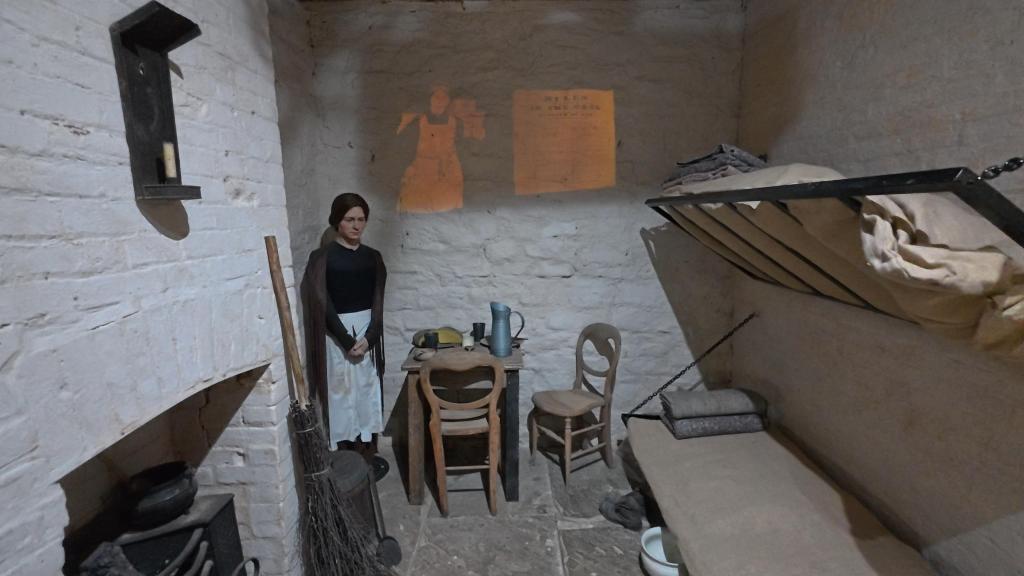
One of the cells in the south west corner is reputed as being padded out and used only for violent or disturbed prisoners. The tower became notorious during the 17th and 18th centuries at the age of the Rye Smugglers. Thousands of pounds of illicit French brandy and silk passed through the town, and the Tower’s cells were constantly filled with captured smugglers, thieves, and those awaiting transportation or the hangman.
Prison reformers such as Elizabeth fry believed that prisons should have basic welfare standards and offer education and religious instruction. She came to Rye in 1835 and after visiting the castle, she encouraged the corporation to build separate cells for women, hence the Women’s tower we visit today. Completed in 1837 with beds and a fireplace, This is thought to be the earliest purpose-built women’s prison in Britain.
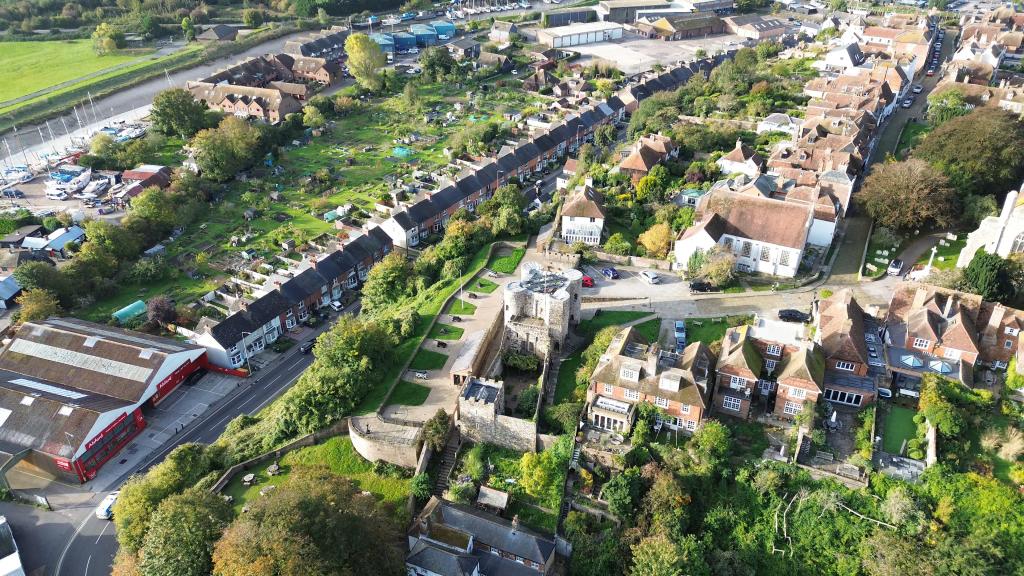
In short, you should visit Ypres Tower because it offers a rare glimpse into everyday medieval and early modern justice and defence, giving you stories of common criminals and desperate defence rather than just royal decree. It’s the genuine, slightly grim heart of one of England’s most picturesque towns.
If you liked the blog please hit that like button, watch the full video below and consider subscribing if you haven’t already.
Till Next Time!
 Pinned on Places
Leave a comment