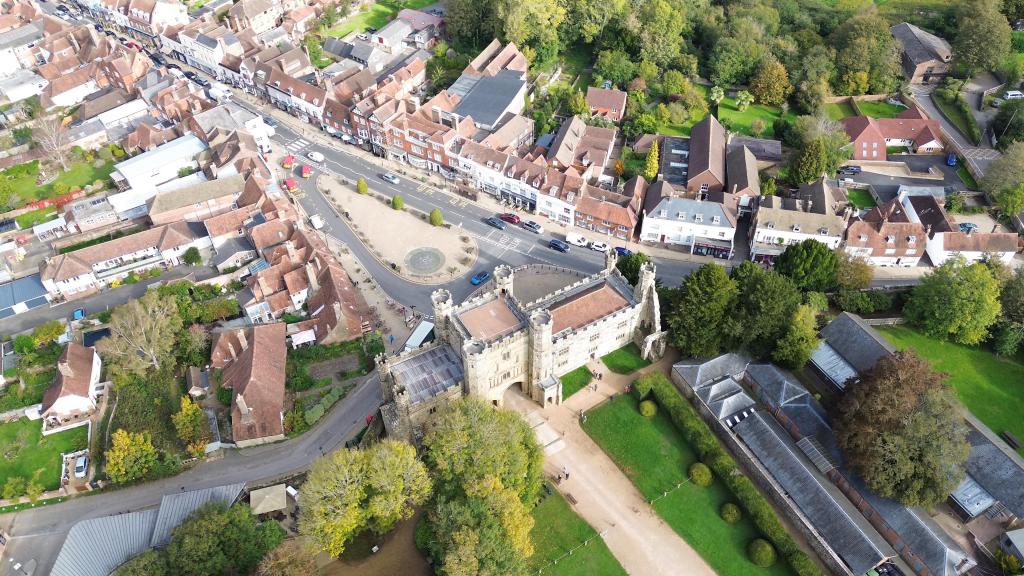
In this post, we are visiting a site where the air carries the weight of one of the most transformative days in English history: October 14, 1066. Battle Abbey is more than a ruin; it is a physical monument to the conquest of England, commissioned by William the Conqueror and built directly upon the bloody summit of Senlac Hill. By royal decree, the high altar was placed precisely where King Harold Godwinson fell, ensuring the defeated king’s final resting place lay beneath the victor’s church.
The Battle of Hastings was decided by exhaustion and lethal tactics. Harold’s English army, fresh from a grueling march from the north, formed an impenetrable shield wall on this very hill. For hours, they repulsed Norman cavalry with massive two-handed battle axes.
The tide only turned when William orchestrated a “feigned flight,” tricking the English into breaking their line to pursue “retreating” Normans. Once on the lower ground, the English were cut to pieces. Harold himself fell in the late afternoon—famously depicted with an arrow to the eye in the Bayeux Tapestry, though many historians now believe he was hacked to death by Norman knights.
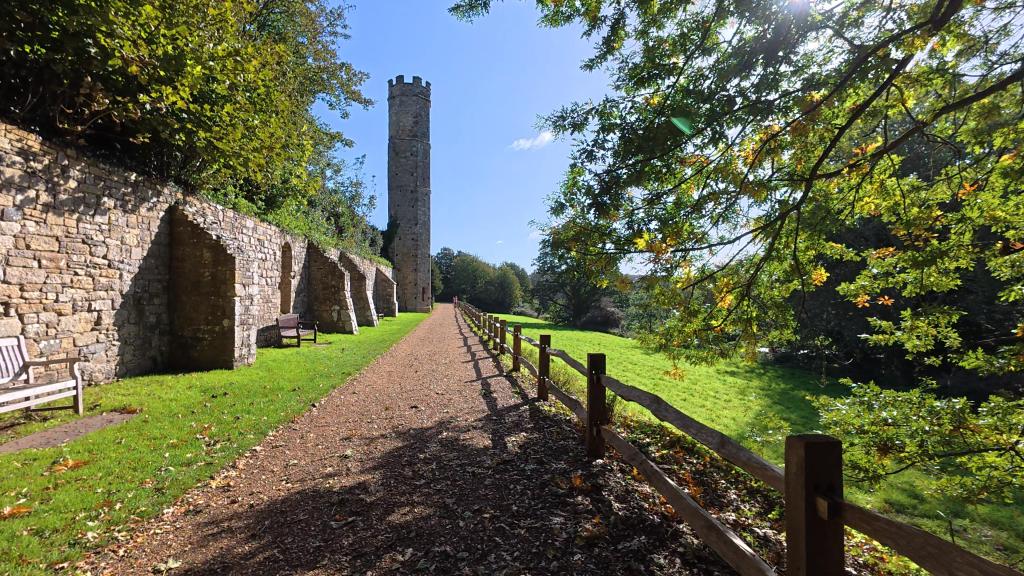
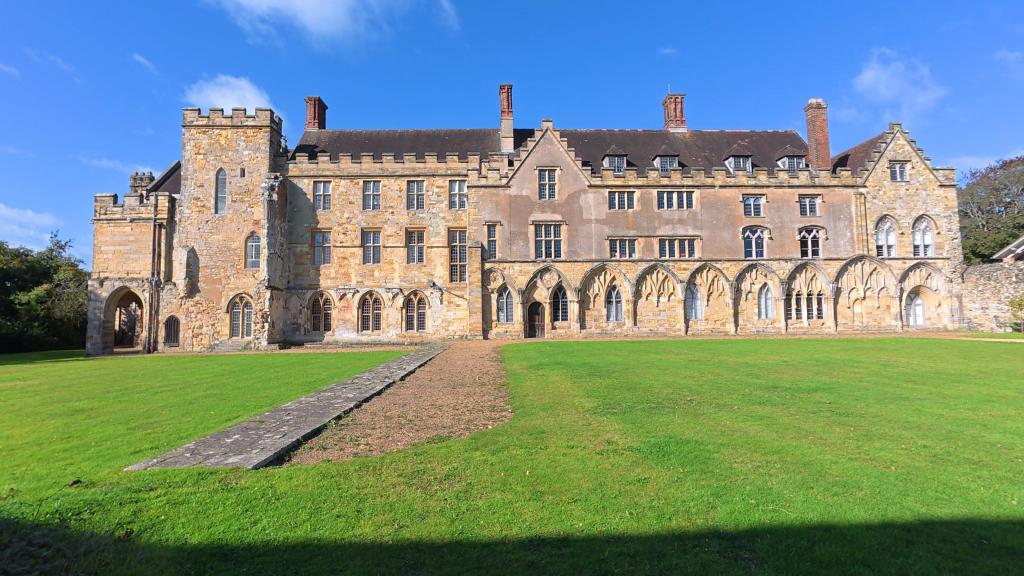
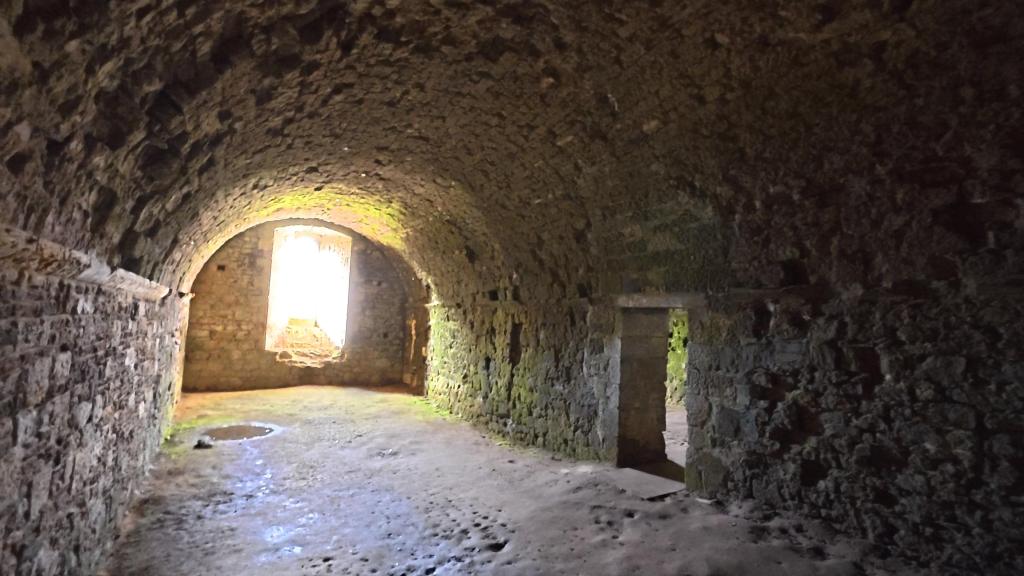
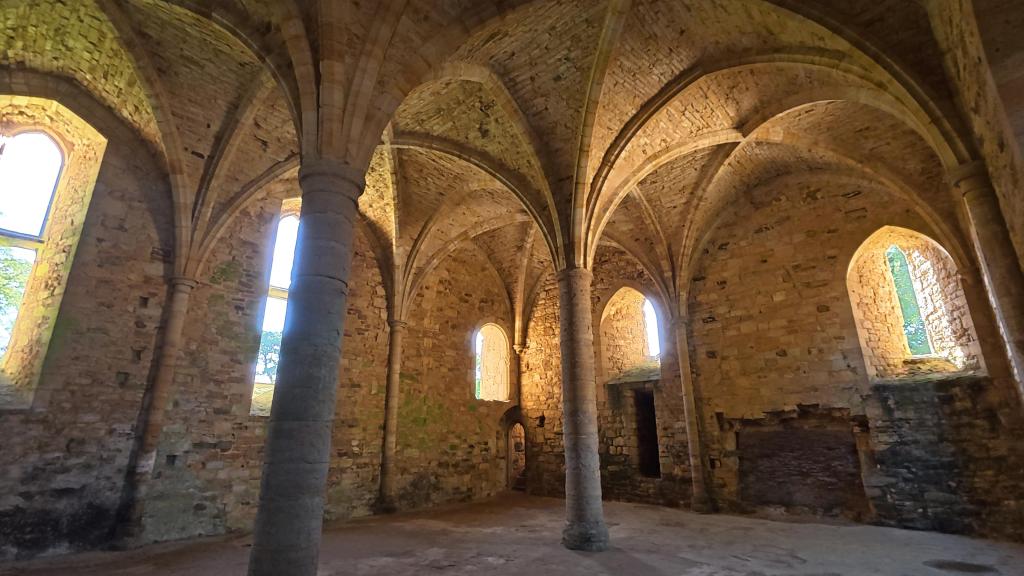
Building the abbey (1070–1094) was an act of profound political theater. William ignored his architects’ warnings about the unstable, sloping hillside, insisting the church rise exactly where the king died as an eternal act of domination. The Benedictine monks here were tasked with a relentless duty: praying for the souls of the dead to absolve the sin of invasion and sanctify the new Norman monarchy. Because of the difficult terrain, the abbey features remarkable stone-vaulted undercrofts, or storage levels, which provided a level platform for the massive dormitory above.
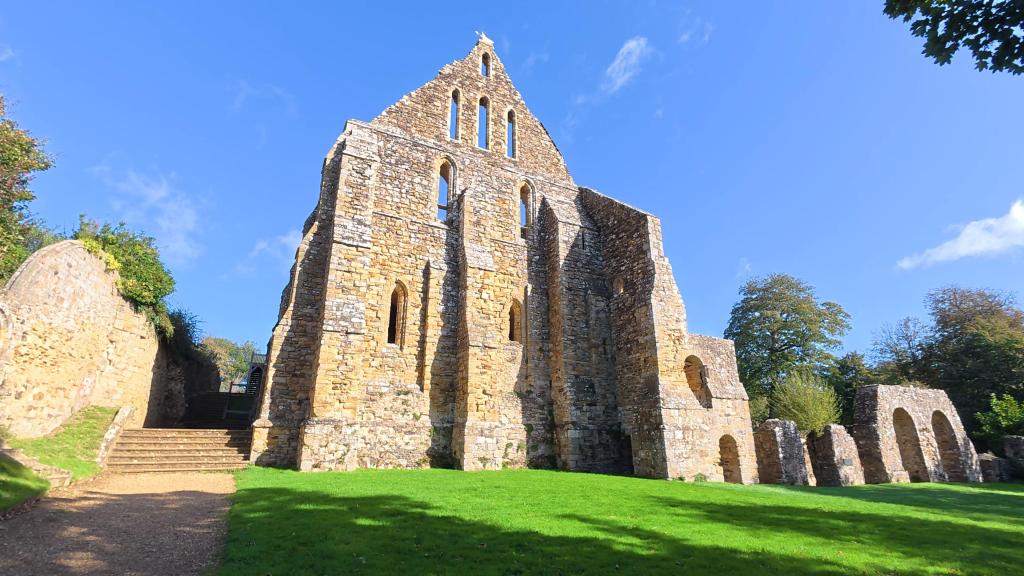
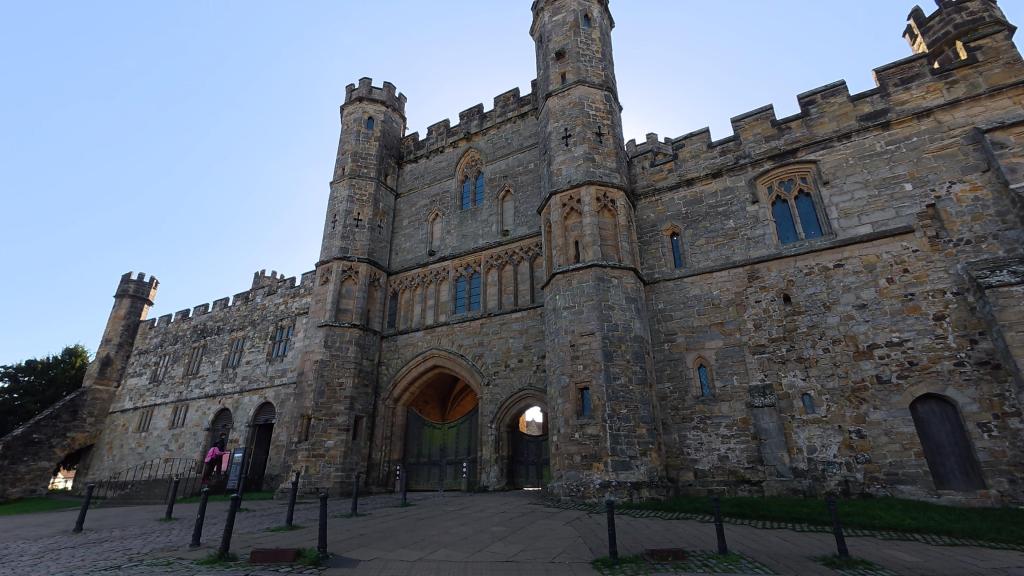
The most imposing structure standing today is the Great Gatehouse. Built later, in the 14th century, it reflects a shift to the Perpendicular Gothic style. With its battlements and arrow slits, it wasn’t just a grand entrance; it was a vital fortification during the Hundred Years War, protecting the wealthy abbey from French coastal raids. It stands as a symbol of the abbey’s dual nature: a place of prayer that was also a formidable spiritual and military garrison.
The violence that soaked Senlac Hill refuses to be entirely contained by stone. Battle Abbey is regarded as one of the most spiritually active sites in the country. Local legends claim the ground near the high altar was so saturated with blood that grass refused to grow there for centuries. On the anniversary of the battle, visitors have reported hearing the clash of shields and the shouts of commanders echoing across the fields. The most famous haunting is that of a tall figure in armor near the high altar, believed to be the restless spirit of King Harold, eternally waiting for the battle’s end.
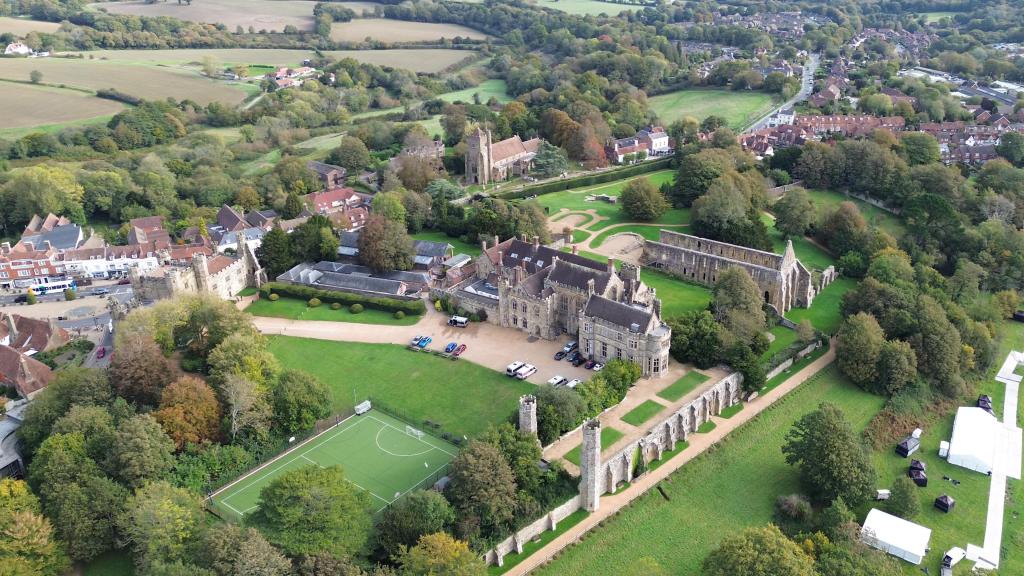
Today, Battle Abbey remains a powerful site linking triumph and tragedy. While the fields are now peaceful and full of flowers, the massive foundations serve as a stark reminder of the 8,000 men who perished here. It is a place where you can stand on the very spot that altered the course of the English crown forever.
If you liked the blog please hit that like button, watch the full video below and consider subscribing if you haven’t already.
Till Next Time!
 Pinned on Places
Leave a comment