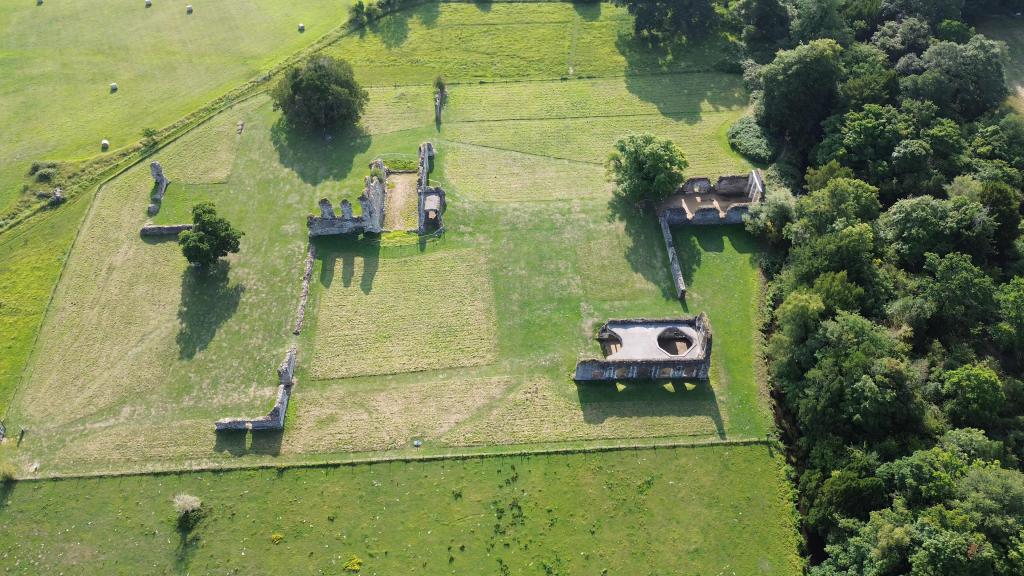
In this week’s post, we are stepping into a peculiar kind of quiet at Waverley Abbey. Tucked into a gentle loop of the River Wey in Surrey, these ancient stones are the elegant, crumbling skeleton of England’s very first Cistercian monastery. Stepping onto the grassy field, you feel less like a tourist and more like a quiet observer of a moment that has patiently waited for centuries. Join us as we walk the remains of Waverley.
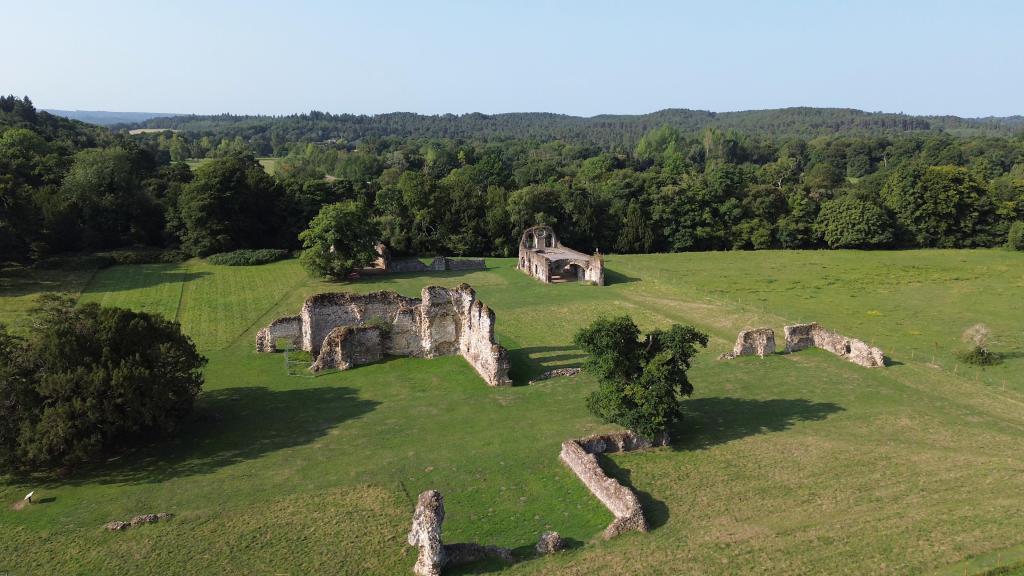
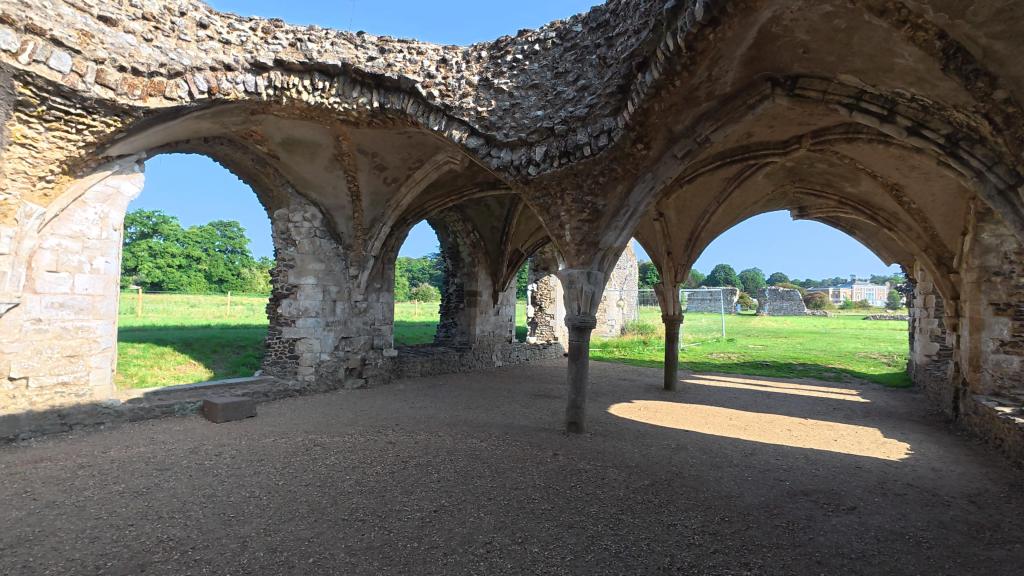
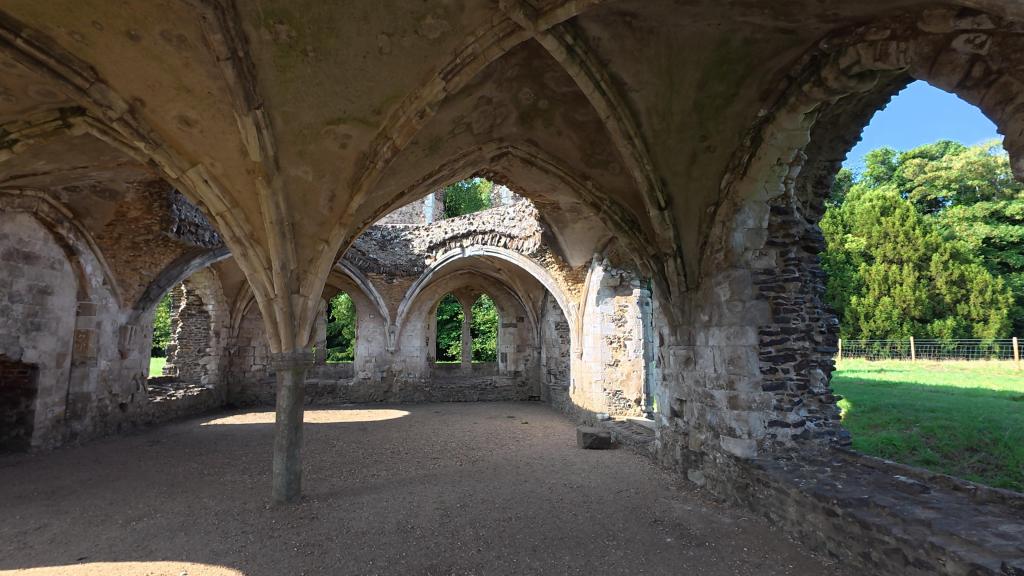
Founded in 1128 by William Giffard, the Bishop of Winchester, Waverley was intended as a place of austere devotion. The Cistercians, known as “White Monks” for their undyed habits, sought a life of prayer and hard labor in total seclusion. They were also shrewd land managers, turning the wool trade into a driving force for the abbey’s economy. Today, the standout is the vaulted undercroft—a cool, shadowed hall that once served as the lay brothers’ dining room. Its stone arches, surprisingly intact, feel like they are holding up the sky.
The abbey’s history was not without drama, particularly its constant battle with the River Wey. In 1201, a devastating flood almost swept the buildings away, leading to a massive 13th-century rebuilding project. The abbey also sat at the heart of political storms; King John confiscated the property in 1208, though his successor, Henry III, later visited in 1225. We know so much of this daily life because the monks painstakingly recorded events in the “Annals of Waverley,” a precious document that survives as a window into their medieval world.
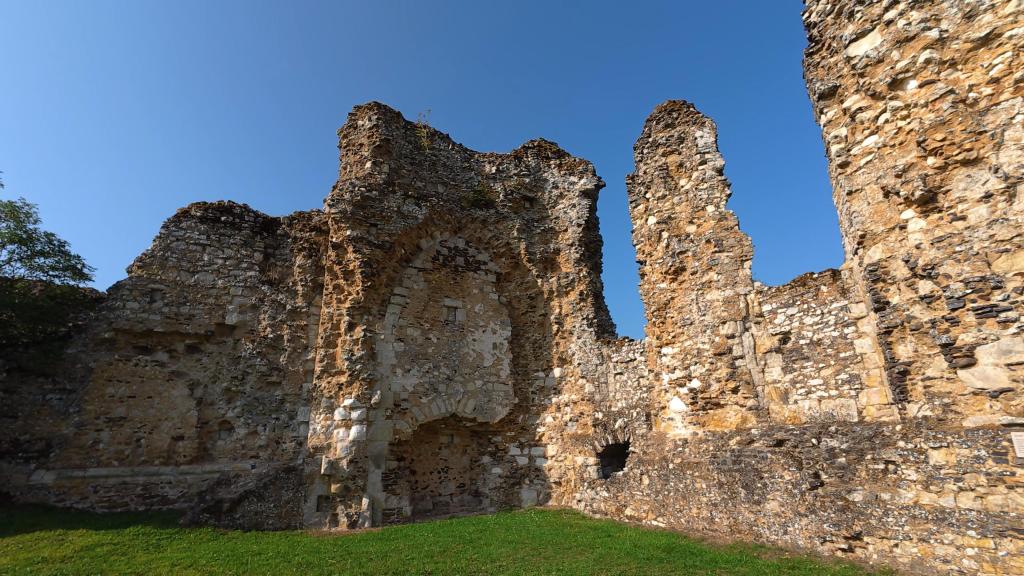
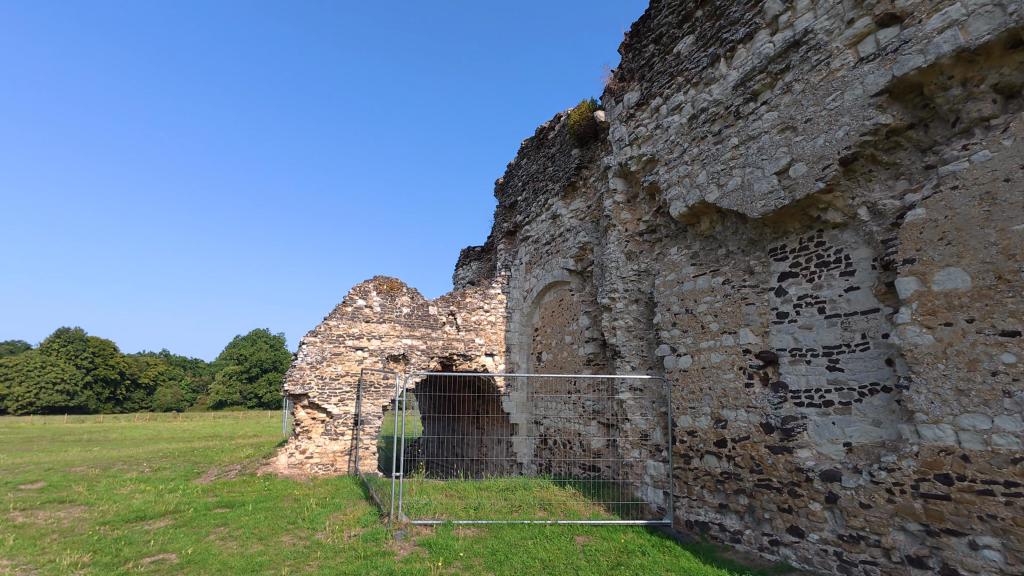
At its peak in 1187, the community housed 70 monks and 120 lay brothers, acting as a “mother-house” for several other abbeys across England. However, this influence ended abruptly in 1536 during Henry VIII’s Dissolution of the Monasteries. Falling just below the crown’s income threshold, Waverley was among the first to be dissolved. Its stone was systematically carted away to build grand local houses like Loseley Park, leaving behind only the haunting fragments we see today—the chapter house walls and the towering gables of the dormitory.
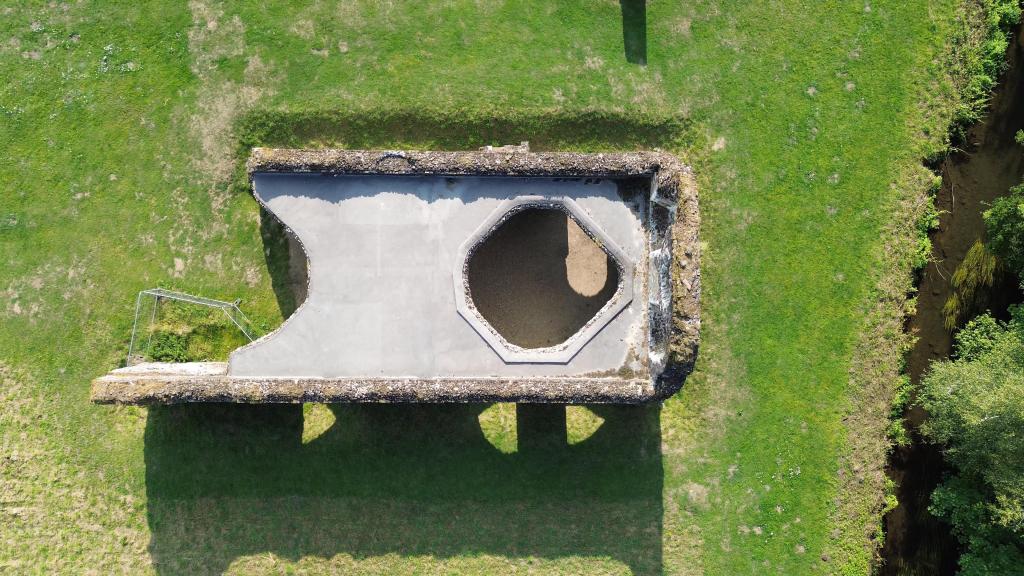
The site’s atmospheric ruins have caught the eye of Hollywood, serving as a filming location for blockbusters like 28 Days Later, Hot Fuzz, and Disney’s Into the Woods. In a final twist of history, the neighboring Waverley Abbey House became the first country home in England to be converted into a military hospital during WWI, treating over 5,000 soldiers. The land that once offered spiritual sanctuary to medieval monks eventually provided a different kind of refuge to men broken by modern war.
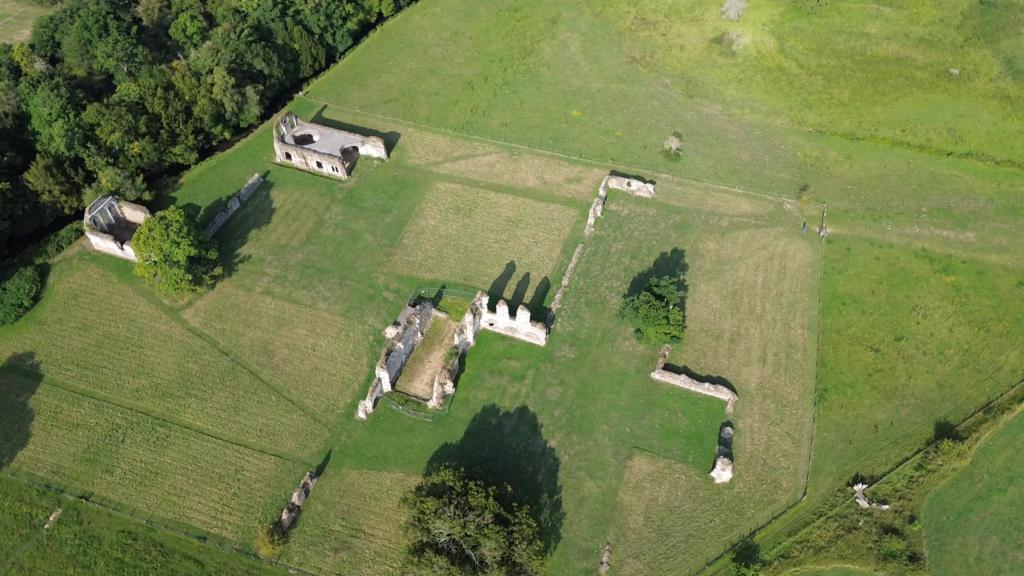
Today, Waverley is a lesson in resilience, its beauty found in its survival rather than its grandeur. It remains a perfect spot to slow down, walk the fields, and appreciate the power of a quiet place. Under the watchful eye of an ancient yew tree—likely planted shortly after the dissolution—the abbey continues to stand as a silent map of a once-vast spiritual empire.
If you liked the blog please hit that like button, watch the full video below and consider subscribing if you haven’t already.
Till Next Time!
 Pinned on Places
Leave a comment