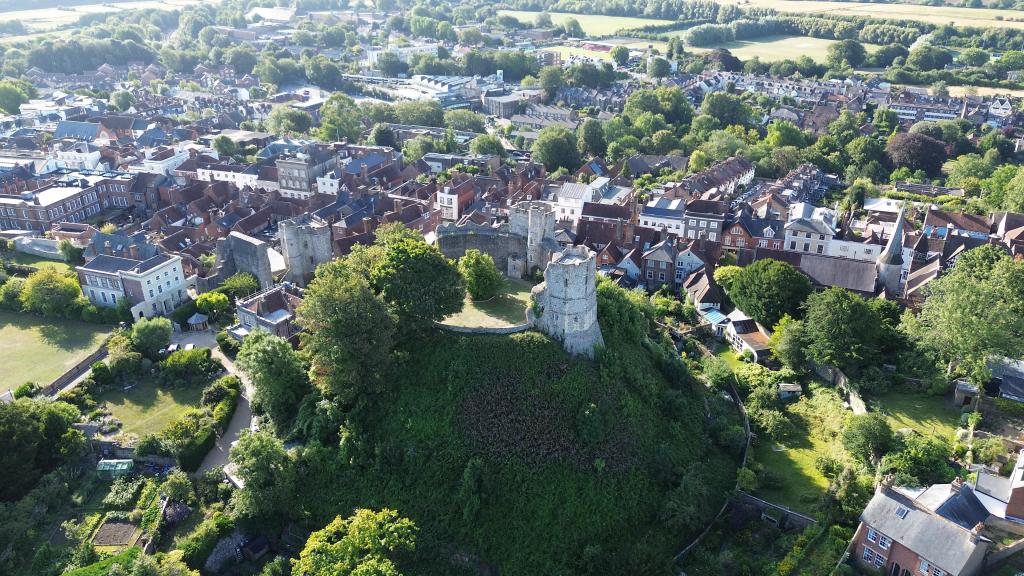
In this week’s post, we are exploring a truly iconic spot in the heart of East Sussex: Lewes Castle. This isn’t just another pile of old stones; it’s a vibrant reminder of Norman power, a clever piece of medieval engineering with its unique twin mounds, and a silent witness to a battle that changed England’s future. Join us as we uncover the gripping tales of powerful barons and kings caught in a bind within these very walls.
Our story kicks off right after the Battle of Hastings in 1066. To solidify his hold on England, William the Conqueror granted land to his loyal fighter, William de Warenne, the 1st Earl of Surrey. Lewes was perfectly placed to control the River Ouse and the South Downs. Between 1067 and 1070, de Warenne began work on the castle—a clear message of Norman dominance. What makes Lewes special is its unusual double-motte design. Instead of one mound, it has two: the central Keep mound and Brack Mount to the west. This twin-motte setup, shared only with Lincoln Castle, provided an unblinking eye over the landscape.
The castle’s most dramatic moment occurred on May 14, 1264, during the Battle of Lewes. This was a defining clash of the Second Barons’ War, sparked by King Henry III’s refusal to follow the Provisions of Oxford. While the King camped at nearby Lewes Priory, his son—the future Edward I—was bunkered here at the castle. During the battle, Prince Edward led a reckless cavalry charge that drew his forces away, leaving his father exposed. The rebel leader Simon de Montfort seized the chance, defeating the royal army and capturing the King. This victory led to the Mise of Lewes, a treaty that famously limited the King’s power and marked a massive step in the development of English democracy.
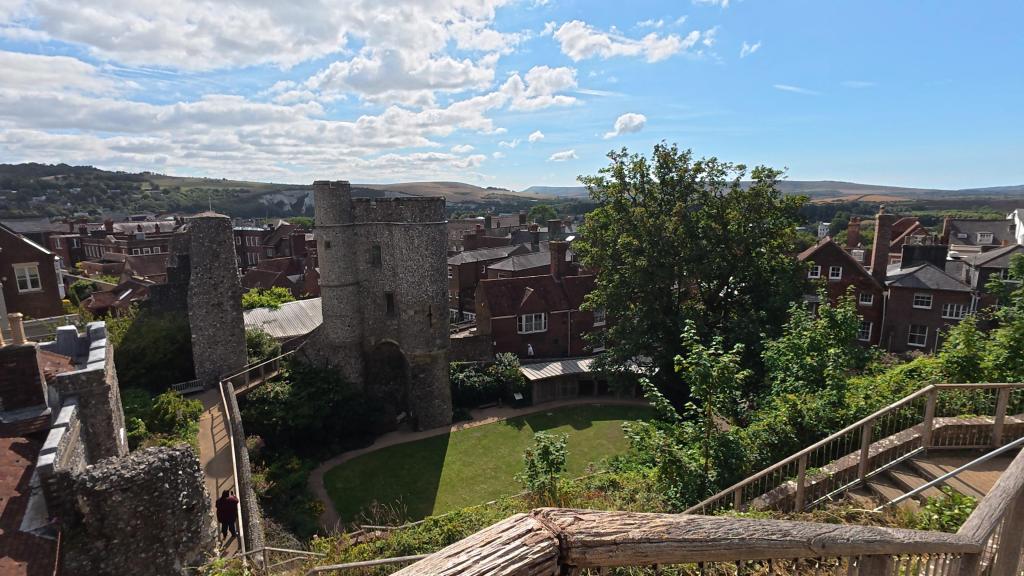
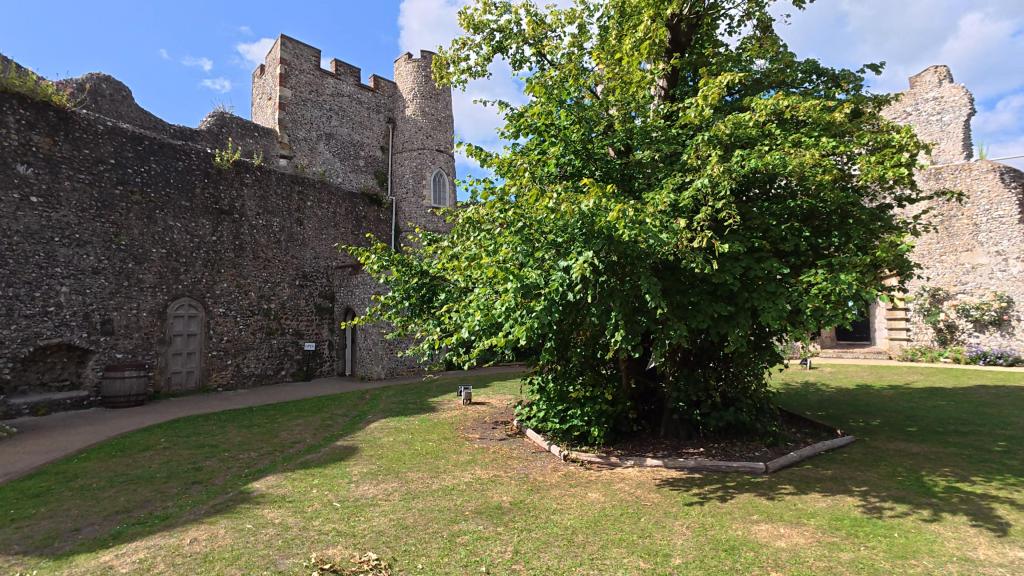
For nearly 300 years, Lewes Castle was the administrative hub for the de Warenne family. However, the line ended in 1347, and the castle eventually passed to the Earls of Arundel, who allowed it to fall into disrepair. Its slide into ruin sped up in 1381 during the Peasants’ Revolt, when a mob attacked the castle, snatching wine from the cellars and tearing up legal documents in defiance of the lords. By the 17th century, the castle was a picturesque ruin, with its stones often reused by locals as building material for their own houses.
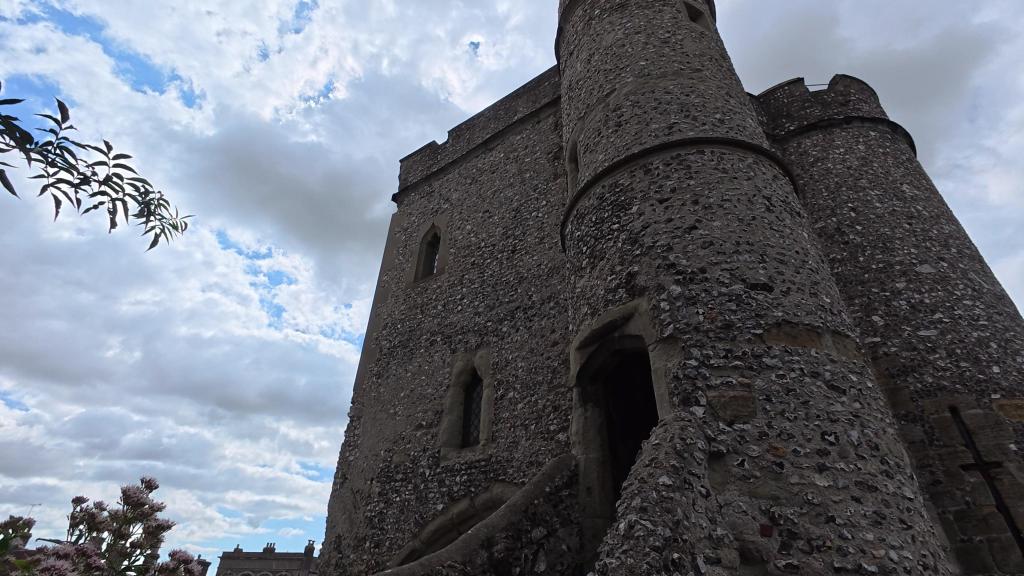
Any place with such human drama is bound to gather ghost stories. Visitors have reported a ghostly monk walking the grounds, his rope belt gently swinging before he vanishes—perhaps a spiritual imprint from the nearby Priory. Another legend tells of a heartbroken Lady de Warenne who watched the 1264 battle from the keep, desperately praying to St. Nicholas to save her husband. While her prayer was answered, some say she died of shock from the horrors she witnessed, her spirit remaining tied to the battlements.
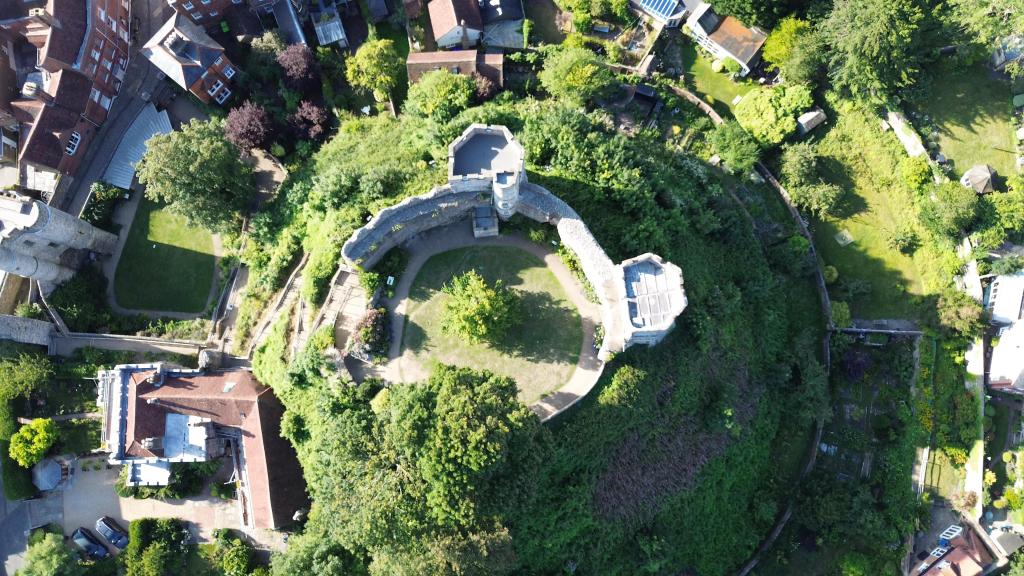
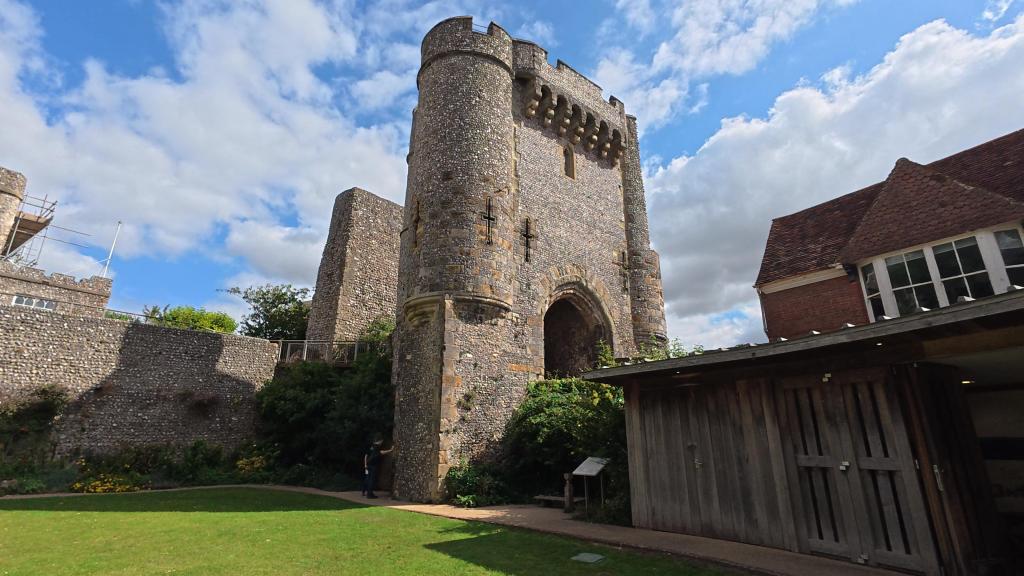
Today, the castle is lovingly looked after by the Sussex Archaeological Society. A visit allows you to explore the exceptionally well-preserved 14th-century barbican, complete with machicolations—openings used to drop boiling oil or rocks on attackers. Climbing the spiral staircase to the top of the Keep rewards you with 360-degree views stretching across the Sussex countryside to the very fields where de Montfort once stood victorious.
If you liked the blog please hit that like button, watch the full video below and consider subscribing if you haven’t already.
Till Next Time!
 Pinned on Places
Leave a comment