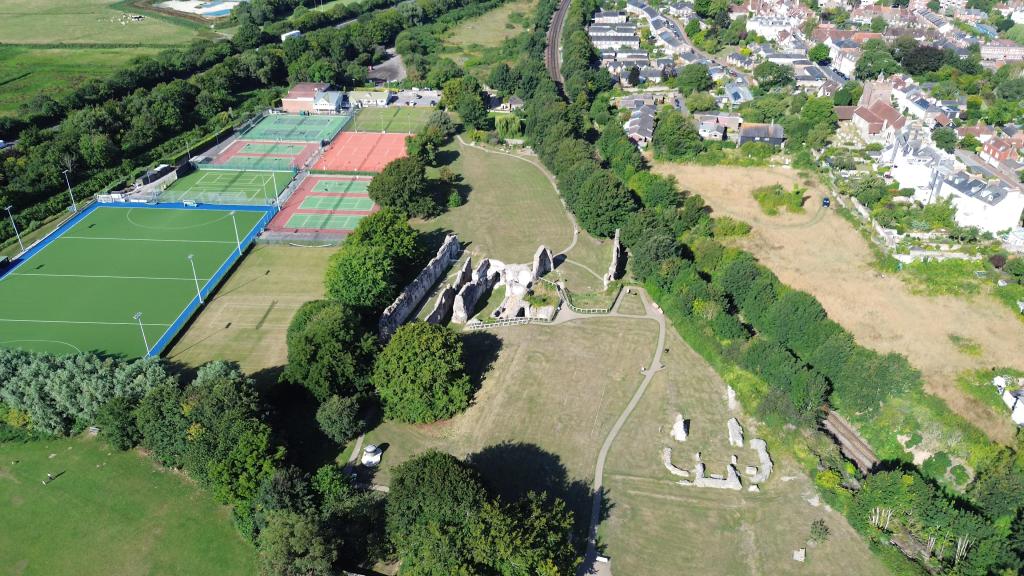
In this week’s post, we are taking a journey to the heart of East Sussex to explore a site of immense historical and spiritual significance. Despite its ruined state, it still exudes a powerful presence: this is Lewes Priory. England’s very first Cluniac priory, it was once an influential powerhouse in medieval England, and its story is as rich and dramatic as the quiet landscape it now inhabits.
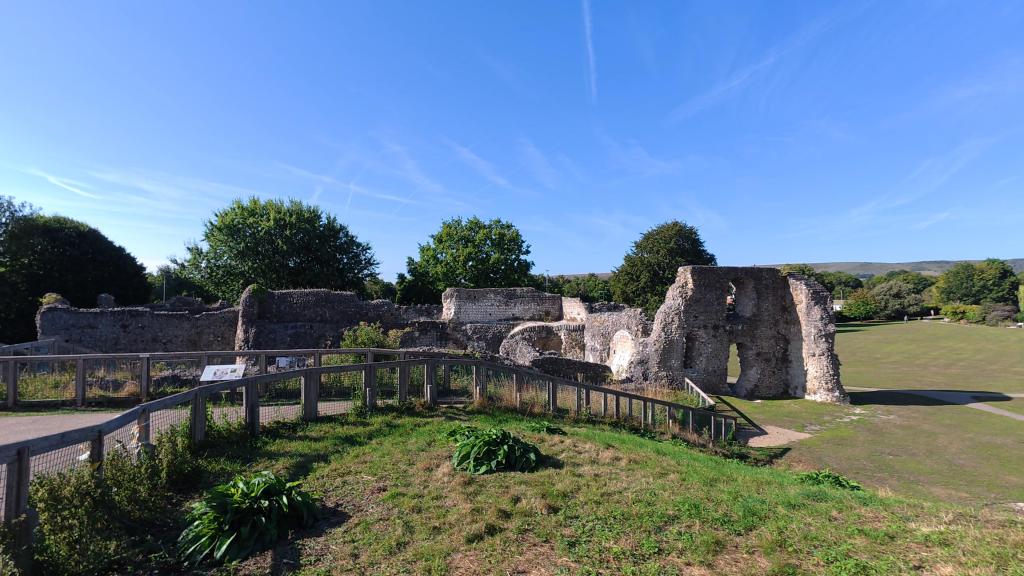
Founded between 1078 and 1082 by William de Warenne and his wife Gundrada, the Priory of St Pancras was a direct extension of the great Abbey of Cluny in France. To ensure the highest standards of monastic reform, the founders brought over the first Prior and monks directly from Burgundy. It quickly grew into one of the wealthiest monasteries in the country, featuring a Great Church that eventually became longer than Chichester Cathedral, built from exquisite Caen limestone and local Sussex marble.
Life for the monks was a highly structured cycle of worship known as the opus dei, with eight services daily. Beyond prayer, the Priory was a self-sufficient hub with its own water mill, bakery, brewery, and productive orchards. It even boasted a sophisticated reredorter (toilet block) built over a flowing sewer—one of the earliest advanced sanitation systems in England. Despite this focus on peace, the Priory was thrust into the center of the Battle of Lewes in 1264, when King Henry III and Prince Edward retreated to its walls for sanctuary after their defeat by Simon de Montfort.
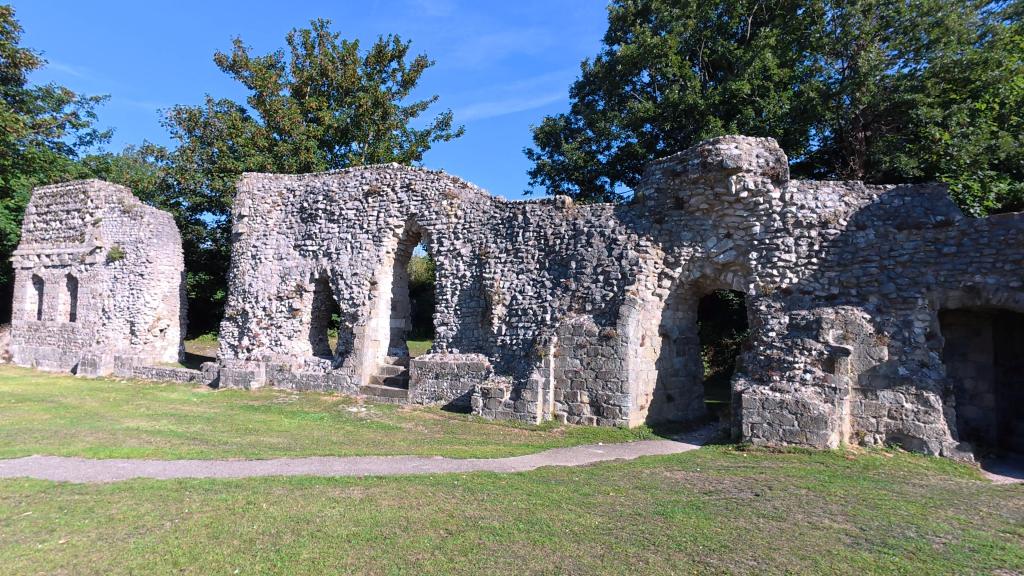
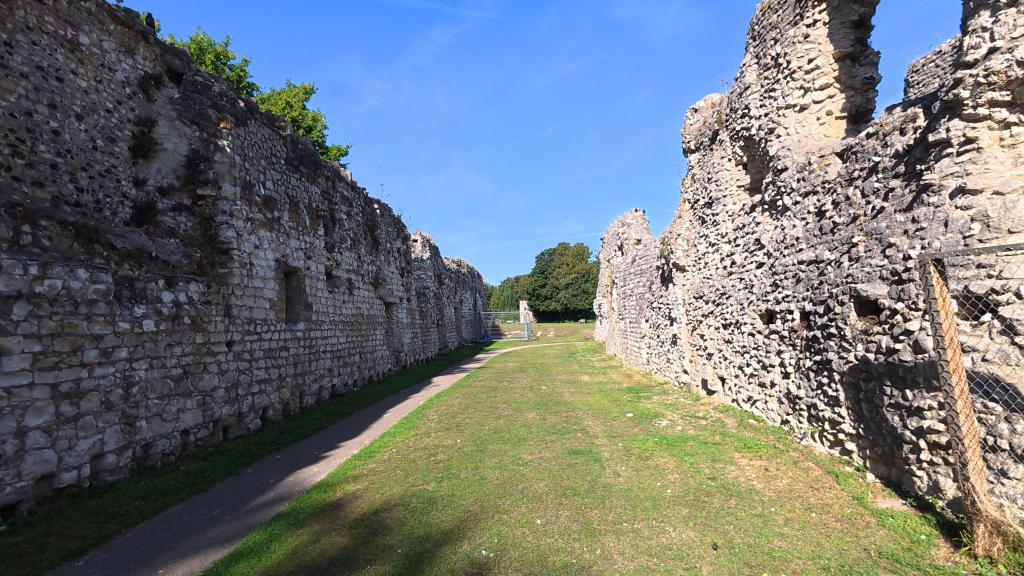
The grandeur of Lewes came to a brutal end during the Dissolution of the Monasteries in the 1530s. Thomas Cromwell hired an Italian engineer, Giovanni Portinari, to dismantle the buildings with industrial efficiency. Using innovative techniques like undermining walls and setting fires, the massive structure was brought down with alarming speed. The lead from the roofs was melted in portable furnaces, and the fine stone was carted away to be reused in houses across Lewes, leaving only the flint cores we see today.
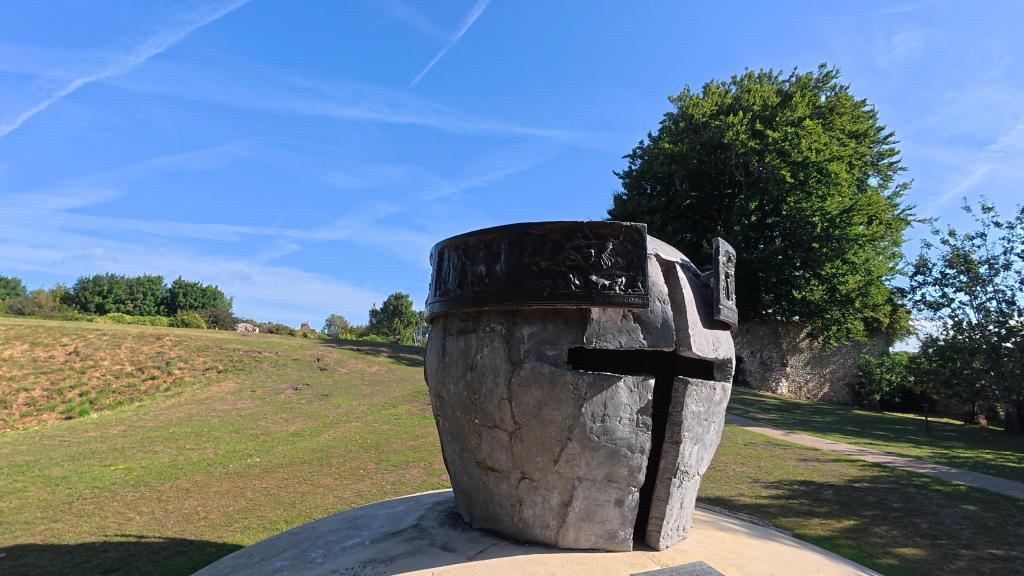
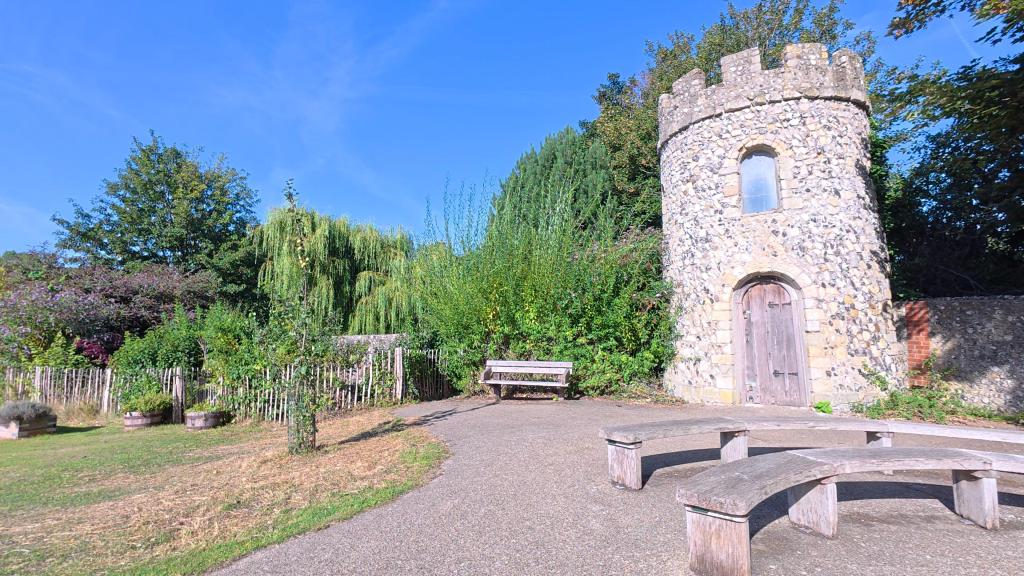
The site continued to reveal its secrets centuries later. In 1845, during the construction of a new railway line that cut directly through the ruins, laborers unearthed two lead caskets containing the bones of the founders, William and Gundrada. While the site is not famous for specific ghosts, the violent destruction and disturbance of graves have led to reports of lingering energies and the faint sound of Gregorian chants drifting through the Sussex fog.
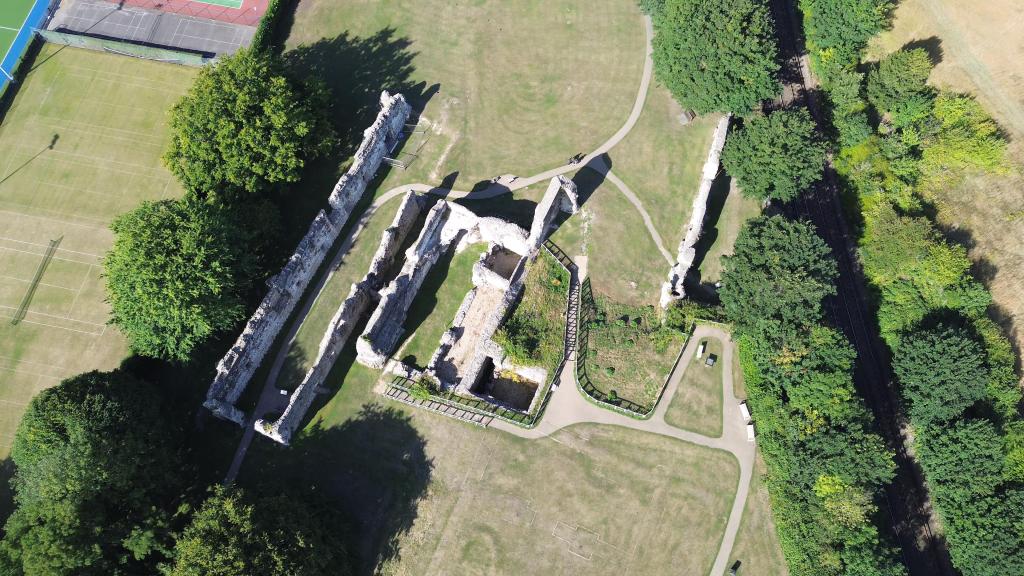
Today, the site is a peaceful public park and a Scheduled Ancient Monument. Walking through the ruins, you can still trace the immense layout of the Great Church and cloisters through subtle earthworks and information panels. It stands as a poignant reminder of faith, power, and the relentless march of change, showing how even the most magnificent institutions can fall, leaving their stories etched into the landscape.
If you liked the blog please hit that like button, watch the full video below and consider subscribing if you haven’t already.
Till Next Time!
 Pinned on Places
Leave a comment