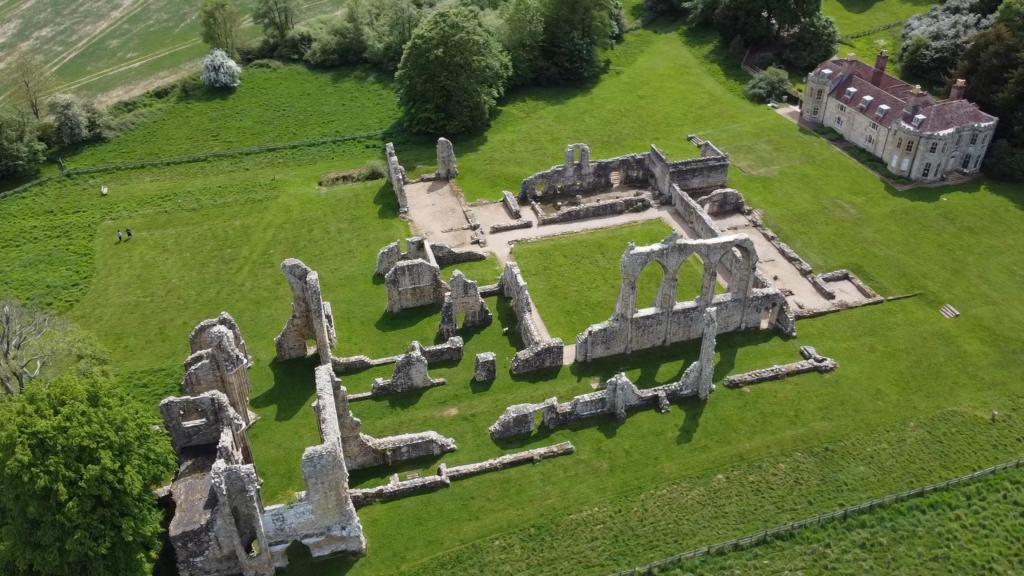
In this week’s post, we are revisiting one of our very first locations to show some extra love to a hidden gem in the Lamberhurst area of Kent. Bayham Abbey is a striking 12th-century monastery founded by the unification of small Premonstratensian houses. Known as the “White Canons” due to the color of their habits, this order was never as popular in Britain as others, making the high-quality ruins of Bayham a truly unique find. Join us for a wander through these atmospheric remains.
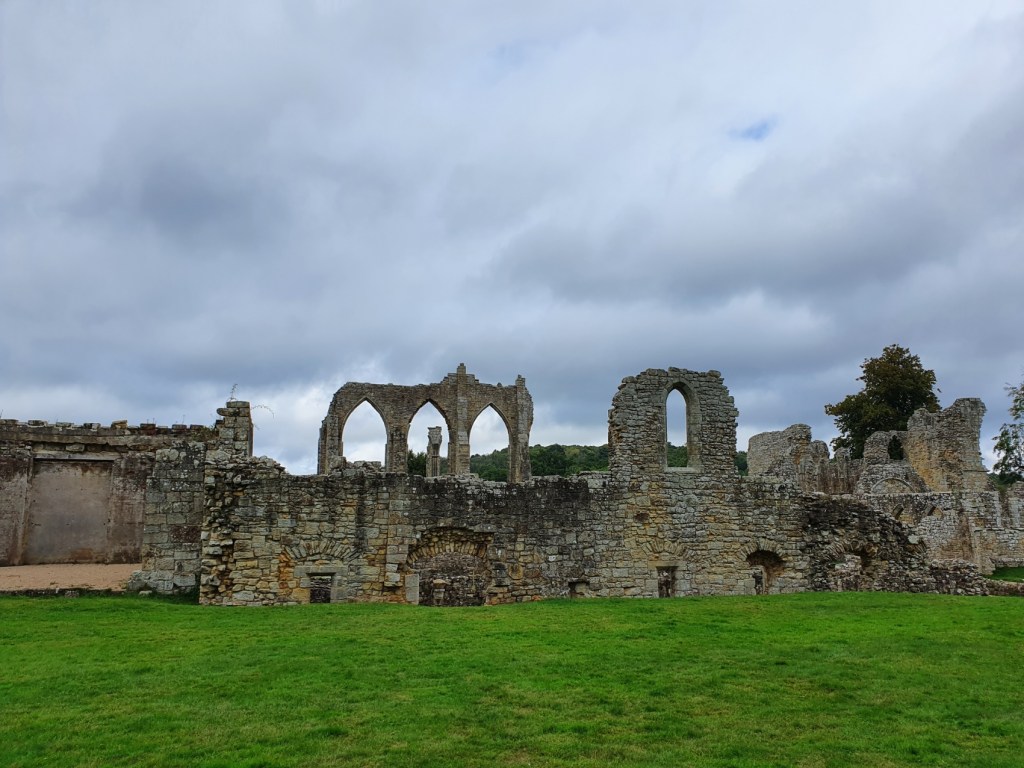
The founder may have been Sir Robert de Thurnham, a rich Norman knight, and his wife Ela. Originally named Beaulieu—French for “beautiful place”—it is easy to see why the monks chose this riverside setting along the River Teise. Often nicknamed “The Fountains of the South,” the abbey is notable for its exceptional medieval sculpture and picturesque landscape. While building began around 1207, much of the graceful architecture we see today reflects the late 13th-century style.
Bayham’s prestige earned it several royal visits; Edward I toured the grounds in 1299, followed by Edward II in 1322. Centuries later, a young Princess Victoria recorded dining here in her diary during a stay at Tunbridge Wells. Interestingly, the abbey didn’t even survive until Henry VIII’s Great Dissolution; it was suppressed early in 1524 by Cardinal Wolsey to fund his new colleges at Oxford and Ipswich. The canons resisted, and there were riotous protests in front of the abbey before Wolsey had his way.
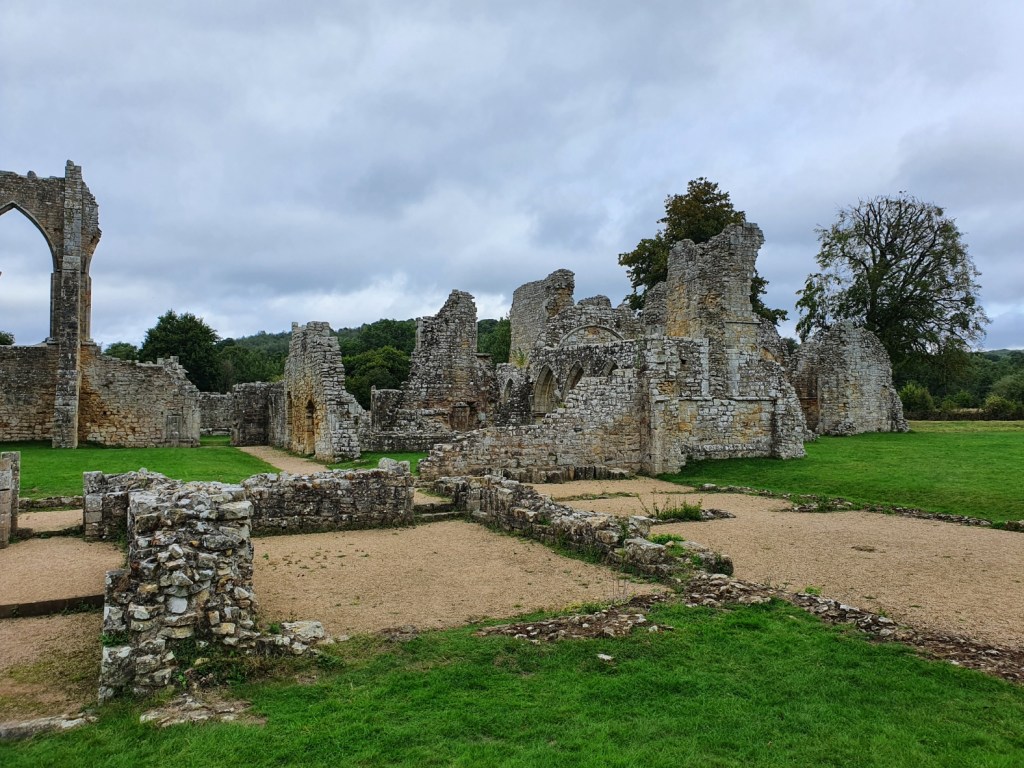
The site eventually passed to the Pratt family in 1714, whose descendants, the Earls of Camden, still own the estate today. In the late 18th century, the famous landscape gardener Humphry Repton and architect William Wilkins worked together to turn the ruins into a romantic “eye-catcher” for the family’s villa. This villa, known as the Dower House, is part of the site today and offers a glimpse into the elegant lifestyle the family once enjoyed.
The cloister was the heart of the monastery and provided uninterrupted access to the abbey’s most important buildings. At its center was an open space, likely planted with fruit trees, surrounded by covered walkways where the canons could read or study. On the ground floor of the east range was the chapter house and the canons’ day room, with the dormitory above. If you look closely at the windows around the cloisters, you can see very faint traces of graffiti, probably scratched by a bored canon when he should have been studying.
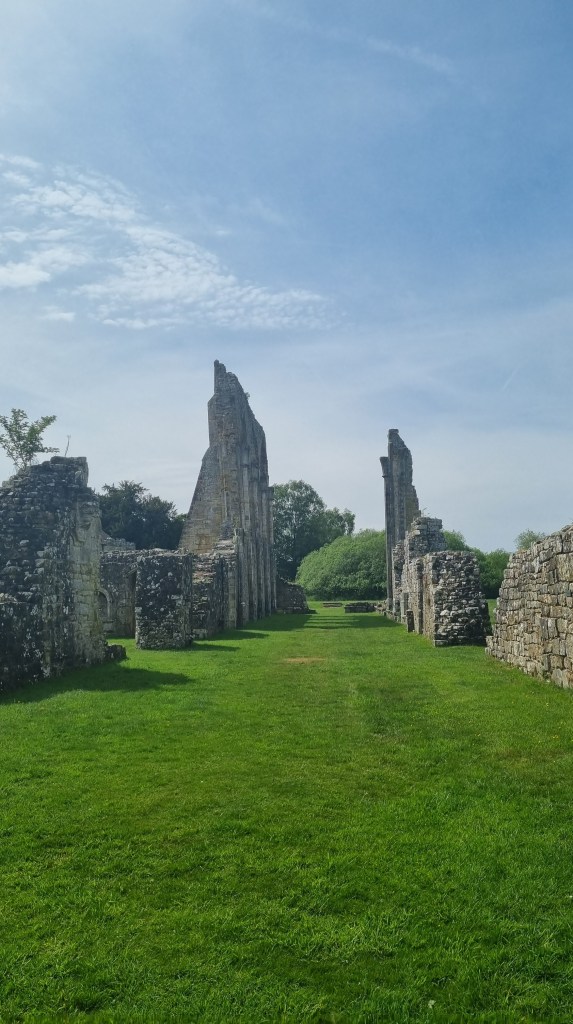
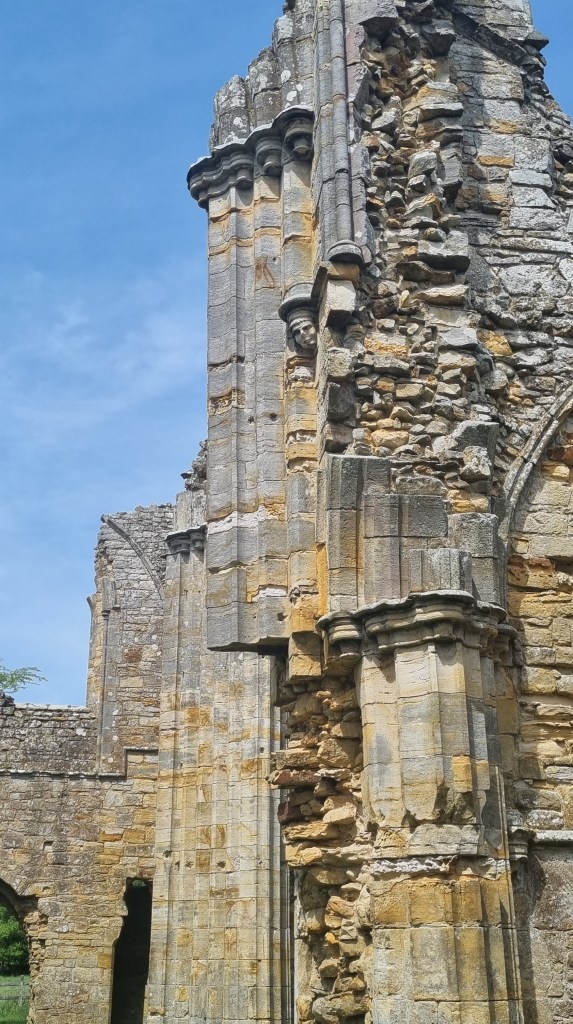
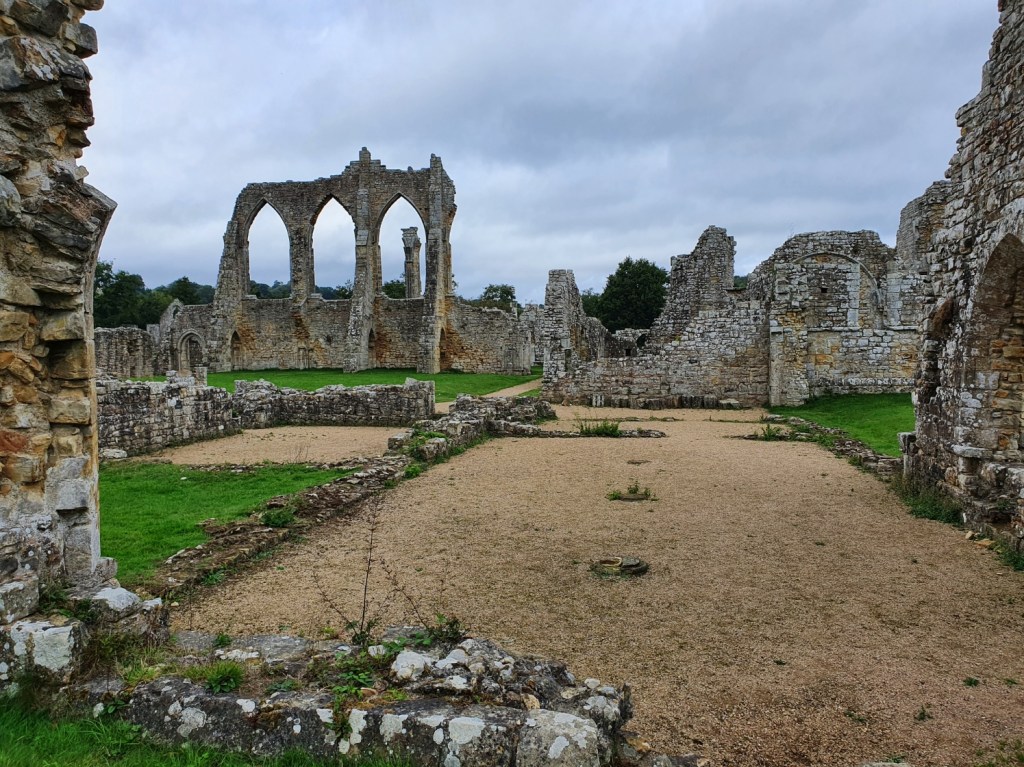
The abbey church was the most important building, featuring distinctive fluted pillars and enormous windows that were once filled with vibrant stained glass. Fragments of those windows found during excavations give an idea of the magnificence that would have once been here. The east end was the holiest part of the church, featuring beautiful foliage sculptures. One of the most moving sights is a memorial tablet dedicated to the two infant sons of the Marquis and Marchioness of Camden, both of whom tragically died on the day they were born.
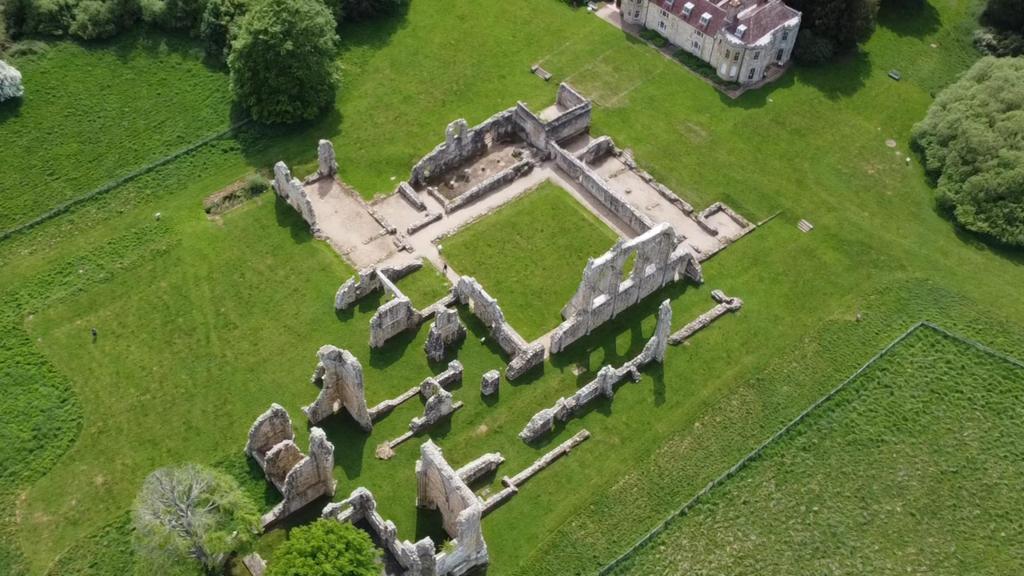
Today, nature has begun to reclaim the holy space; a humongous tree now grows directly behind the main altar, creating an incredible focal point for photographers and a reminder of the passage of time. The scale of the abbey is not apparent until you move into the middle of the building and look down the aisles from entrance to altar—a good football pitch’s length of history.
If you liked the blog please hit that like button, watch the full video below and consider subscribing if you haven’t already.
Till Next Time!
 Pinned on Places
Leave a comment