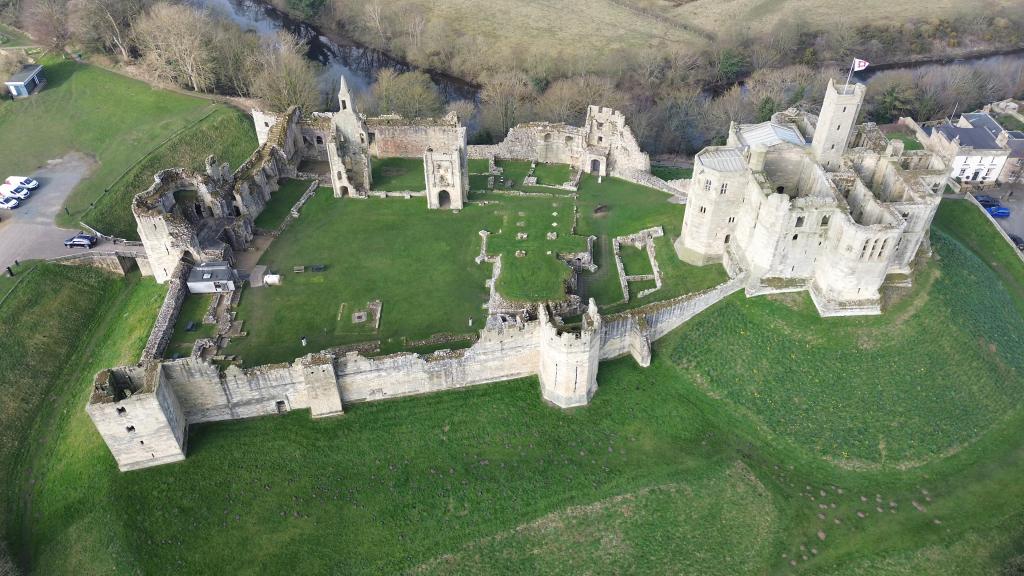
In this week’s post, we’re visiting one of the most mighty and impressive strongholds in northern England. The magnificent ruins are steeped in history, with atmospheric walls and towers offering breathtaking views of the River Coquet. From its Anglo-Saxon origins to its rise in power throughout the Tudor dynasty, this true castle on a hill commands your attention. Join us as we explore Warkworth Castle.
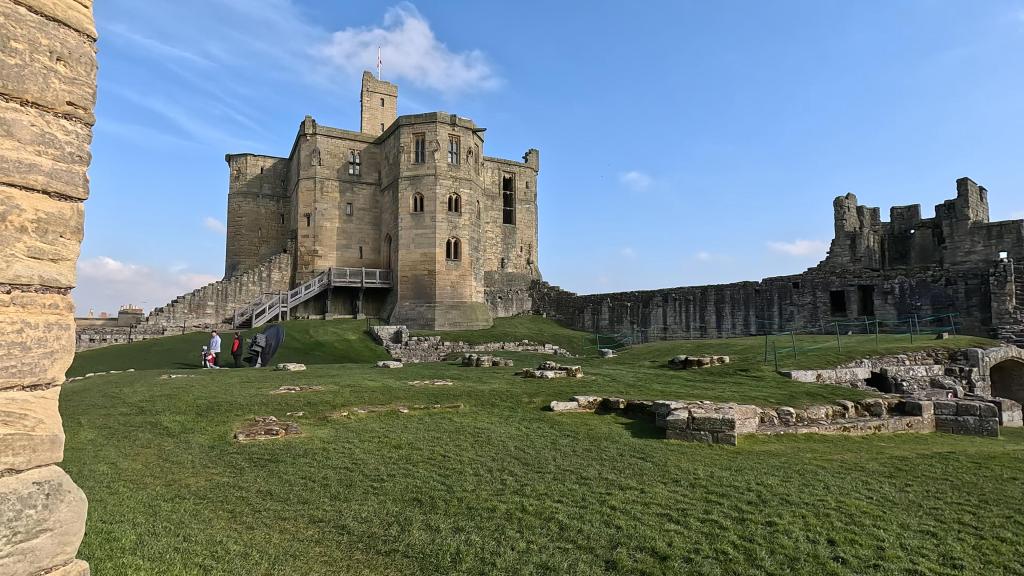
Our story starts back in Anglo-Saxon times when there was more than likely a wooden residence at Warkworth occupied by the Kings of Northumbria. The first stone castle is recorded around 1157, but it was during the later Middle Ages that the castle came into the hands of the family who would elevate it to the pinnacle of its glory: the powerful Percy family. For over 600 years, the Percys—the most influential family in the North—transformed this site into a magnificent structure dominated by its unique and imposing keep.
The most famous of the Percy line was “Harry Hotspur,” a legendary knight who acquired his nickname from the Scots for being quick to act and always ready to attack. The Percys were ambitiously rebellious; in 1403, after falling out with Henry IV, the castle became a key target of a royal siege. The King brought a massive cannon known as “London” to the walls, and reportedly just seven cannon shots were enough to force the Earl’s surrender.
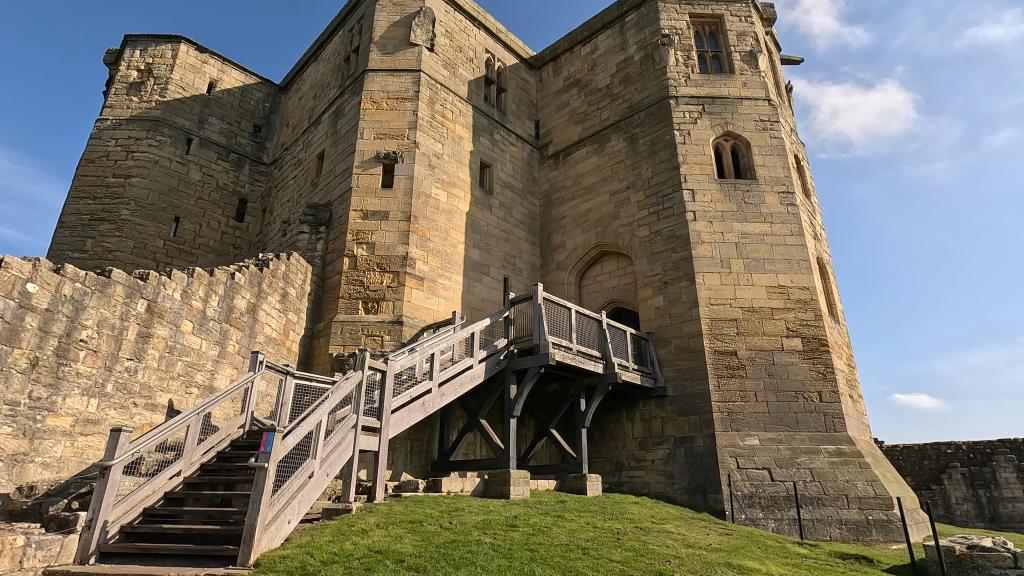
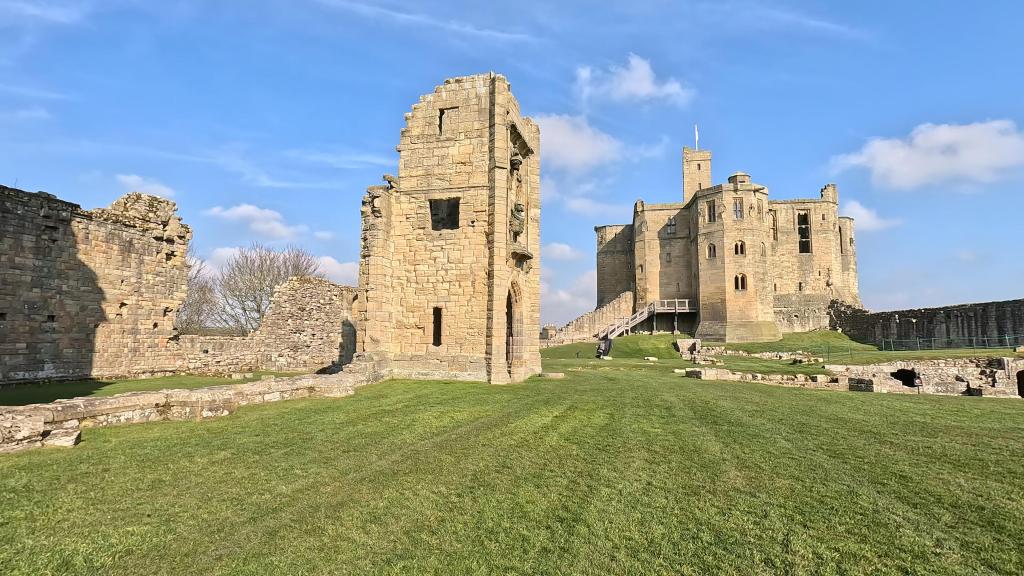
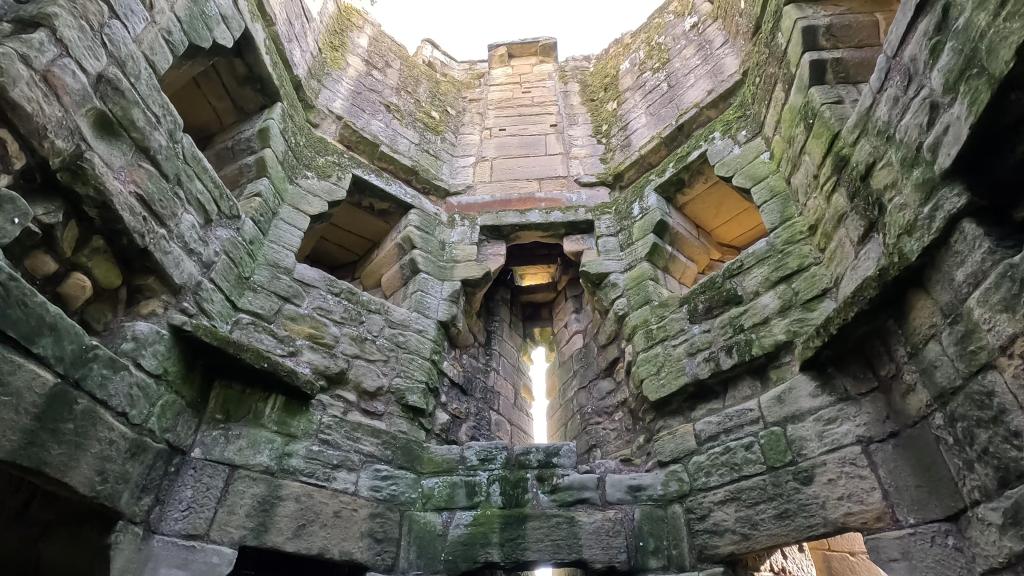
The architectural brilliance of Warkworth is best seen in the Great Tower, or keep. Built in the late 14th century, its distinctive plan is that of a Greek cross—a square with projecting polygonal lobes. This innovative design allowed for both formidable defense and luxurious accommodation. Internally, the rooms are arranged around a central light well that also served to collect rainwater for the basement holding tanks—a significant medieval luxury.
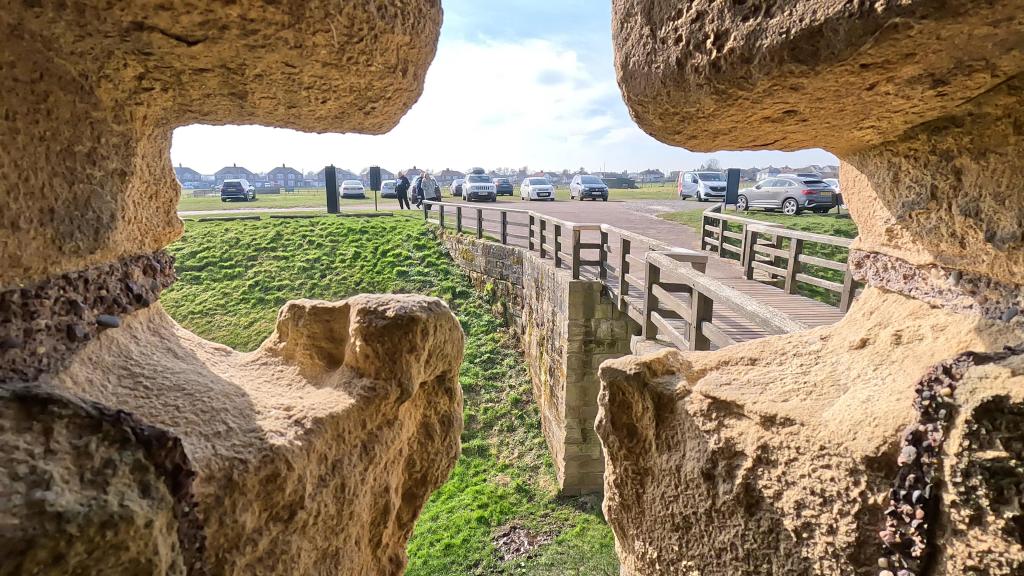
Warkworth’s defenses were both impressive and brutal. Beyond the stone curtain walls, the castle leveraged the natural loop of the River Coquet and a deep man-made ditch. The gatehouse featured a portcullis and “murder holes” used to pour unpleasant substances onto invaders. One of the most terrifying defenses was quicklime, a caustic substance that would burn an attacker’s skin and eyes on contact.
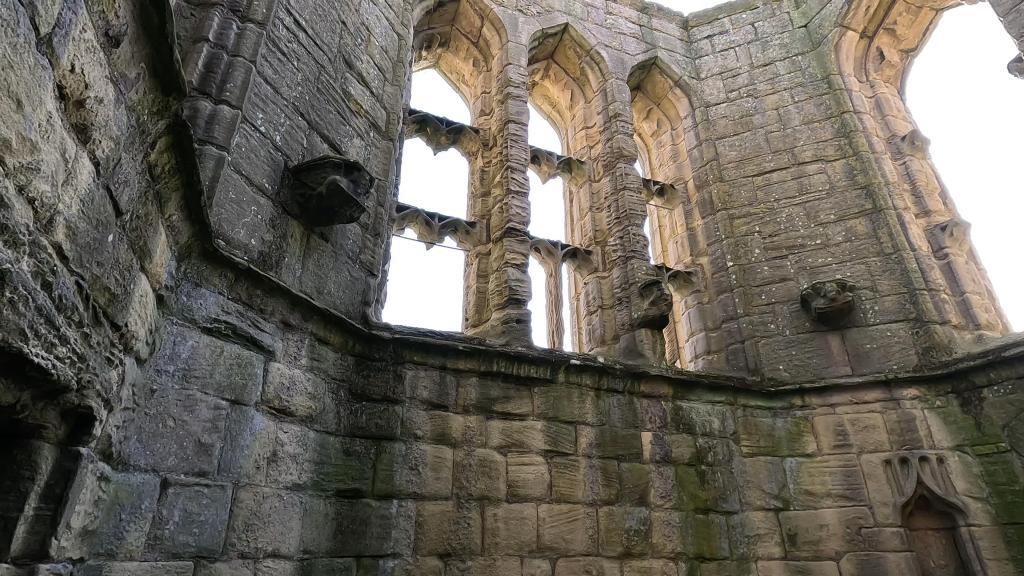
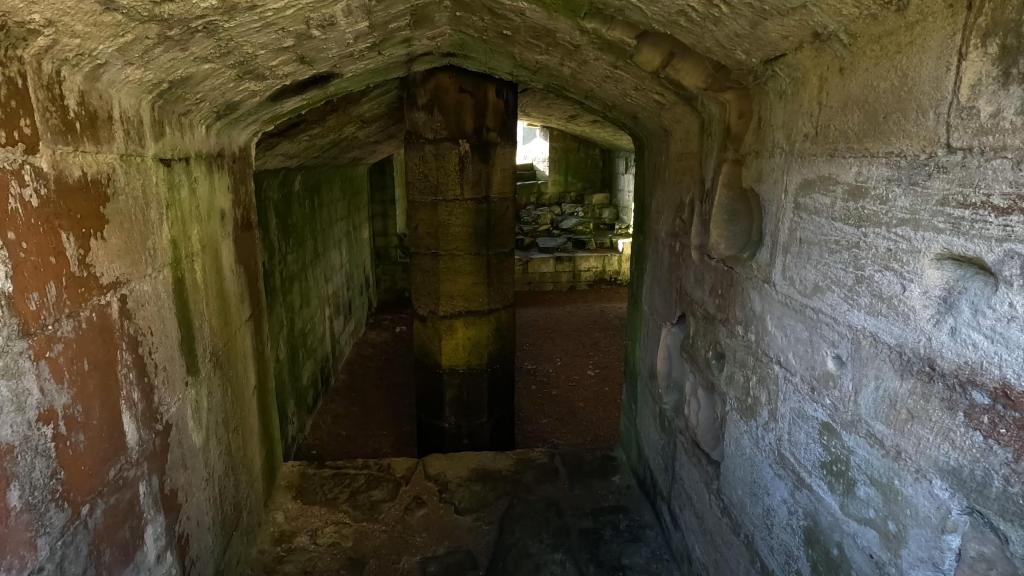
The castle is also a center stage for folklore. The ghost of Margaret Neville, known as the “Grey Lady,” is said to wander the keep and domestic quarters, searching for a lost child. Others have reported the “residual hauntings” of battle—the distant clash of swords and the shouts of men replaying around the outer bailey and gatehouse.
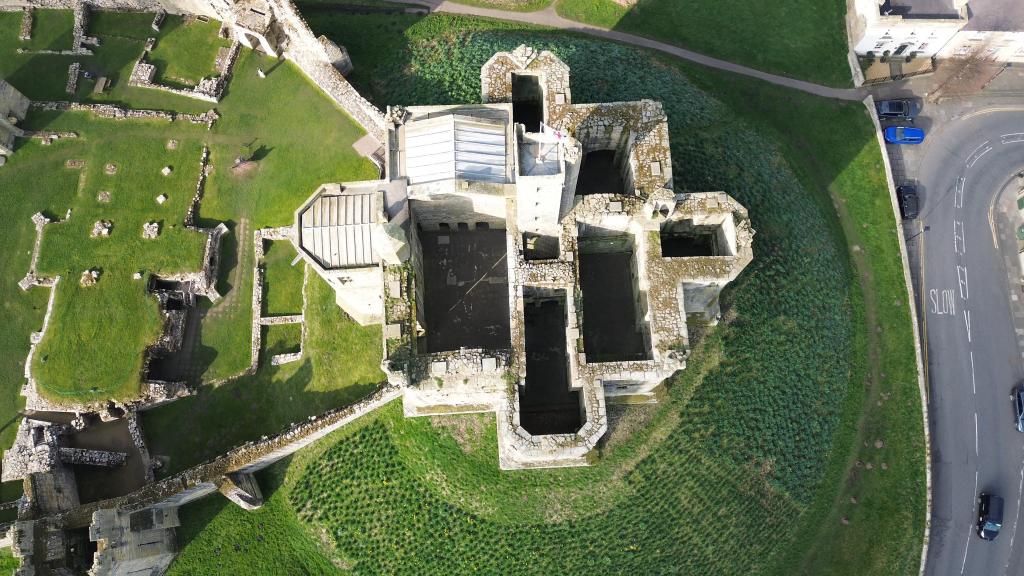
Today, Warkworth retains a powerful sense of its authentic past. Visitors can explore the maze-like system of stairs and cellars, stand in the remarkably well-preserved medieval kitchens, and look out from the same battlements where the Earls of Northumberland once stood. It remains a resilient stronghold and a perfect starting point for any castle campaign along the North East coast.
If you liked the blog please hit that like button, watch the full video below and consider subscribing if you haven’t already.
Till Next Time!
 Pinned on Places
Leave a comment