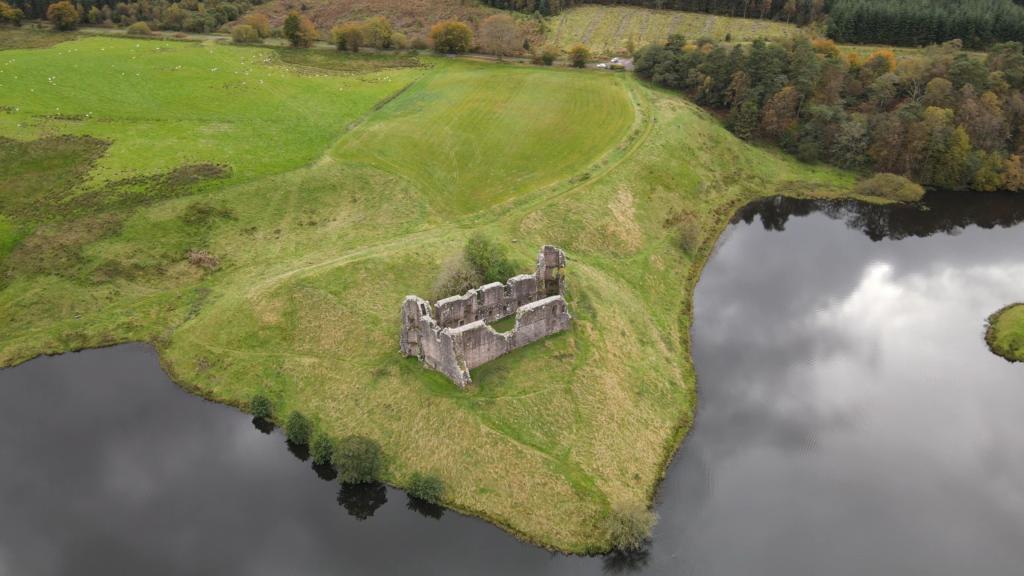
In this week’s post, we visit a wonderfully atmospheric ruined castle that dates back to the 13th century. Perched on a headland overlooking the beautiful Morton Loch, this fortress is more than just another broken, isolated building; it’s a ruin where power once played out against a backdrop of rugged beauty. Join us for a walk around Morton Castle.
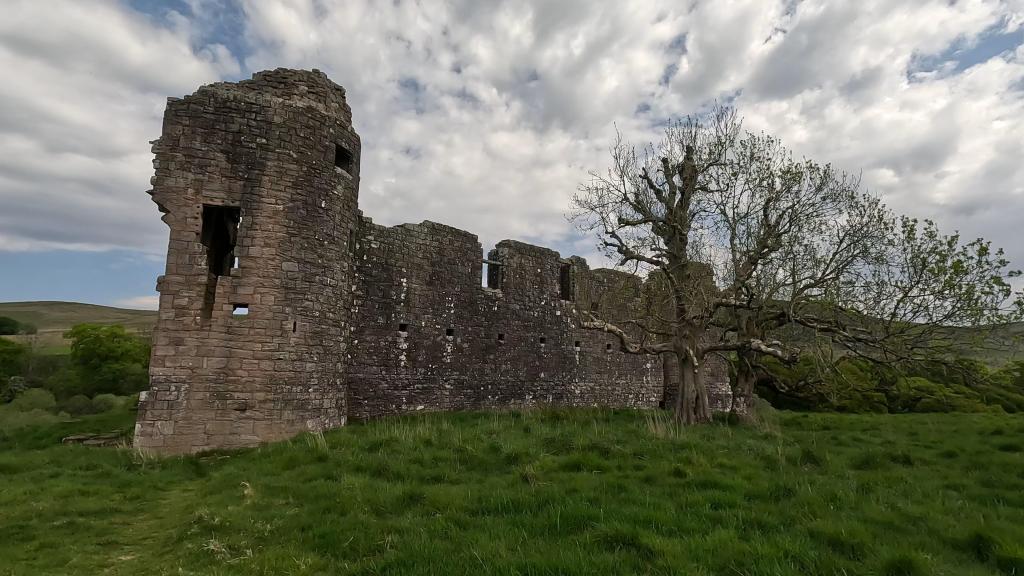
Morton Castle once formed part of a strategic chain of fortifications running along the Nith Valley. During the reign of Robert the Bruce, the lands were held by his son-in-law, Thomas Randolph, the first Earl of Moray. By the early 14th century, a castle and an enclosed deer park were established here. When originally constructed, Morton would have shared a triangular layout with the iconic Caerlaverock Castle, featuring ranges around a central courtyard and an impressive gatehouse.
Today, two of the towers still stand with walls reaching 26 feet high. A small portion of the gatehouse archway remains, allowing you to picture the original southwestern entrance. While one of the two round towers still contains a pit prison in its basement, the second is missing entirely, believed to have fallen into the loch below. Unlike many peaks or town-center fortresses, Morton is hidden within the landscape. Its limited defensive features suggest it was designed more as a hunting seat and a demonstration of status rather than for military purposes.
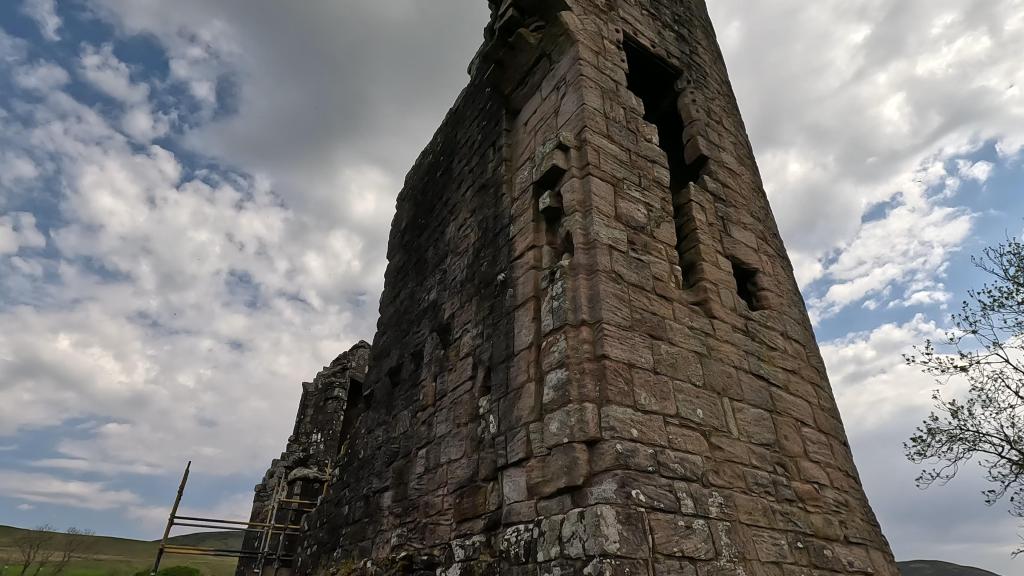
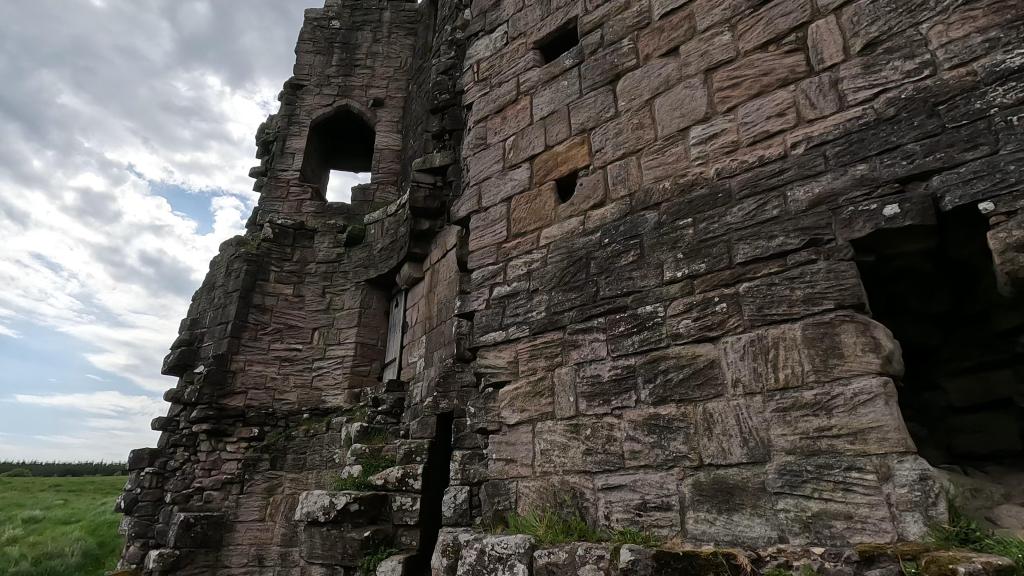
In 1357, the early fortress was torn down under the terms of the Treaty of Berwick. This treaty called for the destruction of several castles in southwest Scotland in exchange for the release of King David II from his eleven-year captivity in England. Despite this destruction, the site’s importance ensured its eventual rebuilding in the early 15th century by the Earls of March.
The castle eventually passed into the hands of the Douglas family, but its history remained turbulent. James Douglas, the 4th Earl of Morton, was executed in 1581 for his involvement in the murder of Lord Darnley. Later, in 1588, James VI burned the castle to the ground during a conflict with the Maxwell family. By the 18th century, a dam was constructed to flood the nearby marshland, creating the artificial loch that now surrounds the ruins on three sides.
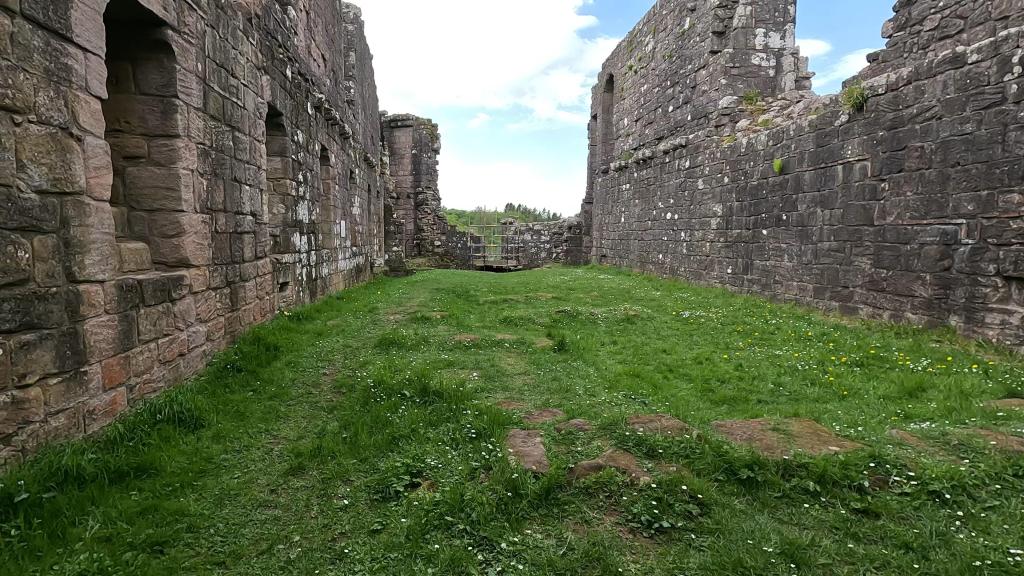
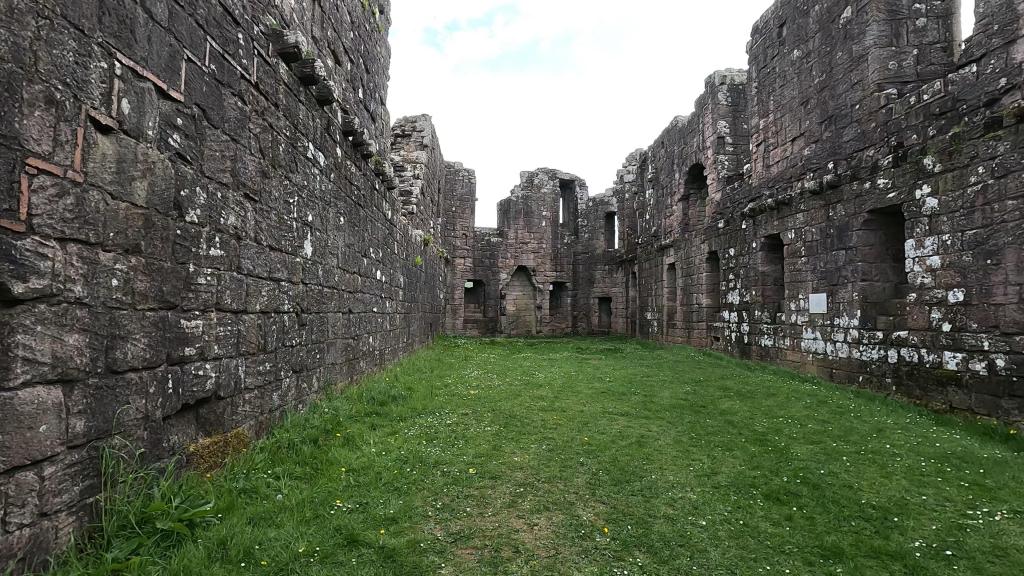
Morton Castle is one of only a few surviving “hall-houses” identified in Scotland and is by far the most complex. Its location makes it a true “hidden gem,” often providing a peaceful and deserted spot for explorers. Because of the lack of signposts, it remains a well-kept secret, though it is located just outside the town of Thornhill, near the grand Drumlanrig Castle.
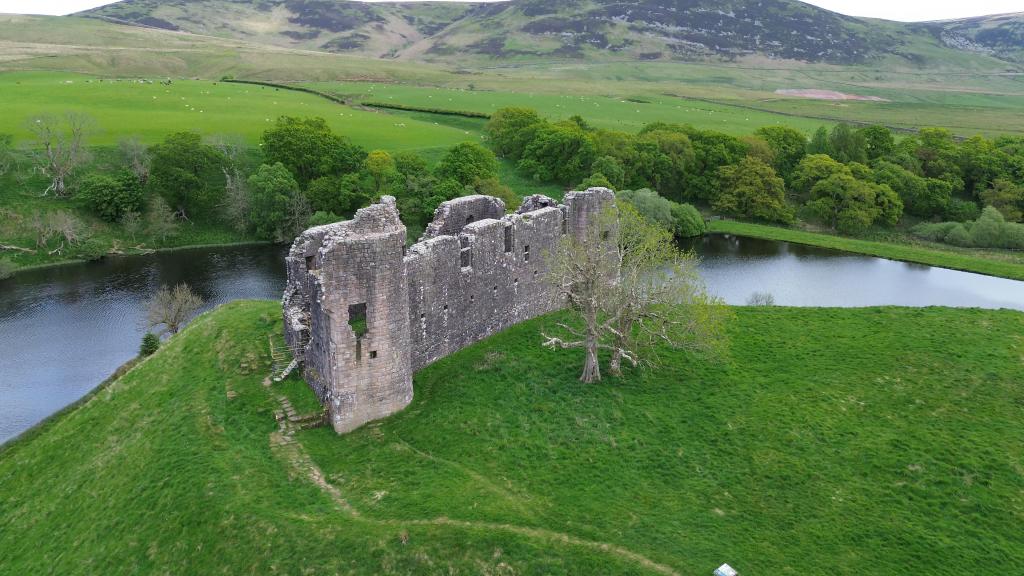
If you are visiting by car, be prepared for a forest track filled with potholes, but the reward is a magical, free-to-explore site. You can spend an hour at the ruins or take a couple of hours to enjoy the nature walk that loops around the loch.
If you liked the blog please hit that like button, watch the full video below and consider subscribing if you haven’t already.
Till Next Time!
 Pinned on Places
Leave a comment