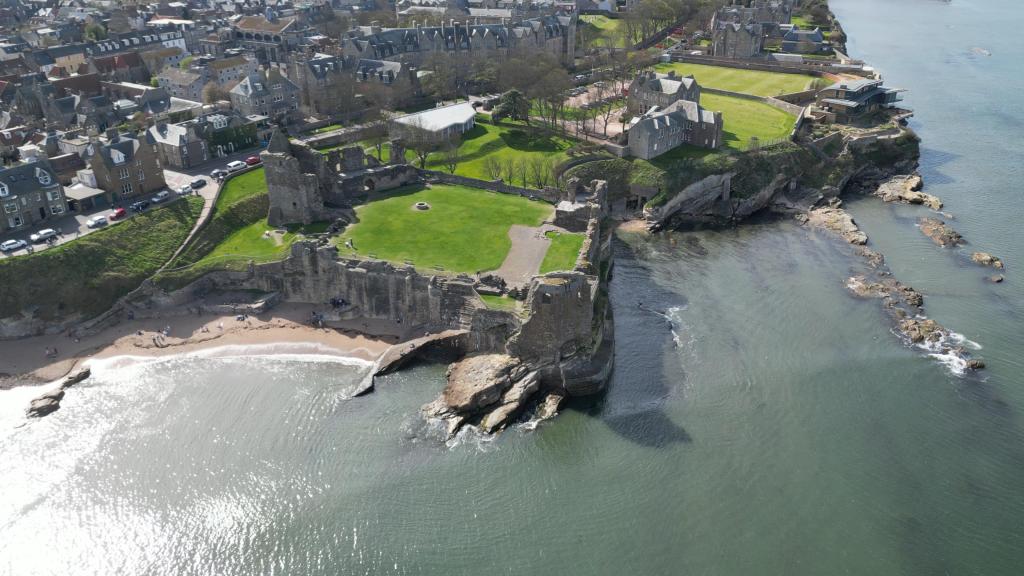
In this week’s post, we venture to the rugged cliffs of Scotland’s east coast. Overlooking the relentless crash of the North Sea are the ruins of St Andrews Castle, a site that has witnessed centuries of political upheaval, religious ambition, and human drama. Weathered by time and the elements, its broken walls and crumbling towers whisper stories of power, betrayal, martyrdom, and mystery. Join us here at the beautiful St Andrews Castle.
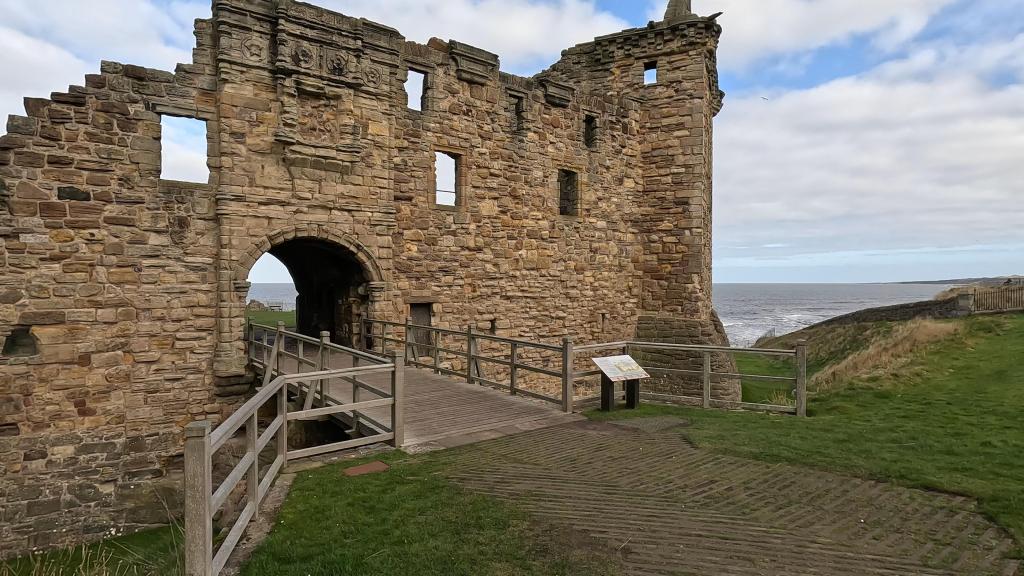
The building works date back to around the 1200s, constructed during the tenure of Bishop Roger. As the seat of the powerful Archbishops of St Andrews, the castle was not merely a residence—it was a symbol of religious authority and a stronghold to defend the Scottish church’s independence. During the Scottish Wars of Independence, the castle changed hands several times. After the English captured it in 1330, Sir Andrew Moray recaptured and then slighted the castle in 1337 to prevent it from being used by the enemy again.
Before the end of the 14th century, Bishop Walter Trail rebuilt the complex, and it is largely his work that we see today. St Andrews served as a royal education center; James I was schooled here, and in 1445, James III was born within its walls. However, by the 16th century, the castle became a crucible for the Protestant Reformation. In 1546, Cardinal David Beaton ordered the execution of the Protestant preacher George Wishart, who was burned at the stake in front of the castle. In retaliation, a band of Wishart’s supporters snuck into the castle dressed as stonemasons, murdered Beaton, and hung his body from the window.
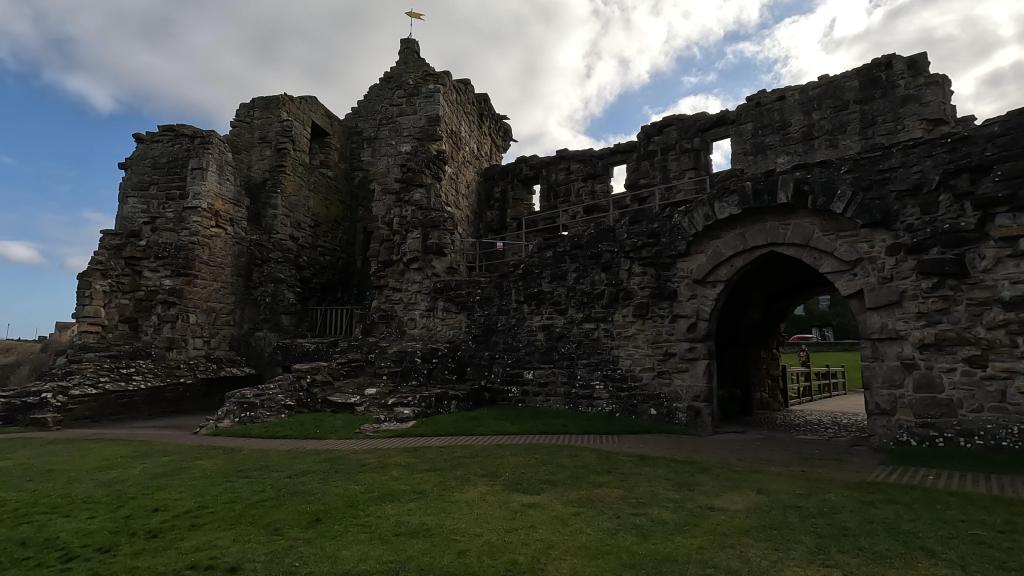
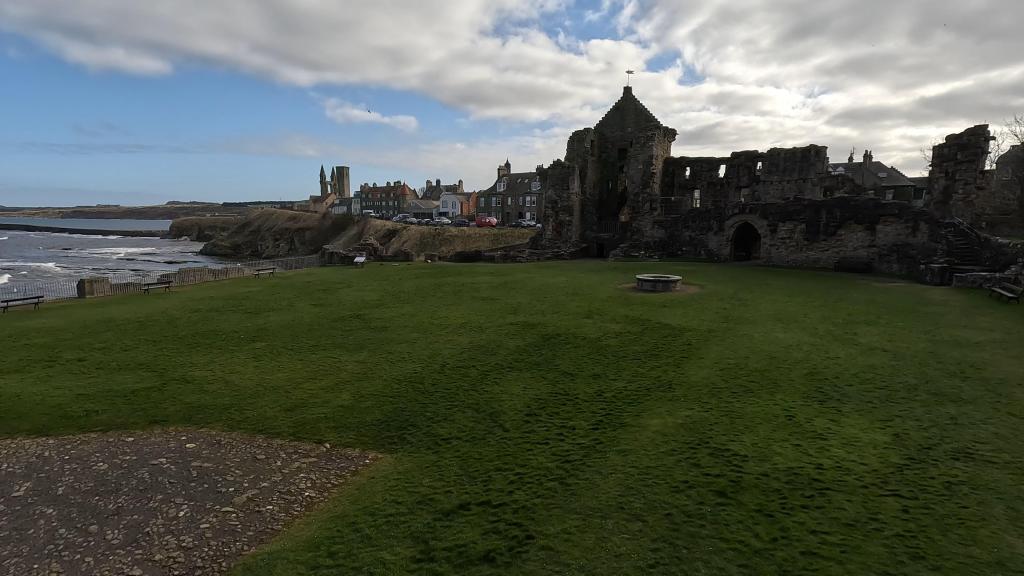
What followed was one of the most bitter sieges in Scotland’s history. The besieging forces dug a mine through solid rock to collapse the gate tower, while the defenders inside—including a young John Knox—dug a counter-mine to intercept them. You can still see the three “false starts” where the defenders struggled to orient themselves by the sound of digging. Eventually, a French fleet arrived and bombarded the castle into submission, leading to Knox’s capture and sentencing to the French galleys.
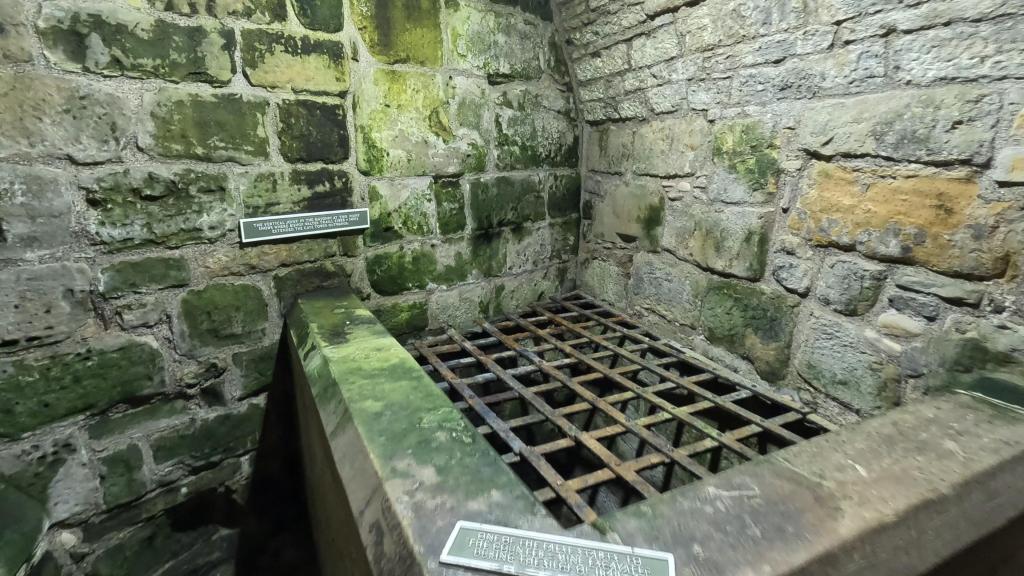
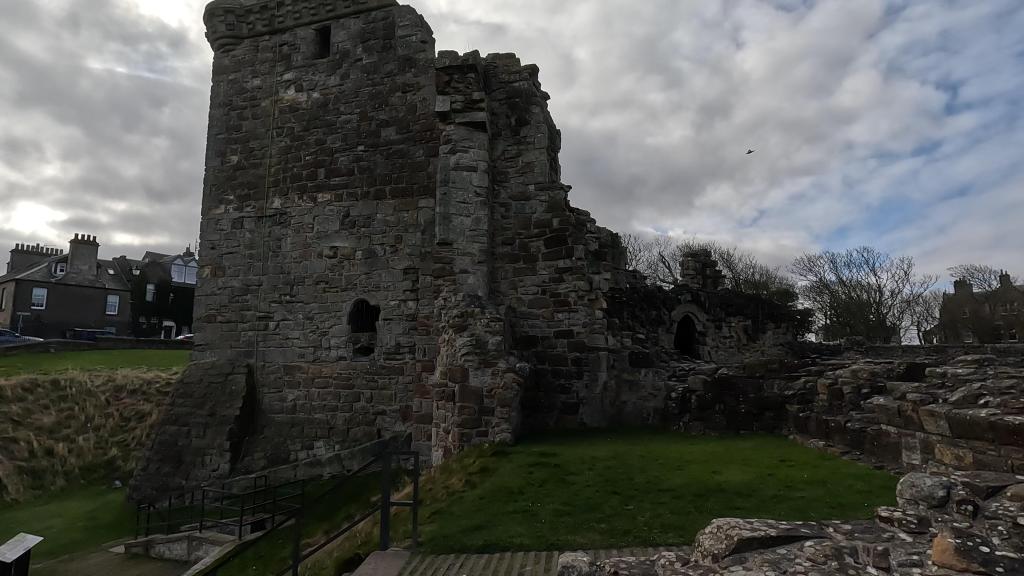
In the late 16th century, the castle was used as a grim prison. The most eerie feature remains the “bottle dungeon,” a pit dug 22 feet into the rock below the Sea Tower. Accessible only through a narrow neck in the floor, it was a place of isolation and despair for religious and political prisoners. Folklore suggests the ghost of Cardinal Beaton still walks the ruins, with witnesses claiming to see a robed figure gazing from the window where his body once hung.
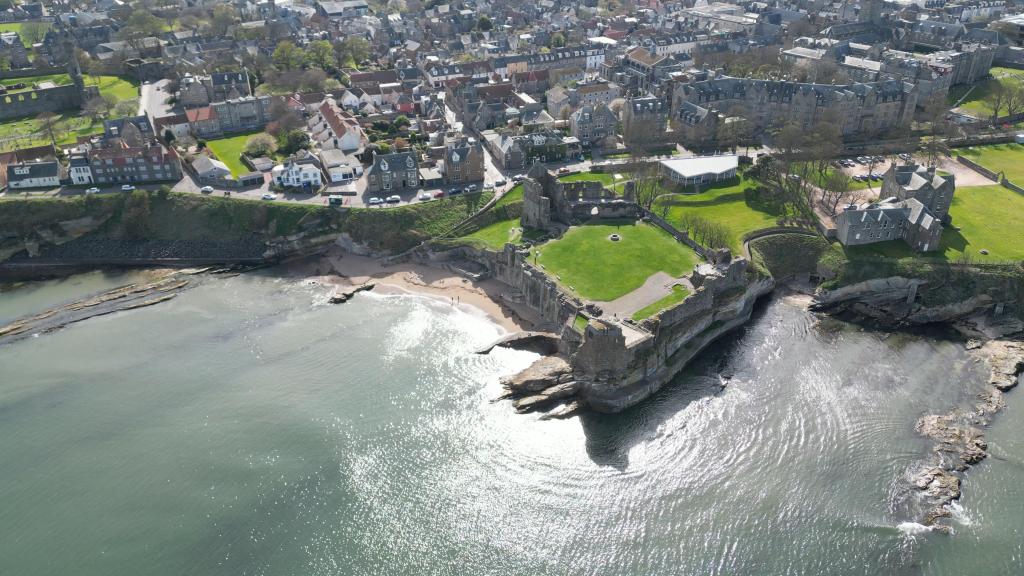
By the 17th century, the castle’s military importance declined and it was largely abandoned, eventually becoming the atmospheric relic cared for today by Historic Environment Scotland.
If you liked the blog please hit that like button, watch the full video below and consider subscribing if you haven’t already.
Till Next Time!
 Pinned on Places
Leave a comment