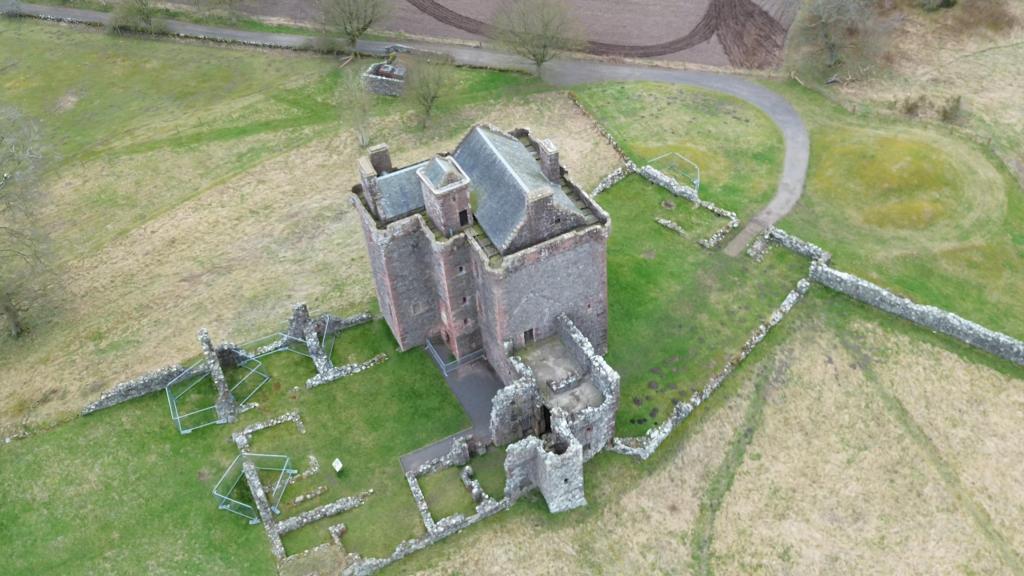
In this week’s post, we find ourselves at a remote hilltop in the ancient landscape of Perth and Kinross where Balvaird Castle stands. It doesn’t just occupy the land; it feels woven into it. This late medieval tower house is impressive in its own right, but its atmosphere and presence are something truly enchanting—yet eerie—that draws you in for a closer look. So, why not join us as we explore Balvaird Castle.
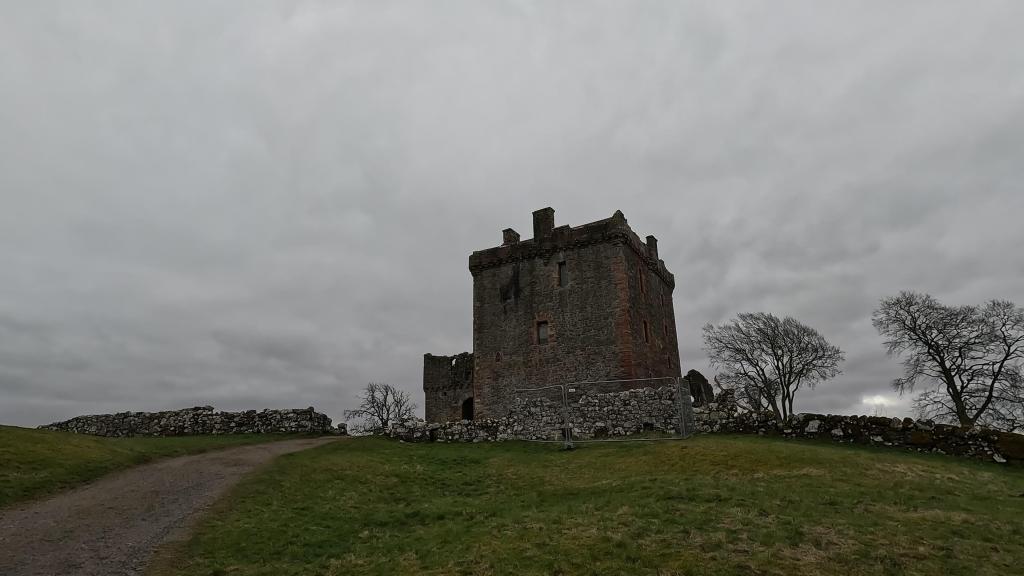
Just south of the village of Abernethy, commanding an important pass through the rolling hills, sits Balvaird Castle. The name “Balvaird” is Celtic, meaning “The Dwelling of the Bard,” suggesting this site has been home to important structures since the time of the Picts. Its story begins in the late 15th century, dated precisely by historians to the years 1495–1496.
The driving force for its construction was the union of two prominent families: the Murrays and the Barclays. Sir Andrew Murray, a figure of considerable standing, married Margaret Barclay, the heiress to the lands of Balvaird. This marriage was a strategic consolidation of land and influence. Building a tower house of this scale was a significant investment, signaling the Murrays’ rising status and their intent to secure a location that oversaw a vital pass linking Fife and Strathearn.
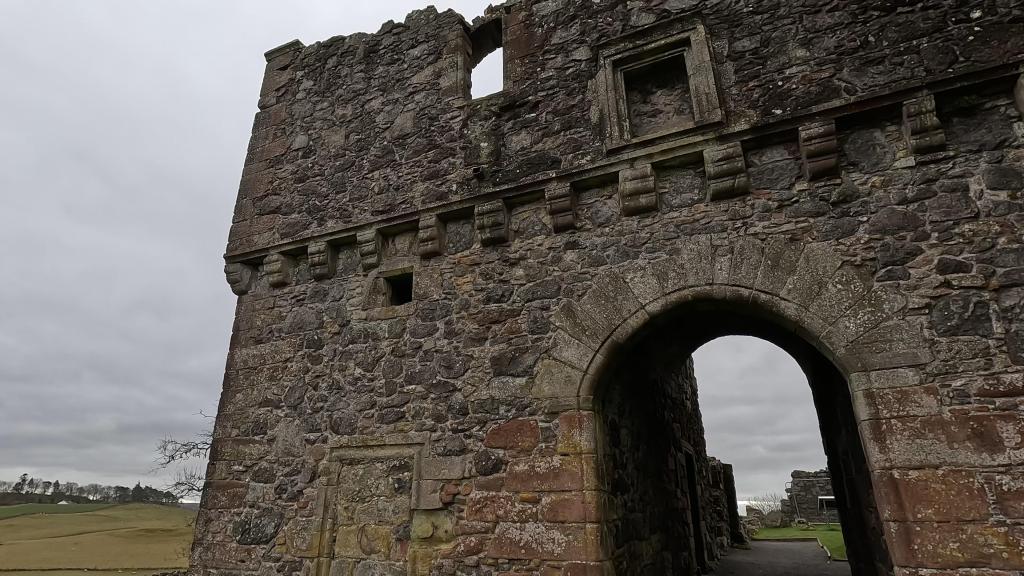
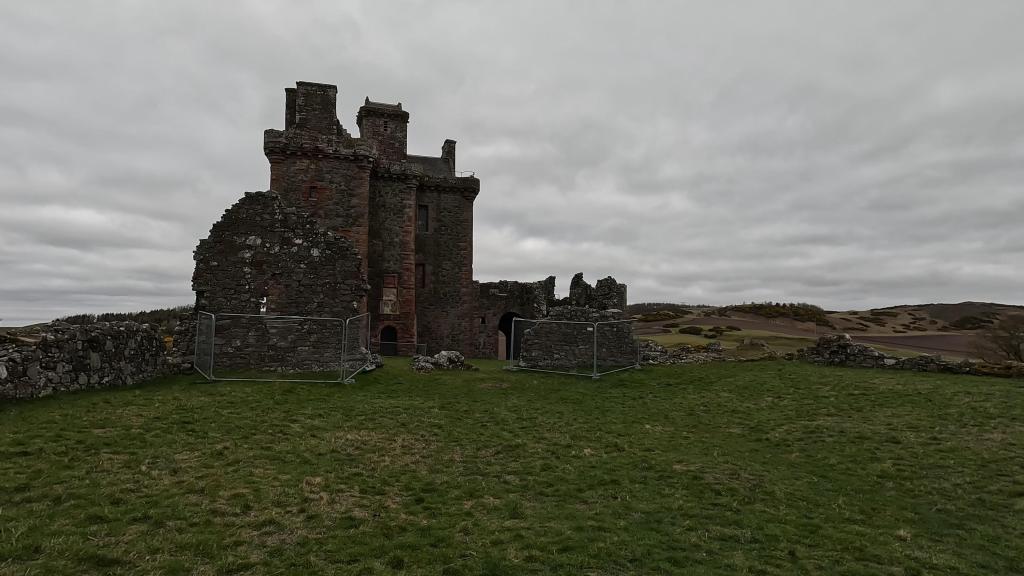
Balvaird is a magnificent example of a late traditional medieval Scottish tower house. It showcases the transition from purely defensive structures to residences that balanced security with the increasing comfort demanded by the nobility. Its initial form was likely a strong rectangular tower, possibly with an L-plan configuration, providing both a main block and a wing for additional accommodation.
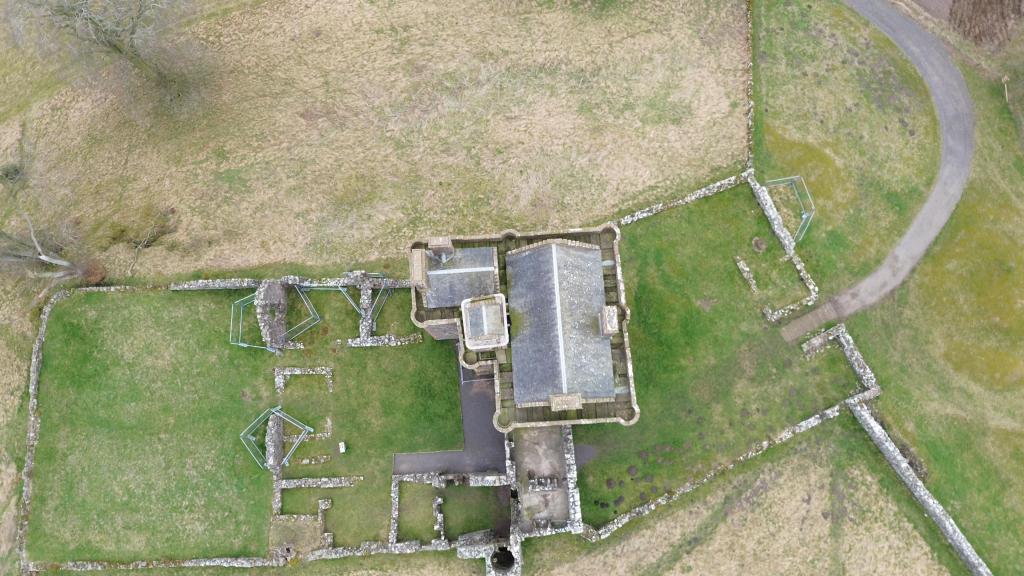
In 1567, a gatehouse with a chapel above and additional ancillary buildings were added. By the early 1600s, the castle was extended again to include walled gardens and orchards. The tower house is unusual in its design because the kitchen was located on the ground floor; most defensive structures of the time utilized the ground floor for storage only. However, the gun loops built into the property show that the family remained prepared for any potential attacks.
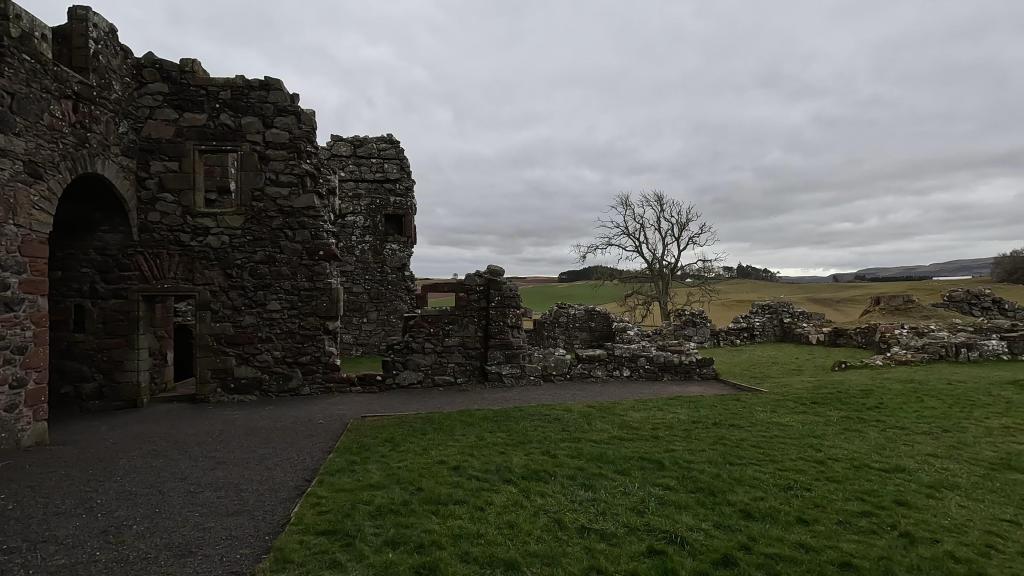
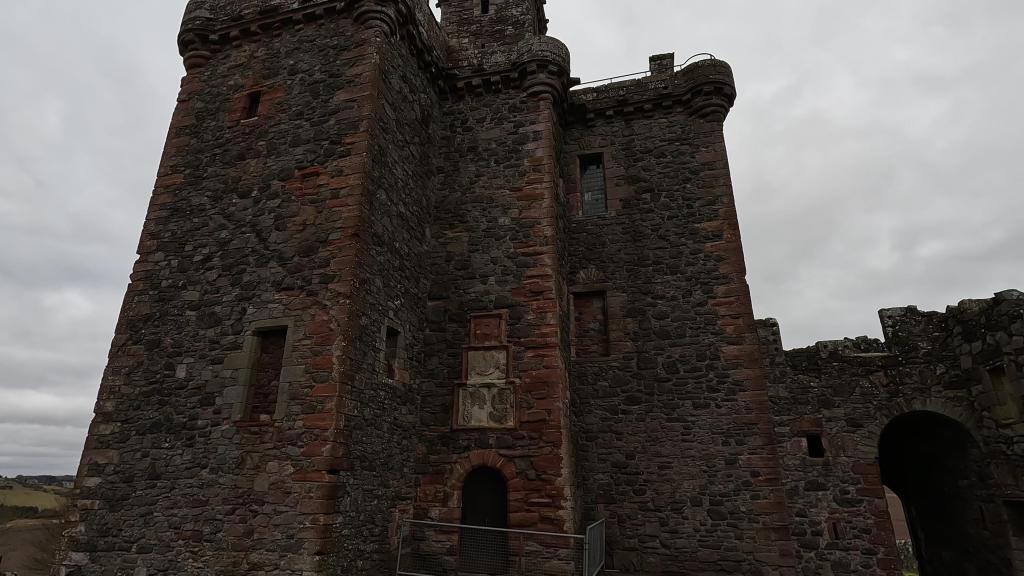
Defensively, Balvaird was well-appointed with thick stone walls, strategically placed gun loops, and clever battlements. An outer wall—now largely gone—would have provided an additional layer of protection for livestock and workshops. Over time, the castle evolved to include courtyard ranges, reflecting a growing family and a shift toward domestic specialization, including bakeries and service areas.
While Balvaird might lack the tales of epic battles found elsewhere, its story is a fascinating representation of aristocratic ambition. It served as a crucial stepping stone for the Murray family, who later acquired the title of Earls of Mansfield. As their fortunes grew, the family seat eventually shifted to the much grander Scone Palace near Perth by the 17th century.
Balvaird wasn’t destroyed or slighted in battle; it was simply outgrown. It transitioned from a primary seat to a secondary property used by estate factors before eventually falling into disuse. By 1845, it had fallen into a state of disrepair and was used for a time as accommodation for farm workers.
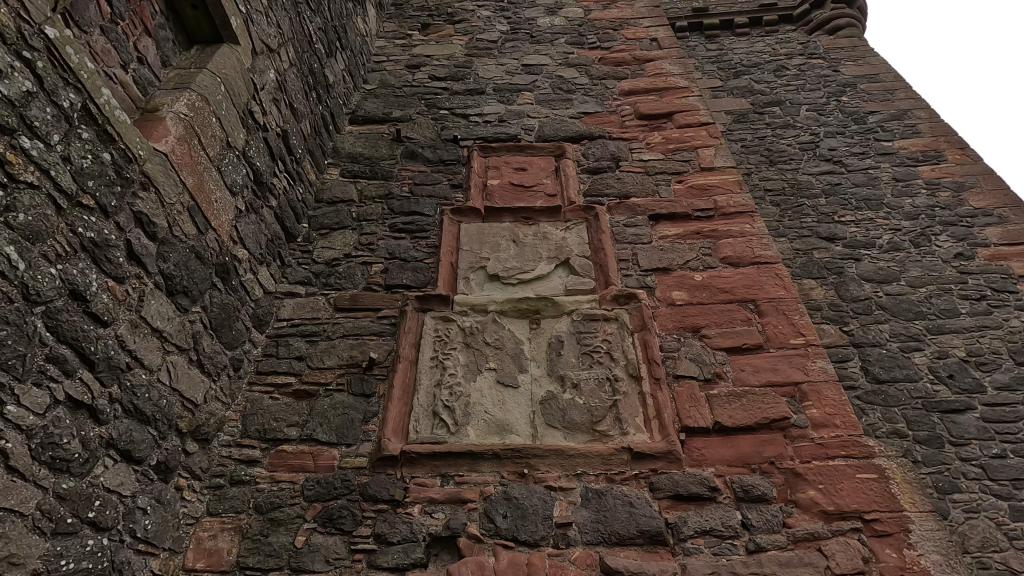
Interestingly, this stunning 15th-century tower house is set to appear in the new Outlander prequel, Blood of My Blood, bringing it firmly into the spotlight. You can catch the castle in the trailer now! Despite its upcoming cinematic debut, it remains a lesser-known historic site that is well worth visiting—especially considering it is free to explore.
Regarding hauntings, Balvaird Castle isn’t famed for specific ghost stories like “Green Ladies.” However, the lack of celebrity ghosts doesn’t mean it lacks a haunted feel. Any structure with this depth of history accumulates an atmosphere thick with unspoken stories. The quiet solitude of the site allows the imagination to wander, giving you a real, tangible sense of the past.
If you liked the blog please hit that like button, watch the full video below and consider subscribing if you haven’t already.
Till Next Time!

 Pinned on Places
Leave a comment