Stirling in Scotland. Often referred to as the gateway to the Highlands, Stirling’s strategic location has made it a pivotal site in Scottish history, witnessed by iconic landmarks that stand proudly to this day.
From the dramatic Stirling Castle, once a favored residence of Scottish monarchs, to the towering National Wallace Monument commemorating a legendary hero, the city breathes tales of courage, power, and independence. But Stirling is more than just its formidable past; it’s where the lands meet the Highlands. This is historic Stirling. We bring you our 9 locations around the city that we think you should NOT miss!
1 . Stirling Castle
Location: Castle Wynd, Stirling FK8 1EJ
Website: https://www.historicenvironment.scot/visit-a-place/places/stirling-castle/
Cost: Adults approx. £17.50–£19.50 (Online/Walk-up); Children approx. £10.50–£11.70. Free for Historic Scotland Members.
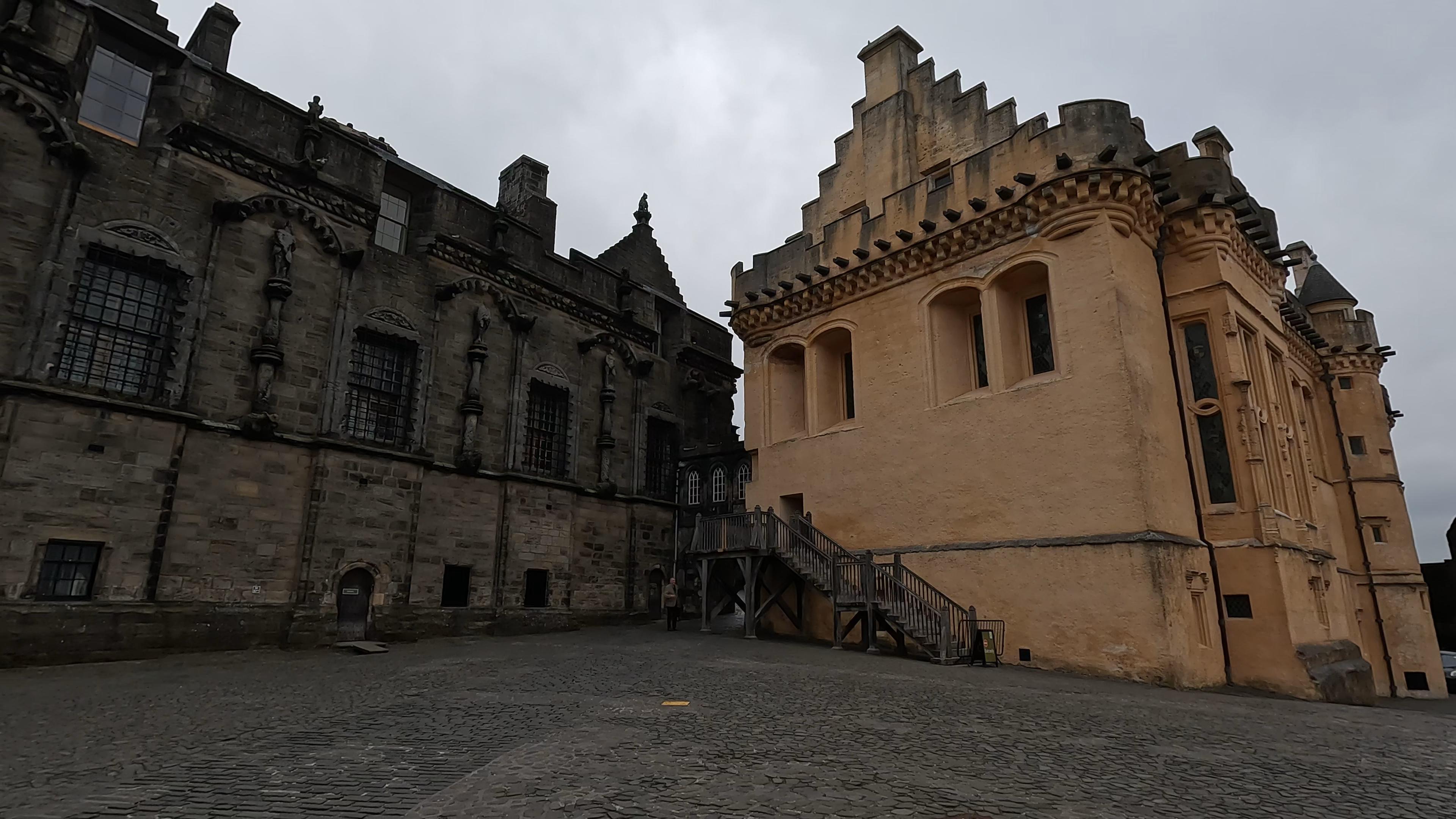
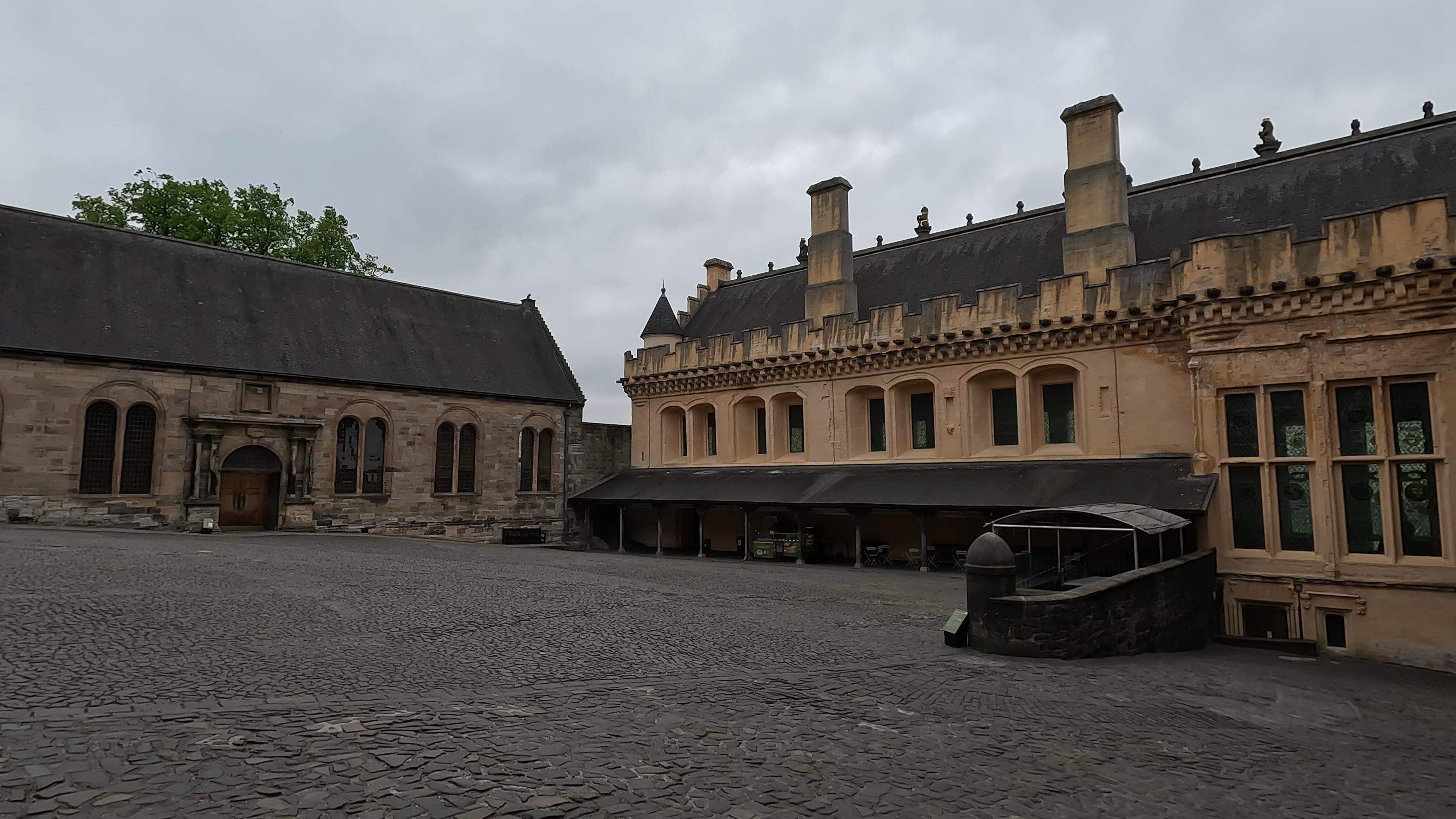
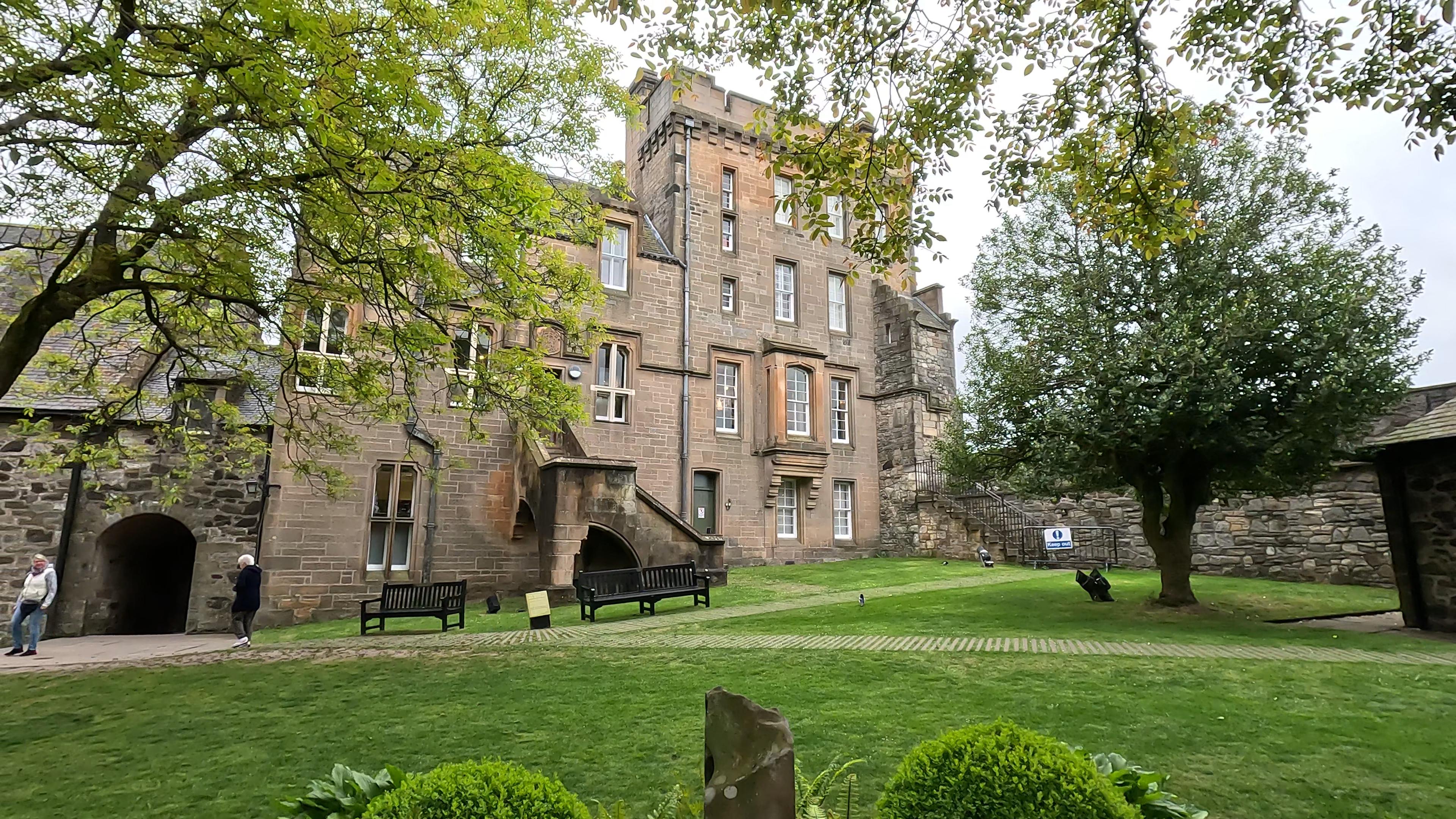
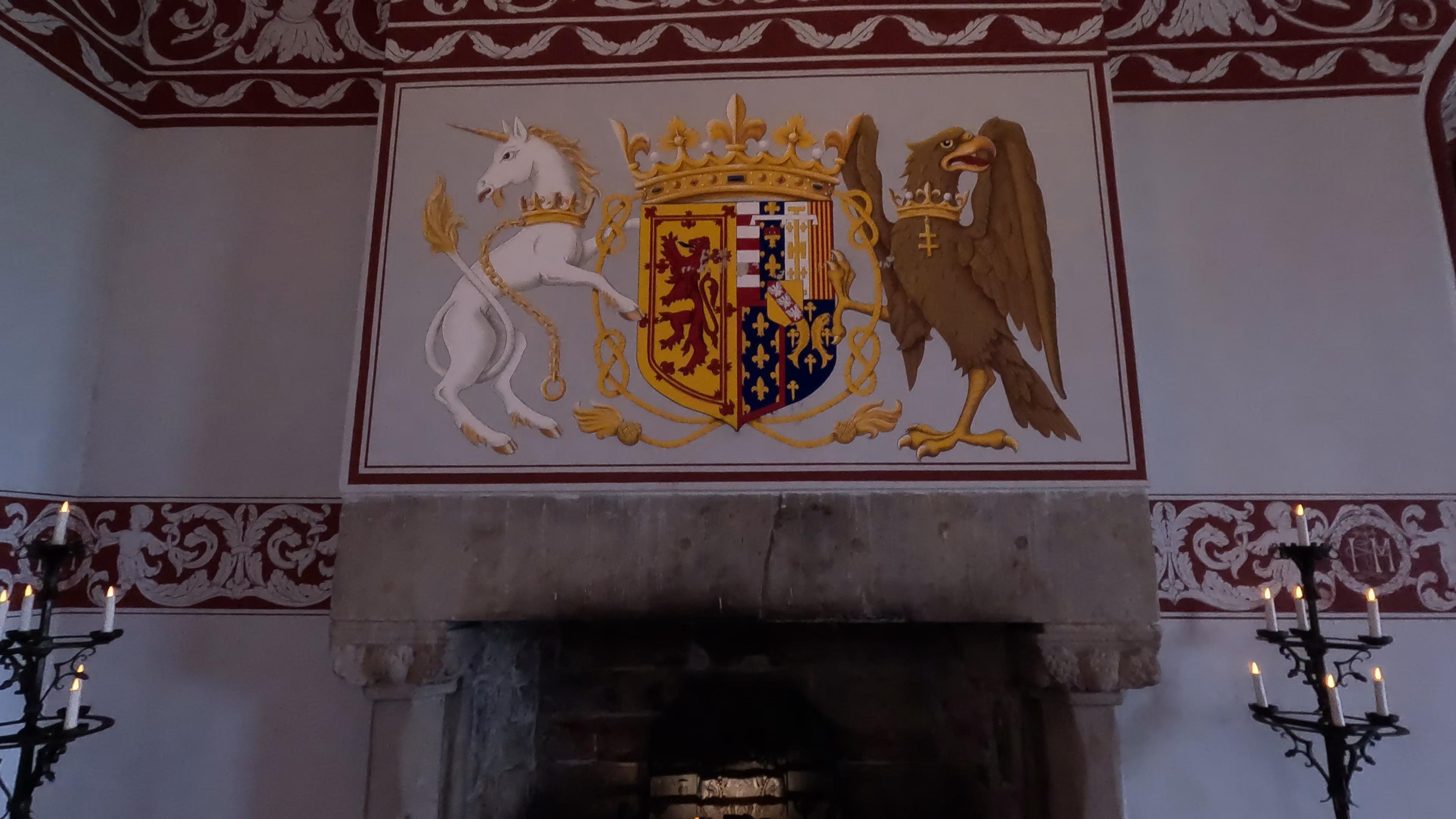
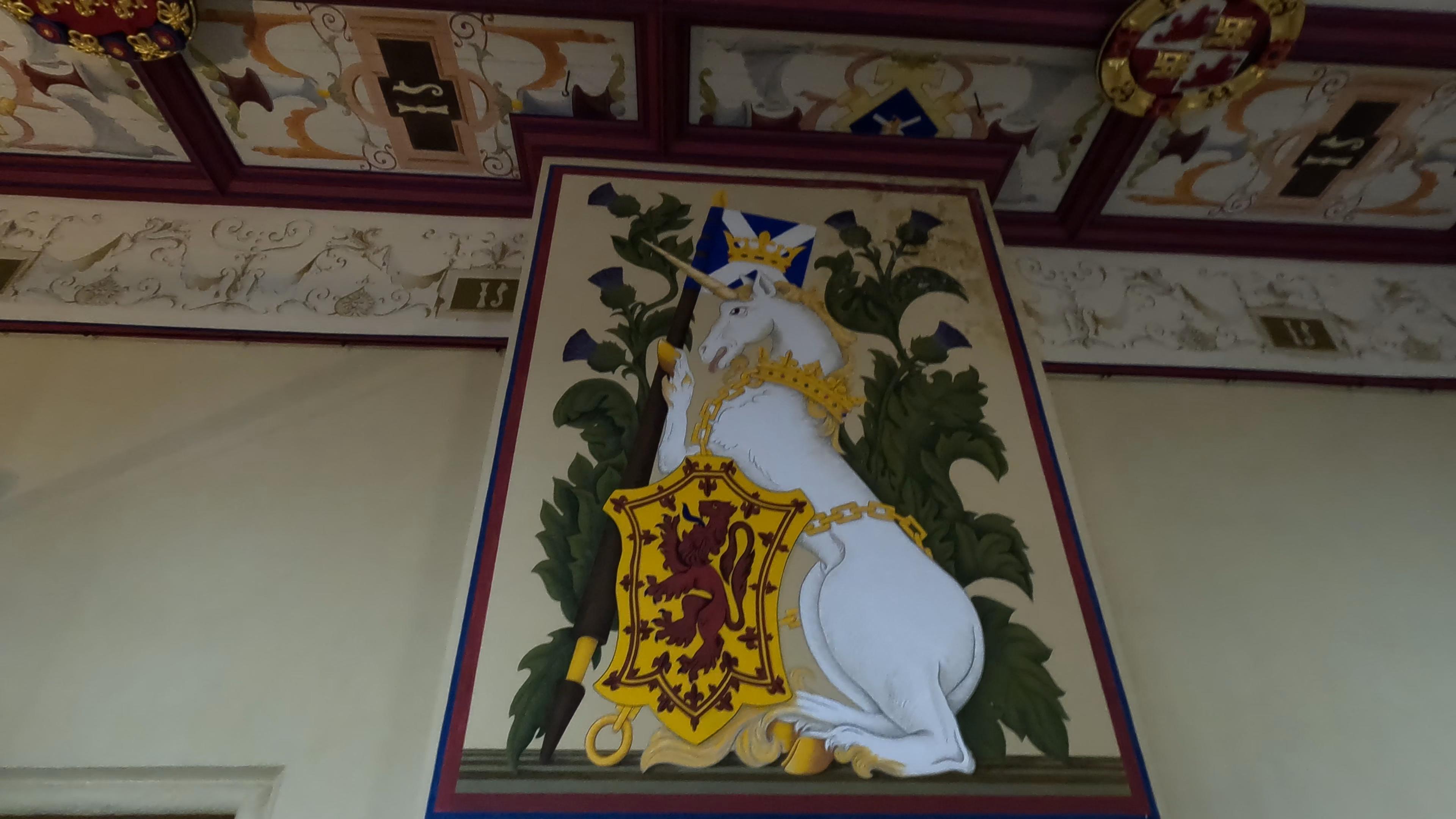
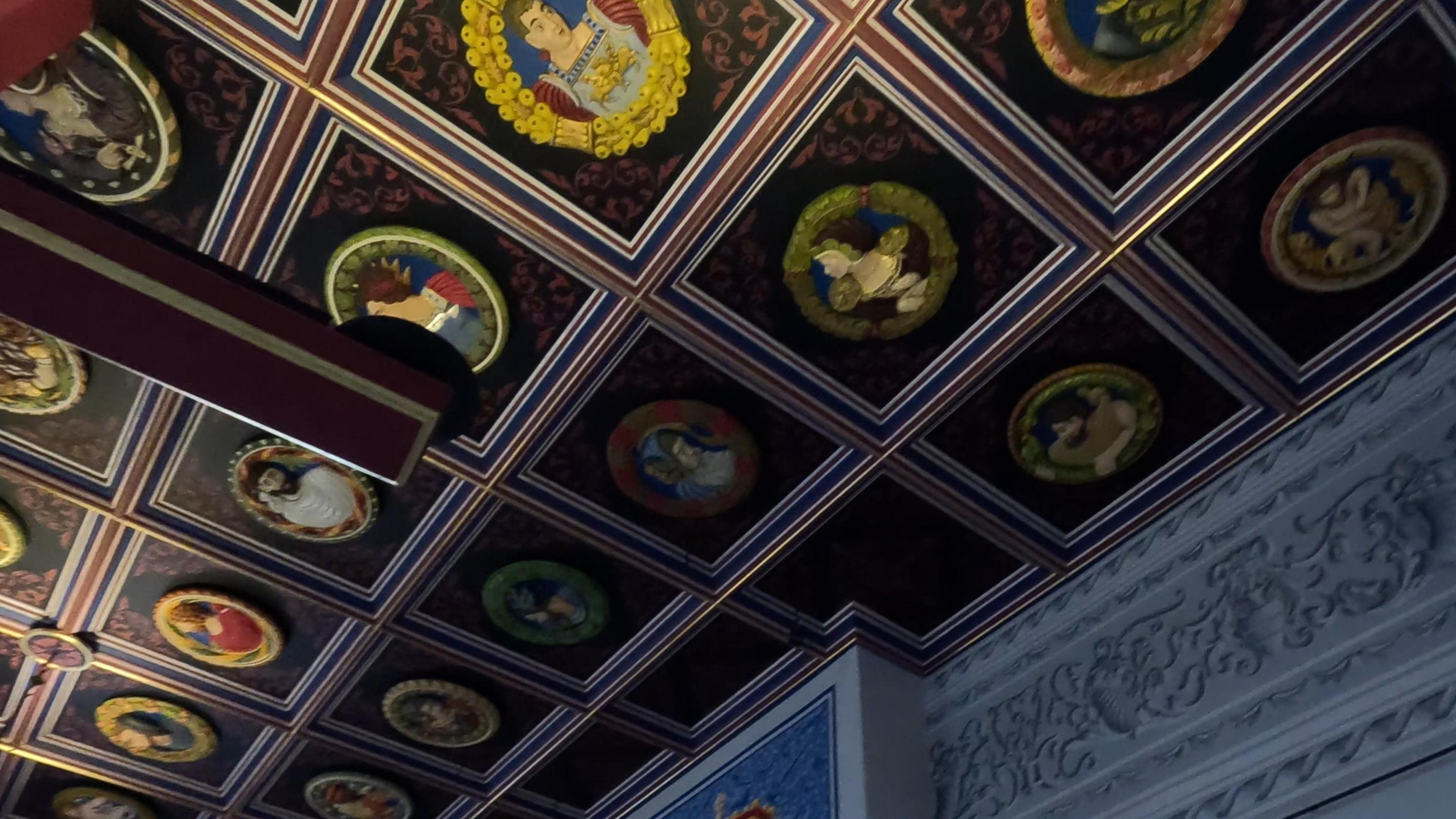
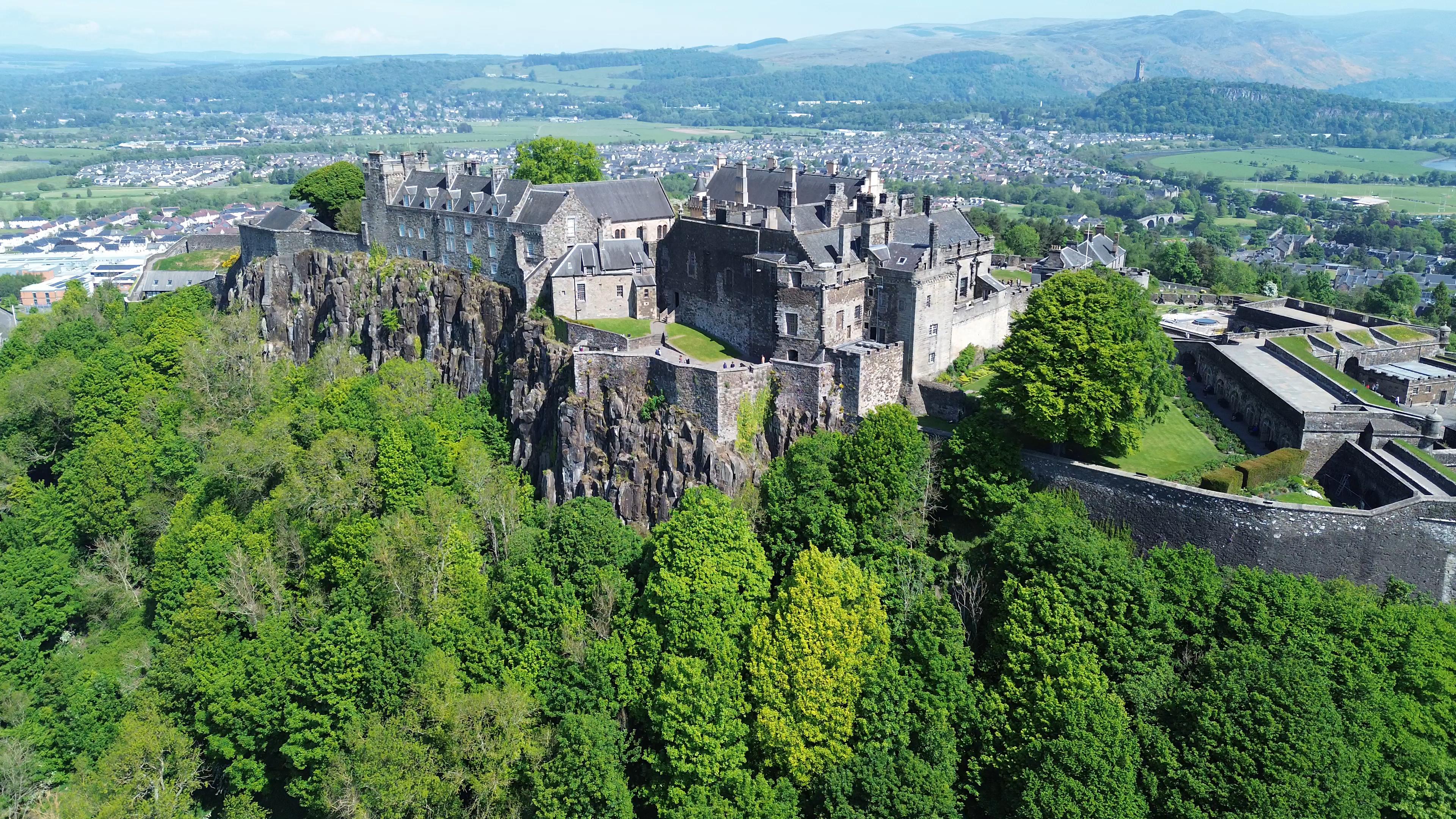
First up voted in the top five castles to visit in Scotland is Stirling Castle. One of Scotland’s most iconic landmarks which has been a symbol of strength and regal grandeur since the 1100s serving as both a royal residence and a guardian of the main route between the Highlands and the lands. It’s an essential part of visiting central Scotland in our opinion and its location rivals other castles around for its sheer impressiveness as it sits on its high volcanic rock visible for miles in every direction.
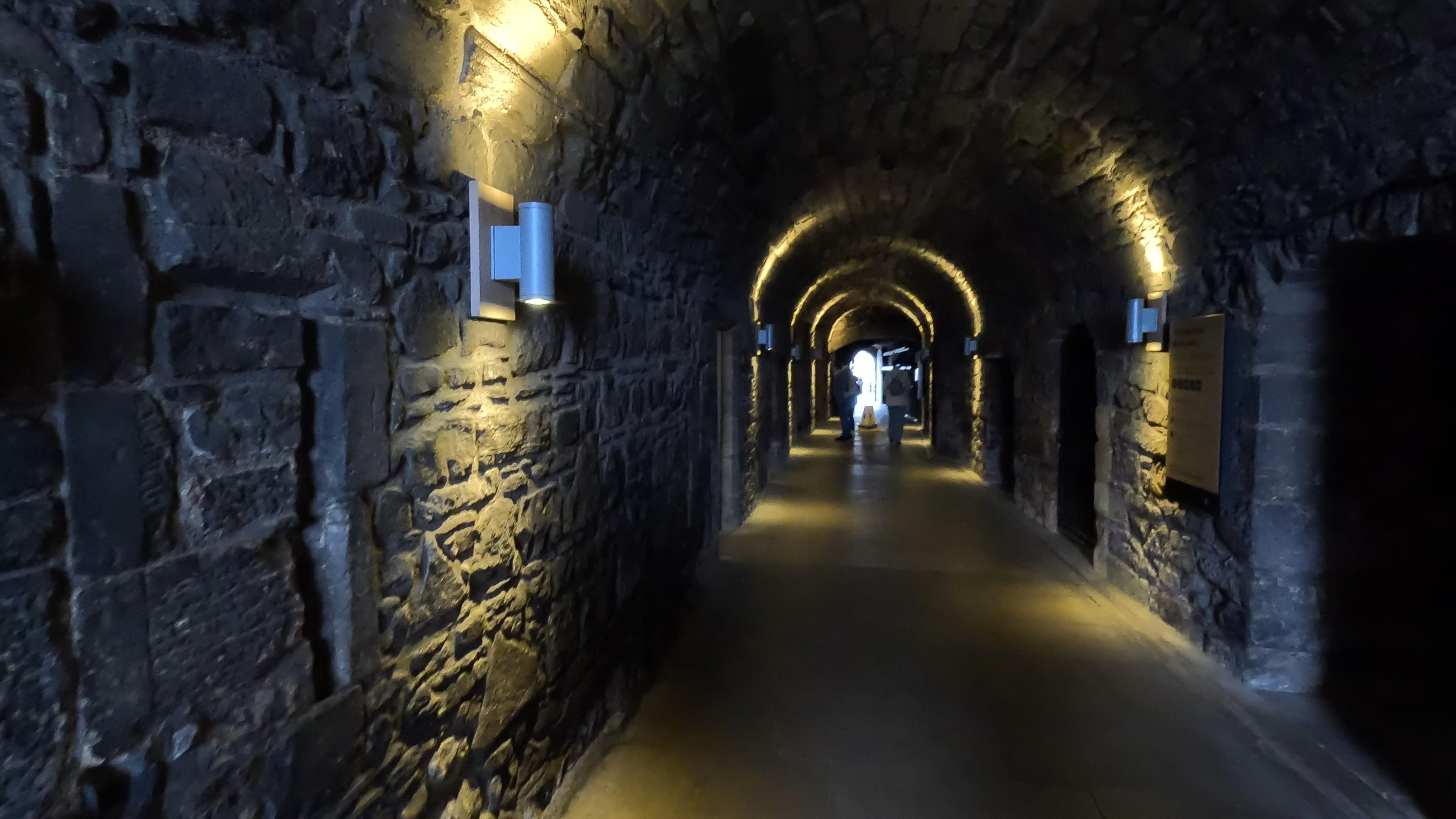
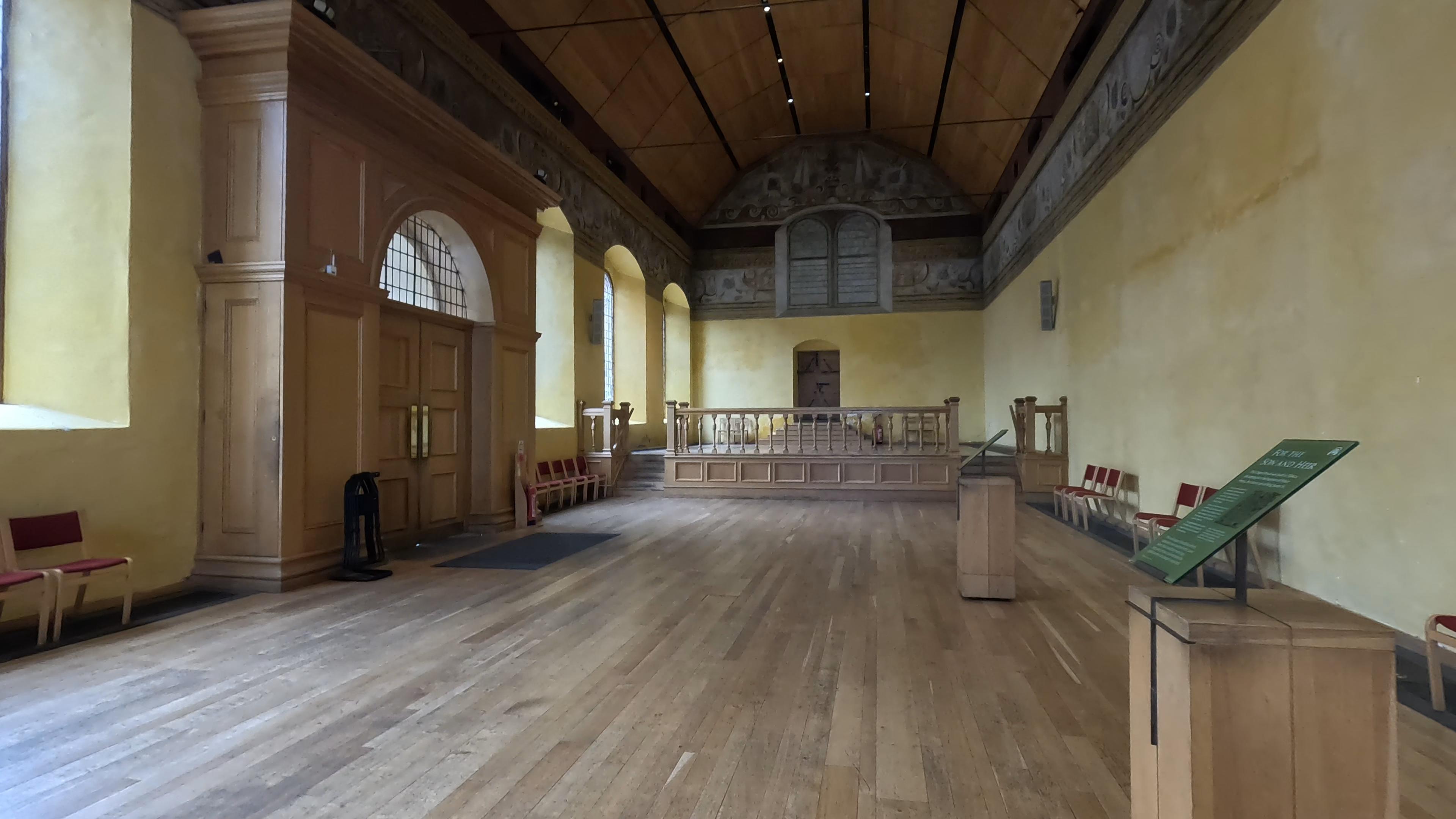
The castle’s history is long and bloody; it has been attacked at least 16 times. Three battles have been fought in its direct vicinity: two that were significant in Scottish history and an equally important battle that would take place just a few miles to the north. You can enjoy the castle’s history at the various exhibitions inside and see highlights like the palace vaults, the king’s bed chamber and our personal favorite, the great hall. This is only a short glimpse of how incredible and rich in history Stirling Castle really is.
2. National Wallace Monument
Location: Abbey Craig, Hillfoots Rd, Stirling FK9 5LF
Website: https://www.nationalwallacemonument.com/
Cost: Adults approx. £11.65; Children approx. £7.30.
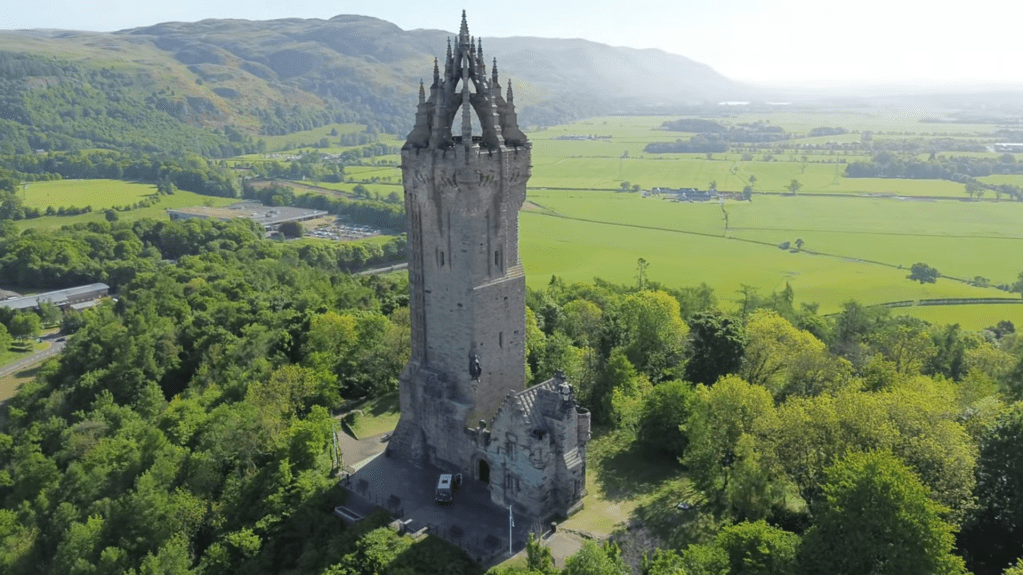
Be wowed by the William Wallace Monument standing higher than Stirling Castle on its very own outcrop of rock on the side of the river. Built in the honor of William Wallace, the man affectionately known as Braveheart played an integral role in the battle against England for Scotland’s independence.
One of his most famed battles was the Battle of Stirling Bridge in 1297. The tower itself is 67 m high and requires 246 steps to reach the very top, but you are able to stop off and take rest breaks at the three galleries on route. One of those galleries is called the Hall of Arms which tells the story of William and gives you a chance to see the famous Wallace sword.
Another exhibition is in the Hall of Heroes honoring famous men and women from Scottish history. Finally once you’re at the top, also known as the Crown, you have a breathtaking panorama over Stirling, Ben Lomond and the Trossachs.
3. Stirling Bridge
Location: Bridgehaugh Rd, Stirling FK9 5AP
Cost: Free.
In September of 1297 this area would be where one of Scotland’s most iconic and bloodiest historical events would take place. Led by William Wallace and Andrew Moray, Scottish forces triumphed over the English army marking a turning point in the first war of Scottish independence.
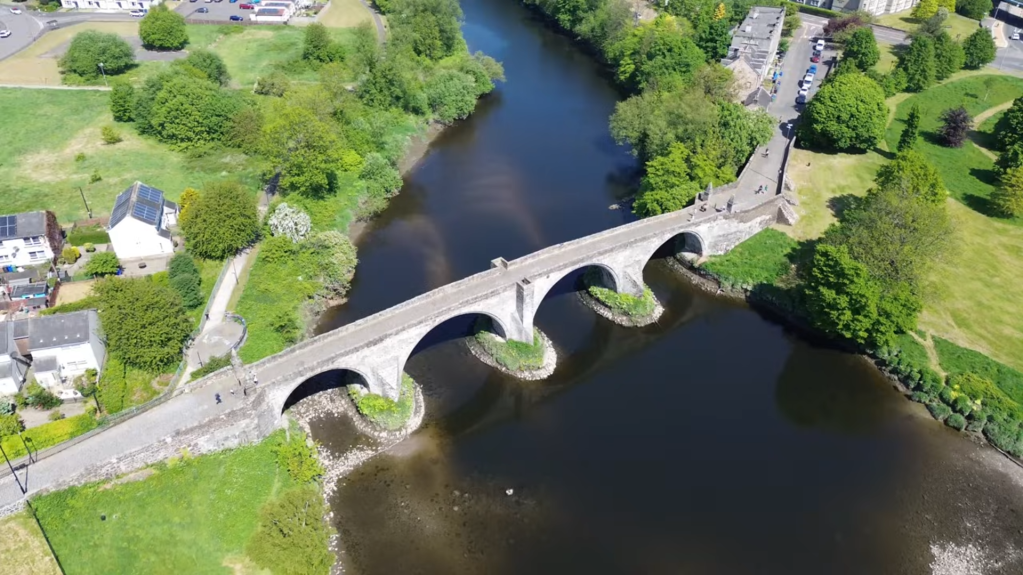
The victory not only boosted Scottish morale but it also cemented Wallace’s reputation as a formidable leader. Although this current Stirling bridge isn’t the same one that was present during the battle as it was once a timber structure that was completely destroyed, This new stone arched bridge was built in the late 15th or early 16th century several hundred years after the famous battle.
It still provides an important reminder of the battle and its strategic importance in medieval Scotland. It’s around 80 m long with four semi-circular arches, making a great free short stop whilst you’re in the area.
4. Bannockburn
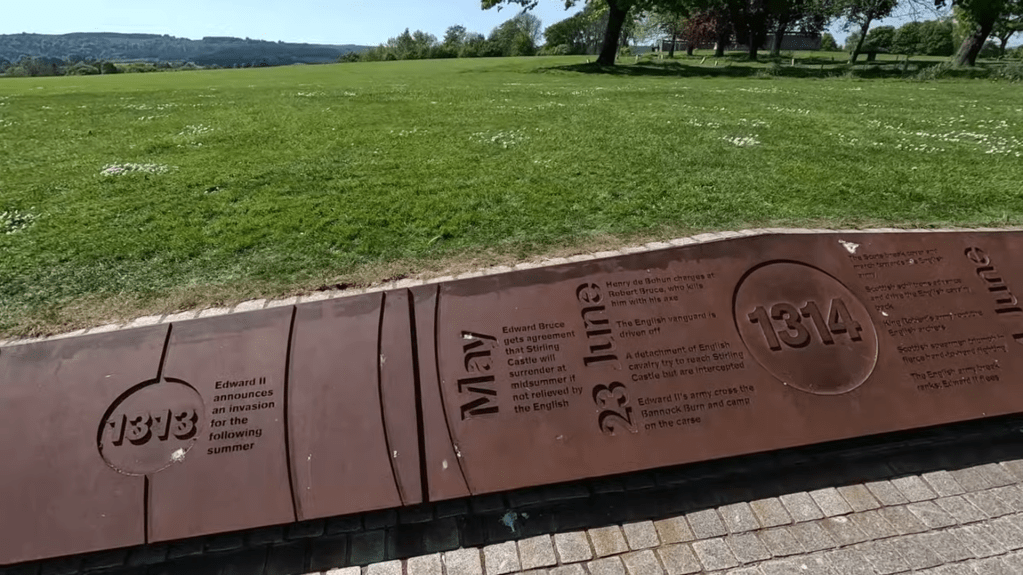
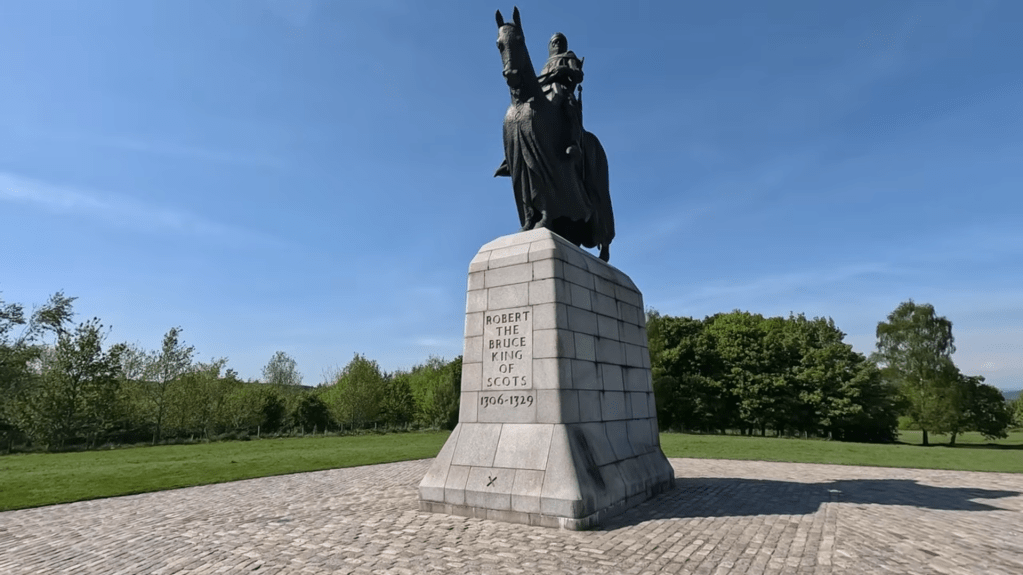
Location: Glasgow Road, Whins Of Milton, Stirling FK7 0LJ
Website: https://www.nts.org.uk/visit/places/bannockburn
Cost: Exhibition entry adults approx. £9.00; Children approx. £8.50.
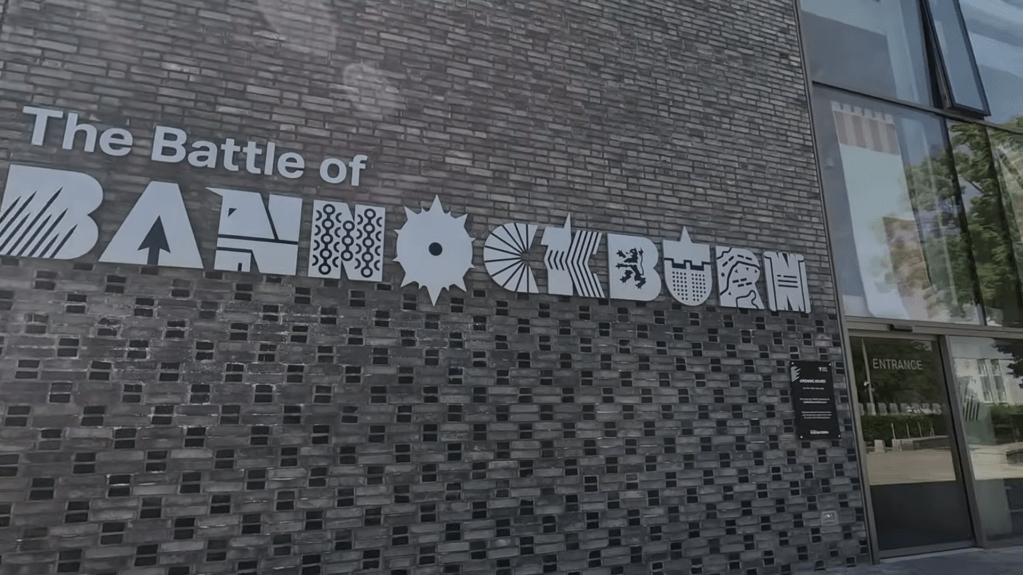
There can be a few words as appealing to Scottish history enthusiasts as Bannockburn. The battle is regarded as a landmark in Scotland’s long contest for independence. Comparably, the battle’s victor Robert the Bruce holds a legendary status as a warrior king. The Battle of Bannockburn Visitor Center presents an immersive and yet objective interpretation of Bruce the man and the impact of his defining moments.
Crucially, we also learn too of the battle’s wider impact on its winners, losers and witnesses. Outside a short walk from the visitor center you can see the incredible Rotunda and the iconic Bruce monument. The bronze statue of Bruce on his warhorse is mighty impressive. This area was where Bruce killed English knight Sir Henry de Bohun in combat by brutally cleaving his skull in two with his axe.
You can walk the area and visit the landscape free of charge, but we would recommend enjoying the interactive battle experiences inside.
5. Church of the Holy Rude
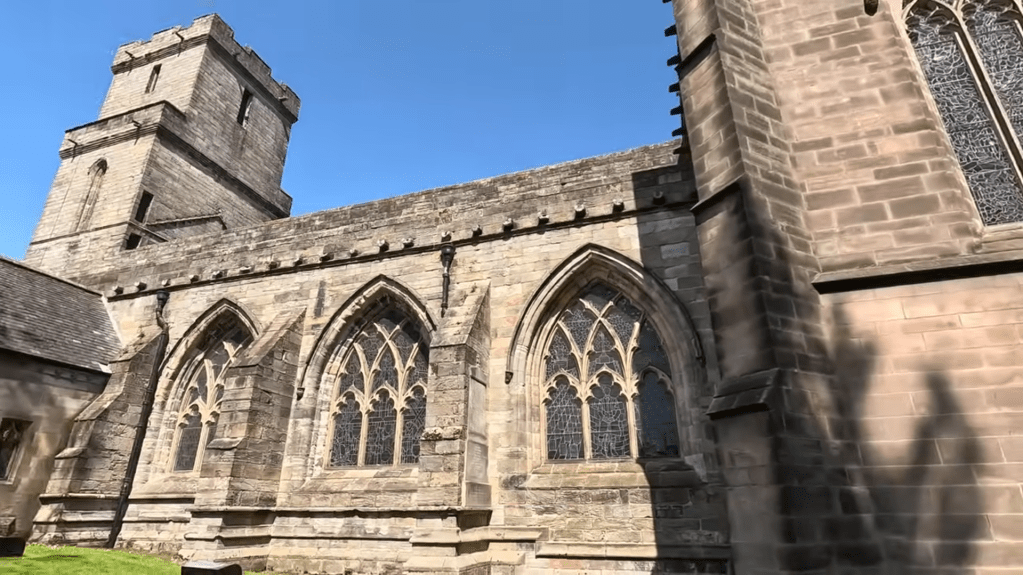
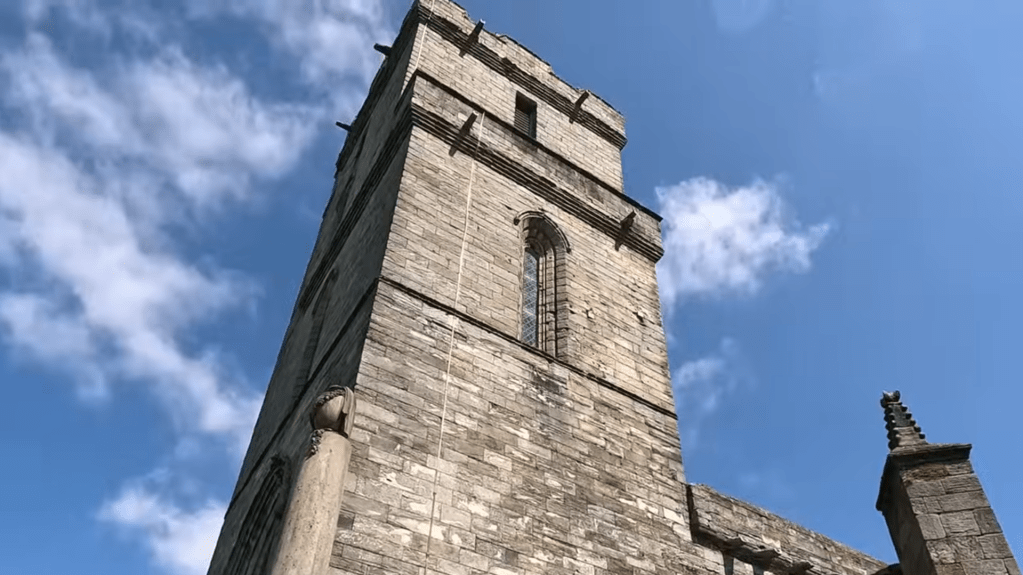
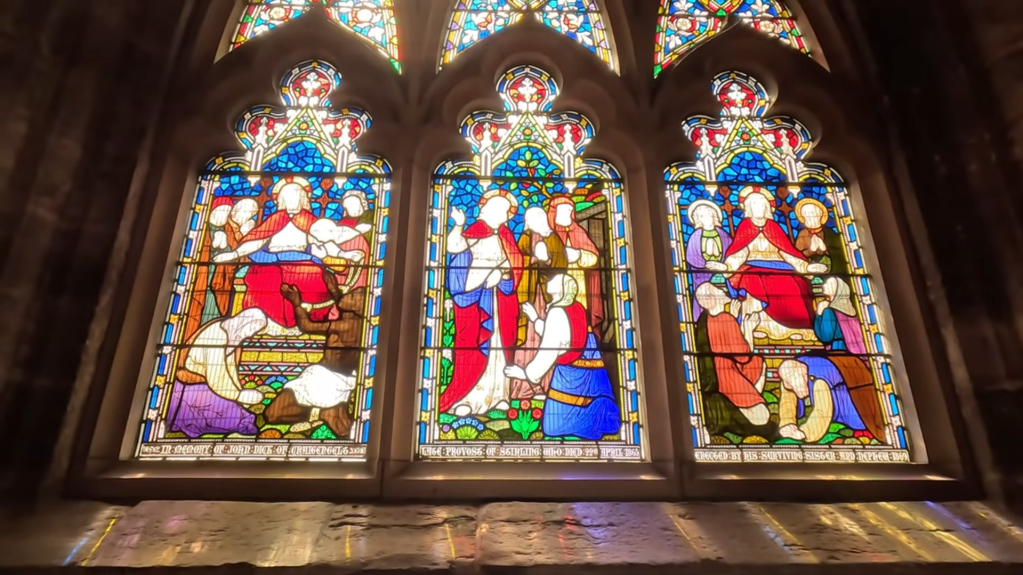
Location: St John St, Stirling FK8 1ED
Website: https://holyrude.org/
Cost: Adults approx. £7.50; Children under 16 Free.
Next a visit to Stirling’s most intriguing and beautiful historical church. Built in the Gothic style, marvel at the Church of the Holy Rude where its oldest part dates back to the early 15th century.
Its interior is particularly noteworthy including the charming 15th century timber roof, the thick buttresses between the great windows, the magnificent organ which is the largest pipe organ in Scotland and the mesmerizing stained glass windows.
The colors that seep through the windows on the church’s stonework are very powerful and vibrant in storytelling, adding to the entire tranquility within the church today.
6. Old Town Cemetery
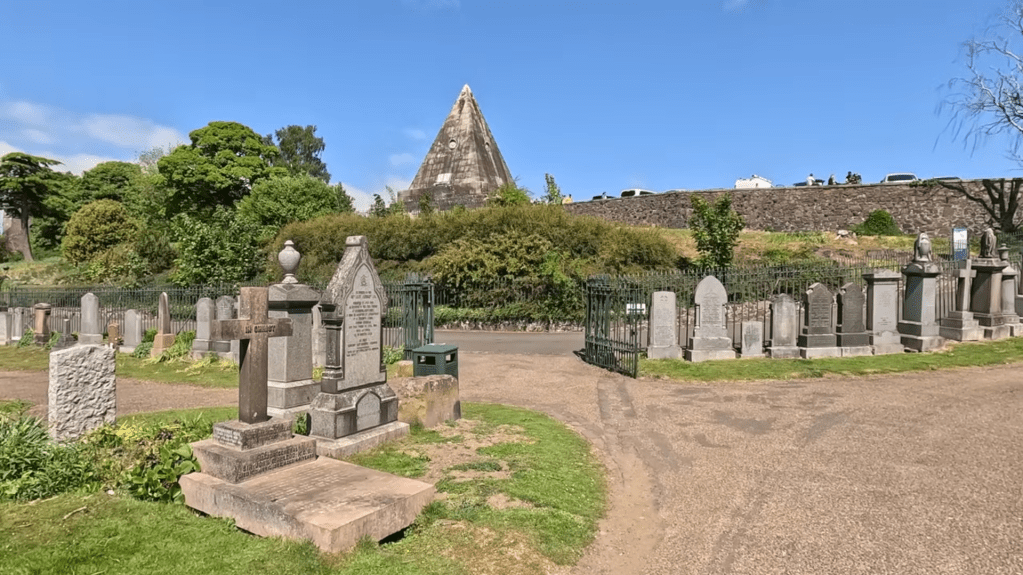
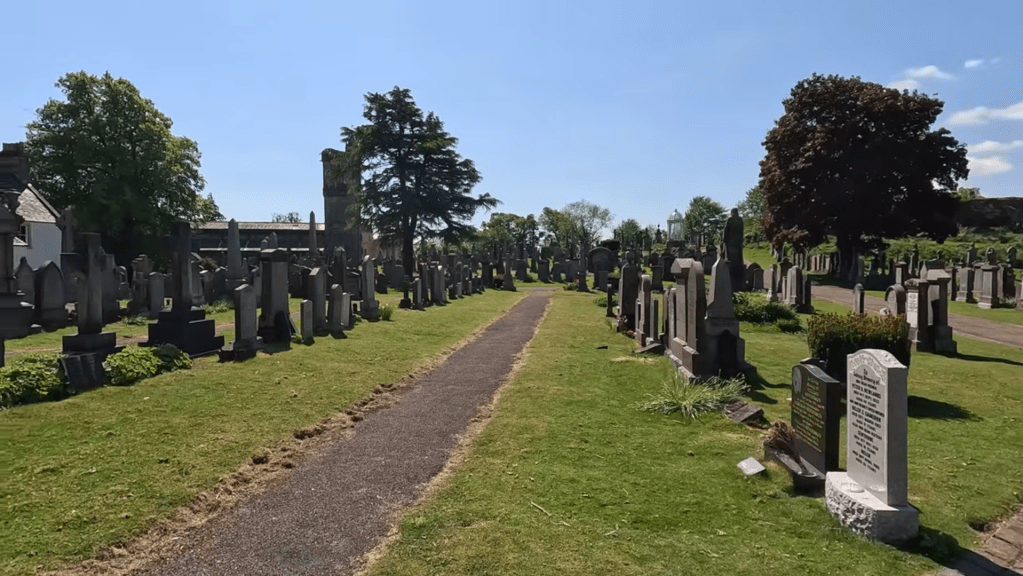
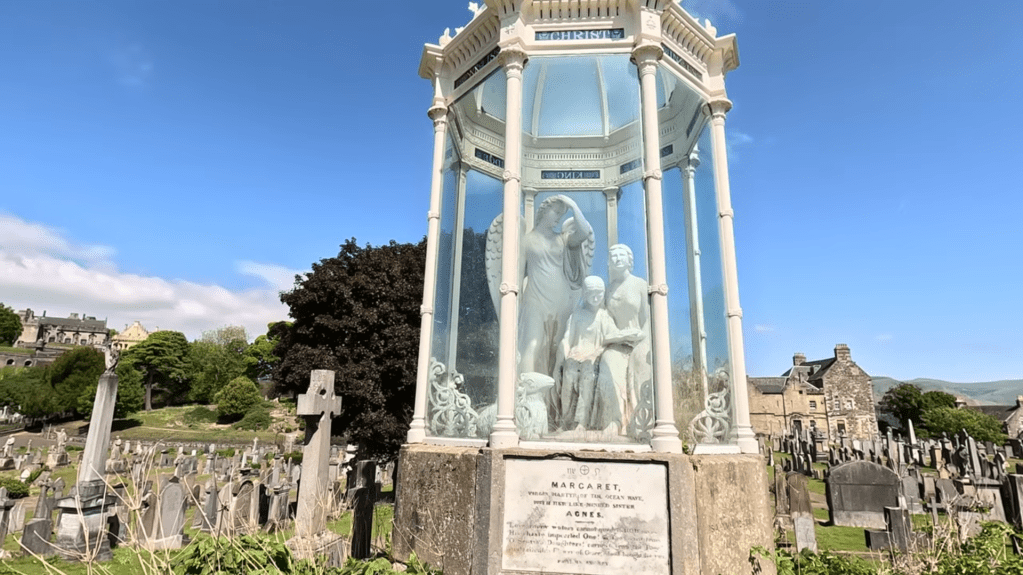
Location: The Back Walk, Stirling FK8 1EG
Cost: Free.
Connected to the church is the old town cemetery or kirkyard. It stands at the top of the town and served as Stirling’s main burial ground until the 1850s.
The gravestones are a treasure trove of stories remembering heroes, martyrs, the Titanic and revolutionaries. The area itself is peaceful and although it’s not everybody’s idea of a way to spend an afternoon, it has an important place in the city with such interesting architectural features. And best of all it’s free to enjoy.
7. Mar’s Walk
Location: Mar Pl, Stirling FK8 1EG
Cost: Free.
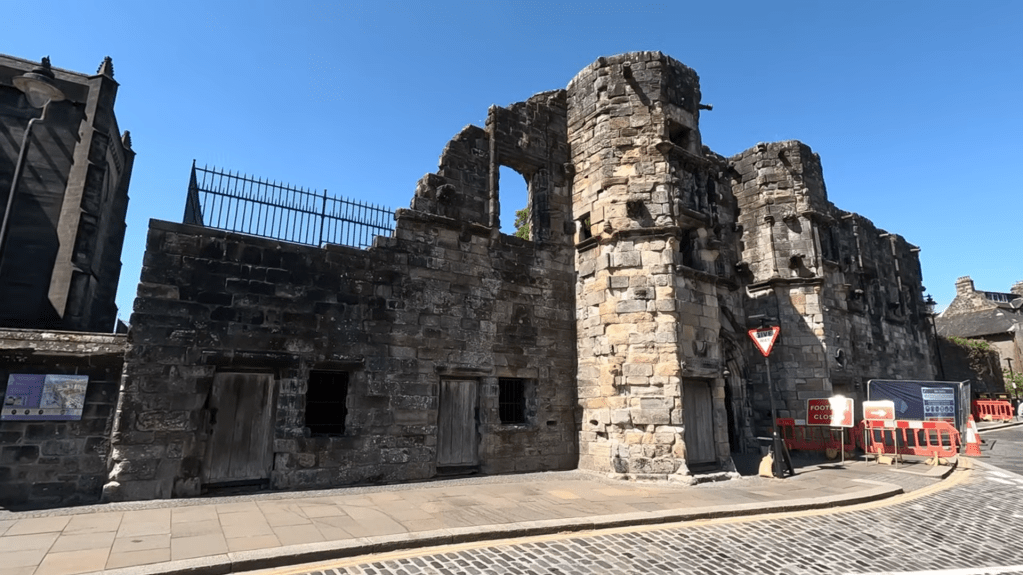
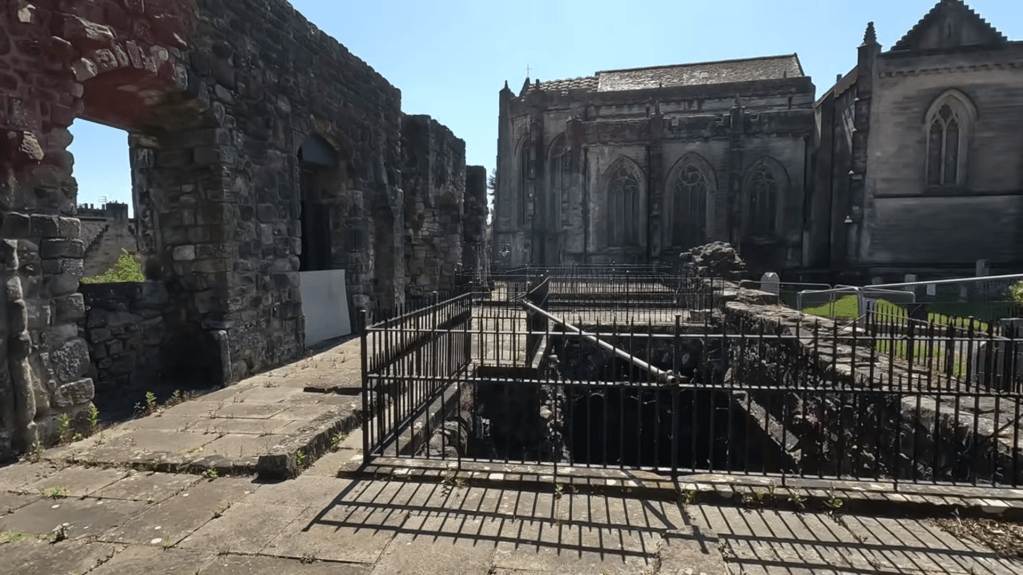
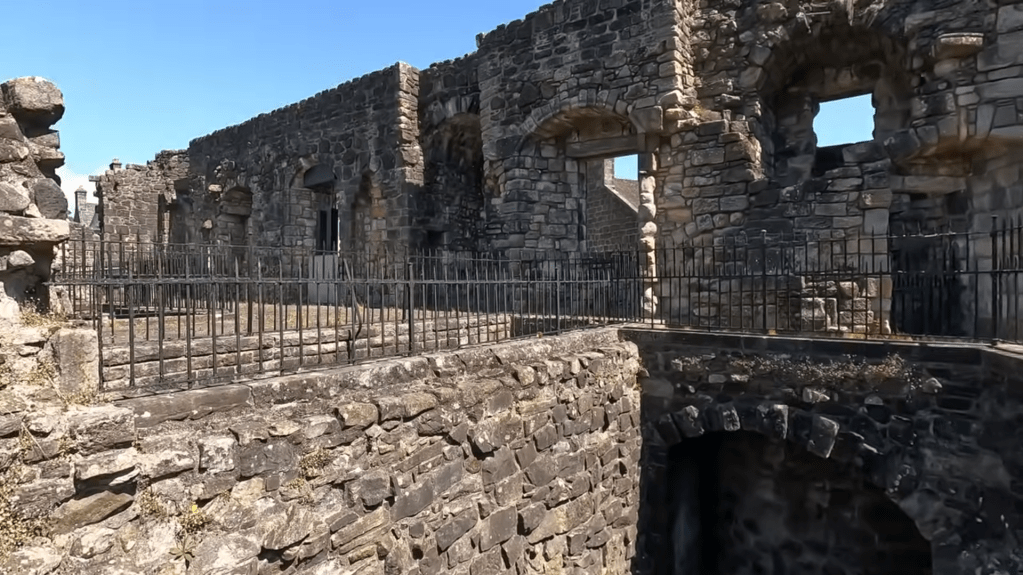
Heading out from the Kirkyard you can wander towards Mar’s Walk, an imposing 16th century townhouse constructed for John Erskine, the Earl of Mar.
Erskine was governor of Edinburgh Castle until 1560 but became custodian of Stirling Castle after losing his governorship in Edinburgh. The house once boasted impressive detailing, some of which we can still see today, including the imitation cannons and inscribed panels. It’s still worthy of a walk to take photos and peer into to see its beautiful former architectural detailing.
8. King’s Knot
Location: Kings Knot / Haining Path, Stirling FK8 1EJ
Cost: Free.
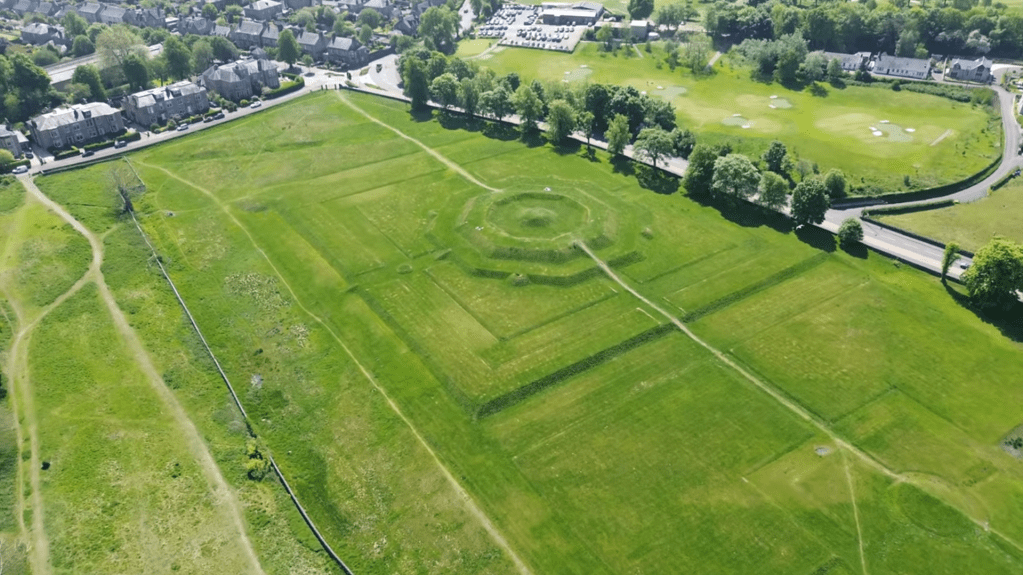
On the grounds of the ancient King’s Park some earthworks remain known as the King’s Knot. This was once in the 1100s where Scotland’s royalty would partake in jousting, hawking and hunting.
Today this area is a used public space known as the “cup and saucer.” The earthworks were once part of the formal gardens of Stirling Castle and possibly the best views to see the scale of the gardens can be best appreciated from an aerial perspective or the ladies lookout in the castle above.
9. Cambuskenneth Abbey
Location: Ladysneuk Rd, Cambuskenneth, Stirling FK9 5NG
Website: https://www.historicenvironment.scot/visit-a-place/places/cambuskenneth-abbey/
Cost: Free
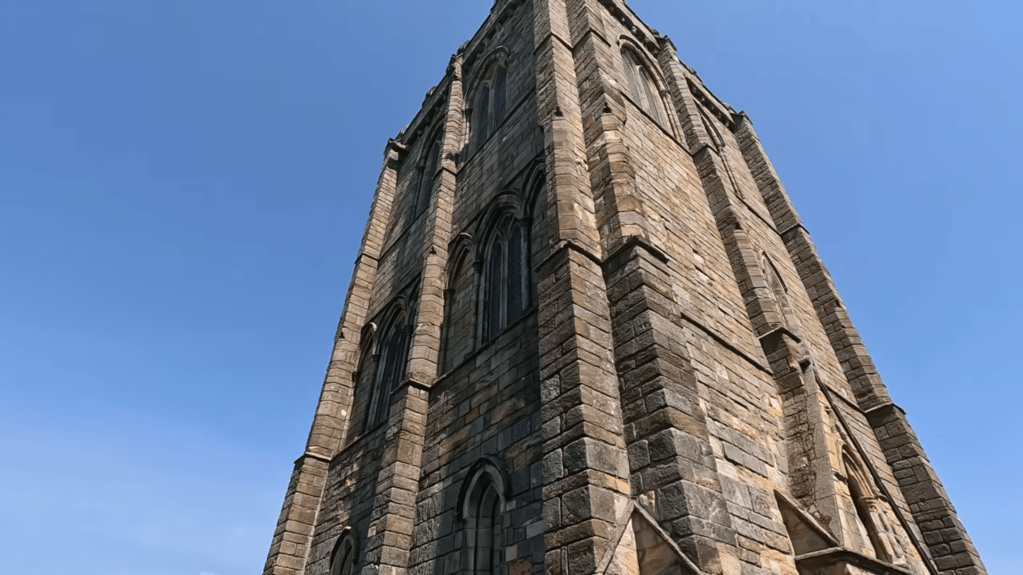
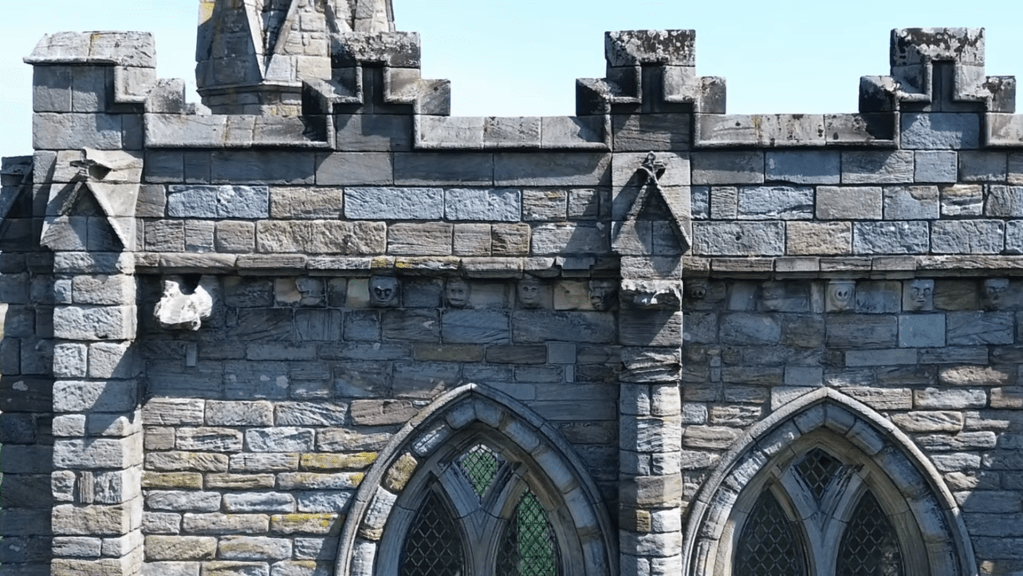
To the east of Stirling, the village of Cambuskenneth houses an abbey founded in 1140. Cambuskenneth Abbey was once a grand and rich complex with direct links to nearby Stirling Castle. Most of its buildings were raised to the ground during the Reformation and now the only standing building is the Abbey’s bell tower.
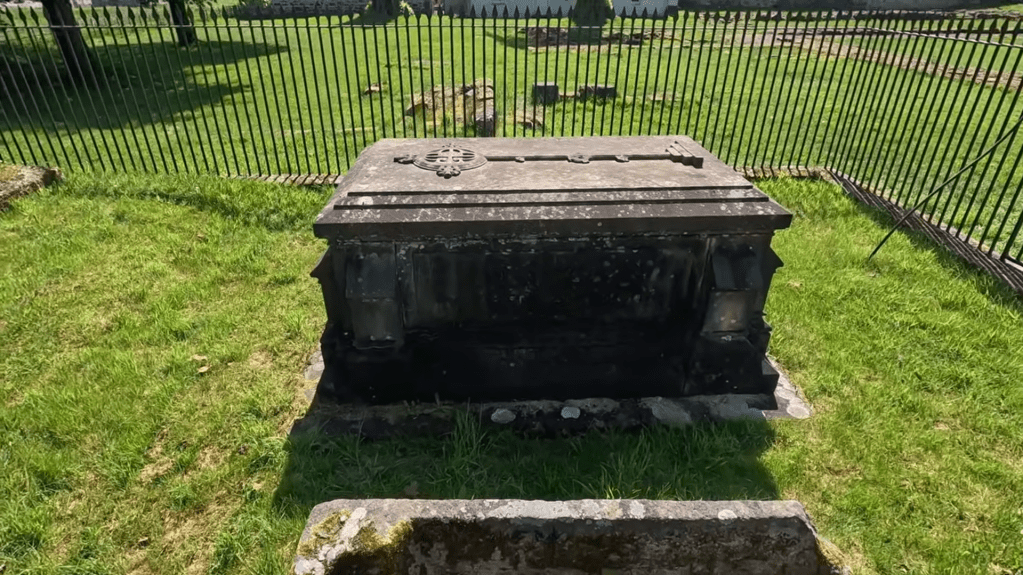
Built in the 1300s and heavily restored in the 1860s, this bell tower is quite mesmerizing with its rows of grotesques. Another interesting note about the abbey is being able to see the burial site of King James III of Scotland and his wife Margaret of Denmark.
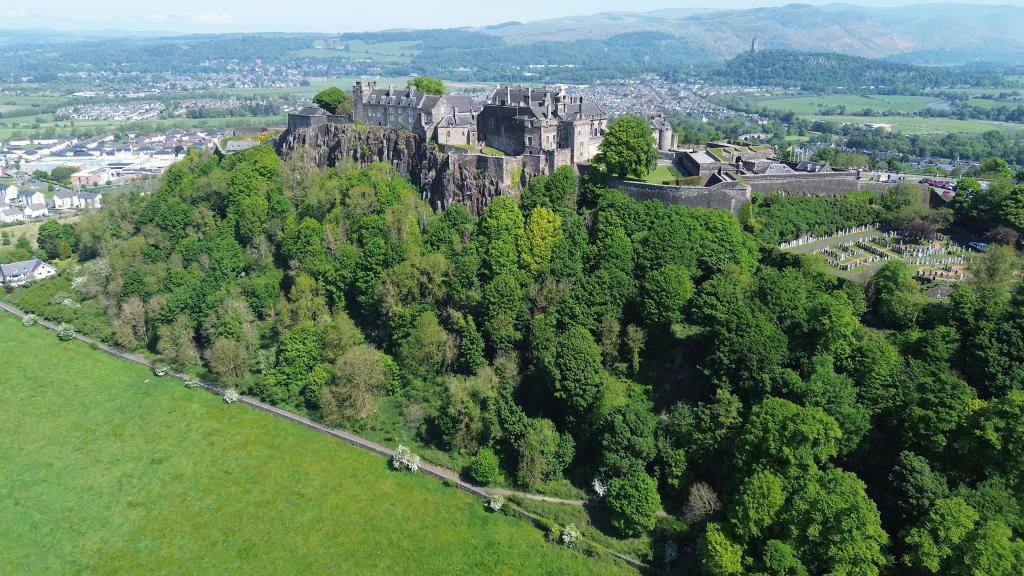
Stirling as a central location makes it a brilliant day trip destination when you’re on a city break but it is also a great hub to access the rest of Scotland in all directions.
Whether you hop from city to city, want to explore the Trosacs and the Highlands or want to go off the beaten track to the Cairngorms and the East Coast, you can reach pretty much anywhere in Scotland within just a few hours by public transport.
As such it is also a great place to base yourself if you want to do a lot of day trips around Scotland. Two very noteworthy places we think you should team up with visiting Stirling is to the famous Outlander duo of Doune and Blackness Castles.
Both of these locations can be visited by a short car or bus ride away for a castle experience like no other.
If you liked the blog please hit that like button, watch the full video below and consider subscribing if you haven’t already.
Till Next Time!


 Pinned on Places
Leave a comment