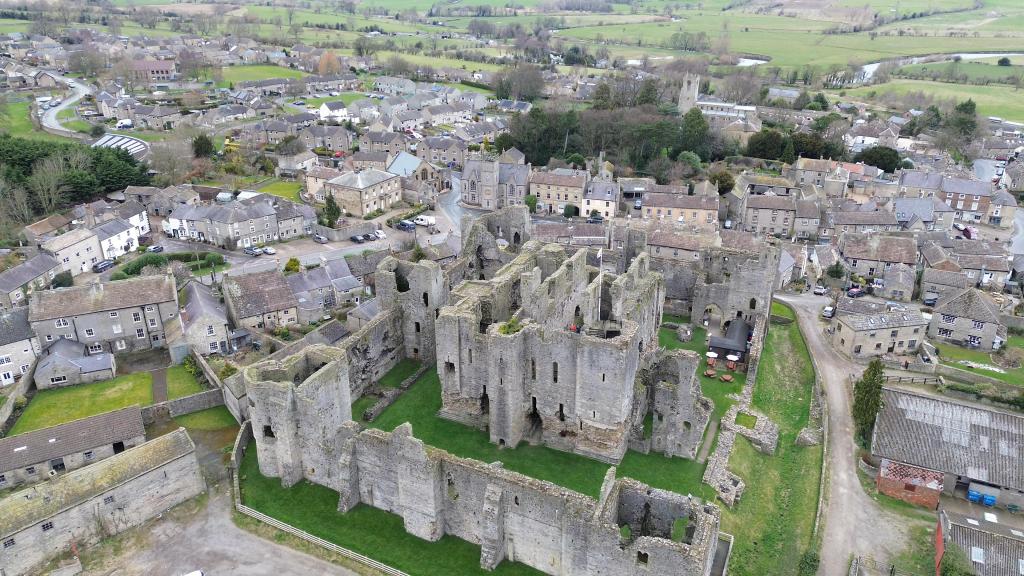
In this week’s post, we couldn’t be more excited to visit Middleham Castle. Perched 11 miles south of Richmond in the historic market town of Middleham, these 12th-century ruins are located within the Wensleydale valley of North Yorkshire. This stunning fortress was once one of the largest castles in England and is often referred to as “The Windsor of the North.” While Middleham is best known as the home of Richard III—the last Plantagenet King and former car park resident—it is also a fascinating and grand castle in its own right.
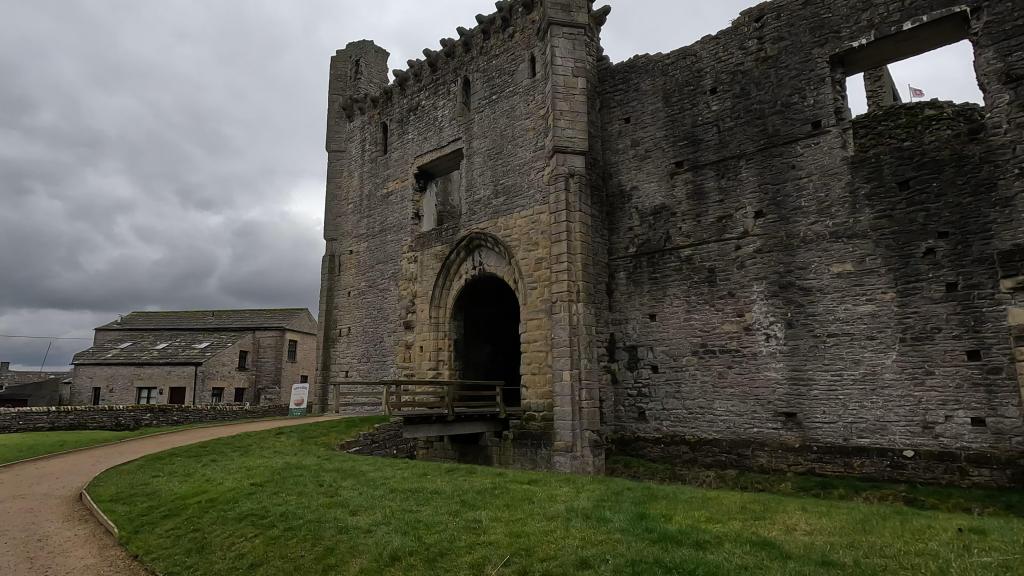
The castle’s origins are rooted in the immediate aftermath of 1066 and reveal a strategic imperative: to secure newly conquered lands. Before the formidable stone structure rose, a humble motte-and-bailey known as William’s Hill stood on the high ground to the southwest. Constructed around 1086, it was held by Ribald, brother of Alan Rufus “The Red.” As one of William the Conqueror’s closest allies, Rufus was rewarded with lands in Northern England. Following the construction of a mighty castle at Richmond, he set upon building this new fortification. This initial site comprised a ringwork-and-bailey design, featuring a circular earthwork and ditch that served to protect the complex within.
The motte is believed to have stood about 12 meters high and was surrounded by a ditch 6 meters wide. You can still see the remains of the motte and ditch today when looking out from the battlements. The transition to a stone castle commenced in the late 12th century, marked by the construction of the great tower. Archaeologists determined this date based on carved stones in the northeast chapel that depict a “waterleaf” design, a style used elsewhere in Yorkshire during that period. The Norman Keep was designed with walls 14 feet thick at the base, standing around 66 feet high, and contained a great chamber, kitchen, chapel, and cellars.
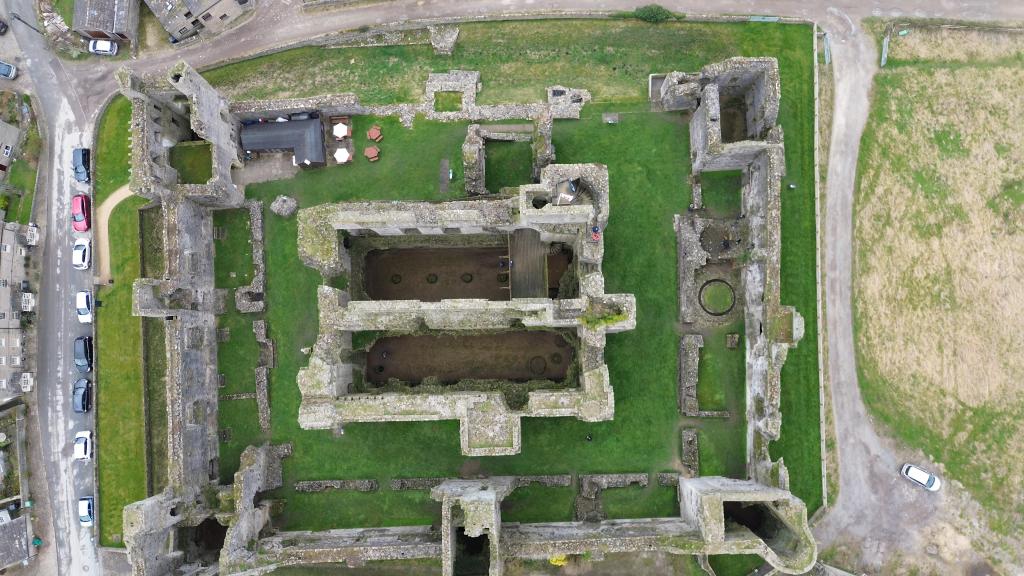
Middleham changed hands in 1258 when it descended to Mary, the Lady of Middleham, and her husband, Robert Neville. This was the beginning of the great Neville dynasty. Her descendant, Ralph Neville, 1st Earl of Westmorland, rebuilt the south and west sections into two-story structures to accommodate his 23 children. He also increased the height of the towers and transformed the northeast tower into a gatehouse. Middleham was indeed a palace fit for a king; his brother-in-law, King Henry IV, stayed here in 1410.
In the early 15th century, Richard Neville, 16th Earl of Warwick—known as the “Kingmaker”—brought Middleham to the forefront of the Wars of the Roses. During this time, a young Richard, Duke of Gloucester (the future Richard III), came to live with Warwick at Middleham from 1465 to 1468. After the death of Warwick at the Battle of Barnet in 1471, Richard III firmly cemented the castle’s place in history. It was his primary northern stronghold, the place where he met his wife, Anne Neville, and where his son, Edward of Middleham, was born and tragically died in 1484.
The reign of the Plantagenets ended in 1485 when Richard III died at the Battle of Bosworth. After his death, his body was buried at Grey Friars in Leicester, but the site was eventually lost. In a remarkable turn of events in 2012, his remains were discovered beneath a Leicester City Council car park. DNA evidence confirmed the skeleton was indeed the king, and he has since been reburied in Leicester Cathedral.
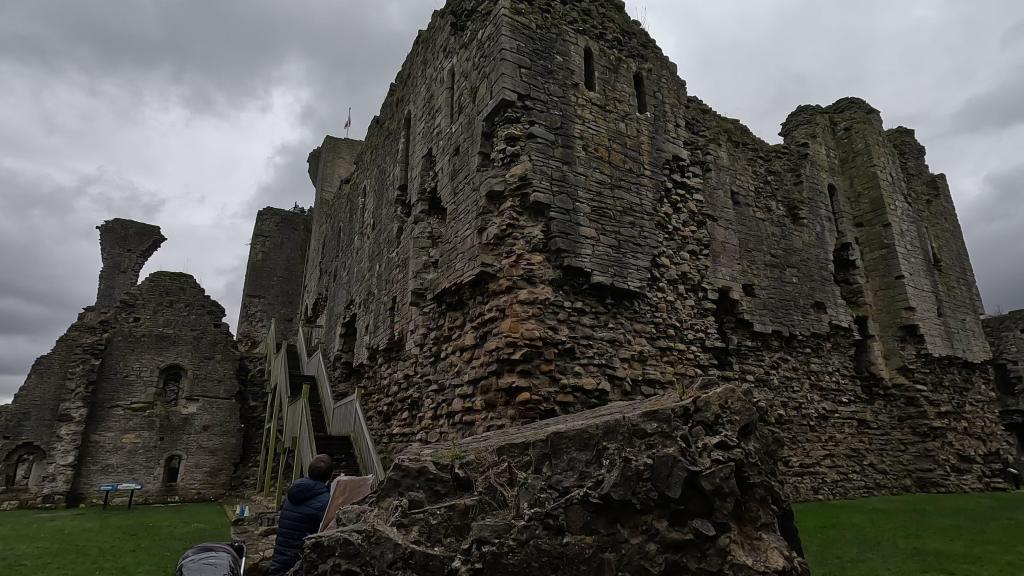
Middleham remained a Royal Castle until it was sold by James I in 1604. It played a minor role in the Civil War and, unlike many other fortresses, there is no evidence that it was ever officially slighted. Eventually, it was gifted to English Heritage. Today, it stands as a testament to its dual role as a formidable defense and a residential haven. The keep is one of the largest in the country, utilizing a “hall keep” design that integrated both defensive and living spaces.
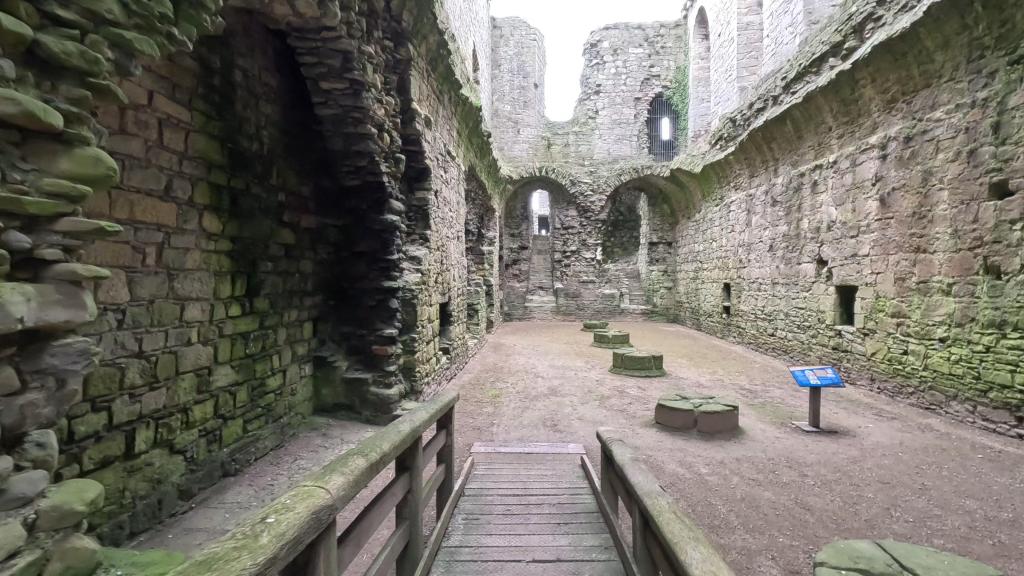
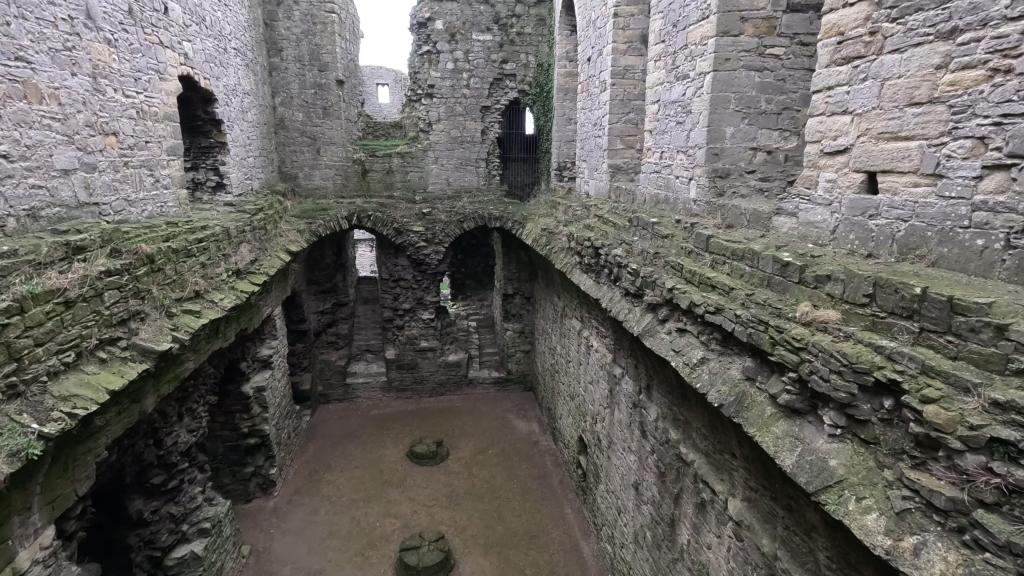
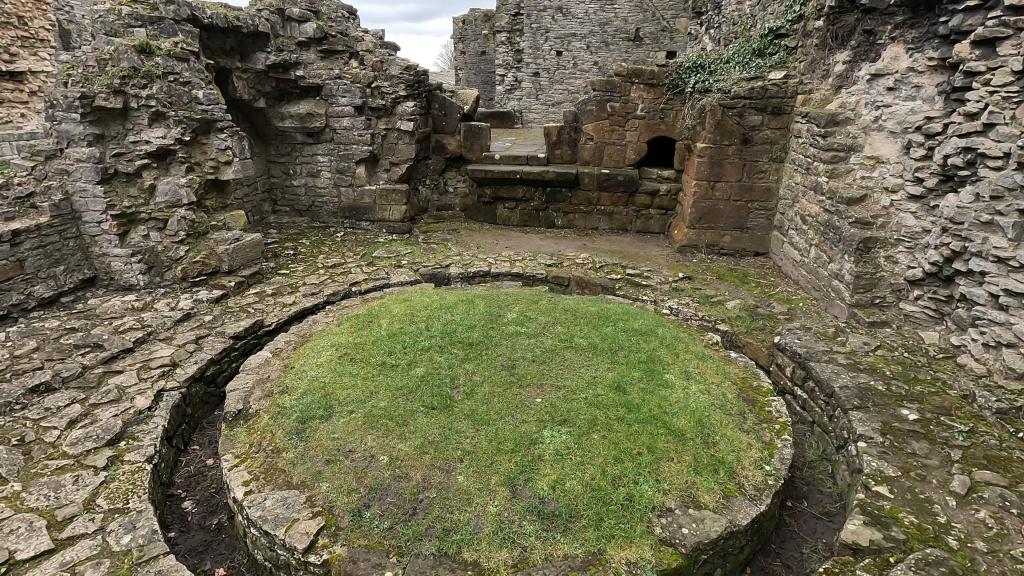
Inside the keep, a central spine wall divided the interior. The ground floor housed the vaulted cellars and kitchens, while the first floor contained the Great Hall—a stage for feasts and court proceedings—and the lord’s private solar. The 15th century saw modifications like vertical windows to increase natural light. Outside the keep, within the outer ward, domestic buildings provided accommodation for servants and staff. Interestingly, you can still see an unusual horse mill to the west of the bakehouse, which was later used in the 19th century to grind stone into sand for cleaning floors in the town.
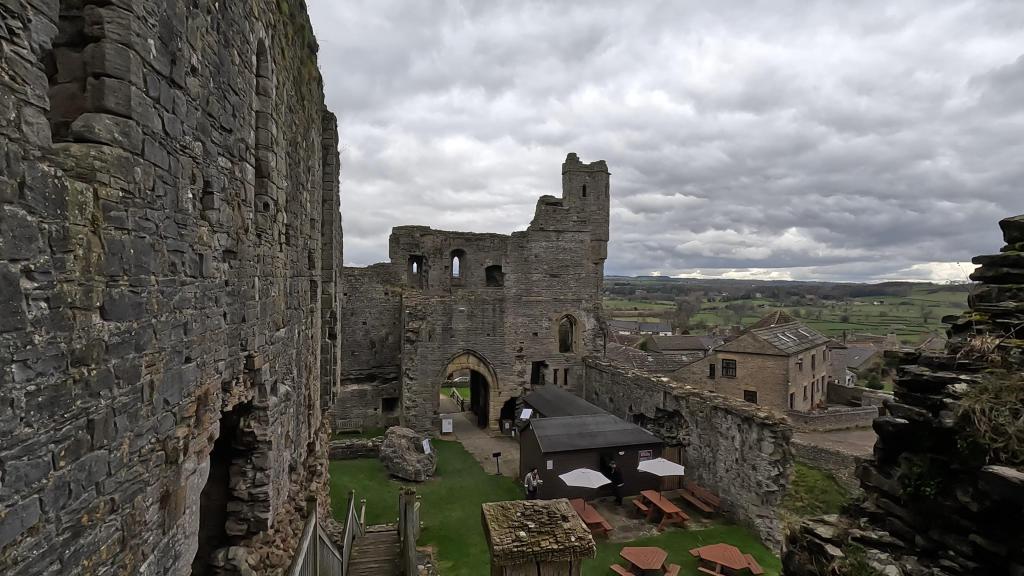
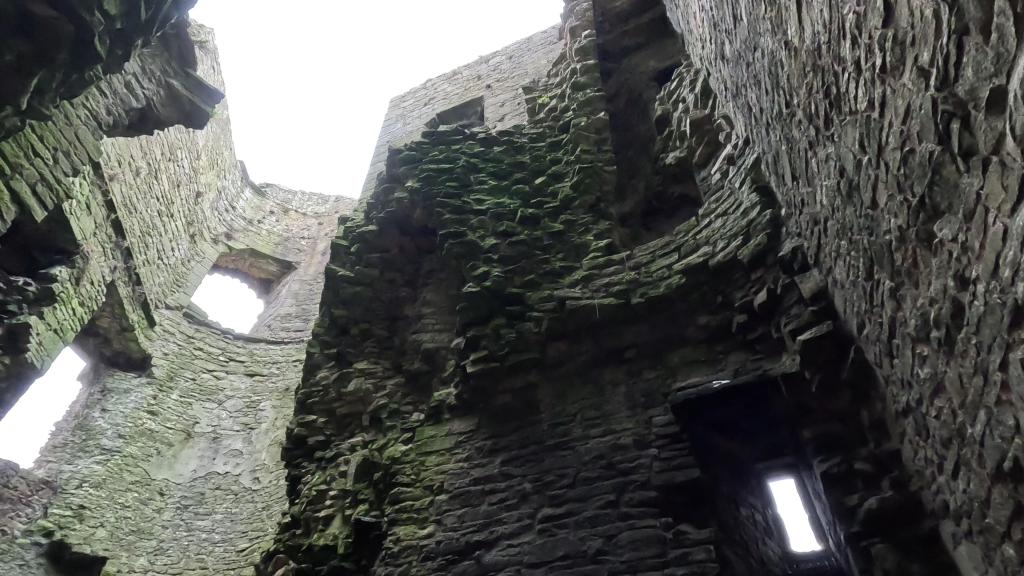
While visiting, be sure to see the small exhibition about the castle’s notable personalities and the replica of the Middleham Jewel. This 15th-century gold pendant, engraved with religious scenes, was found on a nearby bridle path in 1985. There is also a legend that hidden treasures remain buried here; myth suggests you must run around the castle three times to find them, though the exact starting point is unknown. Some even claim the ruins are haunted by medieval music and the ghostly sounds of battle.
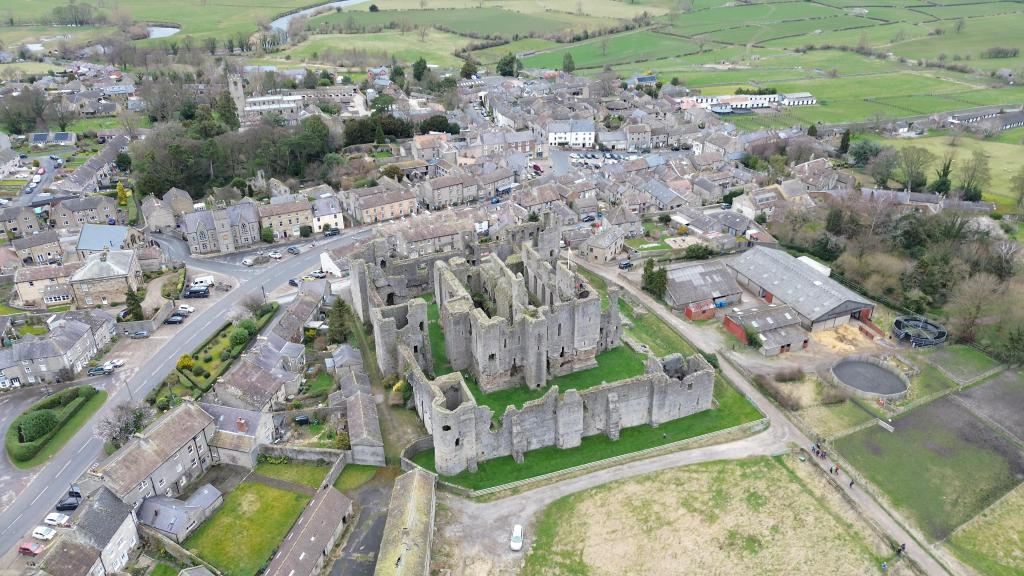
Whatever history or mystery this ruin holds, it is a spectacular and magical site. The ruins are well-preserved and give a real sense of just how magnificent Middleham must have been in its heyday.
If you liked the blog please hit that like button, watch the full video below and consider subscribing if you haven’t already.
Till Next Time!
 Pinned on Places
Leave a comment