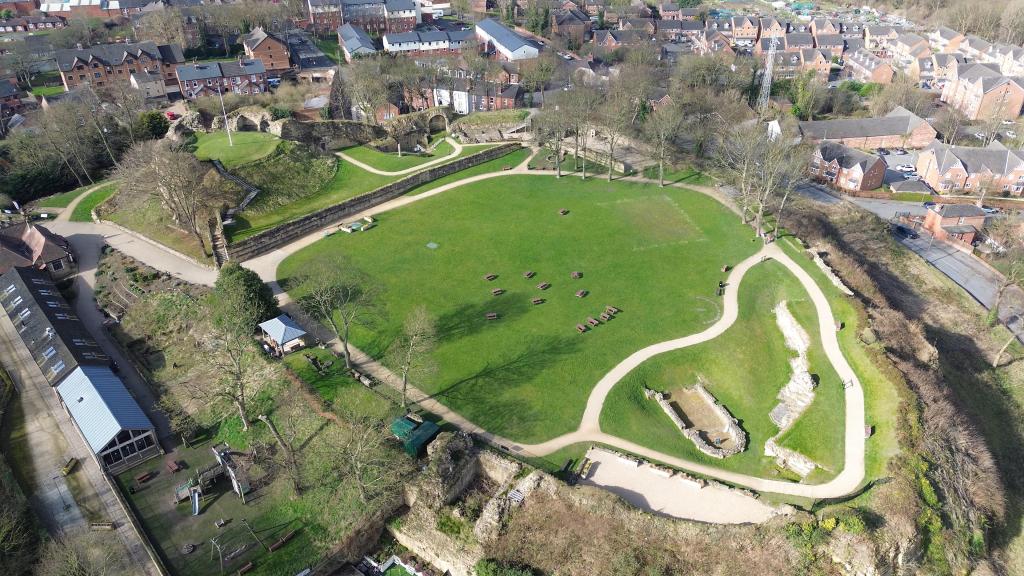
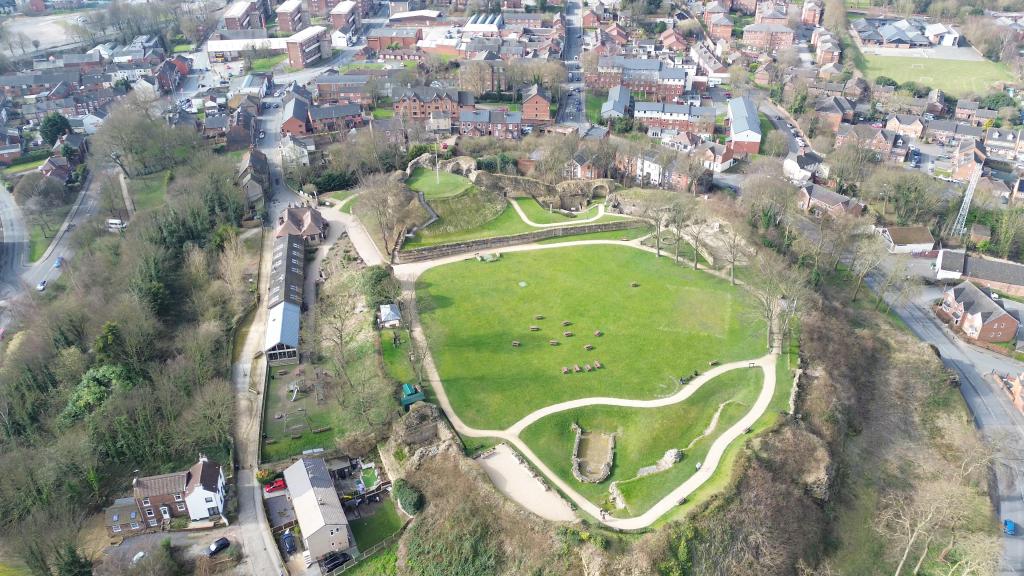
Known as the “Key of the North,” Pontefract Castle was once one of the most important and terrifying fortresses in the whole of Medieval England. Today, we might find this difficult to believe; Pontefract is absolutely ruined, and it is incredibly hard to visualize this vast stronghold as it once was.
Nonetheless, this mighty stone castle was a force to be reckoned with, possessing such a feared reputation that it was even mentioned in the works of Shakespeare. It has a wealth of history spanning 1,000 years, with stories of fearsome battles, prolonged sieges, starvation, murder, and destruction.
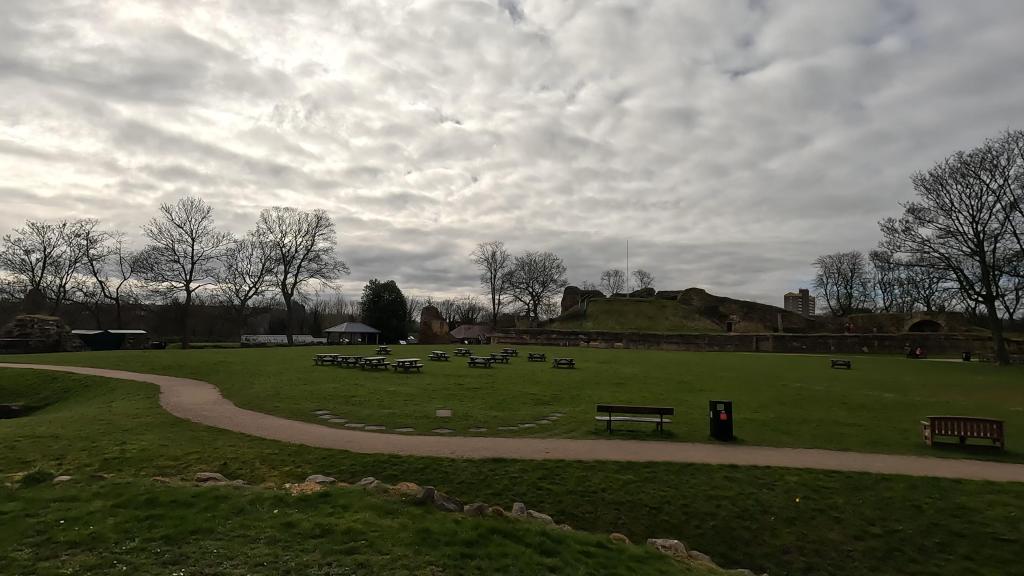
Pontefract Castle was a symbol of royal power and dominance in northern England for almost 500 years. The first castle here was built by Ilbert de Lacy, a Norman lord who was granted large estates in Yorkshire by William the Conqueror. These estates were known as the Honour of Pontefract, and de Lacy administered his lands from this new fortress. It is said that William the Conqueror himself first saw the strategic advantages of the site during his ferocious “Harrying of the North.”
The name Pontefract is a combination of words meaning “bent” or “crooked” and “bridge.” Although the castle site is well away from the River Aire—the nearest site of a “crooked bridge” being two miles away—the location was chosen because an important Saxon town already existed on the site, offering a naturally strong defensive position. The Saxons had a royal burgh here called Tanshelf, and the castle overlies part of the Saxon town walls and a cemetery used from the 8th to the 10th centuries.
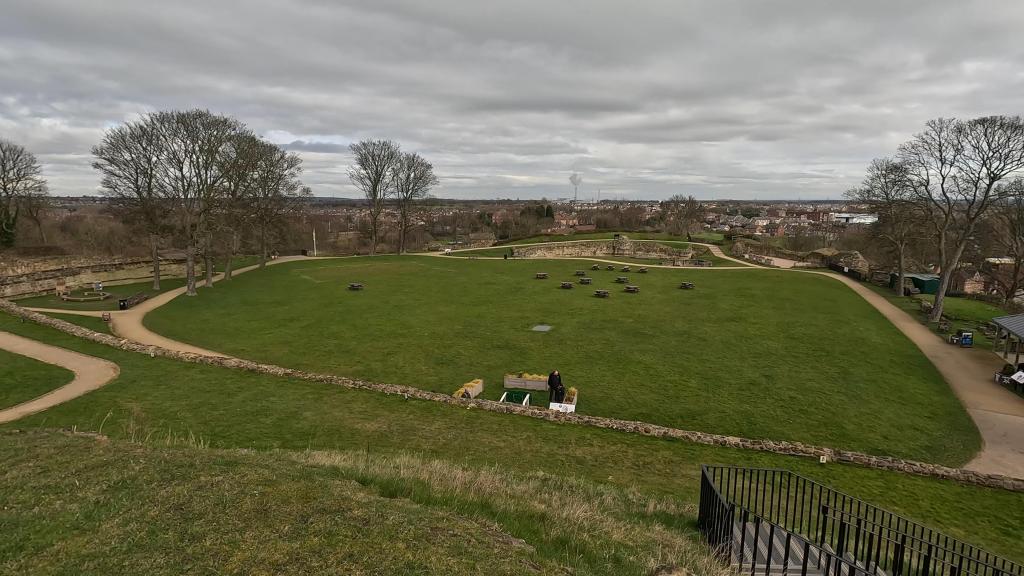
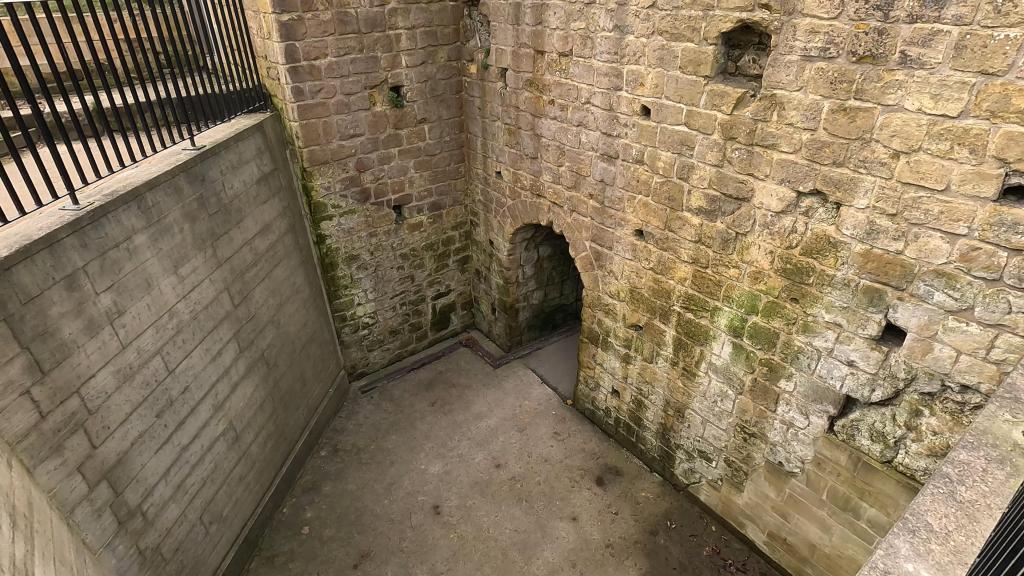
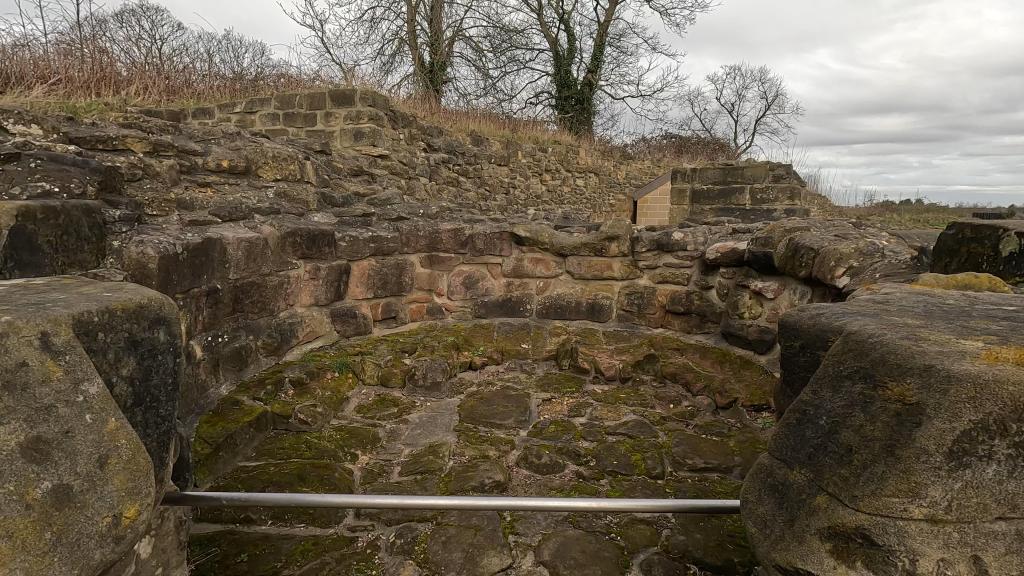
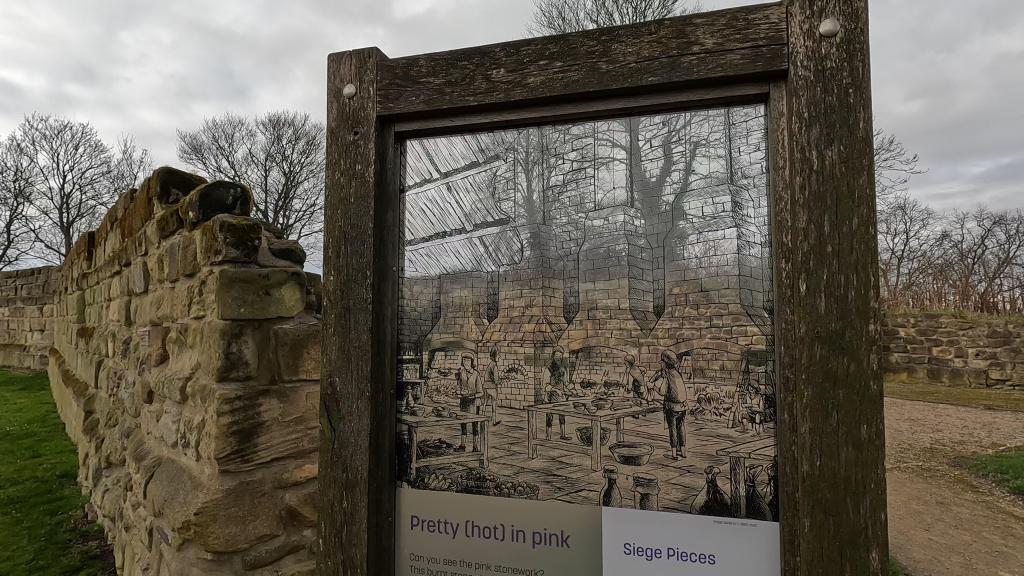
The first castle was a simple motte-and-bailey structure: a high mound of earth with a timber palisade surrounded by an outer timber wall. Evidence of the massive kitchens, including a bakery and ovens, indicates how busy the castle would have been. Surviving parts today include the Piper’s Tower postern gate, foundations of the chapel (dedicated to St. Clement), the inner and outer baileys, the quatrefoil-designed donjon, and 11th-century cellars used as prisons during the Civil War.
Over the 12th century, the wooden castle was gradually rebuilt in stone. The heart of the fortress was the Great Hall, though only its vaulted cellars remain.
Pontefract Castle attracted a phenomenal amount of misery over the years. Hundreds of soldiers were killed or imprisoned here during the Wars of the Roses. The castle features a huge and oppressive network of dungeons hollowed out of the bedrock 35 feet below the surface. Prisoners trapped in these winding, pitch-black pits scratched their names into the walls, which can still be seen today on the dungeon tours of the “magazines” and armor cellars.
In 1541, King Henry VIII visited the castle with his fifth wife, Catherine Howard. It is alleged that while staying here, Catherine began a dangerous love affair with the King’s courtier, Thomas Culpeper. A love letter found in Culpeper’s chambers sealed her fate; both were executed for treason in 1542 at the Tower of London.
Pontefract housed the principal royal armory in Yorkshire, and more money was spent maintaining it than any other castle in the Duchy of Lancaster. However, this did not prevent it from surrendering during the Pilgrimage of Grace in 1536. By the time of the English Civil War, the castle endured three separate, grueling sieges.
By the 19th century, numerous liquorice factories dotted the landscape, and the castle dungeons were even used for storage. Today, companies like Haribo continue this legacy. The annual Pontefract Liquorice Festival remains a vibrant celebration of this unique cultural heritage.
A visit to Pontefract Castle is an immersive experience. It is a chance to walk in the footsteps of kings and rebels and discover the unexpected sweetness that bloomed amidst the ruins. Wakefield Council has made the castle an engaging site for all ages. Your visit is free, with the option to take a dungeon tour for a small fee, and includes a museum, visitor center, and cafe.
If you liked the blog please hit that like button, watch the full video below and consider subscribing if you haven’t already.
Till Next Time!
 Pinned on Places
Leave a comment