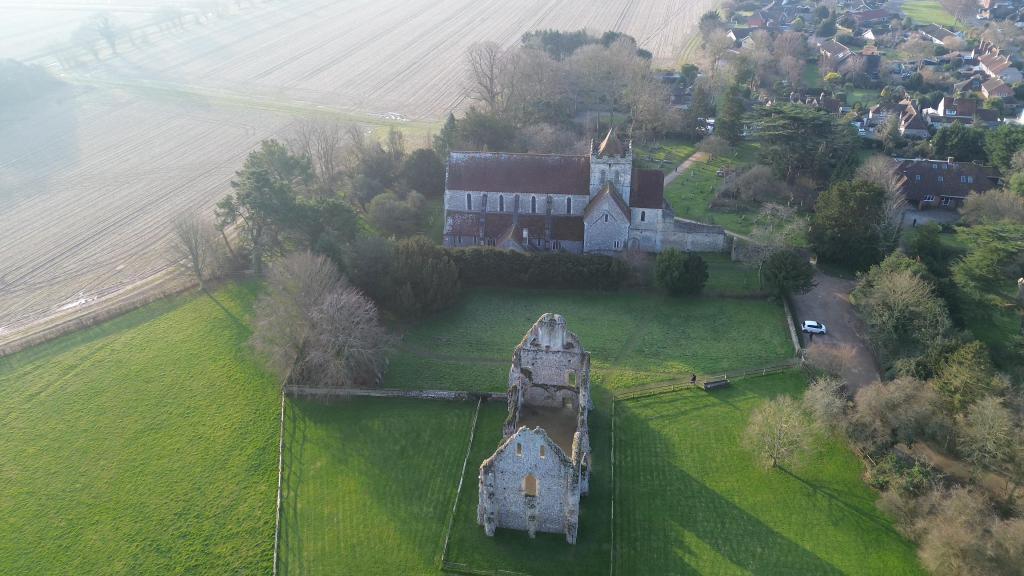
Nestled in the serene landscape of West Sussex, Boxgrove Priory and Church sits in the center of the historic village of Boxgrove near Chichester, within the sweep of land beneath the South Downs. In this post, we will walk the remains of the abandoned guest house, take a walk inside the beautiful church, and explore the history of the oldest set of human remains found in England belonging to the famous Boxgrove Man—a distant ancestor of us as a human species.
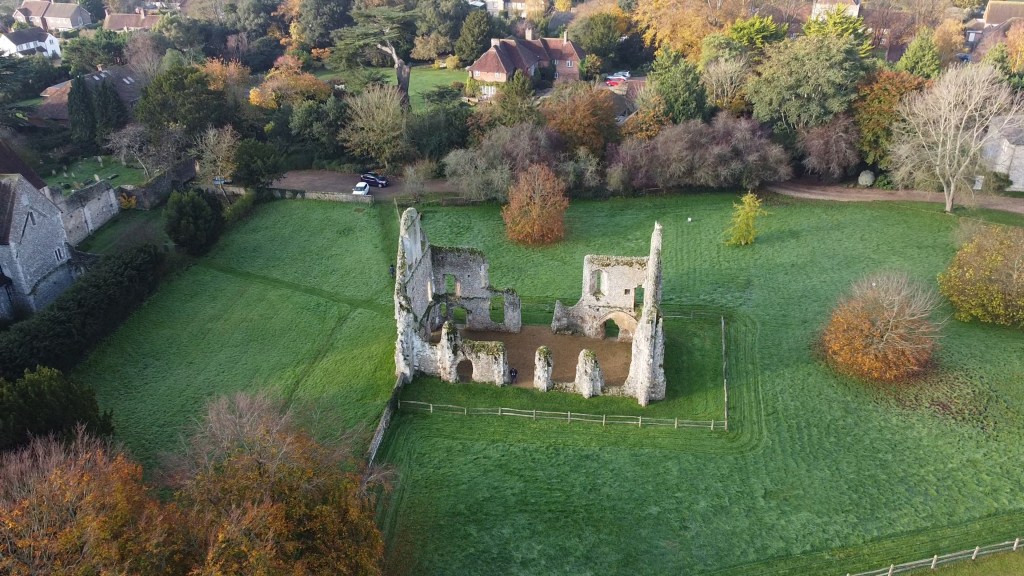
This Benedictine monastery, though now largely a skeletal outline against the sky, stands as a poignant reminder of a once vibrant spiritual and cultural center. An entry in the Domesday Book of 1086 tells us that a church existed here even before the Norman Conquest. Although nothing remains of that Anglo-Saxon church, the present lovely and impressive building dates from the early twelfth century and is famed for its atmosphere of healing tranquility and peace.
Its origins trace back to Robert de Haye, a Norman knight, who gifted the Church of St. Mary of Boxgrove and its surrounding lands to the Abbey of Lessay in Normandy. There were close historical connections between Robert and this monastery, and three monks were dispatched from Lessay to establish a cell at Boxgrove in about 1117.
Once a cell was established, Boxgrove Priory gradually flourished, thanks in part to the patronage of powerful local families. The size of the community soon increased to six monks upon the marriage of the founder’s daughter and heiress, Cecily, to Roger St John. By the mid-13th century, the community had grown significantly, housing nineteen monks and establishing itself as an important religious presence in the region.
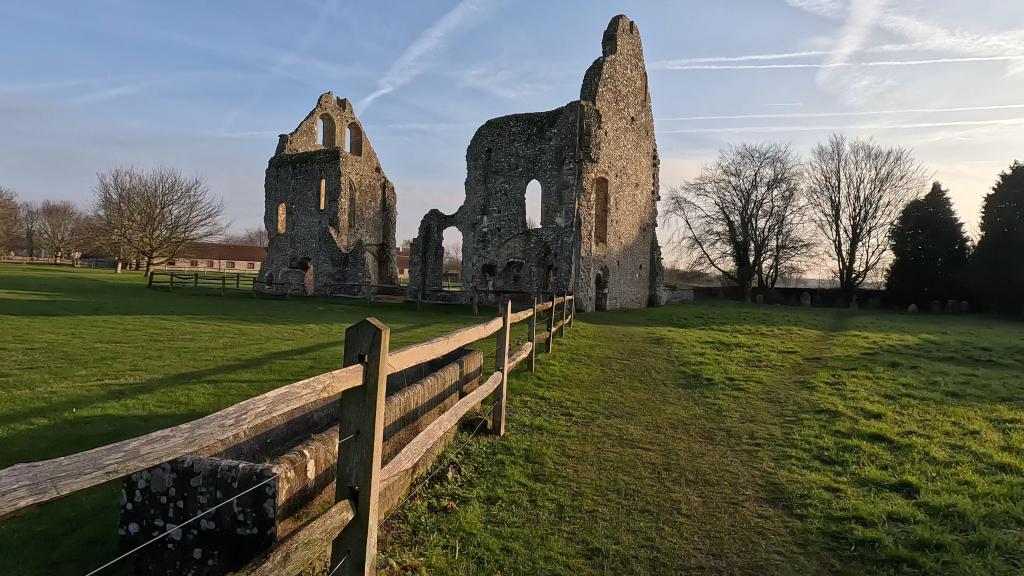
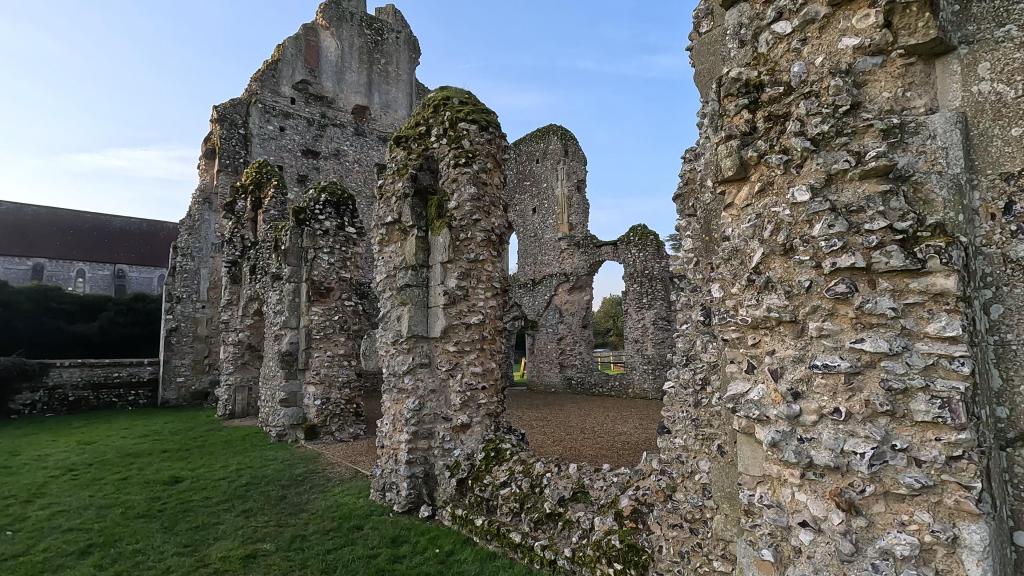
The church at Boxgrove functioned as both a parish church—where local people worshipped—and a monastic church. Monks and parishioners were strictly segregated, with the parish using the nave at the west end and the monks using the eastern parts. This dual nature influenced its architectural development, resulting in a structure that catered to both the secluded life of the monks in the eastern sections and the public worship in the nave. This division is still somewhat discernible in the remains, offering a glimpse into the daily rhythms of medieval life.
The dedication to St. Blaise, a 4th-century bishop and martyr, adds another layer to the priory’s story. The annual feast of St. Blaise, granted to Boxgrove in 1235, became a significant event, drawing pilgrims and traders while boosting the priory’s prestige and economic standing. This annual celebration would have been a vibrant spectacle, indicating the priory’s importance within the wider community.
Boxgrove’s prosperity, however, was not to last. The Dissolution of the Monasteries, orchestrated by King Henry VIII in the 16th century, brought an abrupt end to its monastic existence. In 1537, the priory was dissolved, and its lands and wealth were seized by the Crown. The monastic buildings, once bustling with activity, were systematically dismantled, leaving much of the complex to fall into disrepair. The stones of the priory were repurposed for other building projects, scattering its legacy across the landscape.
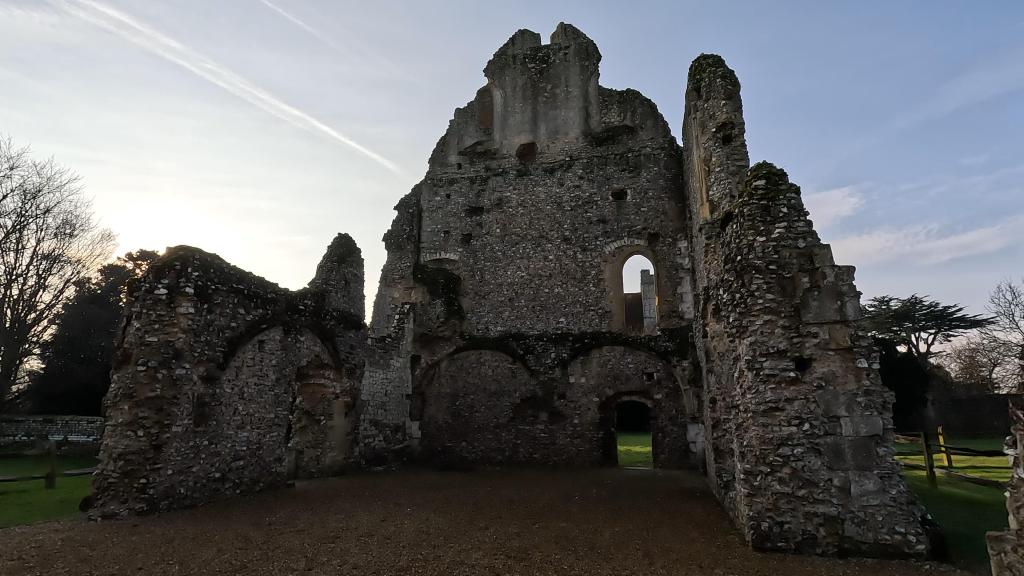
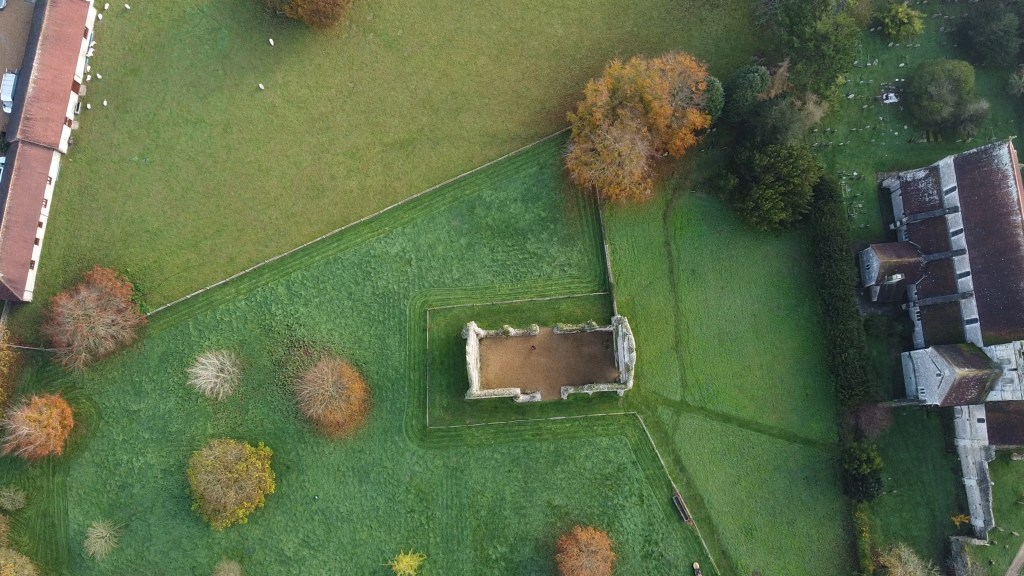
There is some evidence that Boxgrove was hard hit by the Black Death. The plague arrived in England in the summer of 1348 and was soon raging across the kingdom. Two priors of Boxgrove died in quick succession in the winter and spring of 1348, more than likely from the plague. Today, the ruins of Boxgrove Priory, though incomplete, still evoke a sense of the grandeur that once characterized this place.
The location of Boxgrove is world-famous as an archaeological site; it belongs to the period known as the Palaeolithic, or Old Stone Age. Excavations took place just north of the priory in the 1980s and 90s by Mark Roberts. From these excavations, exciting discoveries found the oldest human remains to exist in England, often referred to as Boxgrove Man.
The type of human found at Boxgrove is known by its scientific name, Homo heidelbergensis. It is thought that this species spread from Africa around 600,000 years ago. In Europe, Boxgrove people are the ancestors of the Neanderthals, who became extinct around 30,000 years ago.
The original group of Boxgrove people stayed in Africa and evolved into us, Homo sapiens or modern people. The remains discovered included two pieces of the tibia and two teeth with gnaw marks on them, as well as a number of flint tools that are now housed at the Natural History Museum in London. It is incredible that these exist, as they are thought to be the oldest human fossils discovered in the country—not bad for a sleepy village in the south of the UK.
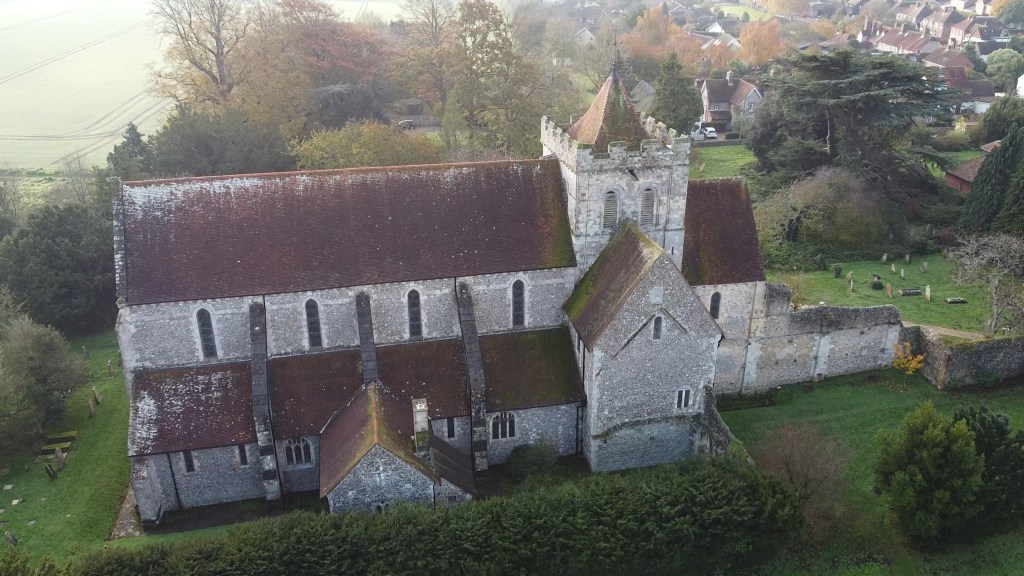
Standing adjacent to the evocative ruins of the Guesthouse is the Church of St. Blaise, which offers a compelling narrative of survival, adaptation, and enduring faith. Originally part of the larger monastic complex, the Church of St. Mary (later dedicated to St. Blaise) served its dual purpose for the monastery and the parishioners.
The church’s earliest origins date back to the Norman period, and traces of this influence can still be seen in parts of the building. However, over the centuries, St. Blaise underwent numerous alterations and additions, reflecting evolving architectural styles. Gothic influences, particularly from the 13th and 14th centuries, are evident in the church’s structure, showcasing the craftsmanship and artistic sensibilities of the medieval period.
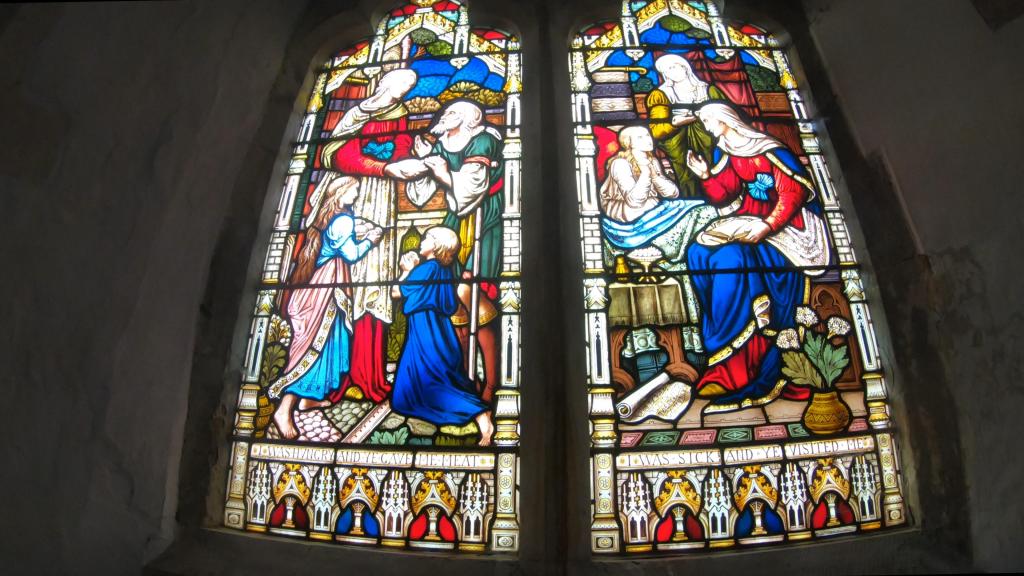
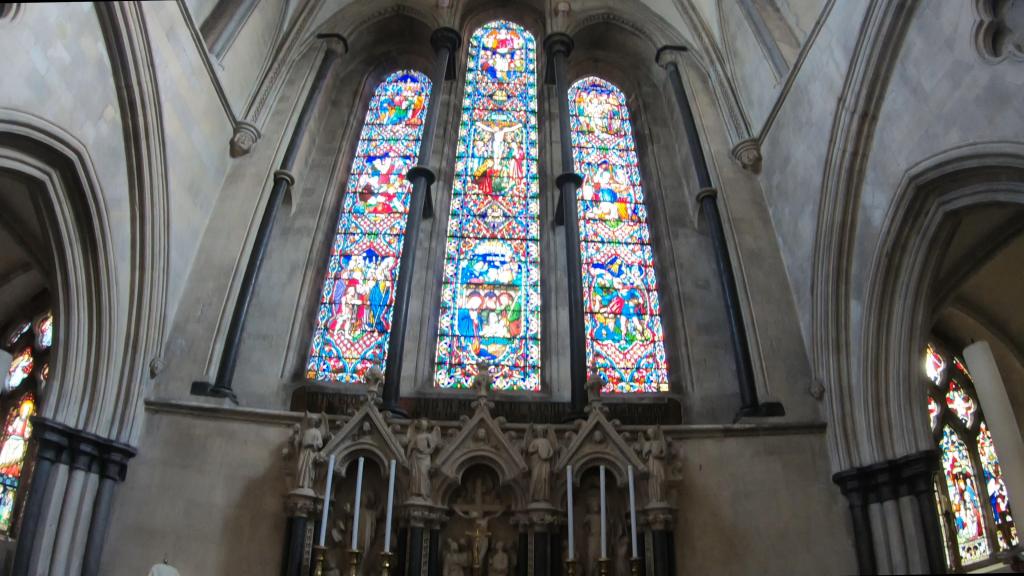
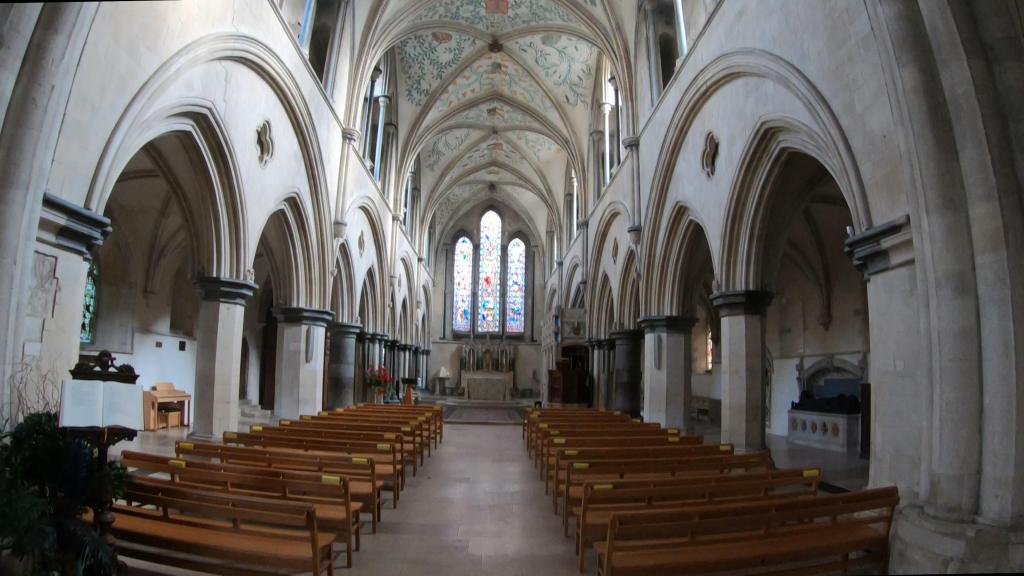
Beyond its architectural and artistic treasures, St. Blaise has served as a spiritual center for the community of Boxgrove for centuries. The restful churchyard, with its weathered tombstones, offers an important reminder of the generations who have lived and worshipped in this place. On the southern wall of the church sits an incredible stained glass window.
Interestingly, this stained glass window is a modern rendition, dedicated in 2008, showing a Hawker Hurricane along with the stars and stripes. It is very beautiful, as are the other stained glass panels inside the church. From here, we ventured into the graveyard to a quiet corner where the grave of Pilot Officer Billy Fiske lies.
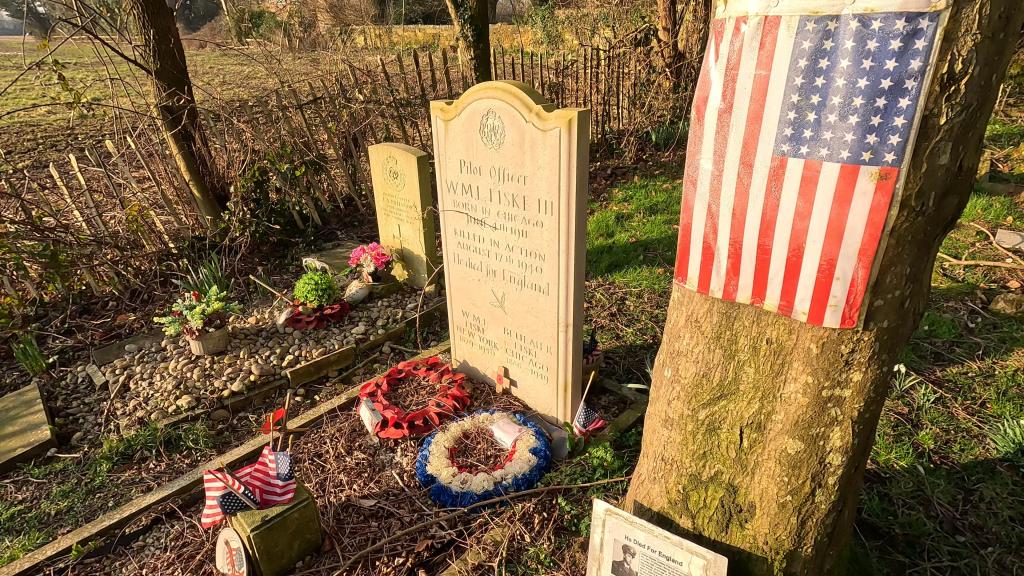
William ‘Billy’ Fiske, born in Chicago in 1911, was an American pilot officer who flew with the 601 squadron in the Battle of Britain. On July 12, 1940, Billy joined No. 601 Squadron, a Hawker Hurricane unit at RAF Tangmere. A month later, on August 16, 1940, they were scrambled to intercept a squadron of German dive-bombers.
After just 15 minutes of flying, a German gunner put a bullet through Fiske’s fuel tank. Despite being badly injured, he managed to get his aircraft back to Tangmere. He was rushed to the Royal West Sussex Hospital in Chichester but died two days later of surgical shock. He was the first American serviceman to die in World War II. His grave and story are truly beautiful and worth visiting if you are in the area.
If you liked the blog please hit that like button, watch the full video below and consider subscribing if you haven’t already.
Till Next Time!
 Pinned on Places
Leave a comment