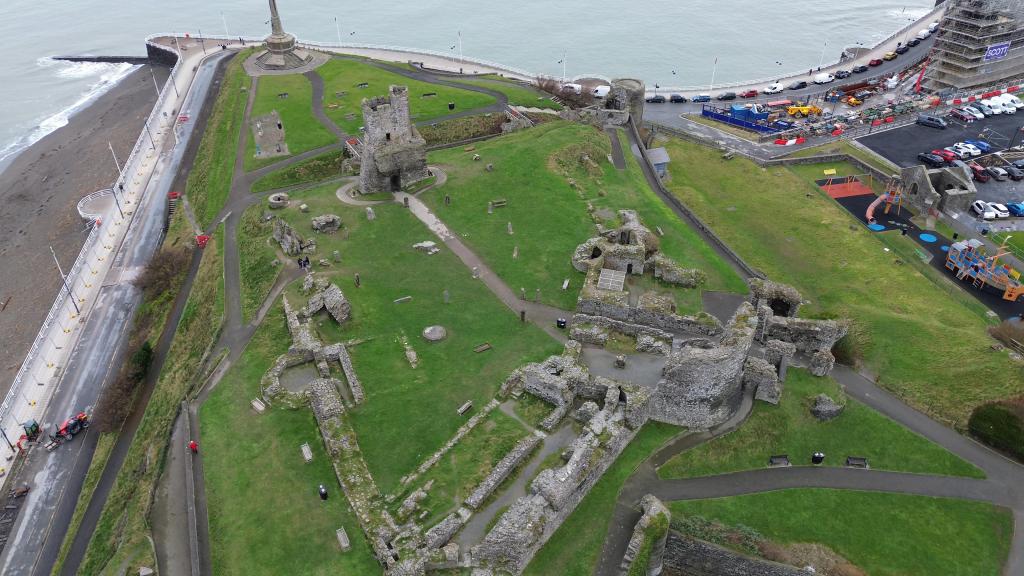
In this post, we explore the crumbling remains of one of the numerous castles built by King Edward I in his attempt to dominate Wales. This fortress by the sea, though now declined, still shares its story and gives off the impressive atmosphere this once-mighty castle had.
An earlier fortification was built by the powerful Norman lord Gilbert de Clare in around 1110 a short distance away. The first castle would have been made from wood as a motte-and-bailey structure. This earlier fortification stood not on the current site, but around a mile to the south. This initial Norman presence was a symbol of their expansionist ambitions, marking the beginning of a long and complex relationship between the Welsh and the English.
The lands of Cardiganshire were given to Rhys ap Gruffydd in 1171 by King Henry II, and this included the castle at Aberystwyth. When Rhys died, his succession was disputed by his sons, and Maelgwyn, one of the sons, rose up in revolt against his brother and captured the castle. In 1207/8, Maelgwyn destroyed the castle because he feared it would fall into the hands of Llywelyn the Great, who was attacking and taking over the Welsh lands.
Llywelyn did take the lands belonging to Maelgwyn and rebuilt the castle at Aberystwyth. The castle was then given to the grandsons of Rhys ap Gruffydd, Rhys and Owen. Shortly after this, King John of England took possession of the castle. In 1215, Llywelyn the Great captured many Welsh castles, including Abergavenny, Cilgerran, and Aberystwyth. In 1276, King Edward I declared war on the Prince of Wales.

The English king advanced into North Wales, building a series of castles on the coast. At one time, this castle would have been on par with Edward I’s other fortresses, namely the mighty Beaumaris, Caernarfon, Conwy, and Harlech castles.
While those other sites are now UNESCO World Heritage sites, poor old Aberystwyth did not fare so well. This string of castles was designed and built by James of St. George, who was Edward’s master castle builder. James rebuilt the castle at Aberystwyth at a new location. Edward’s new stone castle, built on the current, more defensible site, was intended to be a symbol of English power and a deterrent to any Welsh rebellion. Construction began in 1277, with the workforce initially including 120 masons and 120 carpenters from the West Country.
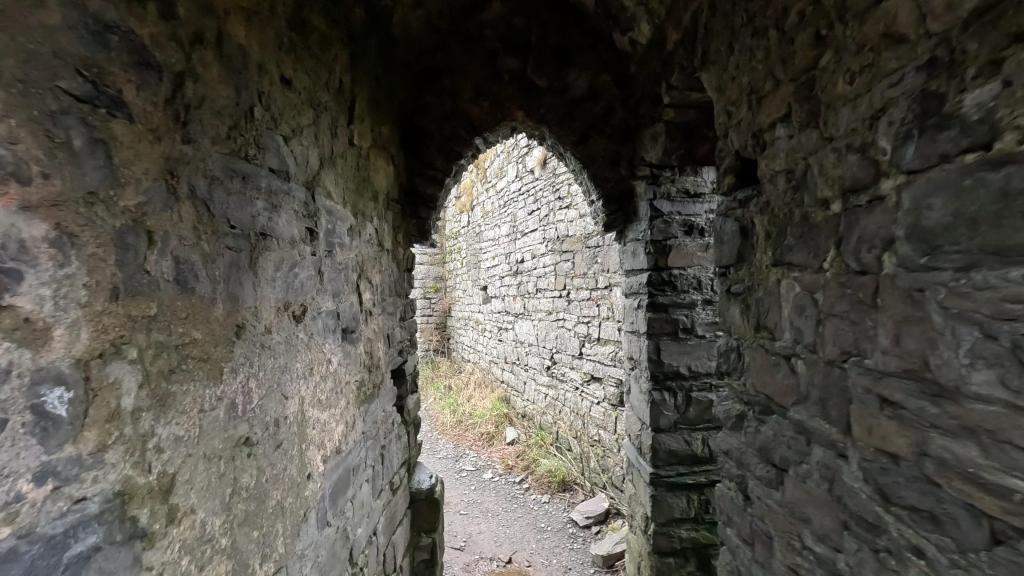
By October 1279, more than 1,100 men were employed on the site. Yet, considerable problems were encountered during the building of the castle, in part because it was located too close to the sea. The castle was completed relatively quickly, a testament to the resources and manpower that Edward commanded. The design incorporated the latest military architecture of the time, including formidable walls, strong towers, and a strategically placed gatehouse. Being located near the coast meant the castle could be resupplied by ship, a safer means of getting food and men to the fortress than traveling across the rugged Welsh countryside.
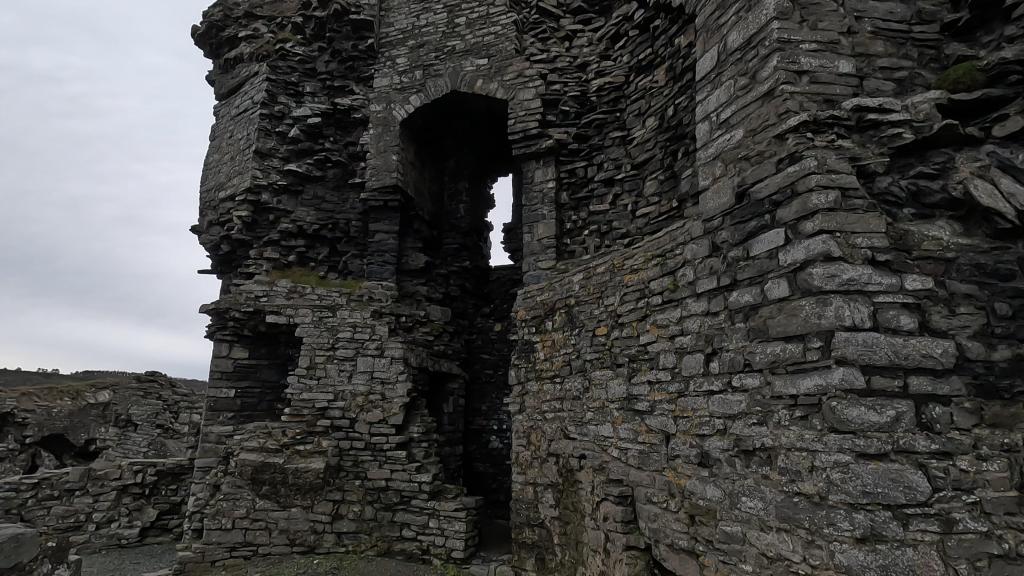
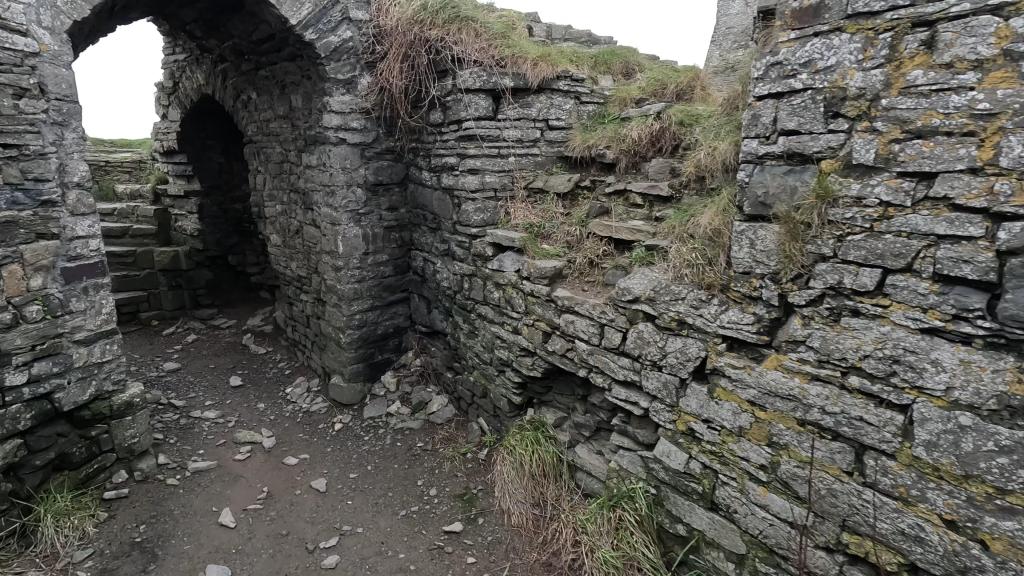
However, it appeared to only have been maintained for a short while; once its usefulness was over, it fell into decline and was then slighted after the Civil War. The proximity to the sea did not help matters, and much damage to the remaining stonework has been done by storms over the years. The locals also reused much of the stone for building houses around the area, so it is a miracle anything is left at all today.
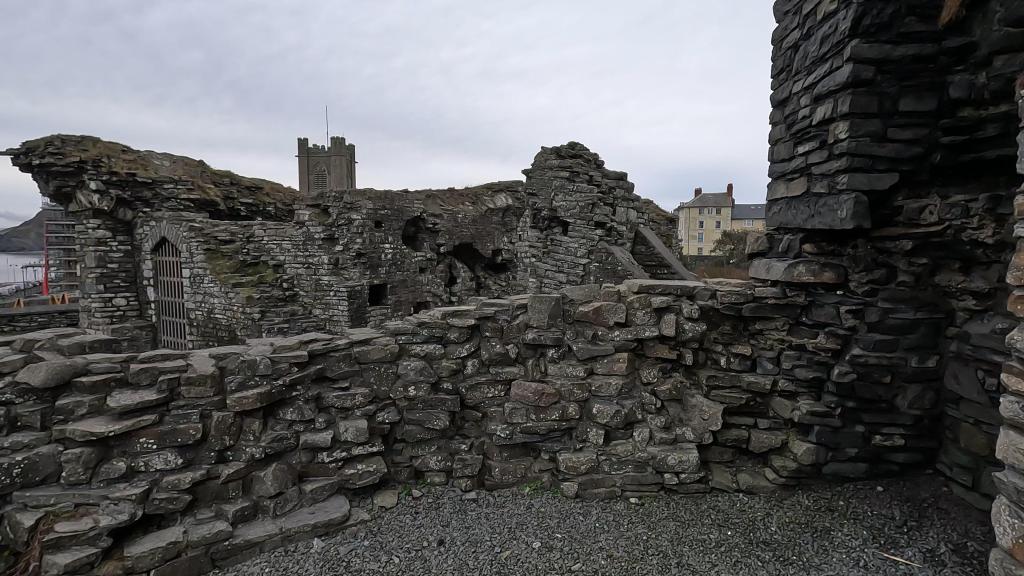
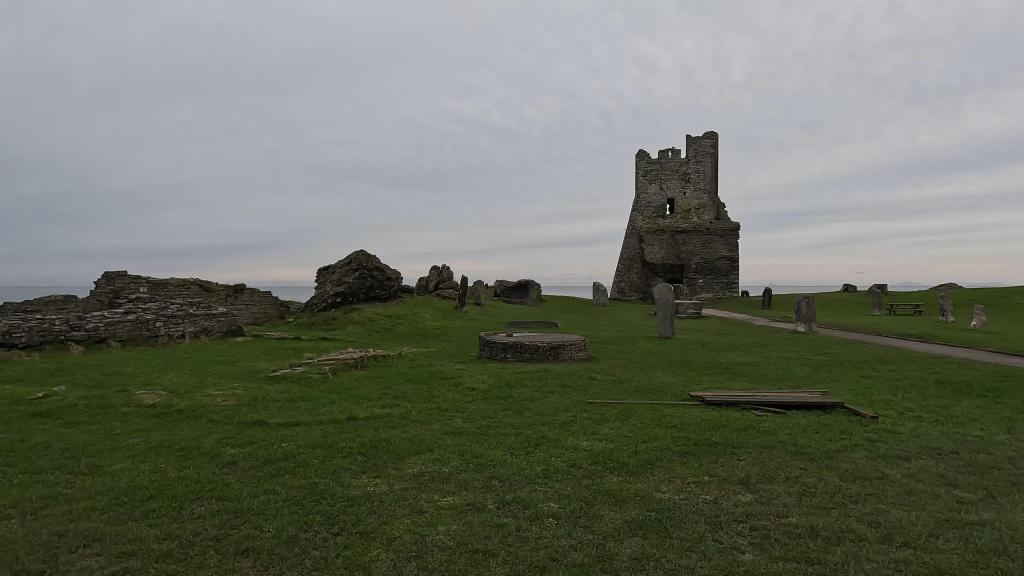
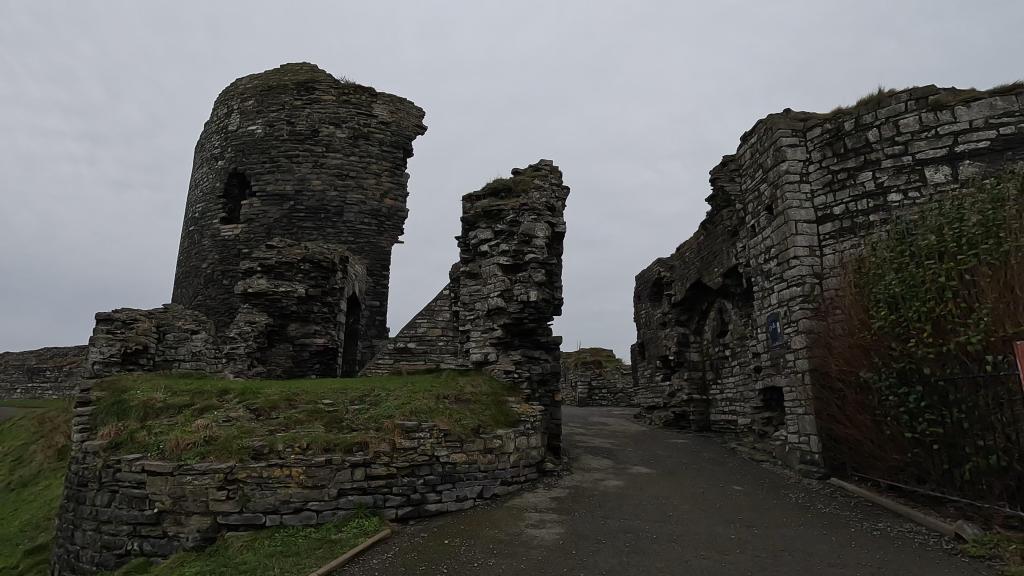
The castle today is almost totally ruined. There are the remains of towers and the gatehouse, which is probably the most photographed and therefore the most recognizable part of the site. However, it is hard to reconcile this hodgepodge of masonry ruins with a once-mighty castle, concentric in design. Not too long after its reconstruction and strengthening, the castle and town of Aberystwyth were captured and burnt by the Welsh at the beginning of the war of 1282–3. Large sums of money were subsequently spent on repairing the castle after the end of the conflict, with building works taking twelve years to complete.
As peace returned to the region over the centuries, the need for a strong fortification diminished. The castle fell into disrepair, its stones weathered by time and the elements. Despite its decline, the castle never entirely disappeared from the public imagination. Its romantic ruins, overlooking the sea, inspired artists and writers, and it remained a powerful symbol of Welsh history and heritage.
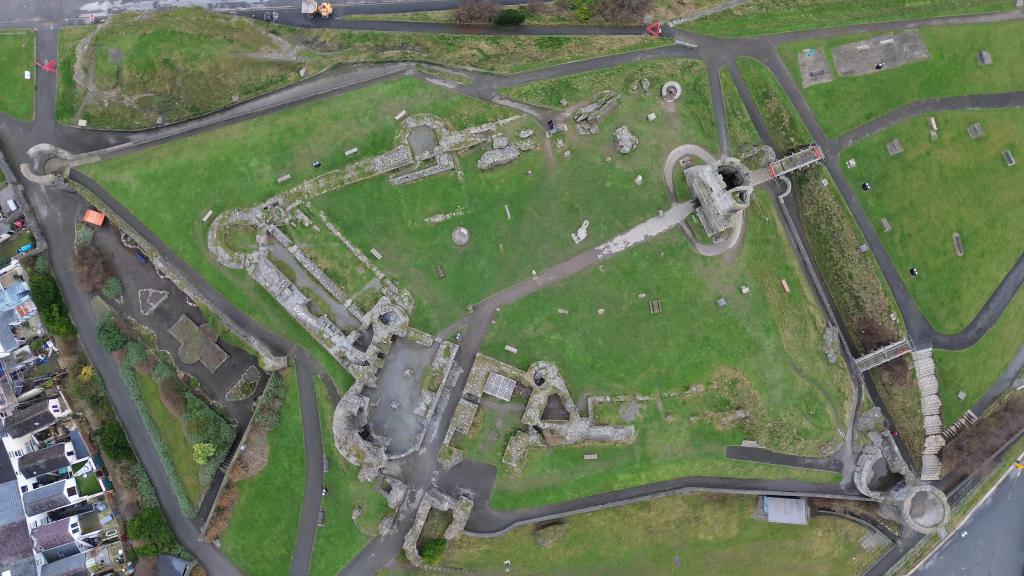
Although a visit to Aberystwyth won’t take long, it is free to enter with many passages to walk around. It boasts beautiful views out to the Irish Sea and, on a clear day, you are able to make out the southernmost Snowdonia mountains.
If you liked the blog please hit that like button, watch the full video below and consider subscribing if you haven’t already.
Till Next Time!
 Pinned on Places
Leave a comment