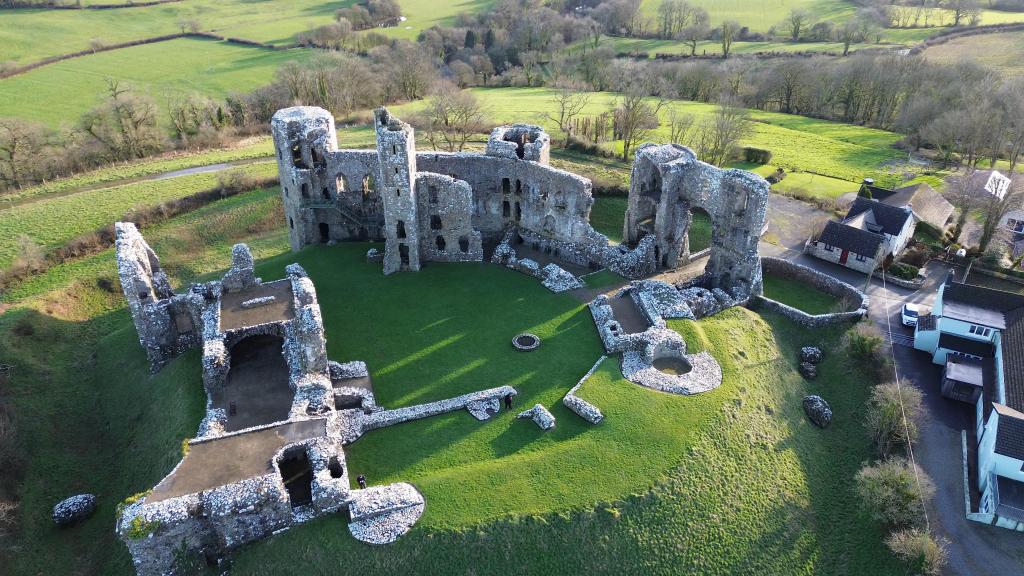
In Pembrokeshire, the impressive Llawhaden Castle was, in its heyday, a luxurious fortified mansion for the Bishops of St David. This isn’t like the other iconic landmarks in Wales; this is a bishops’ castle, hosting an unconventional mix of both military and decorative features. It wasn’t built for the nobility or for royalty, but was instead home to bishops. The site is a breathtaking piece of Welsh history which is well worth a short detour.
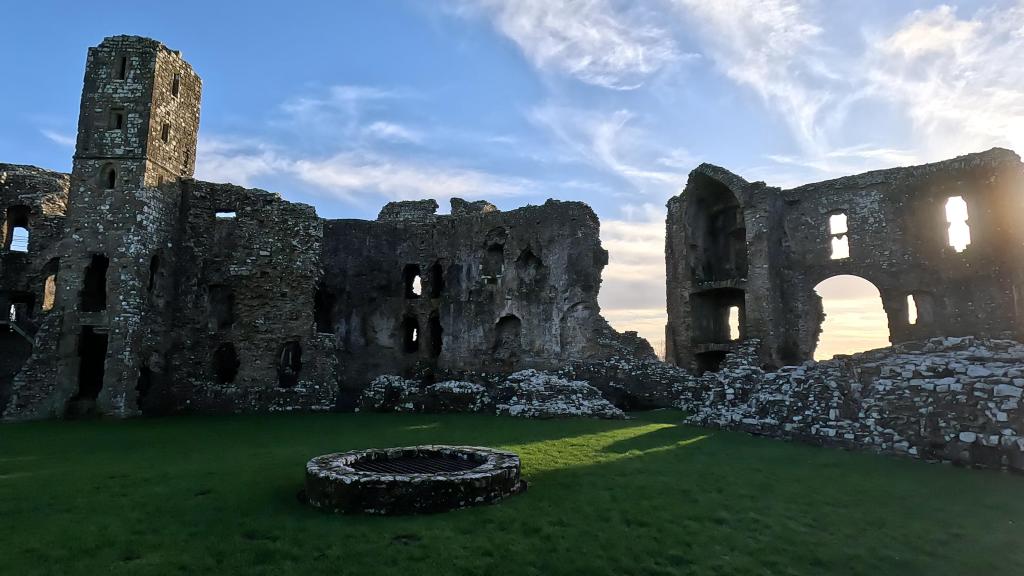
The castle’s origins are thought to be on an Iron Age structure, with signs of Roman occupation being identified during the Middle Ages. The Diocese of St David’s was the richest and largest in Wales; its bishops were not only prominent in the church but also had great power in the affairs of state. As a symbol of their power, dominance, and status, the bishops built a castle on a grand scale at this site.
Back in its day, it would have been very luxurious to say the least. The castle was not only a defensive building but also a centre for the management of church properties in the region. It attracted many important, prominent guests and was visited by people of all different classes traveling the popular pilgrimage route, the Bishops Road, which led from the castle here at Llawhaden to the Bishop’s Palace at St David’s.
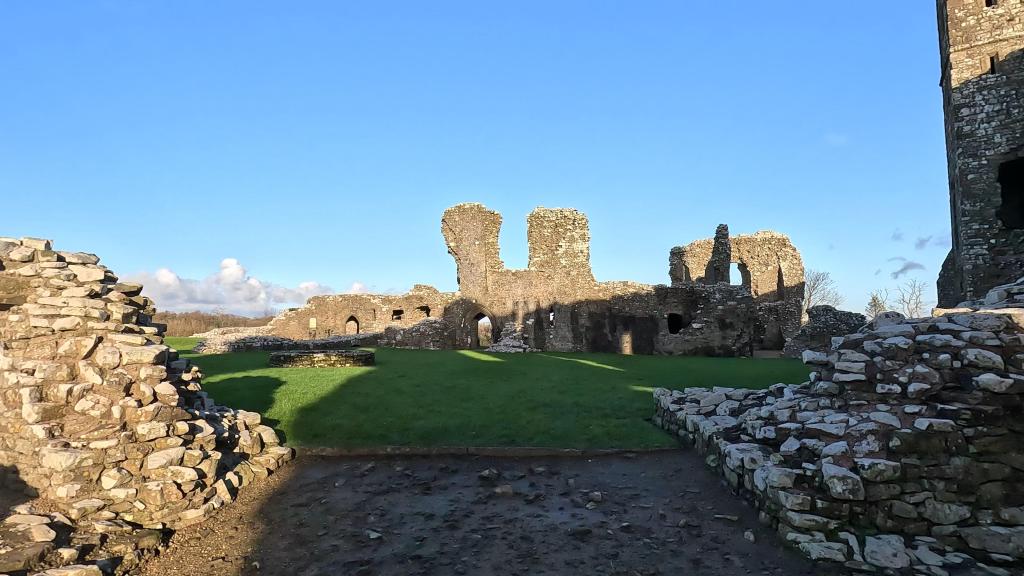
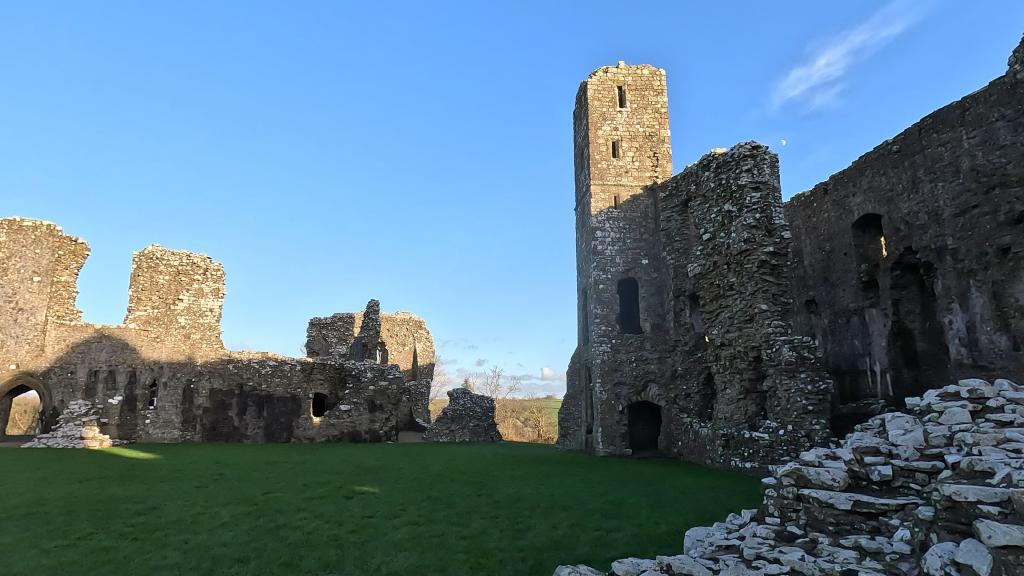
The first Norman Bishop, Bernard, built a castle here in 1115. This first version was a motte-and-bailey structure. Only a moat and an earth bank from this period survive; its original wooden structure was razed to the ground in 1193 by the Welsh under Lord Rhys of Deheubarth, which caused a short-term abandonment of the stronghold.
When the castle was re-occupied by Anglo–Normans at the beginning of the 13th century, it was extended, specifically by replacing timber fortifications with an imposing stone defensive wall. This was necessary as the area was still volatile and not yet fully under Norman control; therefore, it always fulfilled the role of a castle rather than just a palace.
At the end of the 13th century, Bishop Thomas Bek founded a borough in Llawhaden, hoping to increase the economic strength of the settlement and nearby territories. He added the hall block, undercroft, and ornate bishop’s chambers. He also expanded the village, turning it into a substantial market town. In 1281, he obtained permission from the king for an annual weekly market and two, three-day fairs, and six years later he founded a hospital for the poor. Ultimately, land rents, trade taxes, tolls, and income from mills and fisheries made Llawhaden one of the richest estates of the Bishops of St Davids.
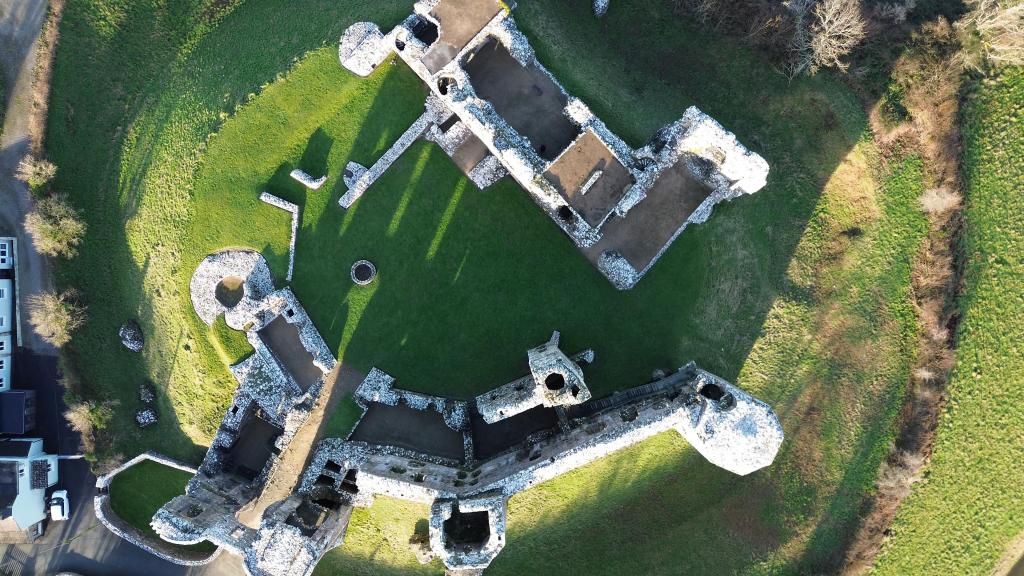
The castle as it stands today is mainly the work of Bishop Adam de Houghton, who in the 1380s ordered major re-structuring. Until 1383, the defensive walls were raised, polygonal towers and residential buildings were added, and at the end of the 14th century, a new gatehouse was built. This work was supervised by construction master John Fawle (Fawley), who was appointed by the bishop as constable of Llawhaden. The bishops themselves often stayed in the castle, confirmed by the large number of documents they issued there.
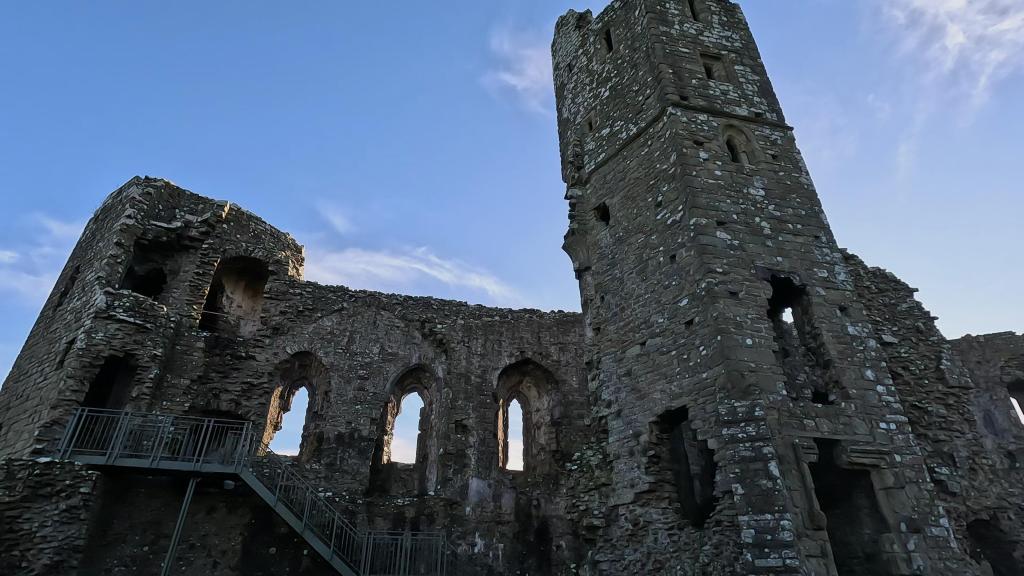
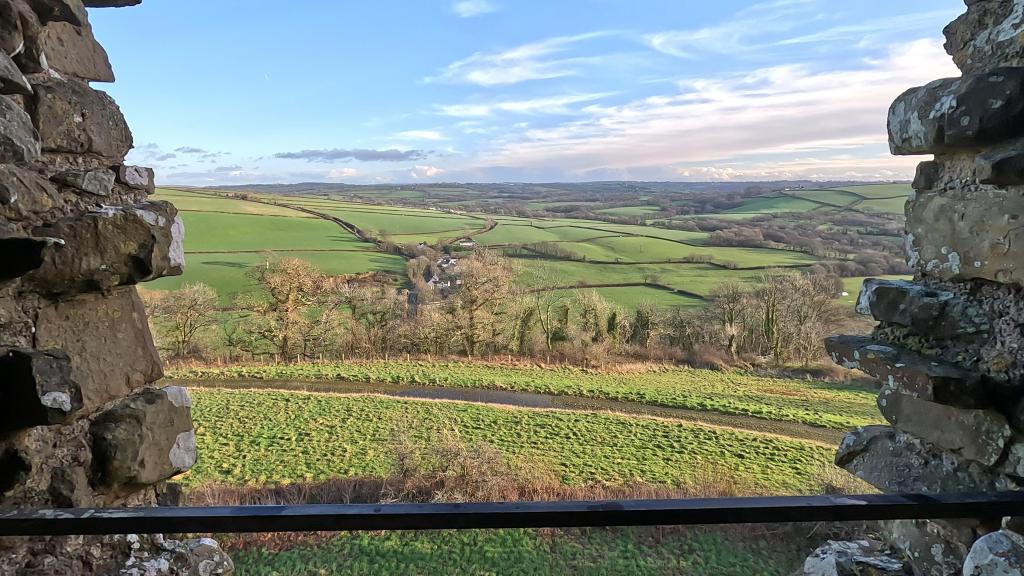
The imposing gatehouse remains one of the most recognisable and iconic parts of the castle to this day. At the beginning of the 15th century, the castle was staffed for the last time with a garrison during the Welsh rebellion of Owain Glyndŵr, though it had little military significance at the time. Between 1485 and 1496, it was the favorite seat of Bishop Hugh Pavy, and also served as a bishop’s prison and place for conducting trials.
By the chapel tower, you can find the entrance to the prison and the basement of the eastern tower. Entrance into the prison cell is only possible through a hatch in the ground, known as an oubliette—a French term meaning “to forget,” because a prisoner would be thrown down and simply forgotten.
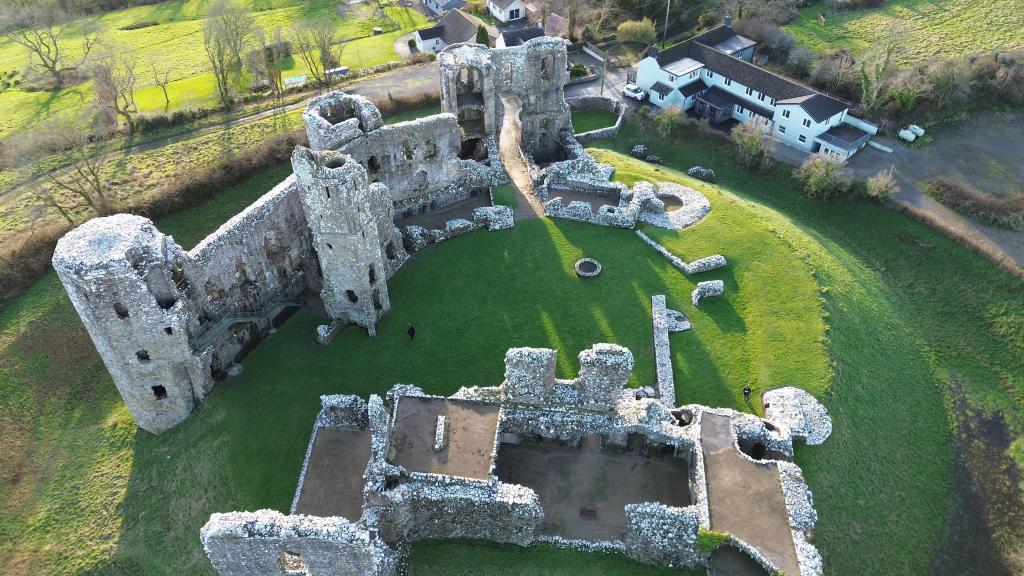
The castle might not be as famous as others in Pembrokeshire, but it offers a unique and rewarding experience. It provides a fantastic glimpse into medieval Welsh history and a chance for a more intimate, less crowded visit, giving you the opportunity to explore every nook and cranny the castle exudes.
If you liked the blog please hit that like button, watch the full video below and consider subscribing if you haven’t already.
Till Next Time!
 Pinned on Places
Leave a comment