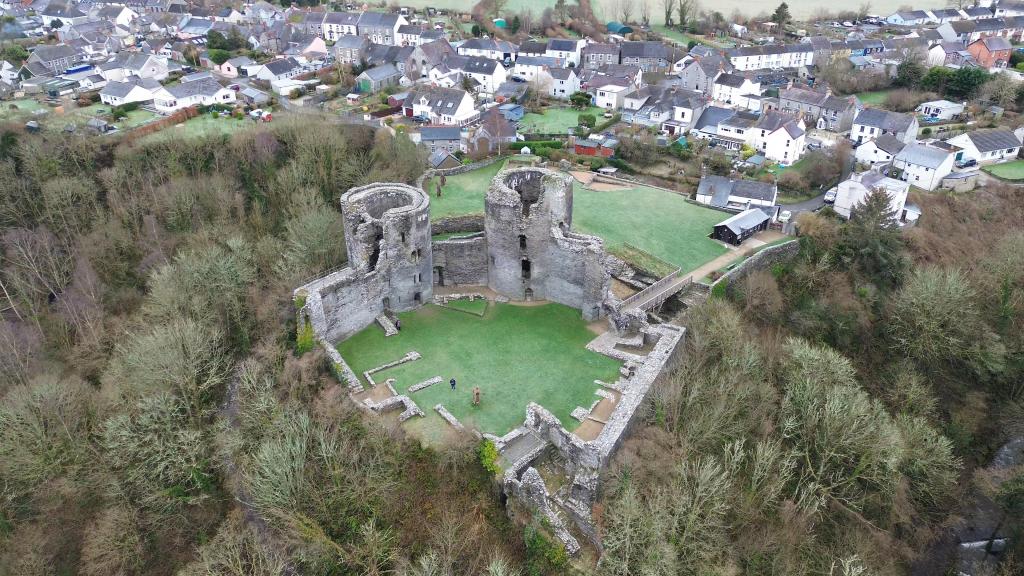
Arguably one of the more authentic and impressive sited castles in Wales is here at Cilgerran castle. In this visit, we take a short explore and discover it’s origins over 900 years ago. This isn’t just another crumbling fortress, Cilgerran is a stage upon which the drama of Welsh history played out, a symbol of both Norman ambition and Welsh defiance.
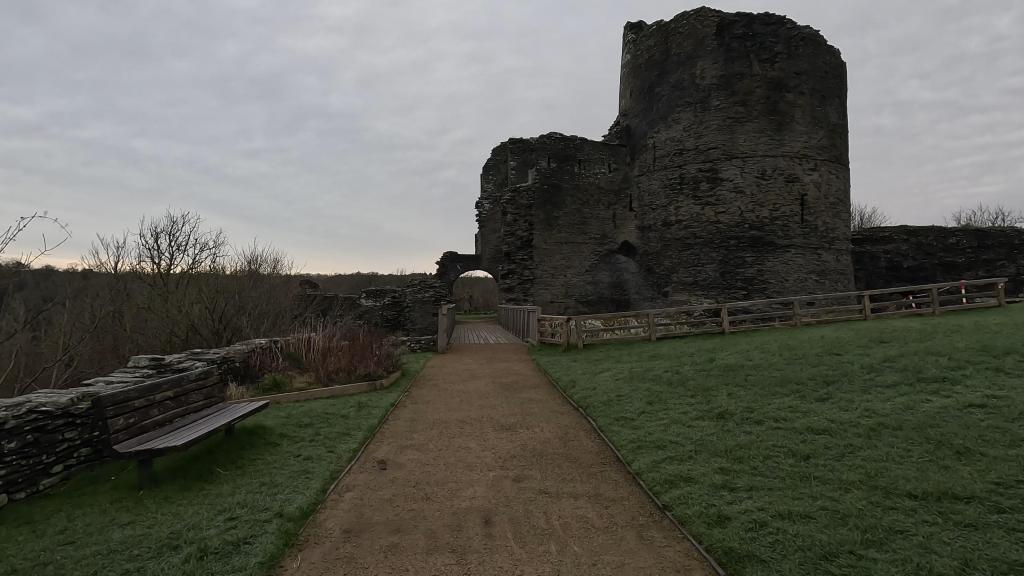
We cannot be sure when this strong site was first fortified but our story begins in the 11th century, a time of Norman expansion into Wales. William the Conqueror’s followers, hungry for land and power, carved out territories for themselves, building castles to assert their dominance. One such Norman lord was Gerald of Windsor. He recognized the strategic importance of this location, overlooking the Teifi gorge. A castle here would control the river crossing and secure a vital foothold in West Wales. Construction began, but this wasn’t just about stone and mortar. It was about power.
The native Welsh, fiercely independent, weren’t about to give up their land without a fight. Cilgerran is first mentioned by name in 1164, when the Lord Rhys captured the castle here. It was retaken by William Marshal, earl of Pembroke, in 1204, only to be taken again by the Welsh during Llywelyn the Great’s campaigns in 1215. However, eight years later, William’s son, another William, regained control, and it was probably he who built the imposing masonry castle we see today. Despite the best efforts of Llywelyn ap Gryffudd and Owain Glyndŵr, Cilgerran never again fell to the Welsh.
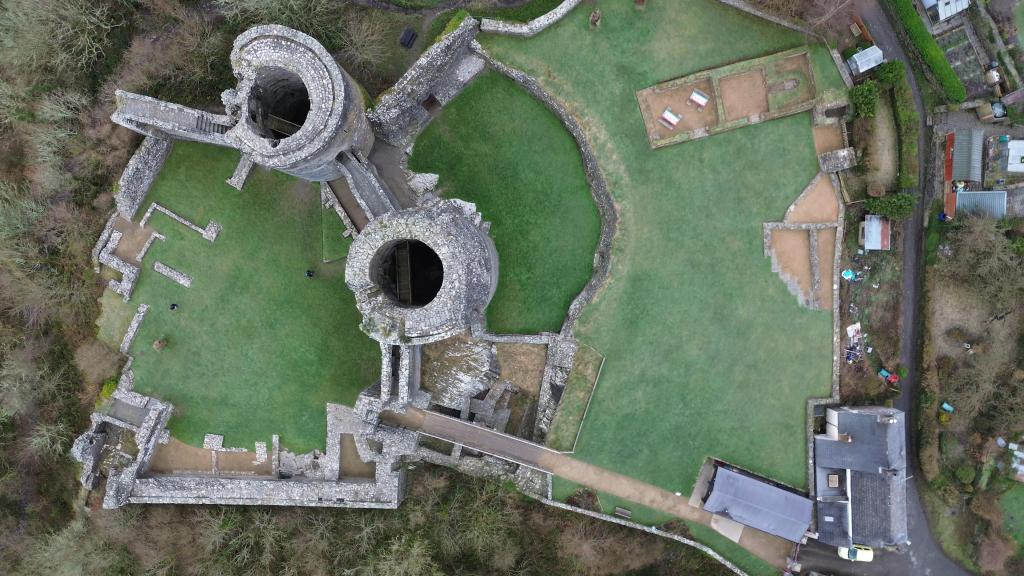
Over the years the cliff top position meant that parts of the castle gradually slipped away into the gorge, the north tower disappeared in this way. Part of the curtain wall on the eastern side of the castle has also disappeared, this was not due to gradual decline but the result of quarrying underneath the castle. It collapsed with a ‘tremendous crash’ in 1863.
Even then Cilgerran was known as a tourist hot spot, with visitors sailing up the river to reach the castle. Its two great round towers loom high above the deep gorge of the River Teifi and the fast-flowing stream of the river flows fast below. Surely, this was the perfect spot, you might have thought, from which the invading Anglo-Normans could defend their newly conquered lands. But peering over the castle walls you’ll understand just what a daunting obstacle it must have presented to the rulers of the ancient Kingdom of Deheubarth.
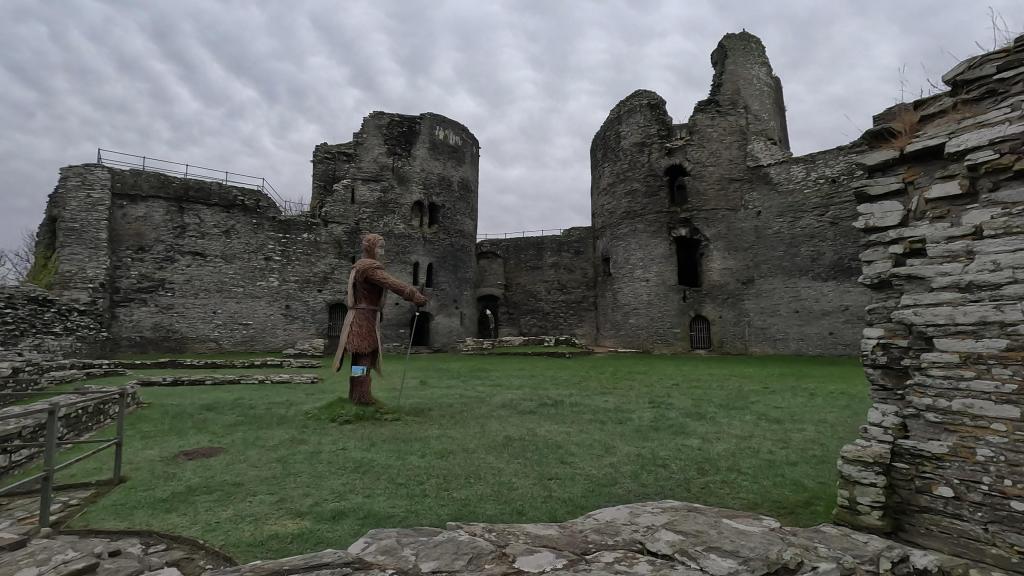
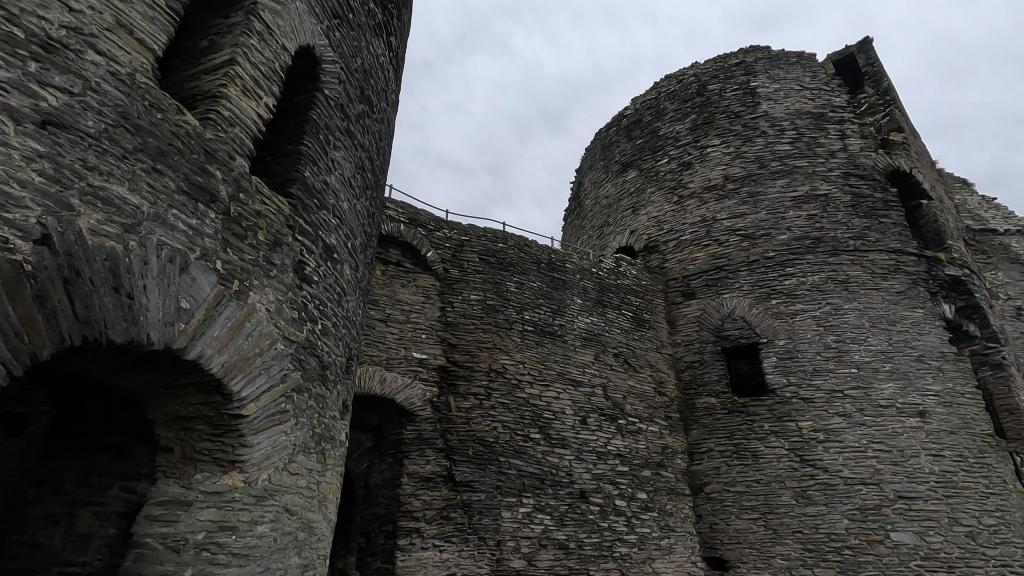
Cilgerran suffered heavy damage over centuries of conflict between the Normans and the Welsh princes. William Marshall II launched a major rebuilding programme, transforming Cilgerran into a masonry fortification within the earlier earthworks. He added two large four-storey drum towers to the curtain wall, and created a new outer gatehouse that has now unfortunately vanished. The castle would enjoy only a short period of use, and by the late 13th century had fallen into disrepair before being briefly refortified by Edward III in the 1370s to counter the threat of a French invasion. Cilgerran was badly damaged during the welsh up rising in 1405, and shortly after it passed into crown hands.
By the end of the 18th century it was a Romantic ruin painted by the likes of JMW Turner and Richard Wilson. But there was nothing romantic about its continued decline. Not too many artists were still around by 1909 when it was being used as a public toilet and hen-roost. In modern times, you can once again experience the grandeur of Cilgerran. set high above the River Teifi – and imagine what life might have been like for the Welsh princess 900 years ago.
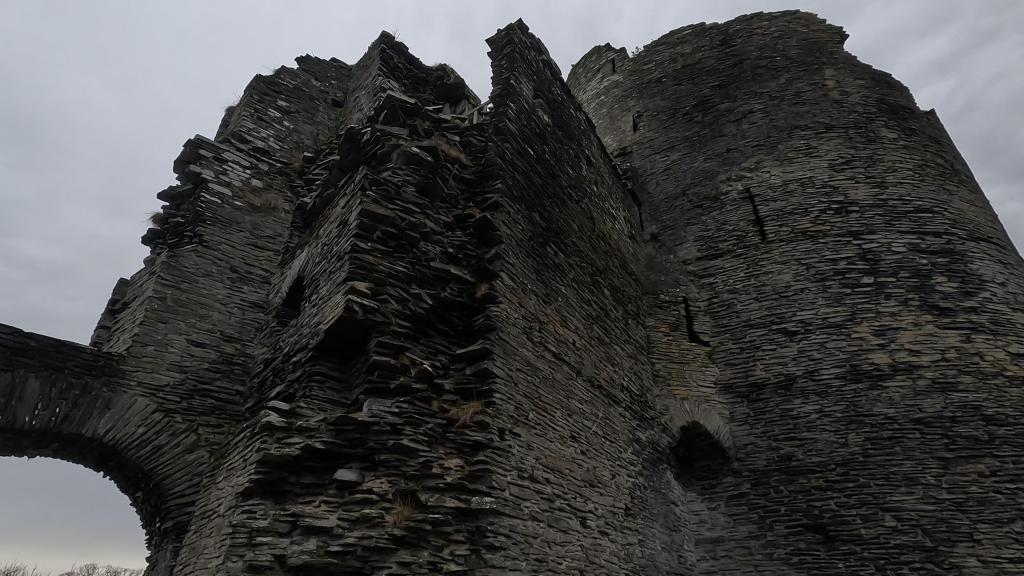
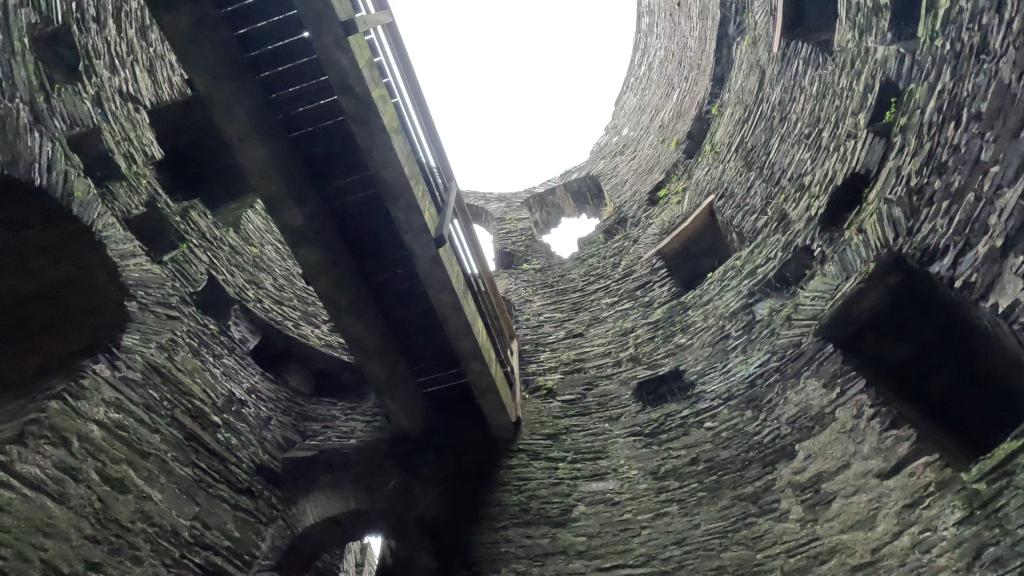
Today, Cilgerran Castle is tucked away in a hidden corner of a quiet Welsh village. Its position above the wooded gorge of the river Teifi makes for a particularly scenic and pleasant location. The surrounding ditches and the remains of the gatehouse give a good impression of the castle’s defensive arrangements.
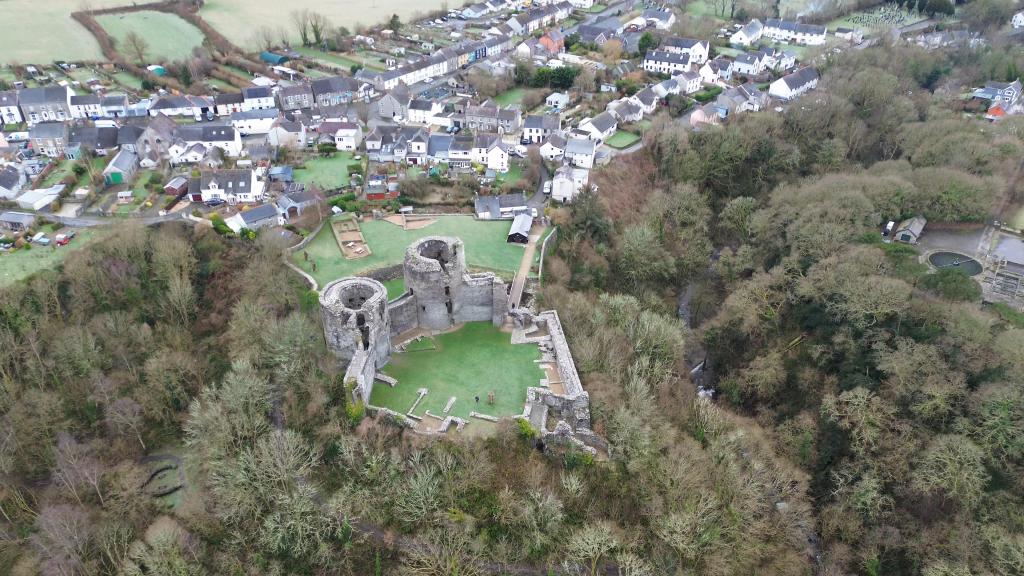
Despite it’s ruinous condition, the surviving walls and imposing round towers make it a visually striking and unusual site to visit. At the time of filming we were unable to visit the wall walk and battlements as the site was unmanned, but plan to come back to experience Cilgerran in it’s glory.
If you liked the blog please hit that like button, watch the full video below and consider subscribing if you haven’t already.
Till Next Time!
 Pinned on Places
Leave a comment