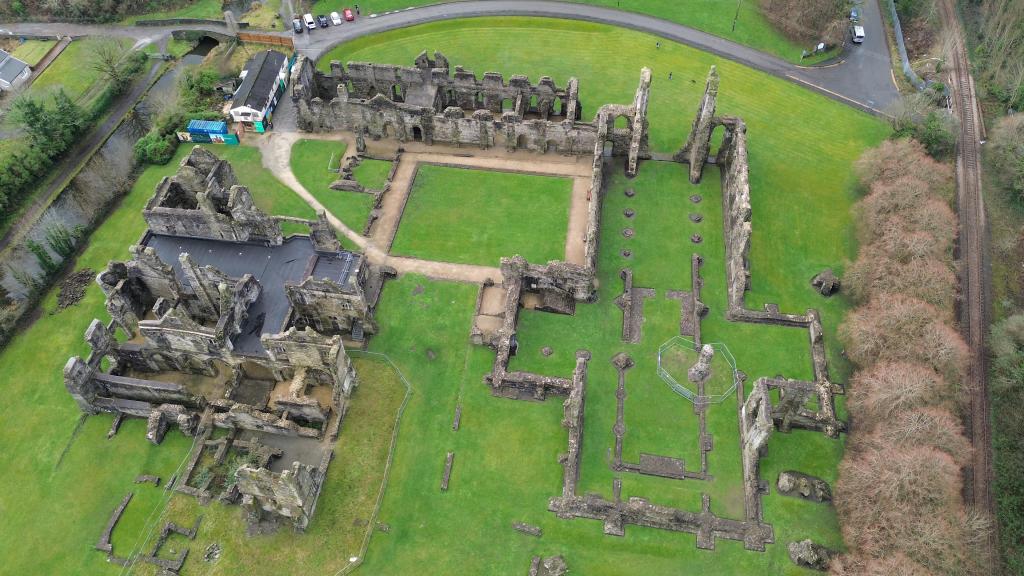
Neath Abbey, a site that has witnessed Cistercian monks, Tudor splendour and thriving industry over its 900-year history, really is one of Wales’ hidden gems — a rugged, yet romantic ruin, that is too often bypassed in favour of better preserved monastic sites.
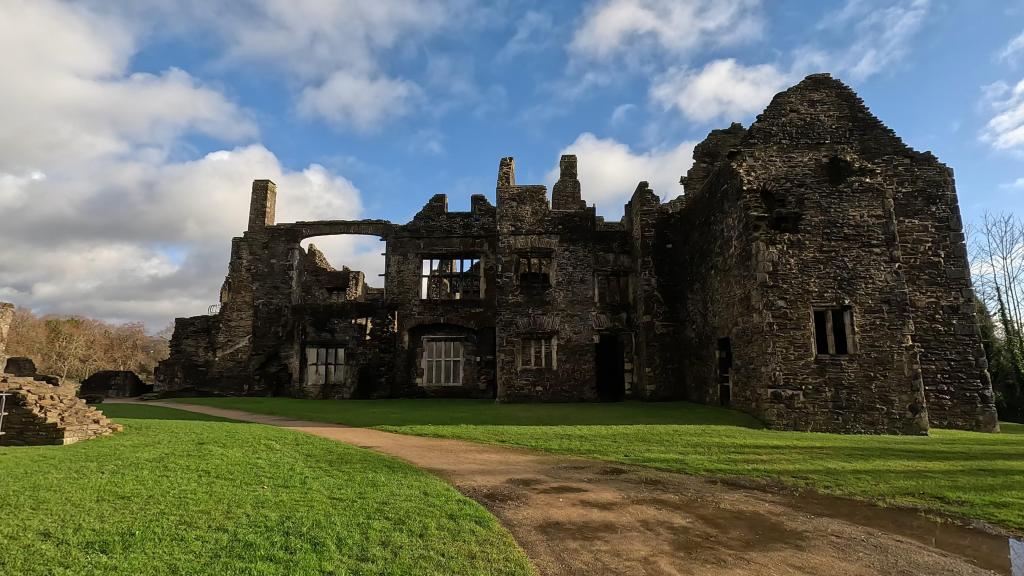
The Abbey was established in 1130 on an 8,000 acre site within the lands of Norman Knight, Sir Richard de Grenville, one of the twelve knights of Glamorgan, and was initially staffed by monks from Savigny Abbey in Normandy, before transitioning to the Cistercian order in 1147. This shift brought with it a renewed focus on austerity and a return to the ideals of Saint Benedict, emphasizing manual labor, prayer, and contemplation.
The place flourished for over 400 years, though its peaceful existence was interrupted several times by Welsh uprisings, during the 13th and 14th centuries, which necessitated various rebuilding works, including replacement of the initial, rather modest church with a much larger one, around the years of 1280 and 1330. Beyond its religious significance, Neath Abbey played a crucial role in the local economy. The monks, skilled in agriculture and animal husbandry, managed extensive estates, contributing to the region’s prosperity. The abbey also served as a center of learning and craftsmanship, attracting scholars and artisans from across the region.
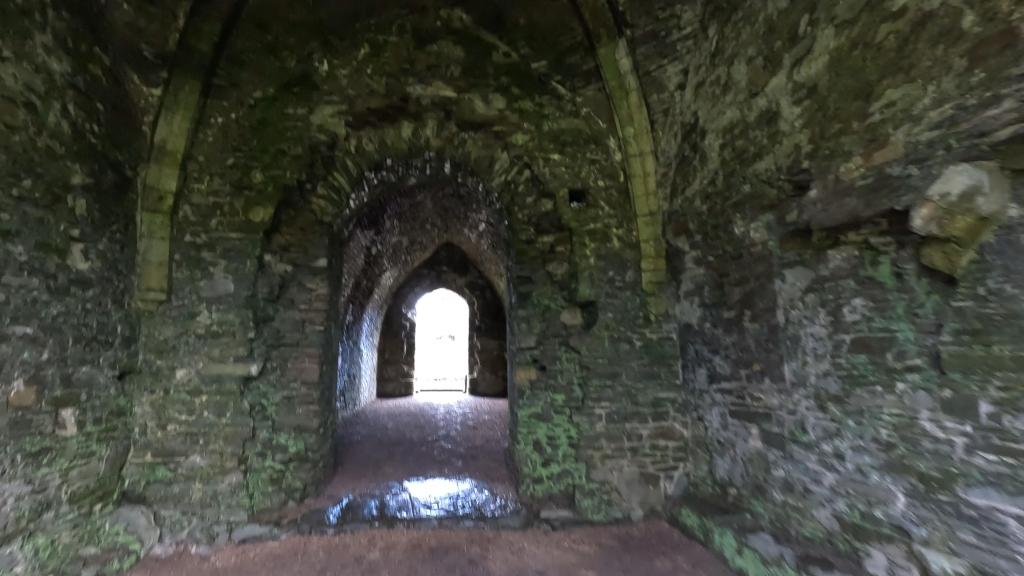
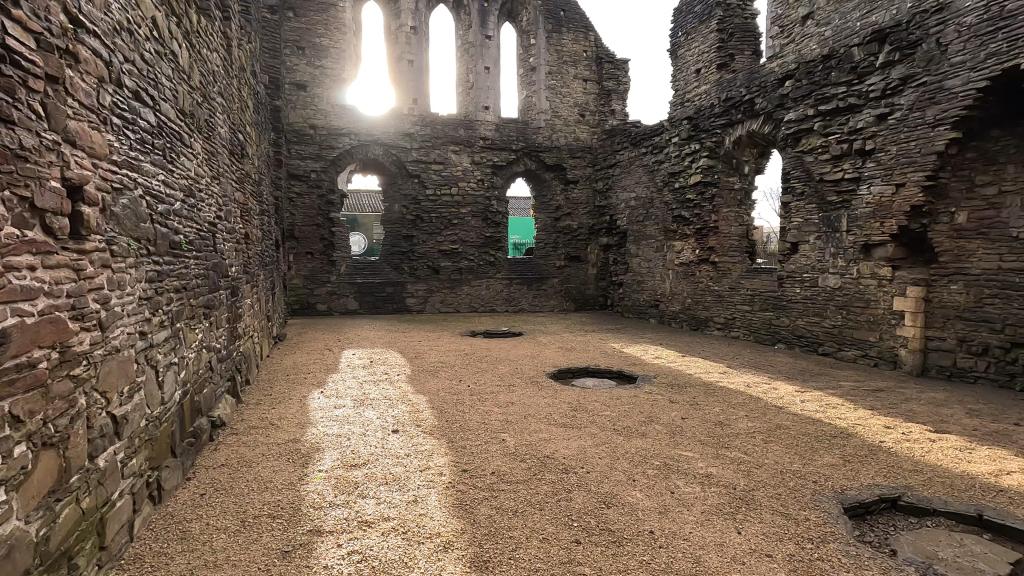
The abbey was dissolved in 1539, and in 1542 passed to Sir Richard Williams, who was to give the site a new lease on life. It was probably Williams or his son who converted the south-eastern part of the cloister ranges into a grand mansion. It was skillfully raised over the monk’s dormitory and latrine, and is easily recognized today by the large rectangular windows of dressed stone. A new programme of building may reflect the restored stability of the abbey by the end of the fifteenth century.
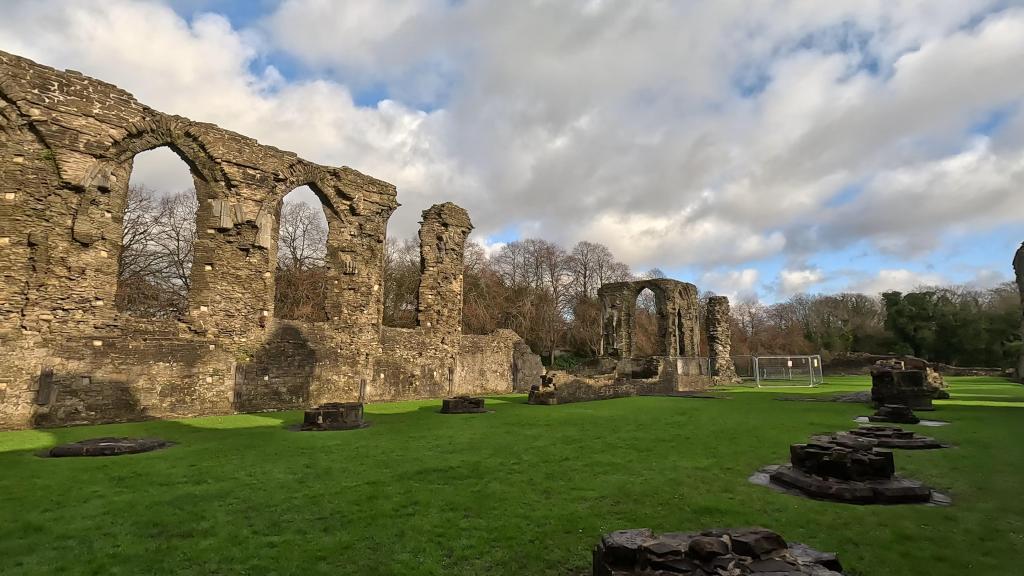
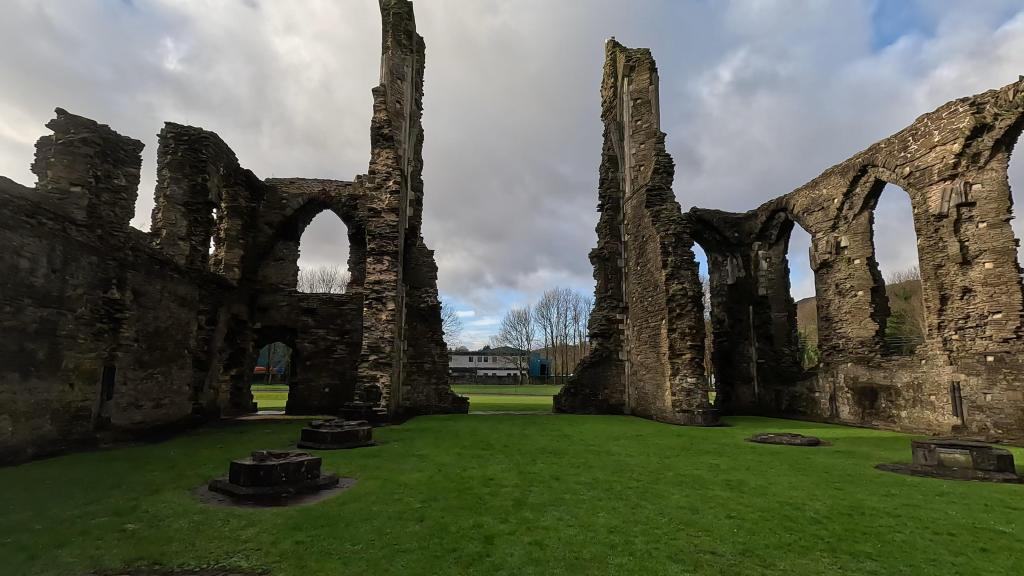

Abbot Thomas built a new block of lodgings for himself incorporating the southern ends of the monastic refectory, dormitory and reredorter. Although early Cistercian abbots slept in the monastic dormitory in accordance with the Rule of St Benedict, separate accommodation for abbots, who were often figures of considerable importance locally and beyond, became commonplace from the thirteenth century. The abbot’s appropriation of sections of Neath’s monastic accommodation may indicate that the buildings had already fallen into disuse as the number of monks dwindled. By 1600, the house and property had passed to Sir John Herbert, and was occupied throughout the 17th century.
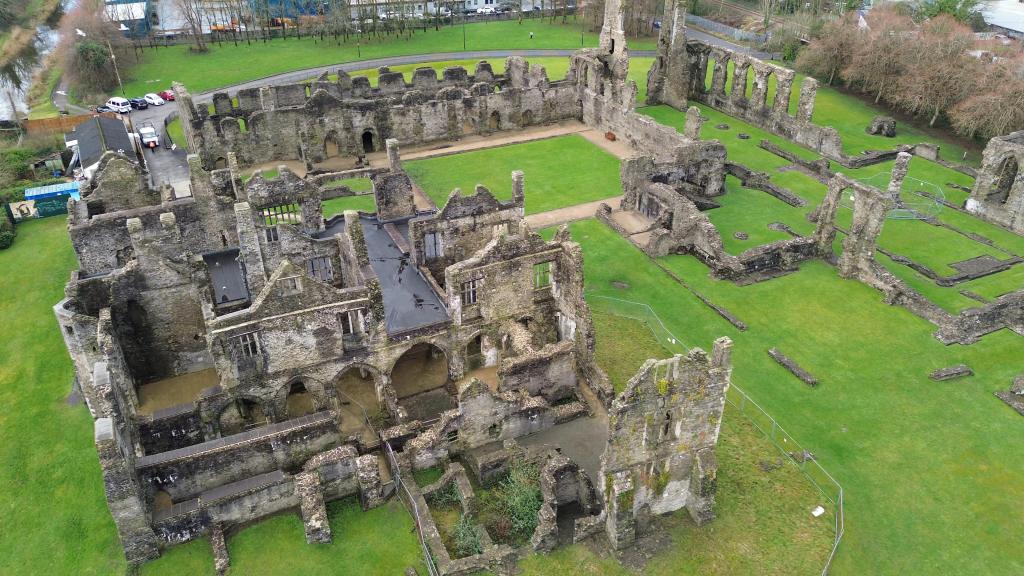
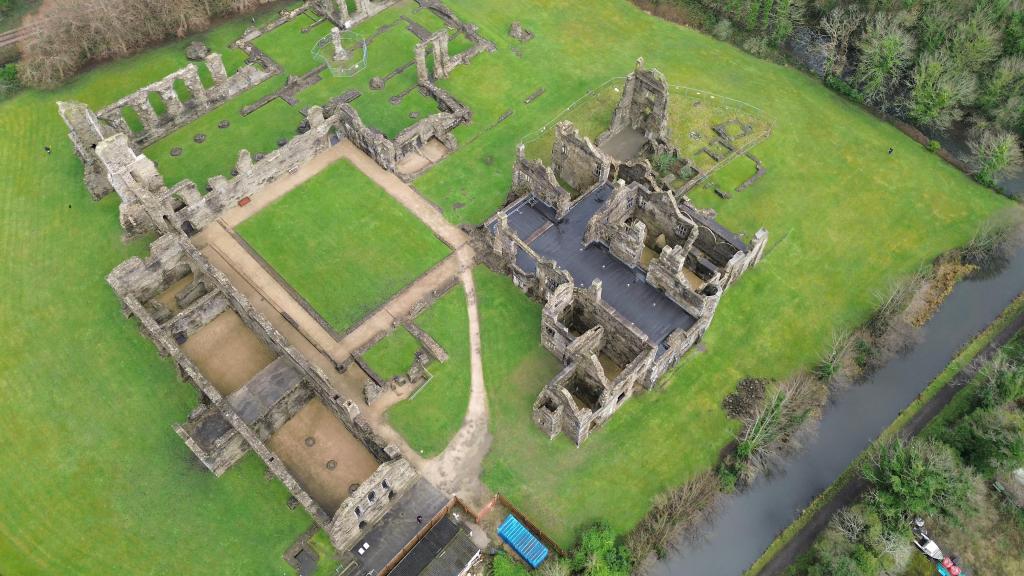
It didn’t escape the Industrial Revolution however and by the 1730s the abbey had become a copper smelting plant with furnaces, workshops and workers’ dwellings. The industrial debris was cleared away in the early 20th century and its ruins are still considered one of the most impressive monastic remains in South East Wales. In the early 20th Century, the site’s archaeological importance was recognised, and work was undertaken to clear the area and conduct excavations. In 1949, the abbey passed into the care of the state, and is now maintained by CADW.
Fans of TV series Doctor Who and Merlin might be pleased to hear that here at they abbey it has been featured in popular tv shows. Its been used in 5 episodes of Dr Who during Matt Smith’s turn as the time lord, including the infamous episode of The Rebel flesh in series 6. The site was also used for shots during the filming of the BBC television series Merlin, for example the castle of the ancient kings where Arthur would rediscover the round table in Series 3 episode 13.
The abbey’s architectural legacy is a fascinating blend of styles. The earliest surviving structures date back to the 12th century, showcasing the characteristic Cistercian simplicity. The remains of this abbey are remarkably well preserved, considering the site became a copper works during the Industrial Revolution. It is an absolute delight to walk around and explore and totally worth coming off the beaten track to visit.
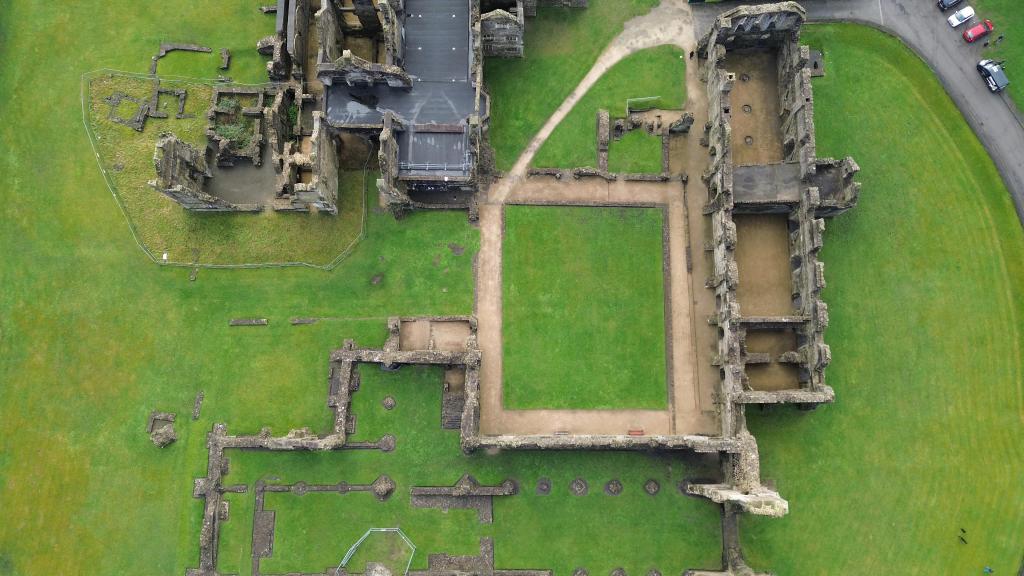
It’s worth noting that despite the location near trade centres and car dealerships, the abbey exists in its own isolated world , protected on all sides from the incursion of the modern world. Our experience at this site was never disturbed by its surroundings. Neath Abbey is well hidden, undervalued but absolutely beautiful.
If you liked the blog please hit that like button, watch the full video below and consider subscribing if you haven’t already.
Till Next Time!
 Pinned on Places
Leave a comment