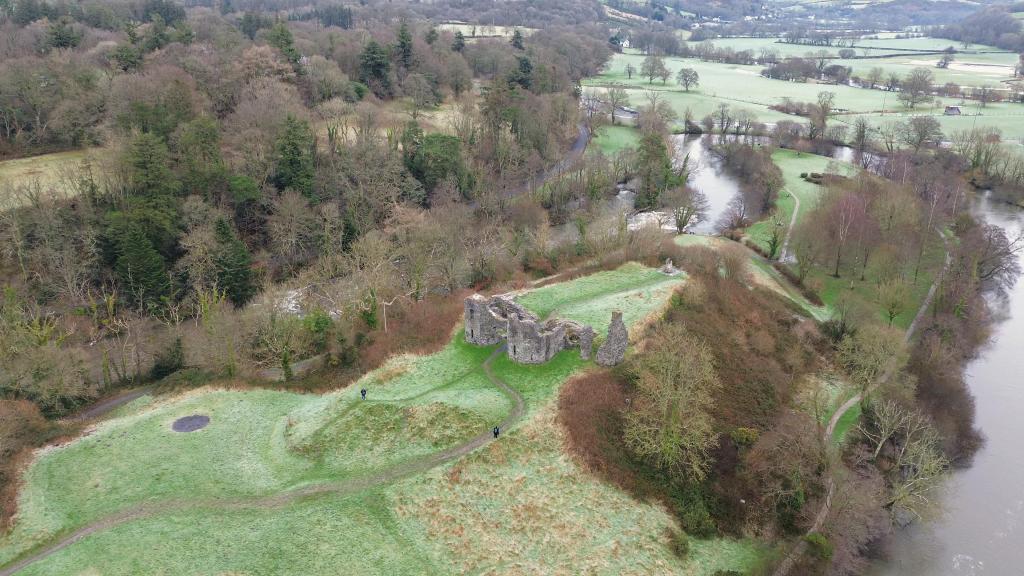
We are back exploring the off the beaten track with the unexpecting ruins of South Wales. This walk takes us around the captivating ruins that hold a special place in the realm of Welsh legends, particularly those involving dragons. Beyond this castles fair share of conflict, battle and change the stories and tales of the last dragon killed in Wales is one you don’t want to miss, so join us here at Newcastle Emlyn castle.
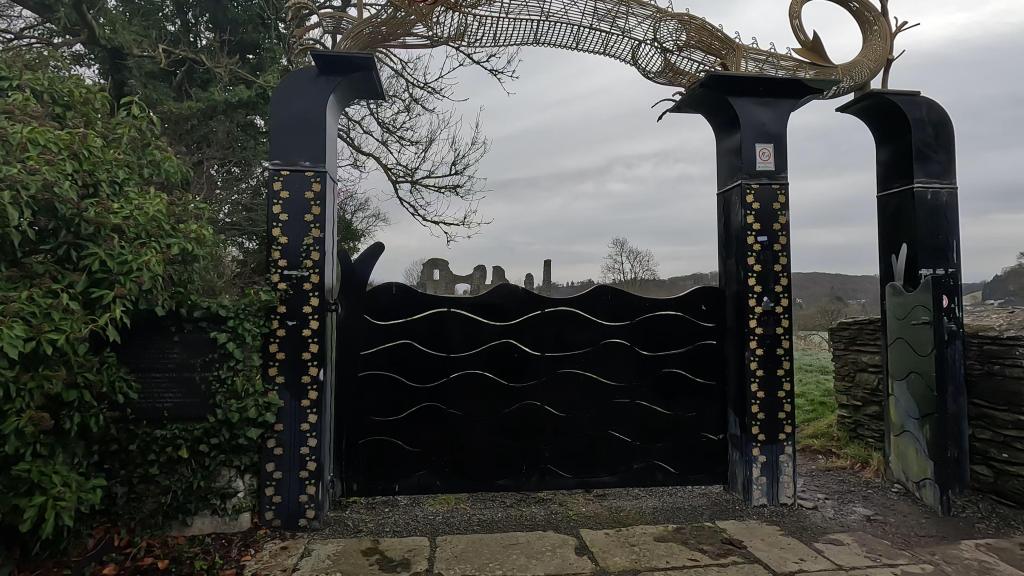
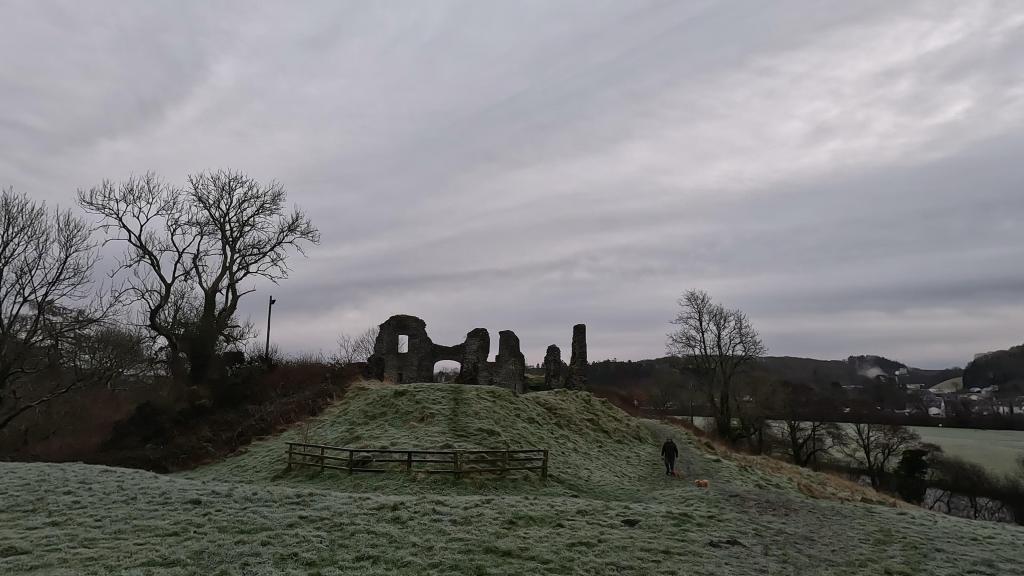
The ‘New Castle’ which has given the town its name, had been built on the banks of the River Teifi by the 1250s by Maredudd ap Rhys, a prince of Deheubath. The stronghold was originally a timber and earth building, but soon it was rebuilt into a stone one, as one of the few that were built by the Welsh. The purpose of building the castle was rather the desire to have an administrative, not a defensive center, as Maredudd‘s main residence was at Dryslwyn Castle. The New Castle was recorded for the first time in documents in 1257, when King Henry III approved Maredudd’s agreement with Marshall.
In 1271 Emlyn became the property of Maredudd‘s son, Rhys ap Maredudd, who avoided involving in the First Welsh War of Independence, thanks to which he was awarded by king Edward I. Apparently the award did not meet Rhys’ expectations because he rebelled in 1287 and lost Newcastle Emlyn to Roger Mortimer, the Earl of March.
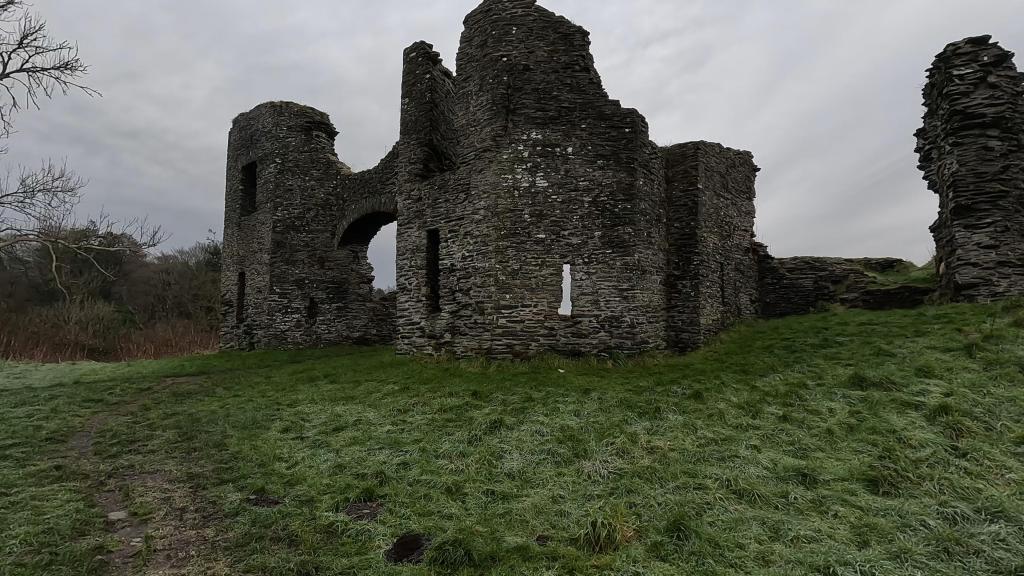
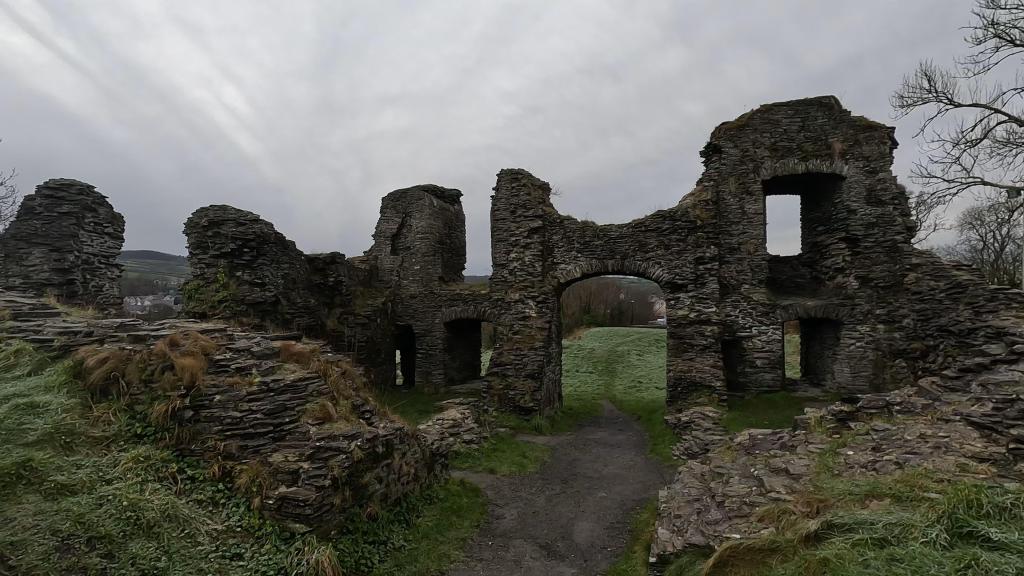
Rhys’s army recaptured the castle, but at the beginning of 1288 it was besieged and captured. Apparently, siege machines pulled by as many as 60 oxen were used during these fights. Rhys escaped but was later captured and executed in 1291. His estate, including Emlyn, was confiscated by the Crown, and all power by the native Welsh rulers in the Deheubath region was lost. The castle was captured by the English Crown in 1287-88 and within a few years an English borough town was established here, in the heart of Welsh Wales.
In the fourteenth century, three successive kings of England: Edward I, Edward II and Edward III made the expansion and modernization of the castle. In 1312 a new great hall was put into use and it was probably at that time that the construction of a new twin-tower gatehouse was started. In 1403, Newcastle Emlyn was attacked by the forces of Owain Glyndŵr, at the height of his war of independence.
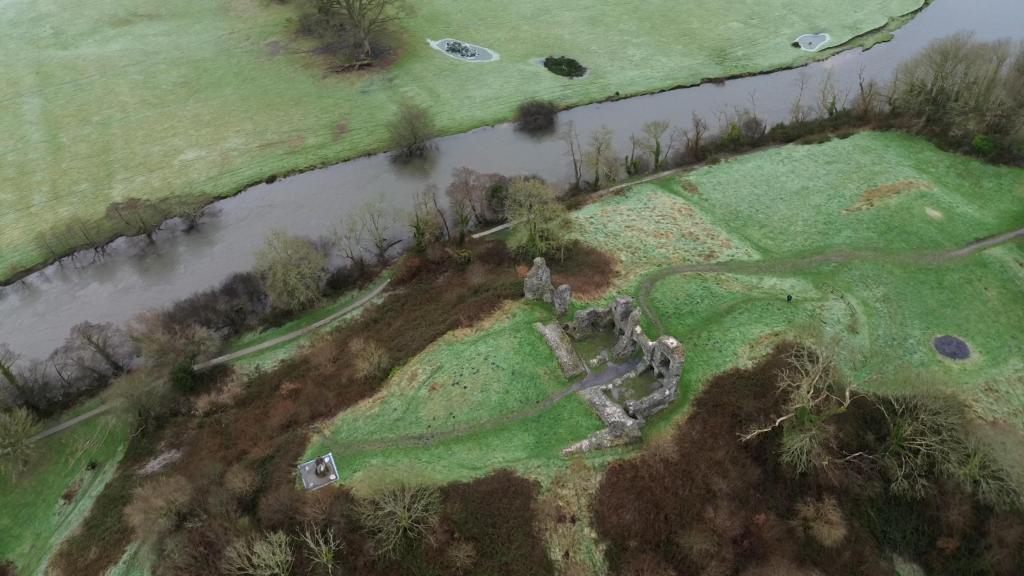
It is said that Glyndŵr and his army crossed the river down stream near and followed the valley to lay siege to the Norman castle here. The castle was conquered and plundered as was the town, whose inhabitants were largely of English origin. However, two weeks later the area was recaptured by Sir Thomas Carew. The damages must have been significant, since the report from 1428 described the castle as ruined. In the mid-fourteenth century, the castle and the town were significantly depopulated when the area was ravaged by the Black Death.
At the end of the 15th century, the Tudor dynasty of Welsh origin, calmed down the tense relations between the two nations and at the same time the loss of the military significance of the Welsh castles. Newcastle Emlyn was acquired in the early sixteenth century by Sir Rhys ap Thomas, who transformed the castle into a residence. After centuries of attacks and refurbishments the castle was finally blown apart by gunpowder in 1645 during the English Civil War. Making it indefensible and the castle was plundered and ever since, left neglected.
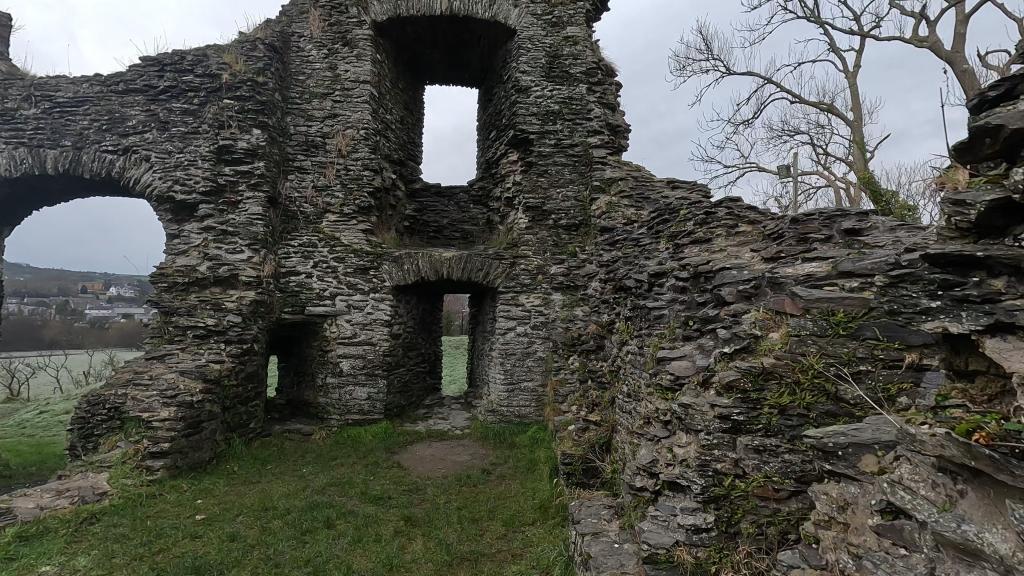
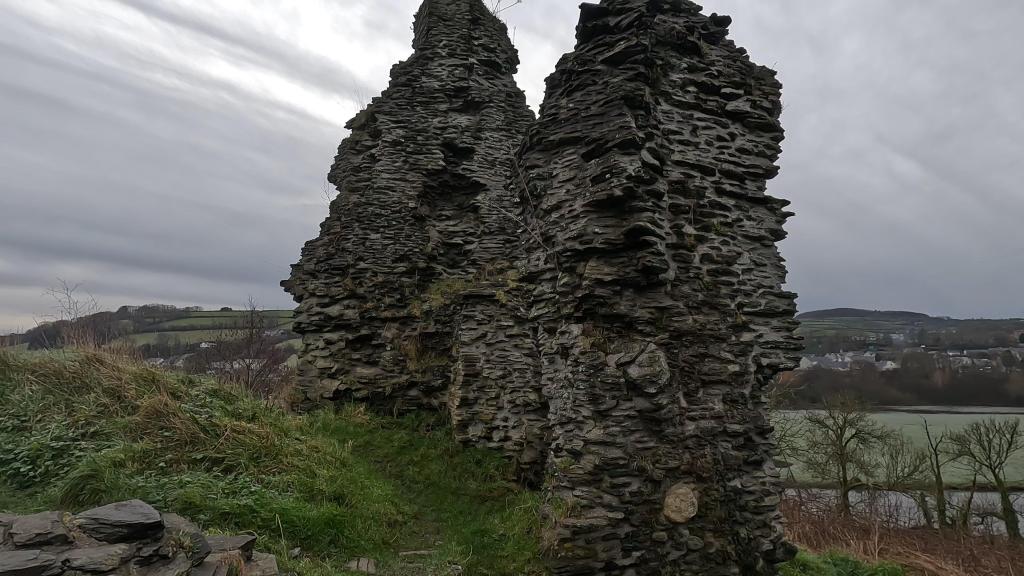
Beyond the historical battles and political intrigue, a more mystical element permeates the atmosphere here. Wales is a land steeped in myth and legend, and the tales of dragons are deeply ingrained in its cultural identity. While no concrete evidence of actual dragons dwelling within these walls exists, local folklore connects Newcastle Emlyn to these mythical creatures. Stories persist of dragons guarding hidden treasures in the surrounding hills, their watchful eyes protecting ancient secrets.
Yet the most remarkable folklore of this kind is the well-known Red dragon at the castle of Newcastle Emlyn. it was upon the top of this castle the flying wyvern would swoop into the valley and guard the area. This story is a great addition to the castle, giving the castle its fragment of dramatic fantasy.
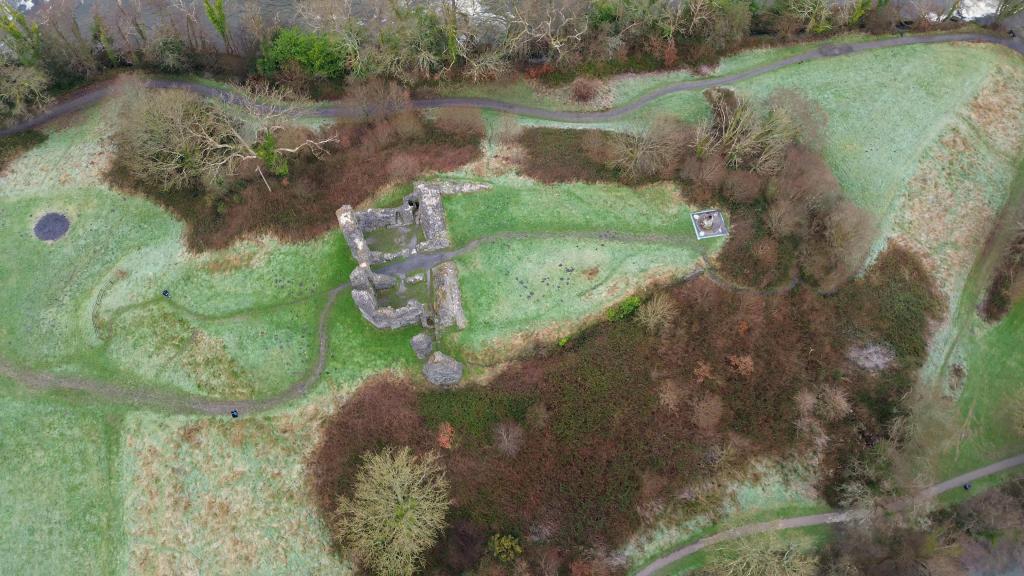
As you wander through the castle, just take a moment to absorb the surrounding countryside, its characterized by rolling hills and lush greenery, which further enhances the castle’s enchanting presence.
The castle and town is definitely worth a wander around and best of all it is free to do. There is a carpark right next to the castle gates with a very small and reasonable fee to pay for, but the area itself is worth stopping by for as it’s a place where history and legends collide, creating a truly interesting experience.
If you liked the blog please hit that like button, watch the full video below and consider subscribing if you haven’t already.
Till Next Time!
 Pinned on Places
Leave a comment