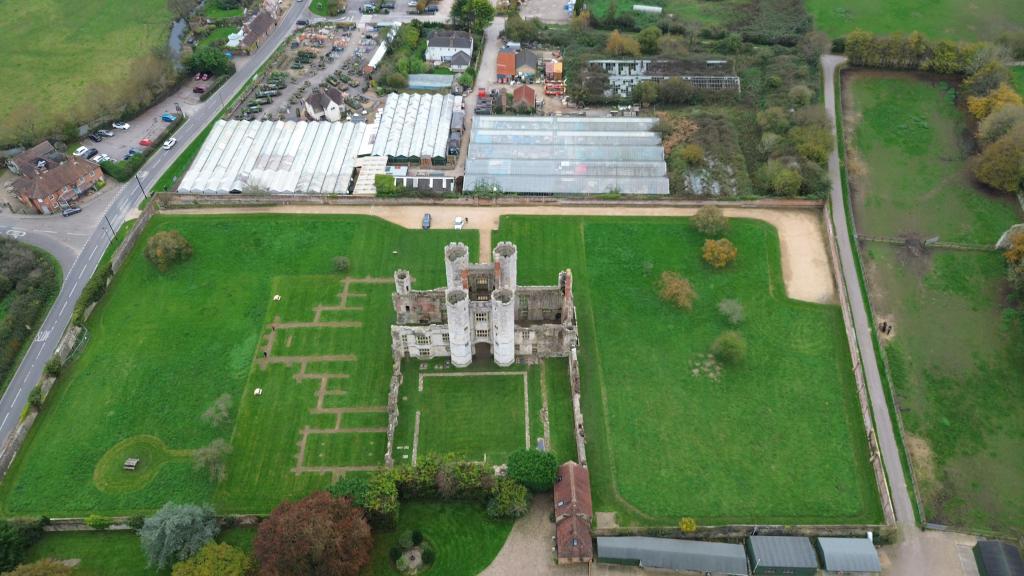
We are back in our home county of Hampshire visiting Titchfield Abbey. Architecturally you’ll fall in love with its stately and grand appearance but this now fortified manor house was once built on the ruins of a Premonstratensian Monastery and is rumoured to be the site in which Shakespeare may have first performed some of his early plays. So, join us today, whilst we walk in the remains of Titchfield Abbey.

The existence of a Medieval Abbey at Titchfield, probably owes as much to its proximity to the sea as anything else. The village of Titchfield lies at the mouth of the River Meon, which empties out into the waters of the Solent. At the time of the Domesday book, Titchfield had both a market and, unusually, a toll. The toll would suggest that goods were being brought ashore at the Meon Estuary and then transported inland. It’s thought that the area was probably made wealthy through trades.
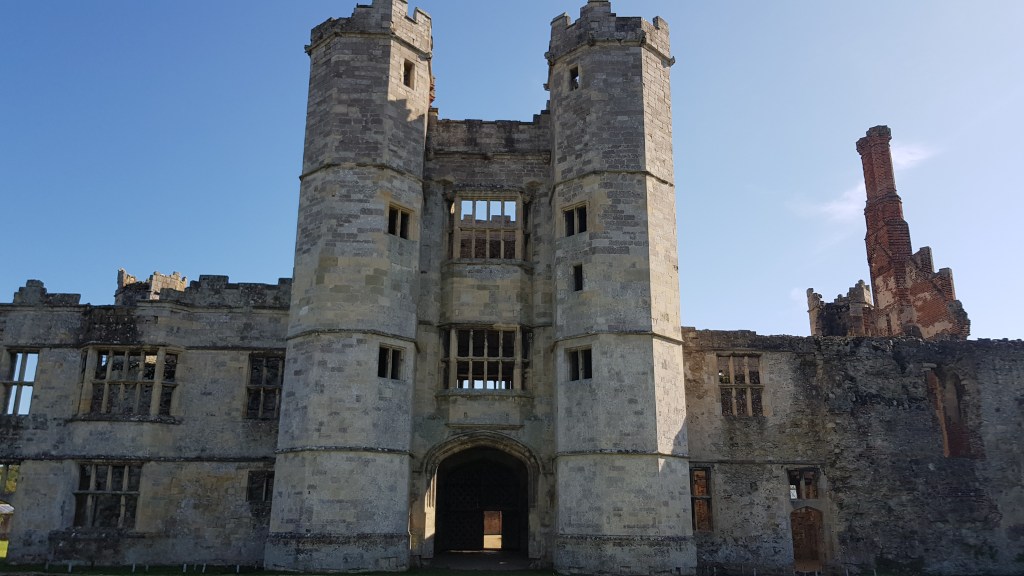
On the ground floor, like many houses, abbeys and castles, it would have been used purely for storage. This would means that the other floors above would have been lodgings, you might notice the various square Tudor windows, these were originally lancet windows that you would typically see in a church. Several of the once large church windows would be rebuilt as the gorgeous brick fireplaces that we can spot around the room, this would have driven so much warmth and light into the building and you can only speculate just how fancy this house would have been.


The area continued as a place of special religious significance with the founding of the Medieval abbey in 1232 by Peter des Roches, the Bishop of Winchester, he was a powerful politician, churchman and government official who founded several religious houses, including Netley Abbey also in Hampshire and a place that we have visited in the past.
Titchfield was a part of the Premonstratensian order whose monks were also known as White Canons due to the colours of their habits. The abbey in its heyday was wealthy and owned many thousands of acres of land; it had its own farm buildings and a series of fishponds, which can still be seen alongside the abbey. Again the proximity of Titchfield to the southern coastline meant it was a convenient place for important people to convene and supply before crossing the waters to Europe.
A ruin such as the former Medieval Abbey at Titchfield contradicts its historical importance. History in Hampshire doesn’t get much better than this. Thomas’s grandson, Henry, the third Earl of Southampton had a passion for theatre which in the 1590s inevitably involved the famed William Shakespeare. The plays were possibly shown in a private apartment beside the gatehouse for his sponsor’s most distinguished guests, with some of Shakespeare’s most famous plays including Romeo and Juliet and A Midsummer Night’s dream.

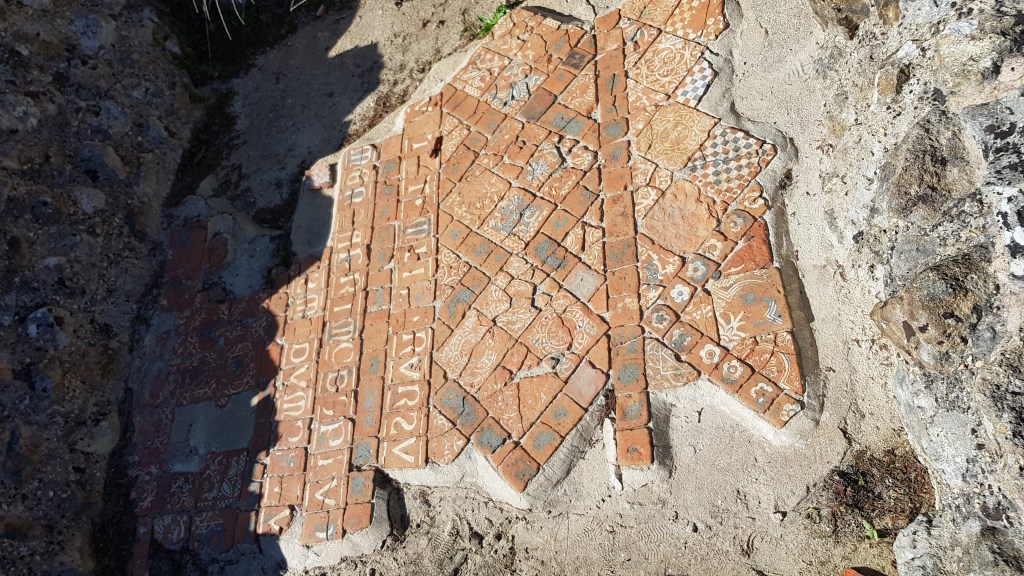
As the Middle Ages progressed considerable investment was made to upgrade the domestic buildings to meet rising living standards, and it is more than likely that by the mid fourteenth century they were rather luxurious, as evidenced by the elaborate polychrome floor tiles which at the time would be an expensive and high status product which is still seen today all over the site although in the winter months at the time of filming, the mosaics and floor tiles are covered over with sand to protect them from the elements.
These medieval tiles survived as they lay undiscovered under the courtyard of the Tudor mansion – until excavations in the 1920’s unearthed them. They are very similar to other nearby abbeys suggesting they were all made in the late 13th century by the same team of tile makers.
Though a great deal has been destroyed, there are still major remains of the abbey to be seen. There are slight remains of the rest of the monastic buildings around the cloister, although the abbey plan is marked out on the ground.
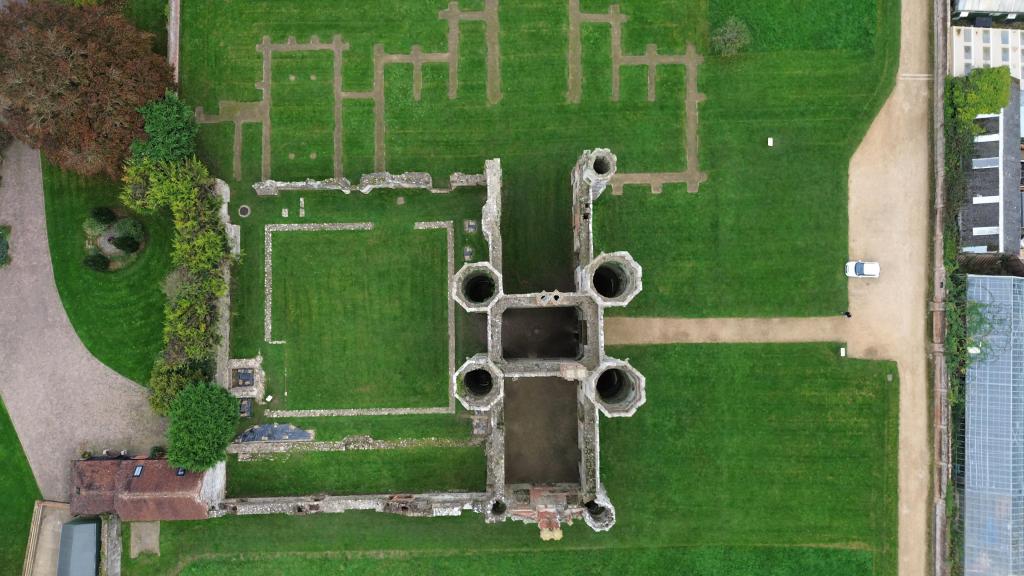
Titchfield abbey is a true gem in Hampshire with fascinating links to royalty and Shakespeare; it’s well preserved ruins reflect is undeniably rich history and is without a doubt a ideal spot for history buffs or those who simply enjoy picturesque settings.
If you liked the blog please hit that like button, watch the full video below and consider subscribing if you haven’t already.
Till Next Time!
 Pinned on Places
Leave a comment