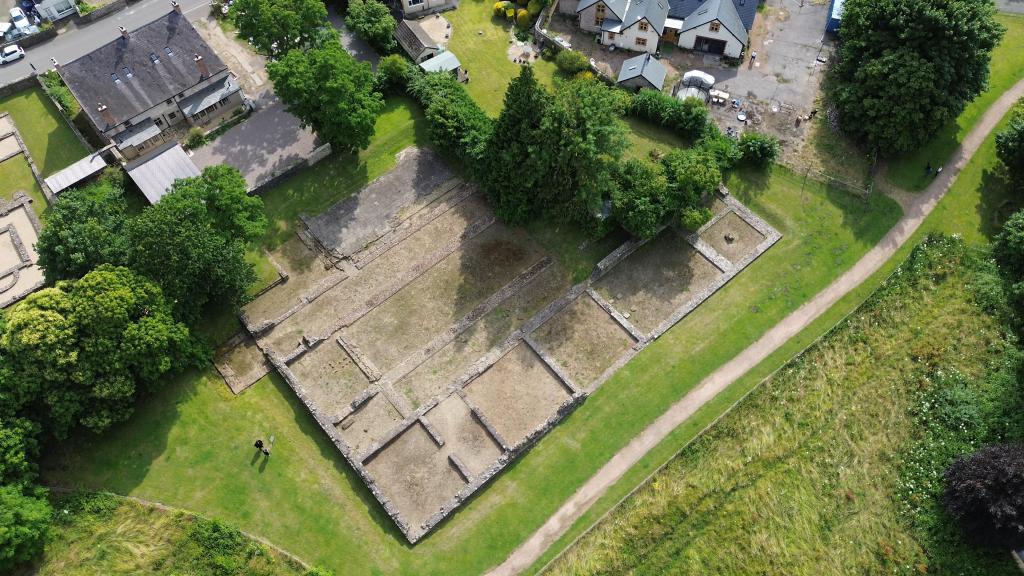
Modern day Caerwent, used to be known as Venta Silurium to the romans stretching to around 44 acres with much of it enclosed within 2nd century walls. In this video you’ll see the remains of a Romano British temple, a forum with excavated houses and a basilica and also the remains of roman shops. Join us whilst we explore one of Wales’s best kept secrets here at Caerwent Roman Town.
There are quite a few different routes into the roman town scattered over the settlement, we started our journey at the Romano British Temple.

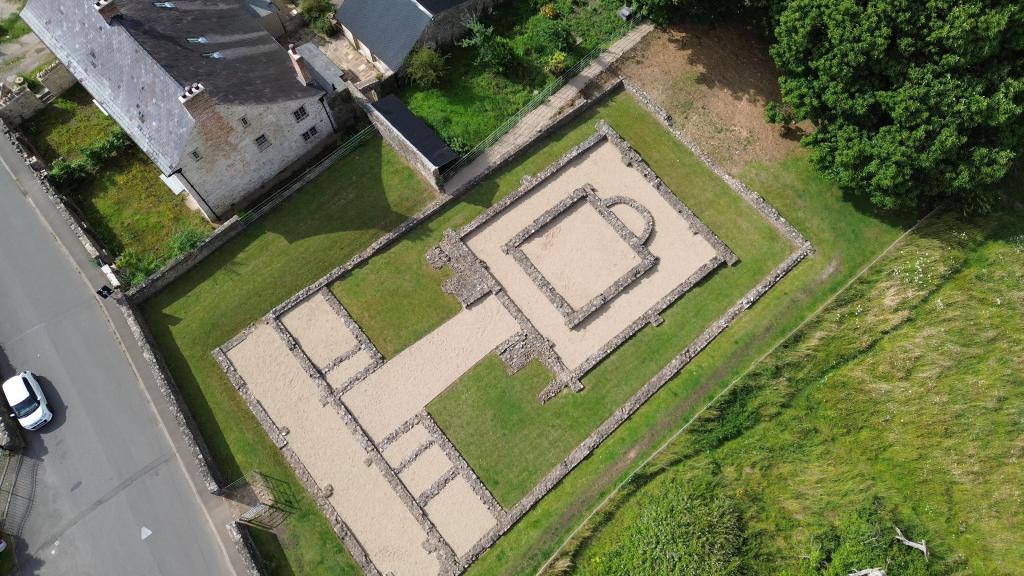
The temple we see now is quite substantial in terms of the remains of a temple complex. This was built about AD 330, late in the life of Caerwent town. We’re not really sure what deity or deities were worshipped here but the time period suggests that it was probably not related to Christian worship, though by this time Christianity was at least supposedly the official religion of the Roman Empire. The temple was entered through a long hall facing the street, with a passage giving onto a sacred courtyard enclosure. From the courtyard you pass to a walkway around a square inner sanctuary, the most sacred part of the site, with a niche at the rear for sacred objects. The temple layout is extremely clear from the surviving foundations. This was a very large complex, and is still impressive today even without its walls and roof!

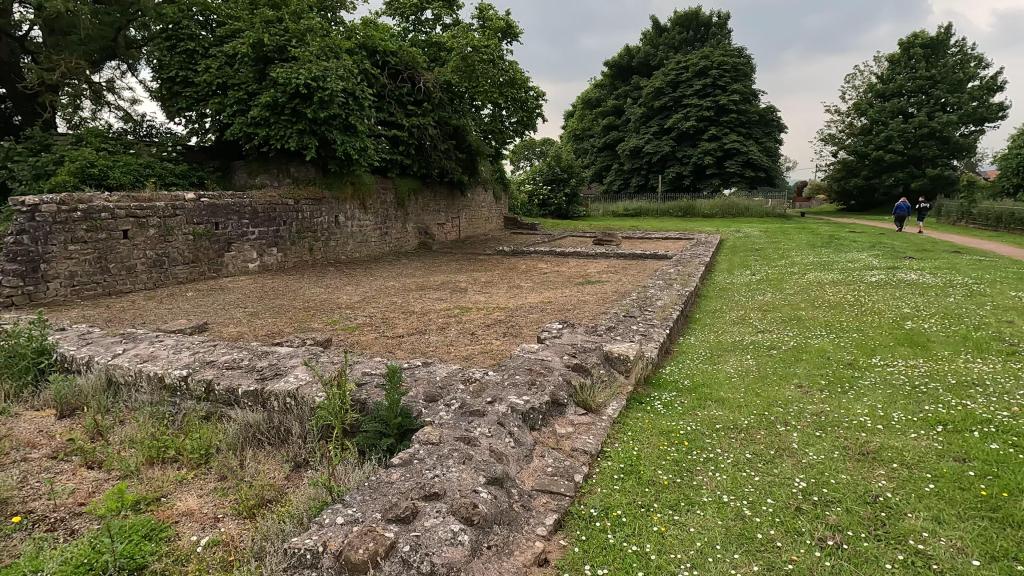

Whilst we move on to the Forum and Basilica area I’d like to explain a little bit about Caerwents origins. Interestingly the town was the capital of the Silures, who happened to be the most important and powerful British tribe of south wales. The site was likely founded around 75-80 AD, and served as a settlement of the native Silures tribe. The Silures had put up a constant fight against the Roman conquest since 48 AD, waging effective guerrilla warfare on the invaders and defeating the Second Legion’s forces. In 75 AD the Roman fortress of Isca, now Caerleon Roman Fortress, was established nearby, and whether the Silures agreed to the Romans’ terms or were militarily defeated, by 78 AD they were eventually subdued and resided in Caerwent.
Caerwent was essentially likened to a mini Rome and there doesn’t appear to have been any military presence meaning that the town was self-governing. The new town was slow to expand but it seems likely the population was swelled with retired veterans of the 2nd legion based at Caerleon. At the end of the second century, the town was full of life and by that time it was strengthened by the first fortifications. Inside the town walls the Romans laid out streets on a traditional grid system. The original town houses would have been made of timber atop stone foundations, but these were later rebuilt in stone.

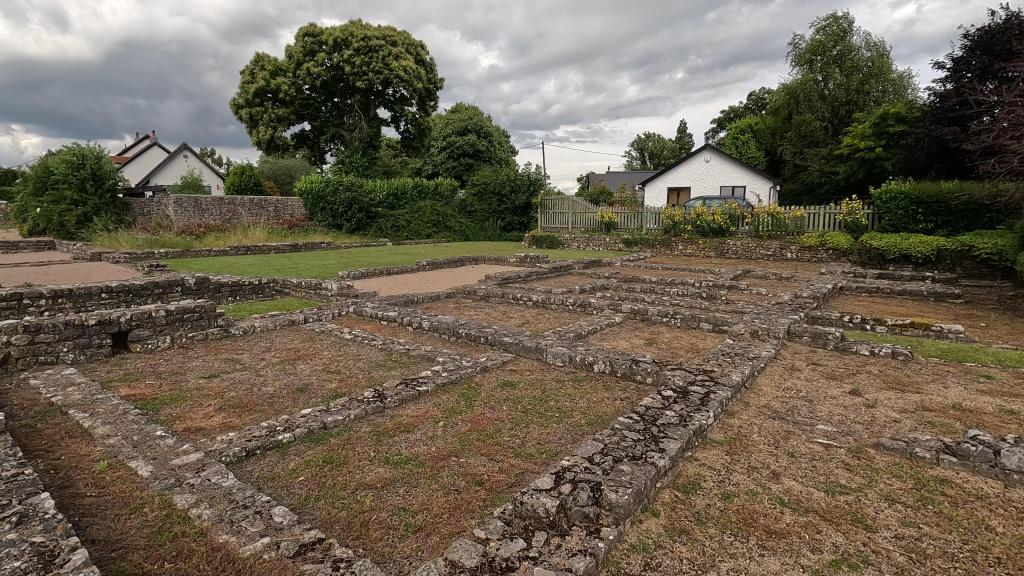
From the Forums, you can wander around some of the other sites located in the roman town, just a very short walk away you can head to what’s known now as Pound Lane. The impressive remains of the row of roman shops are displayed on Pound lane, they compromise of walls and floors of multiple buildings from various phases of occupation.
It would be from the 2nd century that public baths, craft workshops and shops would be built and this included a blacksmiths forge. The shop buildings would be located on its main street running right through the centre of the town from east to west. It would combine both a commercial funcition with the front part from the street side closed with timber shutters and a residential function too being the back and floor of the building including utility in the very back of the house in which workshops were organized.

Most of the individual shops would occupy a single plot but would be separated by narrow passages, this meant that they would be able to have access to the back of the buildings, but more importantly, they provided space for the gutters so that the water could flow from the roofs.

From the shops in the southern part of town, you’ll notice the remains of a large courtyard house or what’s known in the Roman Empire as a mansio, it would be similar to describe it as a place for lodging or an inn. This building would be an important public building in which couriers and officials would be able to rent rooms and exchange horses or any other business.
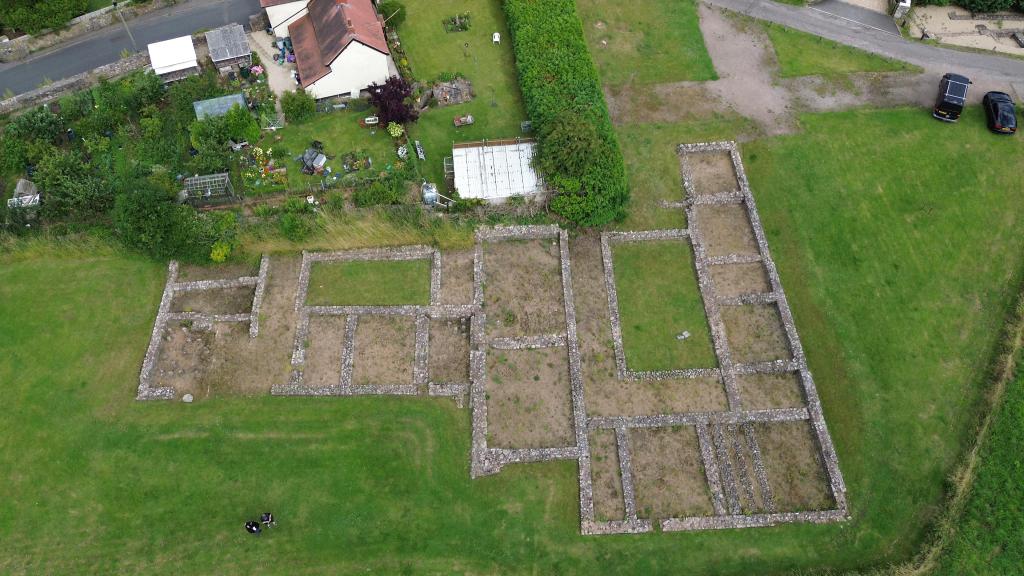
The building consists of a complex of rooms all grouped from three sides around a courtyard. It was excavated between 1981 and 1984 and reveals a very interesting layout and feature. It was noted that most of the rooms would be brightly painted with wall plaster, whilst others would be heated by underfloor hypocausts and mosaics would decorate the floors of the rooms and corridors. There were also traces of storerooms and a corn drier which might suggest that this was more like a farm or the residence of a wealthy landowner with farming interests.
We’ve visited a few of the things to experience when exploring the roman town of, but we would most definitely recommend a walk to see the town fortifications that stand at 5.2 metres high when once they would form a complete circuit with towers and four entrance gates.
Caerwent has a very impressive charm, it houses a truly amazing collection of remains that really give a great sense of how people lived, worked, and worshipped here so many years ago. Whilst there are only the remnants of buildings to look at where these have been uncovered, the size of the area does make it interesting, especially if you are interested in the Romans!
If you liked the blog please hit that like button, watch the full video below and consider subscribing if you haven’t already.
Till Next Time!
 Pinned on Places
Leave a comment