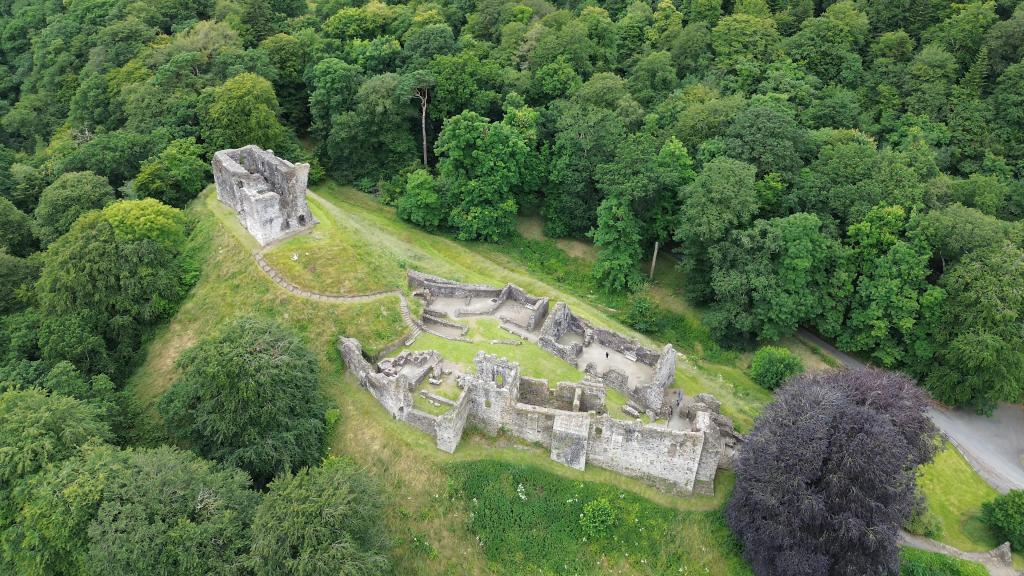
This blog see’s us still in the incredible Devon area, for an explore around Okehampton Castle.
Built soon after the Battle of Hastings and as part of the Norman Conquest, the castle had a vital role to play in consolidating William the Conqueror’s control of the rebellious South-West of England. Okehampton Castle was built on a natural spur of high land above the valley of the River Okement with its location carefully chosen to dominate the area and be very difficult to successfully attack. Having seen little action in its early years, it became a hunting lodge for its owners to carry out their favourite pastime and entertain as well as impress its illustrious guests.
The castle was furnished to impress the guests and accommodate people. With that in mind, facilities for guests were developed so that they were comfortable in their well furnished rooms with elaborate latrines and fireplaces, feasting in the great hall and so would leave the castle, very impressed. In addition to this the grounds were converted to a deer park which were designed for entertainment.

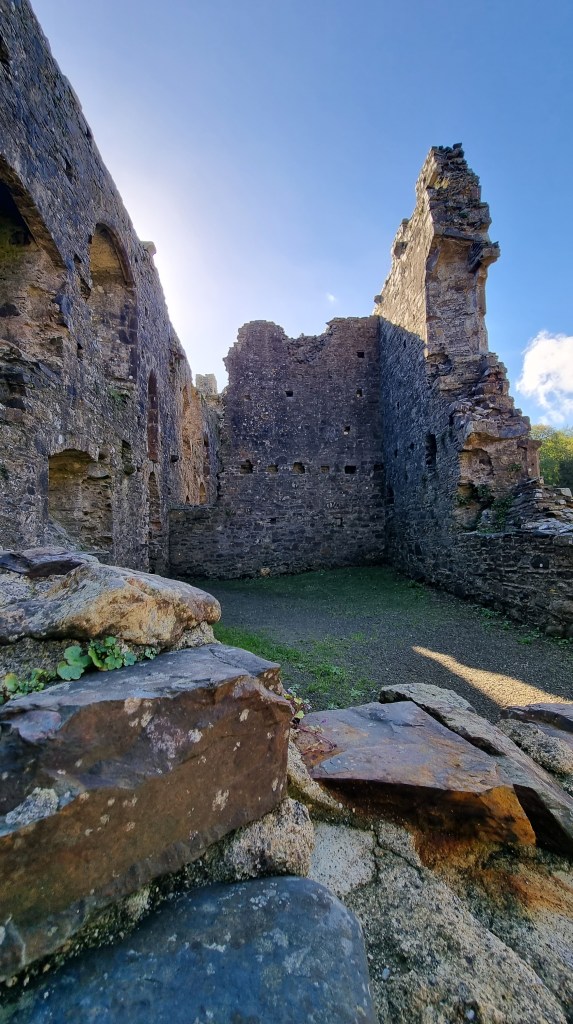

Construction of the castle was accompanied by acquisition of land to the south, used as a hunting ground, especially for deer; as a result of this the old Saxon settlement was abandoned, though its position is evident from some low walls. The keep originally had an upper storey, accessed by a staircase in a turret on the northeast side. The turret has separated from both walls and leans at a slight angle, now forming the centrepiece of most the iconic view of the site, from the northeast; angular walls rising well above the substantial ruins below.
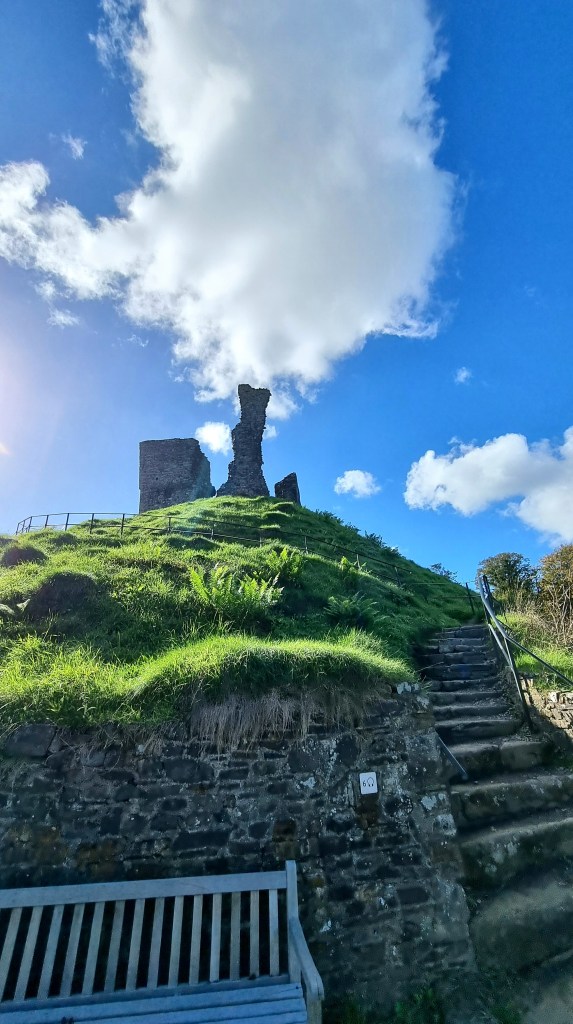
This castle was a statement of power and was intended to dominate the local landscape. Every time someone in Okehampton looked up they would have seen this huge, man-made foreign intrusion on the skyline which served to remind them that they were no under Norman control.

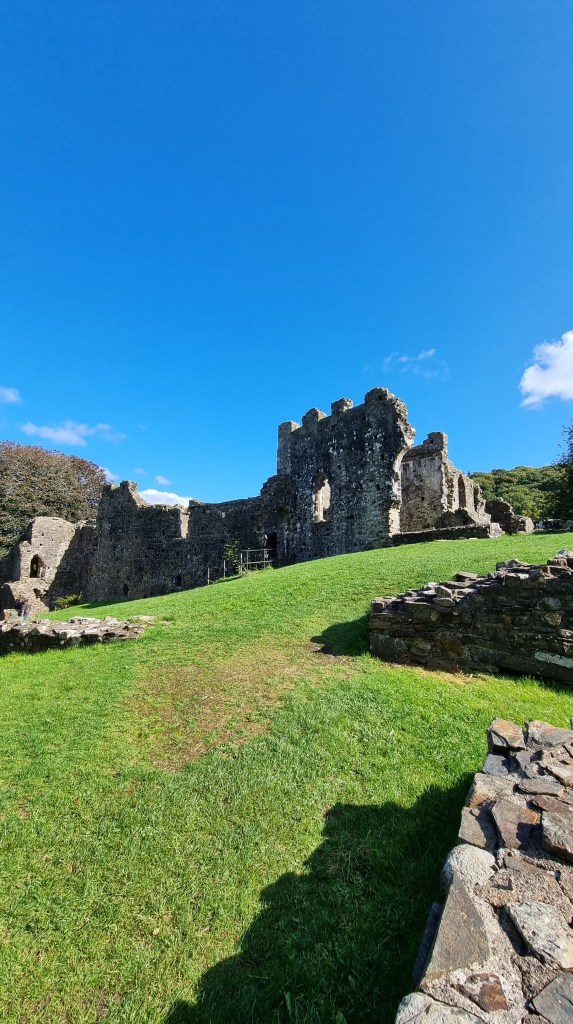
When looking at today’s surviving ruins there is one thing that is missing, there is no well. Admitted there is a small stream running down the western side and the river Okement flowing to the east. Drawing water from either sources would have proved an difficult task for some poor individual especially when having to slog back up to the castle.
But, this problem was overcome by what seems to be a very local method. A similar idea was used at nearby Lydford Castle whereby rainwater was collected from the roof and then piped into the building. Excavations have revealed that at Okehampton there was a building containing a 7ft deep cistern which collected rainwater running off the motte. This was located at the foot of the motte and just to the south of the kitchens. A lead pipe then carried the water off in the direction of the eastern lodgings which is why nobody ever drank it and opted for the more ‘healthy’ option of beer and wine.
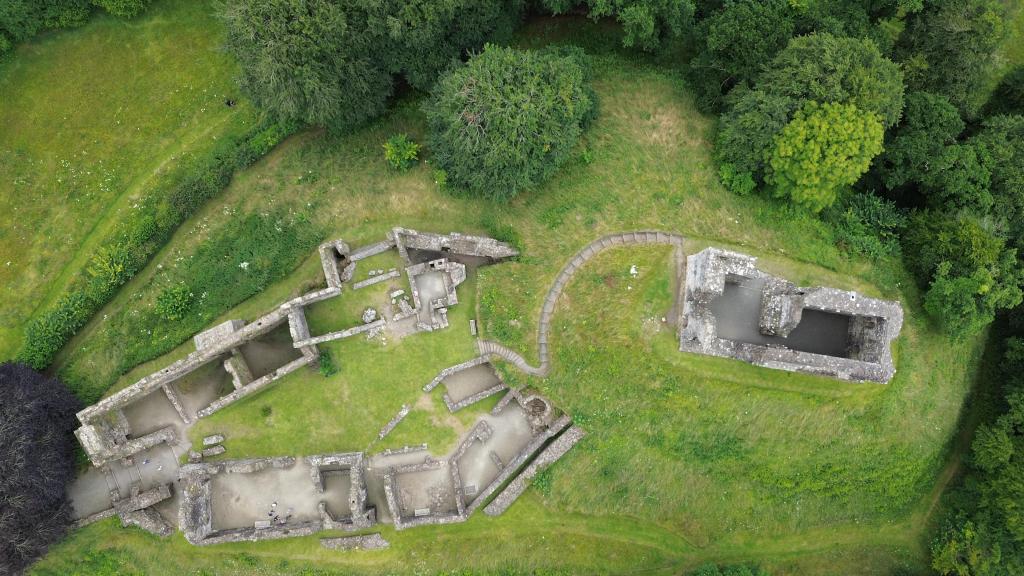
As we explore the last parts of the castle dipping in and out of the various skeletal remains of the rooms we had such a great time exploring here at Okehampton Castle. It has a beautiful calming charm to it whilst you’re visiting and you can understand why this site is actually very popular on the history side.
The site radiates its centuries of troubles past and the views let you imagine what it might have been like to live in such an impressive Castle, the Steep climbs to the top of the keep are totally worth the aches and it’s worth noting that there is free parking just moments away from the entrance with some more amazing walks to be had in the area.
If you liked the blog please hit that like button, watch the full video below and consider subscribing if you haven’t already.
Till Next Time!
 Pinned on Places
Leave a comment