During the 3rd century, when Britain was part of the once powerful Roman Empire, this was one of the largest cities throughout the country. From trade’s people to trendsetter’s Wroxeter was a thriving metropolis of power, Politics and pampering, so join us and let’s explore roman Britain.
Wroxeter’s roman name was Viroconium, home to over 15,000 people, the site is located near the town of Shrewsbury in the Shropshire area. The settlement may have continued to be used right up until the 7th or 8th century AD long after the romans had left and when the Anglo Saxons would have arrived.
Nestling halfway between the medieval town of Shrewsbury and the birthplace of the industrial revolution at Ironbridge, lies Viroconium – once the fourth largest city in Roman Britain. While its three greater companions – London, Cirencester and St. Albans – have all undergone considerable further development in following ages to yield an combination of historical overlays, Viroconium was simply abandoned sometime in the 5th or 6th Century.


With Wroxeter being the fourth largest city in Roman Britain, the importance is reflected in the remains of the city. The site was lost for centuries before it was rediscovered in the Victorian period. Such was the public interest in the subsequent excavation of Wroxeter that the landowner donated the site to the public, making it one of the very first archaeological sites in Britain to become a tourist attraction regularly open to visitors.
Viroconium began as a legionary fort, a settlement which grew up around the fort, and became a thriving city of great importance, numbering in excess of 15,000 citizens at its height. Most of the population that swelled this new city came from the ranks of retired legionaries and tradesmen.
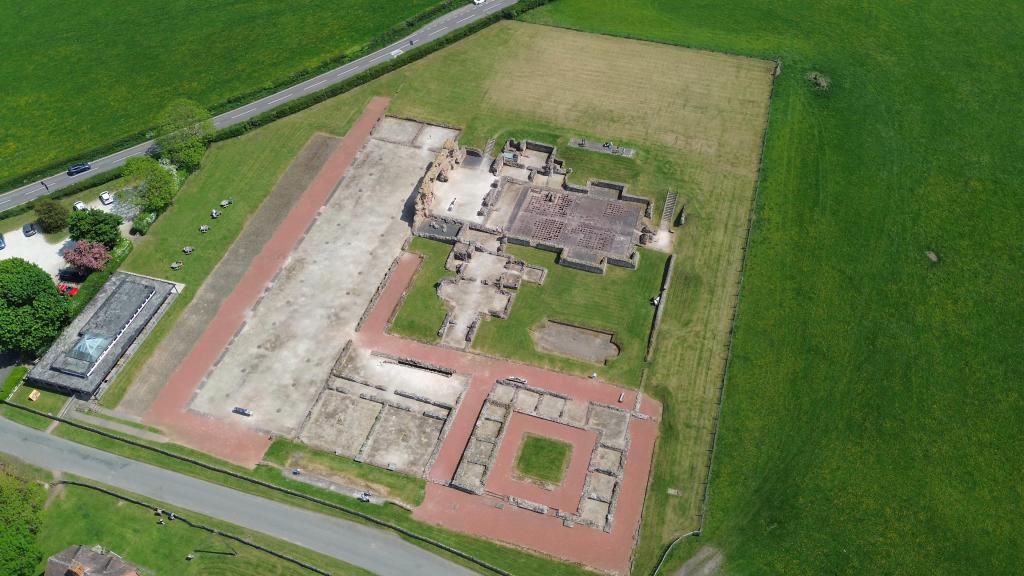
Whilst we wander the skeleton remains of the ruins, I was quite interested to see around the heart of the city which was once where the market hall stands proudly in the centre.

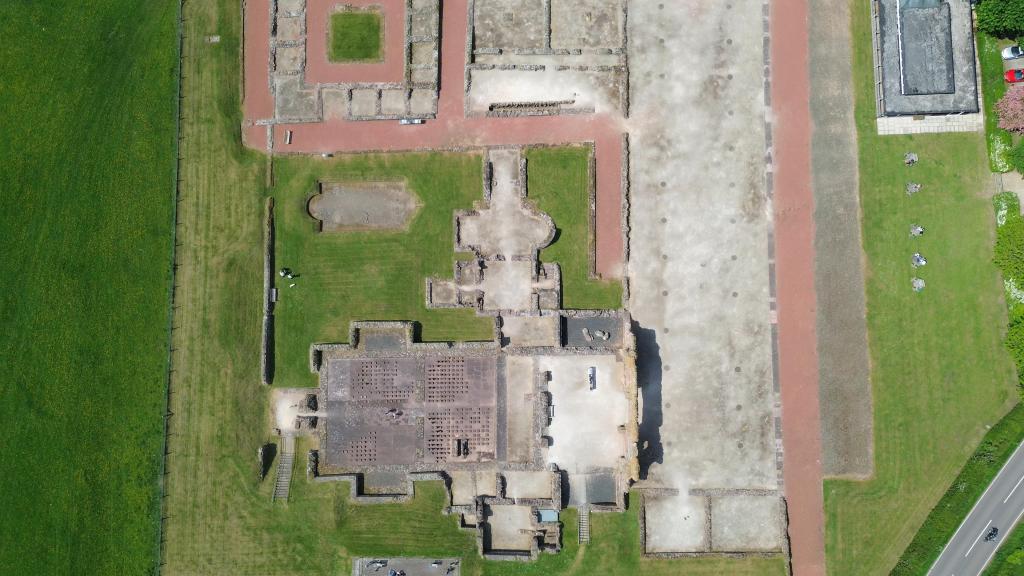
Between the area of the baths basilica and the market hall which is the area we are looking at now, there were two large square rooms with central piers facing out from behind a portico onto Roman Watling Street. These rooms had open fronts which could be closed with shutters held in place by the large stones that are visible. These types of frontages do indicate that they would have been shops or bars. Separating the shops and the market was a wide corridor that gave access from the street to the baths outdoor exercise area and pool. Originally the market would have had many small rooms constructed around its own colonnaded courtyard.


The most impressive remains to view include the public baths. These date from the 2nd century and stand beside a large exercise hall. After the Roman influence diminished, the site became the headquarters of a British or Irish chieftain. Unlike many other Roman cities, Wroxeter was not redeveloped as a Saxon or medieval centre, with the result that we can more easily see the Roman layout of the city.
Here at Wroxeter the baths lay at right angles to the basilica which created a L shaped layout. The baths had a series of rooms progressing from unheated to very hot, with the hot rooms either quite humid similar to Turkish baths or dry, similar to a sauna. Bathers would move from cool to warm to hot and then back to warm and cool. But these baths didn’t just offer bathing which reflects their wider social purpose. Most of the bath complex also had food stalls facing outwards onto the streets, placed specifically around the baths to cater for passers-by and bathers alike.
With the majority of its 200-acre site still awaiting excavation, Viroconium already boasts one of the largest surviving sections of Roman wall in Britain together with extensive remains of the city’s baths and hypocaust, making it a uniquely important site in Britain.


Across the road from the excavations is the Roman Town House. It is a reconstructed high-status Roman Town House and was built in 2010 as part of a TV project with Channel 4. The design of the house was inspired by an actual building which was excavated at the site and built using Roman construction techniques. The house stands on a platform that projects the important archaeological remains of wroxeters forum which lies underneath. Houses like this recreation show just how comfortable life could be in the south of roman Britain around 320 AD.
Inside this house complex, the room with the bulls head mosaic is both a reception and a dining room, the central roundel of the mosaic faces the back of the room where the owner of the house and the most important guests would have reclined during meals. There was ample heating for the bath suite provided by a furnace on the west side. Typically hot air would circulate under the floor and up the walls of the hot and warm room, with a cold bath in the third room.
Separate from the domestic rooms in the north east corner of the building is a shop that possibly could have been let out by the owner or operated on their behalf. In one of the rooms here you can see what it may have looked like. Town house owners often rented out parts of the house to their tenants who could use this space to sell goods, the shops would occupy the front portion of many houses that faces out onto the street, they would sell things like pottery, fresh veg, furs and even fast food such as ready cooked meats.
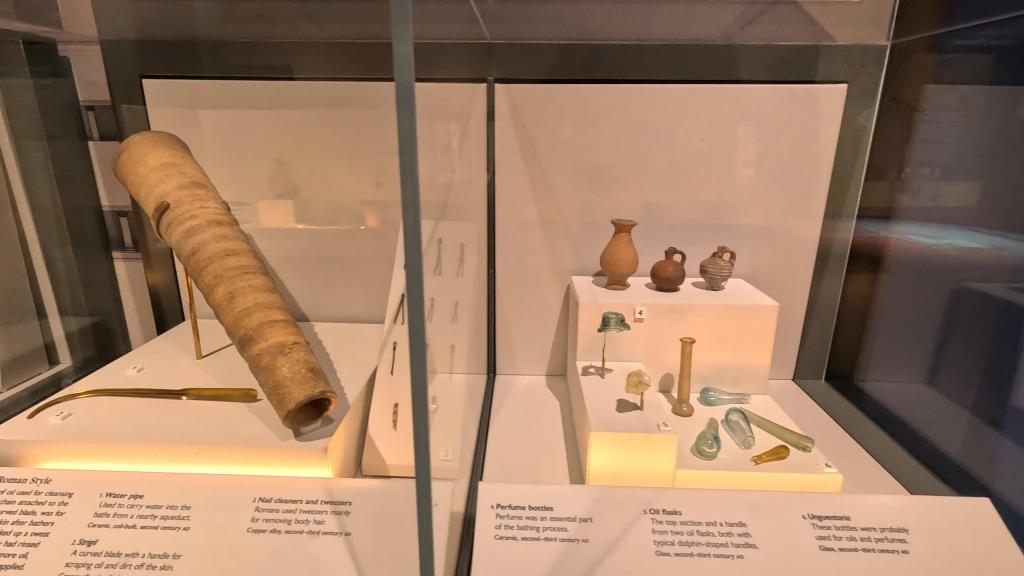
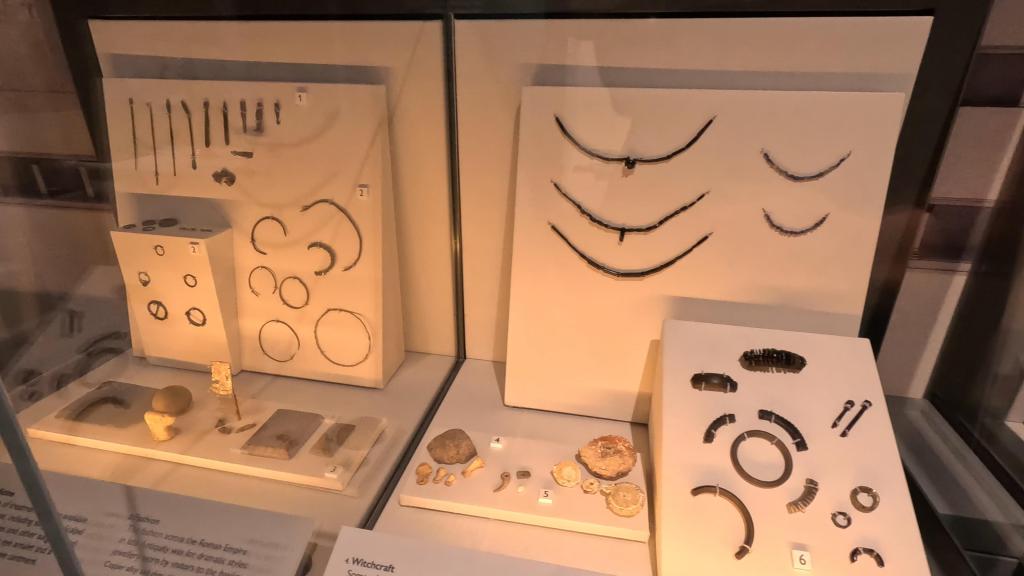
When you visit Wroxeter, make sure you either start your journey or make time tolook at the incredible artefacts in their museum. You’ll find the museum where you start your explore at the ticket office. Aswell as an abundance of information boards and drawings, there are over 400 artefacts that can be seen inside including ancient hygiene products such as the tweezers that I mentioned earlier.
Other objects related to Roman cleanliness and beauty practices include a strigil (skin scraper), perfume bottles, jet and bone jewellery, and make-up applicators. As well as hygiene objects, there are other relics that include figurines of deities, a Roman water pipe which would have served the bathhouse, and poignant amulets relating to the health of women and fertility. These objects discovered at Wroxeter show the rich daily experience of the people who once lived there – from their business enterprises to their vibrant social lives.
If you liked the blog please hit that like button, watch the full video below and consider subscribing if you haven’t already.
Till Next Time!
 Pinned on Places
Leave a comment