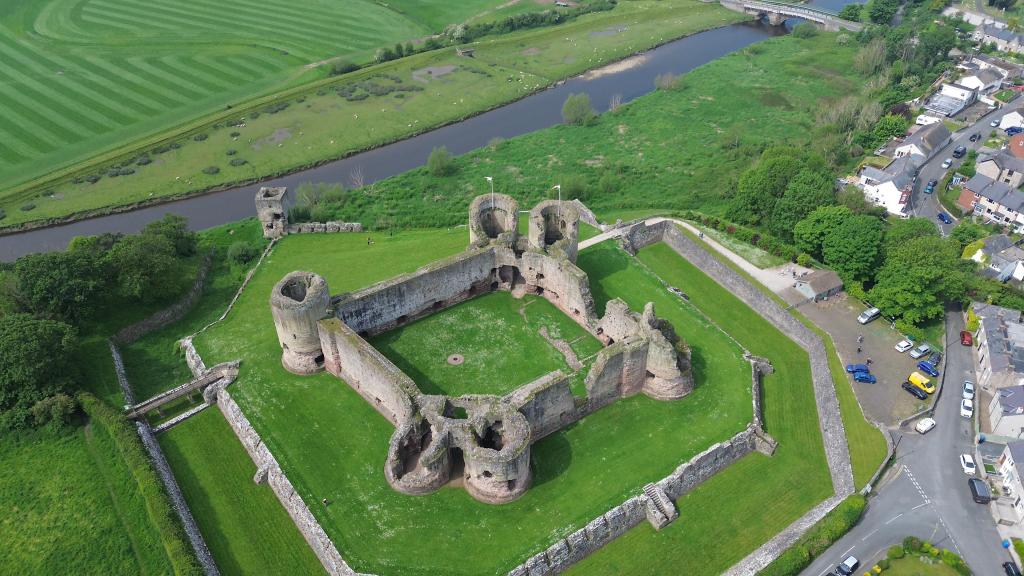
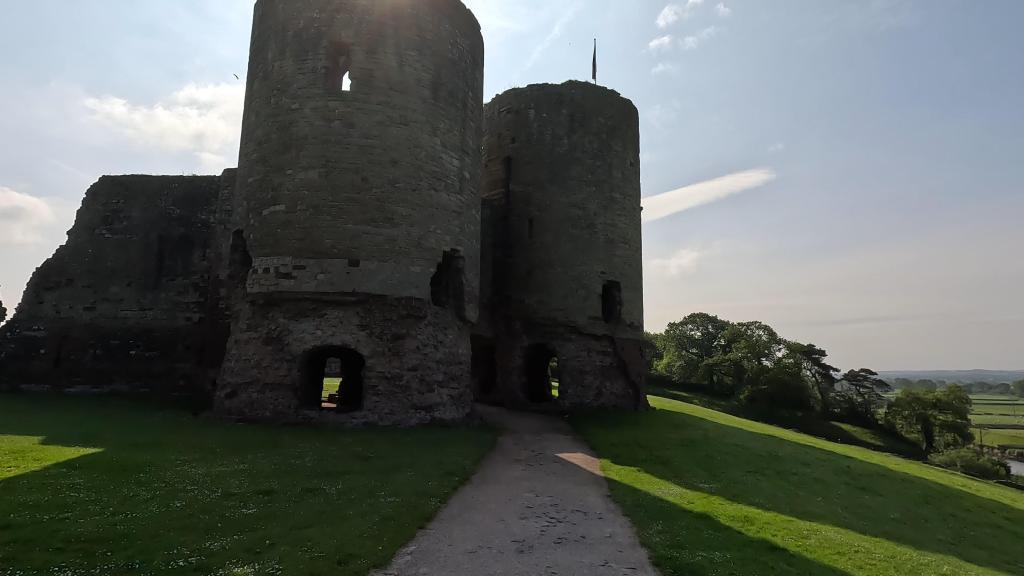
A late 13th century stone concentric fortress founded by King Edward the 1st, with its huge twin towered gatehouse ruins are quite intimidating, but once inside what’s more impressive is the powerful diamond-shaped inner ward and the views from the battlements, not only has this particular stronghold made history but it was also a castle that was worth moving a river for. So join us here at Rhuddlan Castle.
The history surrounding Rhuddlan has not always been dominated by conflict and violence between the Welsh and the English, but much of what is now visible in the town would seem to argue to the contrary, and of course nothing suggests this with greater fierceness than the massive, intimidating remains of the Edwardian castle that we are excited to see today.
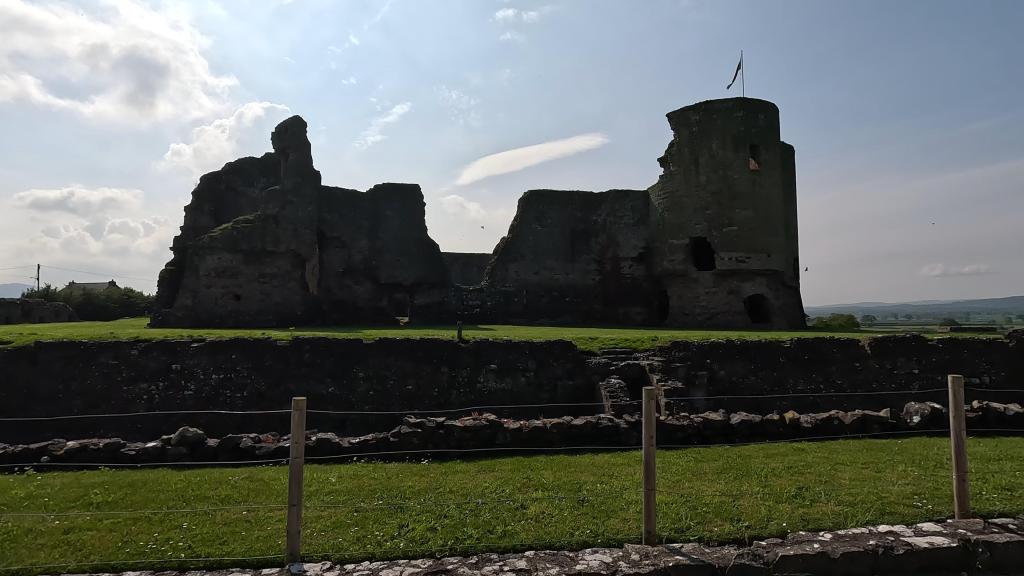
The English Anglo-Norman presence of Rhuddlan had been considerable for many years even before the building of the castle began in September of 1277. The Saxons had built a burgh here in 921 as a defensive position against Vikings who were operating from Ireland and the Wirral, and the Normans had operated out of the original motte and bailey castle on the site around two hundred years before Edwards’s fine castle.
However, it was not until the end of the war with Llywelyn ap Gruffudd in 1277, that the mighty castle and the ruins that still dominate the town was constructed. The scale of the works would have been astonishing and formed part of Edwards ambitious plan to surround the troublesome kings of Gwynedd by building a series of state of the art fortifications around them, known as the iron ring. This work has been called the most extensive and far reaching feat of engineering in Europe at that time.
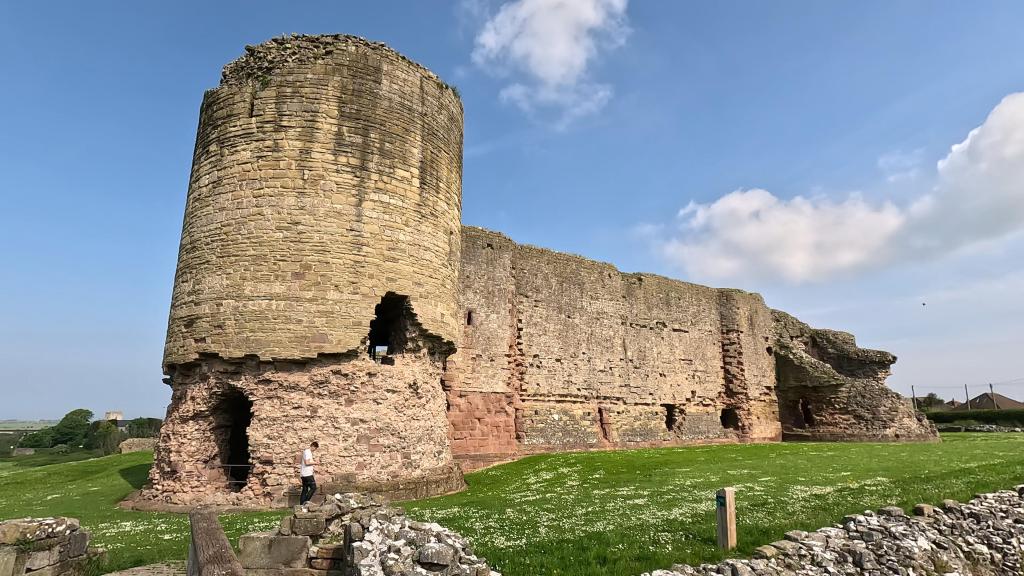
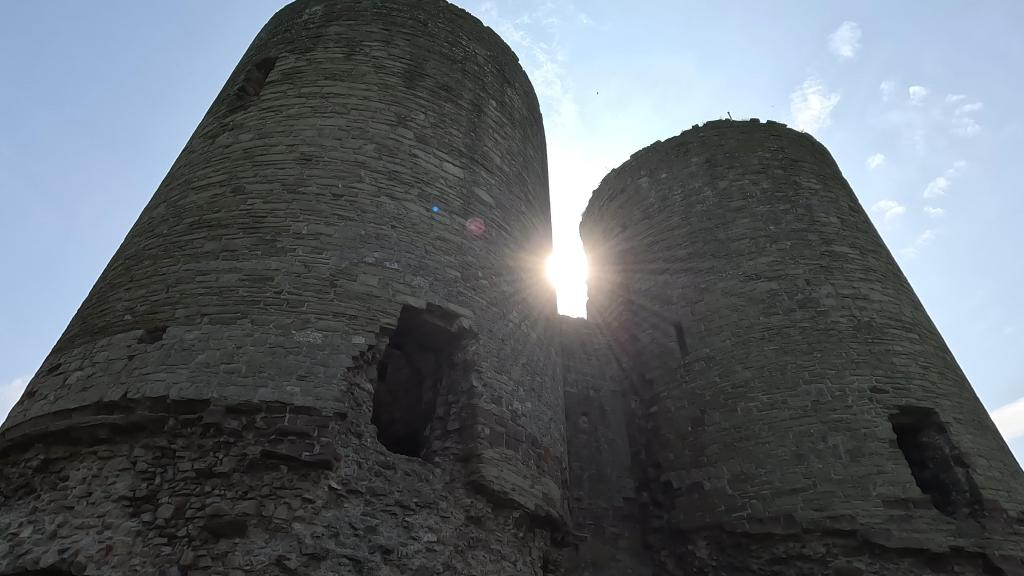
The castle was Edwards welsh headquarters in peace and war, some defeated welsh princes would pass through the gates and in 1284 he drew up the statute of Rhuddlan which would finally confirm the crowns supremacy in wales. Both King Edward and Master James would go onto build greater and more demanding castles at Conwy, Caernarfon and Beaumaris but none would be more important to Wales’s future than here at Rhuddlan.
Ever conscious of his castles being accessible to ships, Edward realised that this perfect strategic inland location didn’t allow for vital supplies to reach him as it stood. But not letting a little thing like nature get in his way, he recruited a mass of diggers, or ‘ditchers’ to straighten and deepen a two-mile stretch of the river. The contemporary records tell us that in the summer of 1277, there were 968 men working away armed only with picks and shovels working to change the course of the Clwyd. The result meant that Edward’s cargo ships bringing in building materials, food, weapons and luxuries could sail from the mouth of the river at high tide and offload in a specially constructed sloping dock alongside the southern castle walls.
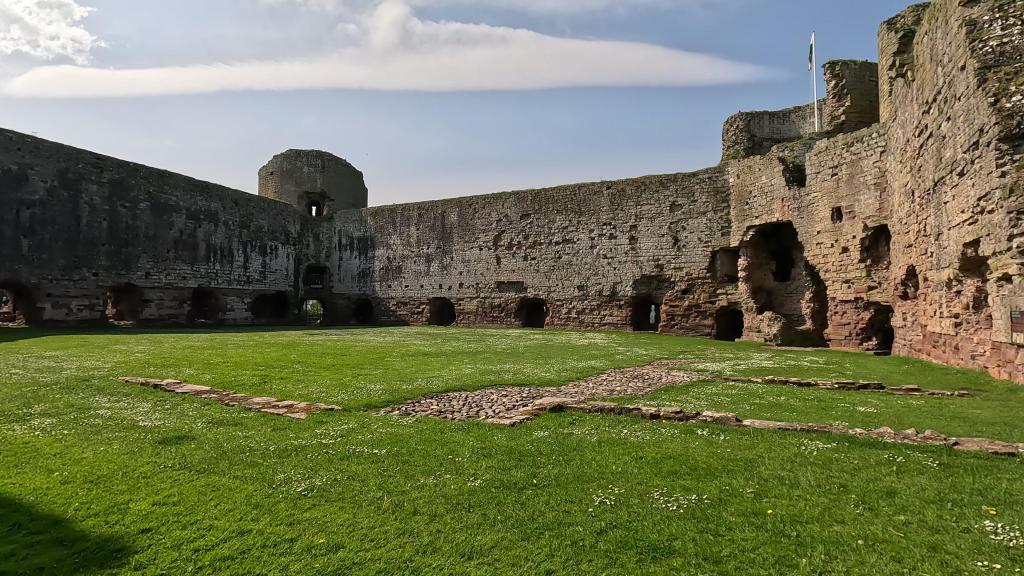
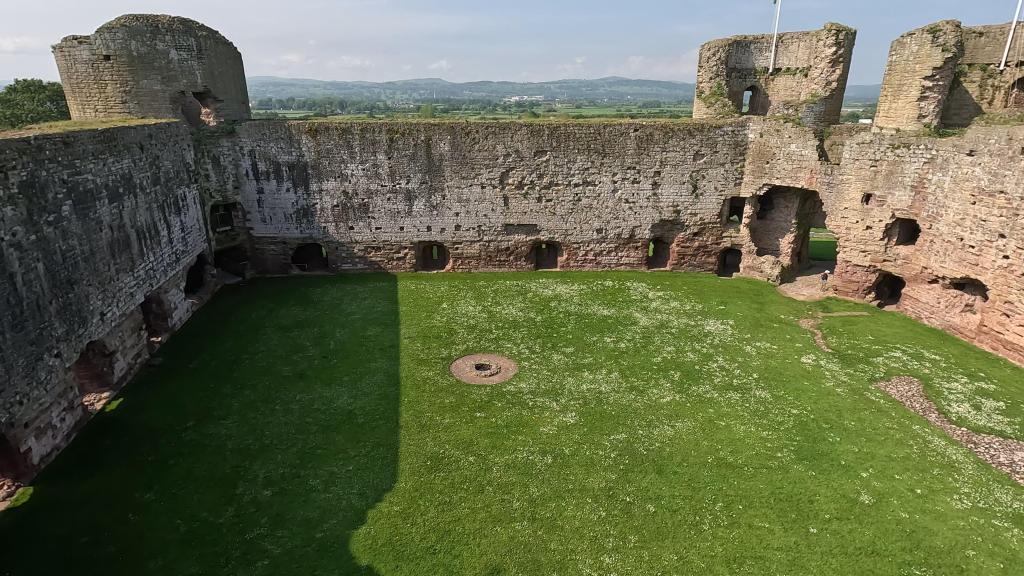
Inside the castle and its inner ward you will be surprised at the prettiness of the site. But just take yourself back to the middle ages and imagine what it might have looked like. It was constructed in a diamond shape with twin towered gatehouses at eastern and western angles. Quite an impressive feature and when walking inside them you can see just how large and tall they all are and the thickness of the walls is quite intimidating. There are also single towers projecting from the northern and southern angles. All of the towers which would raise a stage higher than the curtain wall were exactly similar in plan, all with four rooms in each, although the southern tower also had a basement.
Although yes, the inner ward looks bare today, it would have originally been full of timber buildings, providing more additional accommodation as well as the service buildings, for places like a great hall for the king and queen and service rooms like kitchens and stores for the castle. The outer defences are infiltrated by turrets and sallyports leading from the outer ward. In this respect the castle is an authentic killing machine, designed not so much to hold ground, but to entice an enemy to attack it and be destroyed.
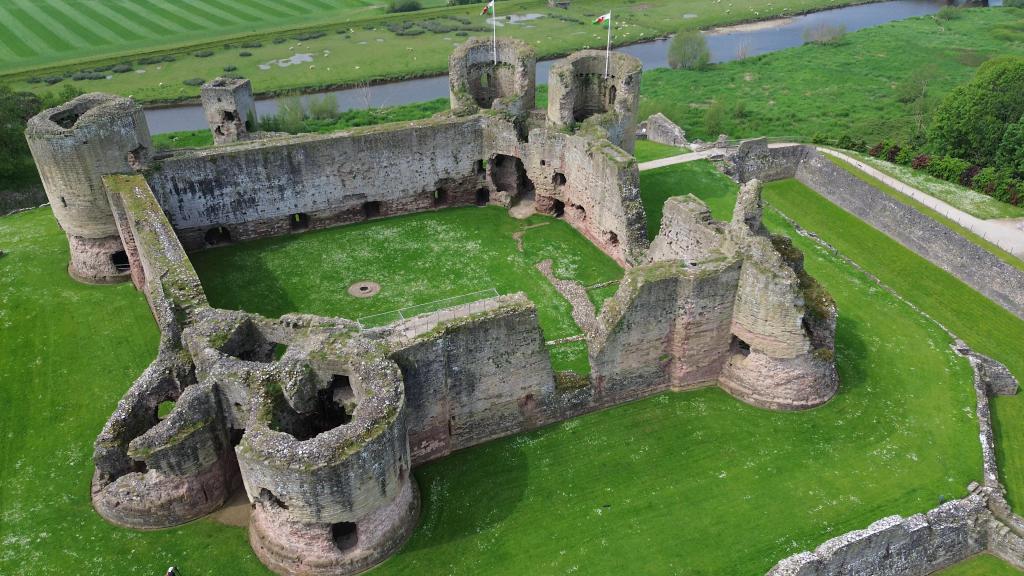
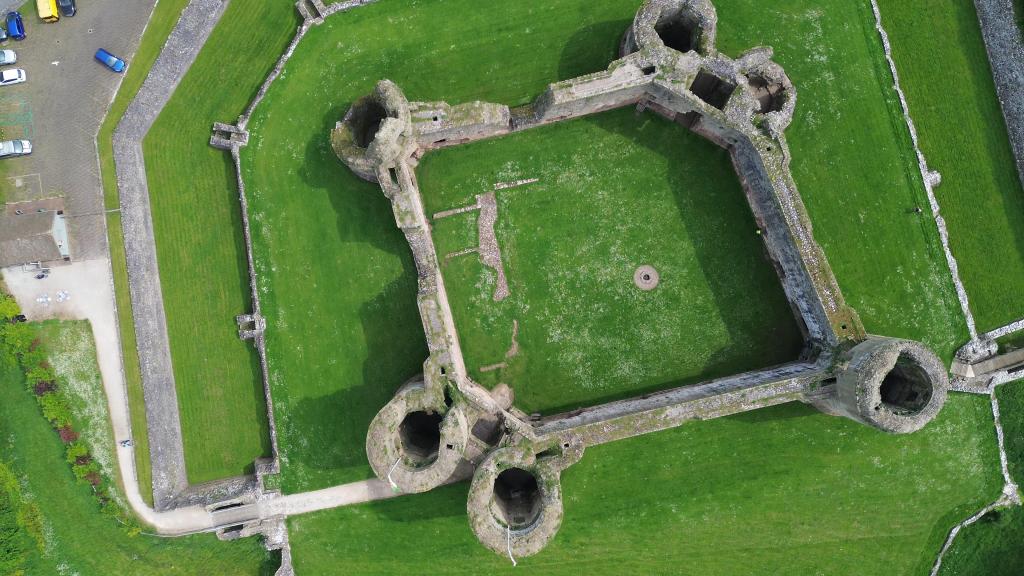
The ruins are mostly intact, with no thanks to Cromwell, who ordered it to be partially demolished. There are A few towers to pick and climb now on modern stairways, which really are worth it for the views across.
What sets this site apart from others in terms of amenities is the small shop with some of the most helpful and welcoming staff members, the whole site is cared for and ran by Cadw who do a fantastic job. There is also a fairly big car park with easy access to the castle and some wheelchair accessible paths and routes which again the staff are more than happy to tell people about.
All in all, a visit here is a wonderful stop off whilst exploring Rhuddlan itself or the seaside town of Rhyl and Prestatyn or venture along to Colwyn bay for more exciting and wonderful visits in North Wales.
If you liked the blog please hit that like button, watch the full video below and consider subscribing if you haven’t already.
Till Next Time!
 Pinned on Places
Leave a comment