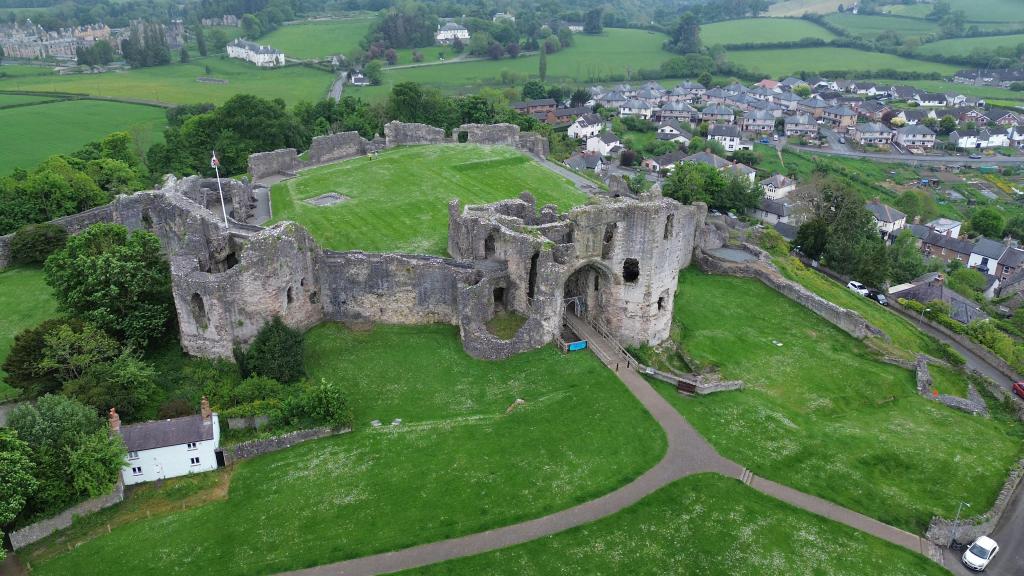
We continue to explore the iron ring of castles built around North Wales by King Edward 1st where you’ll have the chance to walk the remains of one of only three Edwardian castles in the North east of Wales and explore the true extent of the violence that consumed the area during the welsh wars of the 13 and 14th century.
The name Denbigh in Welsh comes from ‘little fortress’ and has been on records since the 11th century. The medieval walled town very much developed around the building of the castle. Denbigh was amongst the richest towns in Elizabethan Wales and was a powerhouse of culture and enterprise.
Like it’s sister castle at Conwy, it was a fortress that incorporated a planned town, walled and largely exclusive to English immigrants, at least initially. Denbigh, built as part of Edward I’s 13th century campaigns against the Welsh, was constructed by Henry de Lacy, one of the king’s chief commanders. It was by no means the first stronghold to occupy this strategic site: as if to emphasize its English dominance, the castle was built over the stronghold of Dafydd ap Gruffudd, the Welsh leader who was crushed by Edward in 1282.

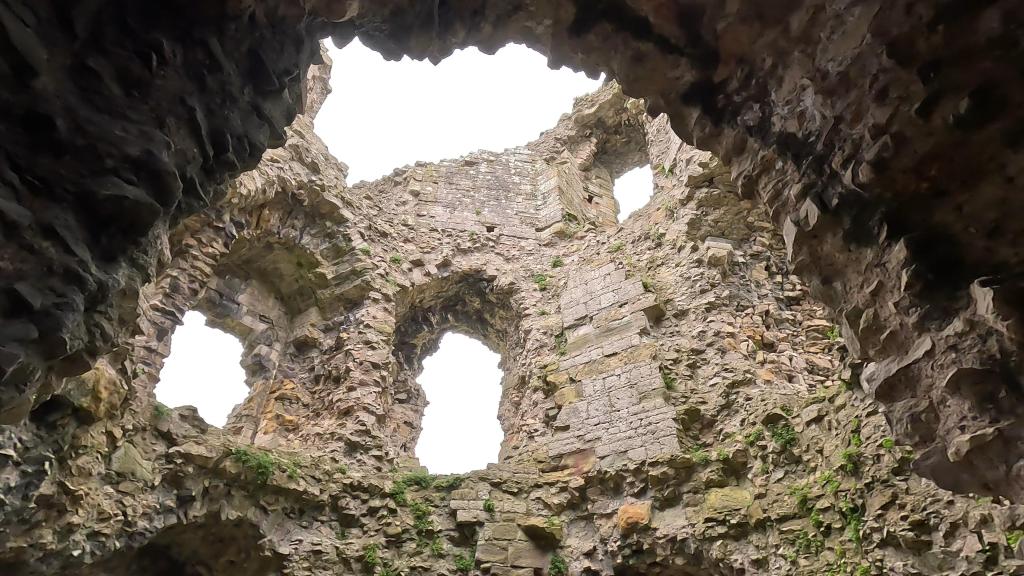
Upon entering the site you are met with the mighty and highly elaborate gatehouse, built sometime in 1286 shows similarities with the mighty castle of Caernarfon, as does the Red Tower directly to the west of the entrance. The gatehouse still has the remains of a statue in a decorated niche directly over the entrance, and this is probably an image of Edward II and mirrors such decoration at Caernarfon. We also see changes in the type of stone used, from limestone to the distinctive red sandstones.
The main element of the castle was a powerful gate complex called the Great Gate which we are in now. It consisted of an unusual arrangement of three polygonal towers arranged in the form of a triangle, between which a passage was made, headed by a short fore gate from the town side. The gate was built with decorative wall stripes in various colours, which were probably supposed to symbolize the royal authority of Edward I. The design is quite unique, and it was equipped to be extremely defensive – the passageway leading through it is peppered with ‘murder holes’, or chutes down which defendants could pour boiling oil or other nasties.
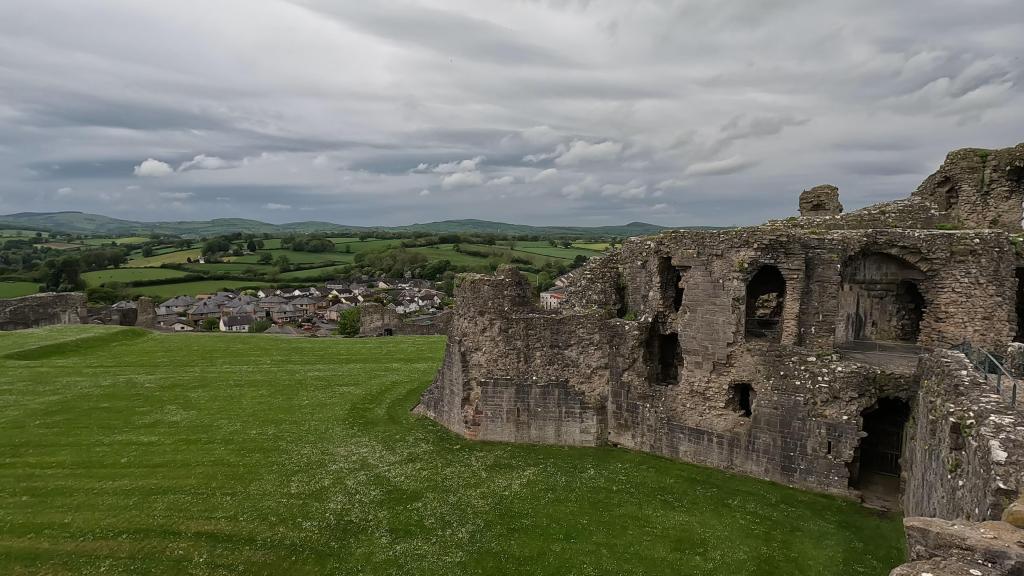
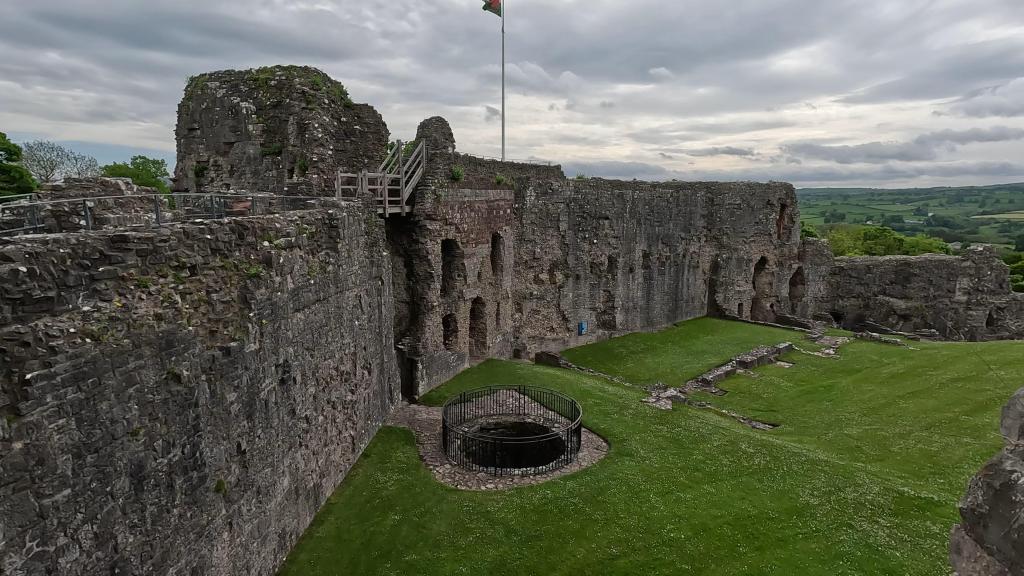
This first tower on the north-west tower was called the Prison Tower. A long, diagonal corridor led to it from the entrance at the courtyard. The other two towers were very similar in design, both being approached by the ground floor from within the courtyard, The Badnes Tower, which name came from the name of the constable, had a basement and three floors, while the ground floor equipped with a latrine and fireplace served residential function and finally the porters lodge tower on the left is very badly ruined and seems to have been much plainer in its arrangements.
A short flight of medieval stairways leads up to the gatehouse second floors and onto the wall-walk that has been preserved for people to enjoy. The wall walk is now usable by modern explorers to overlook the Kitchen Tower as well as to experience more of the wonderful views of the surrounding countryside and the fine castle. High atop the curtain wall, we can appreciate the value of this site to the castle’s medieval builders; for any unusual movement certainly would have been noticed
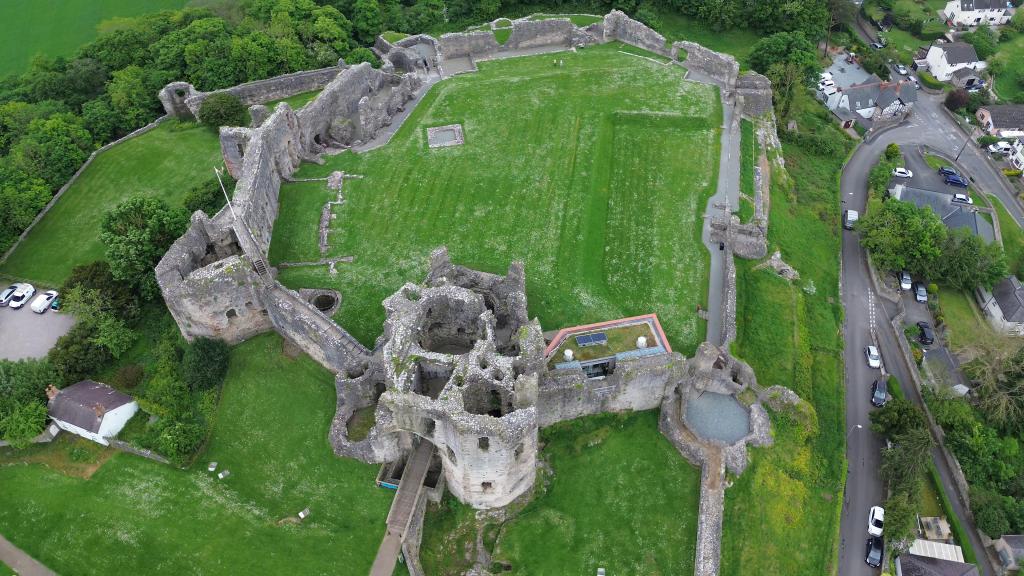
I have to say at this point of exploring these were some of my favourite views. Especially having the chance for an aerial view of the gatehouse entrance and seeing what the garrison of the castle would have to observe for any unwanted guests and be ready for action at any point in time. Particularly in this area you can see a small tower that is the only reminder of the medieval chapel that once offered services to the castle and the town. Better known as St. Hilary’s, the chapel stood almost midway between the castle gatehouse and the northernmost face the towns walling. Sadly, only the fine fortified tower survived the demolition efforts of 1923.
Not only do you get to view the gatehouse on a different level and see the expanse of the area and in the distance see the beautiful mountain ranges, you are able to peak inside the kitchen tower, a tower essential for this castle and any castle ever built. It was needed to feed the lord, his family, his guests, soldiers and servants. Here at Denbigh life in kitchen would have been very organized, similar to a modern day restaurants there was a chain of command. Although in the middle ages only men would do the cooking, by using the huge open fires and ovens roasting meats. Looking down you’re able to spot the large chimney flue. The dishes served here were lavish dishes of meat, fish, vegetables, game and sugary sweet desserts.

Now making our way across the vast green inner bailey, we spot the well of the castle. As a visitor I always find it fascinating having a look how deep some of the wells get, this one here is quite impressive, at 15 metres deep. It’s said that it was here that Edmund de Lacy, the eldest son of the castles builder Henry was reputed to have tragically fallen to his death and drowned in the castle well. From the well, you would imagine that the kitchen tower would be close by, entering inside it’s quite mind blowing just how sizeable these towers once were, but they had to be, in order to provide to the entire castle.
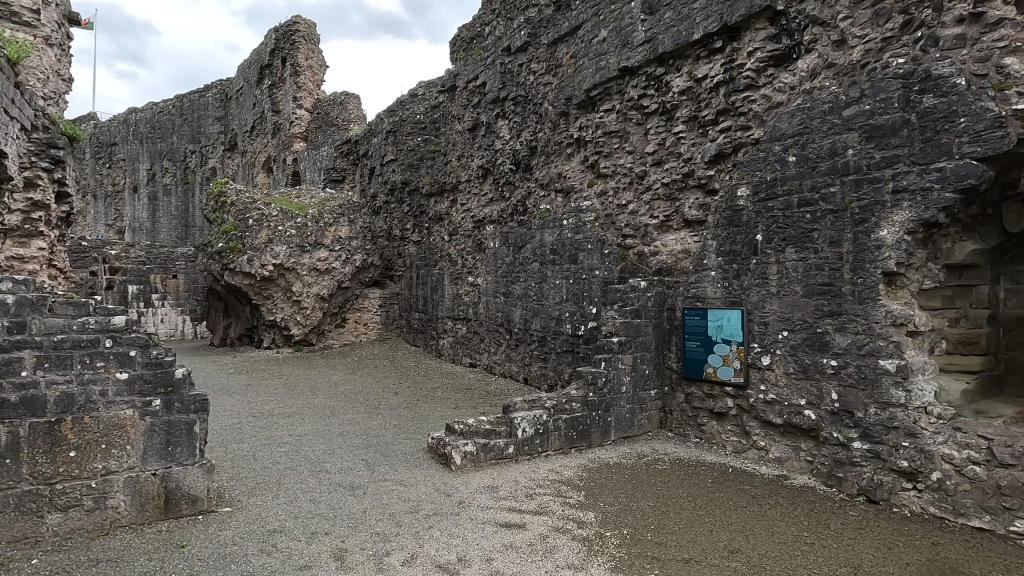
One of the final buildings we find ourselves visiting is that of the oddly named Green chambers, built against the southern stretch of the east curtain wall and possibly date to around the mid 14th century. The name alludes to the use of a certain type of stone that was used inside this chamber, which had a greenish tinge. Above were the green chambers, which were the private apartments of the ruling lord. Of course you would expect like much of the other castle interior it would have been luxuriously furnished with only the very best.
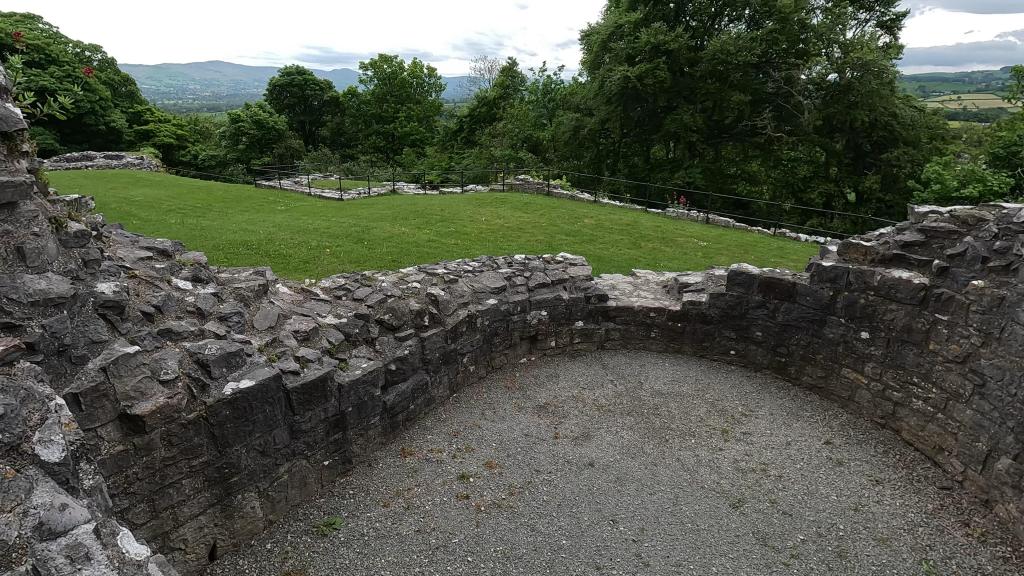
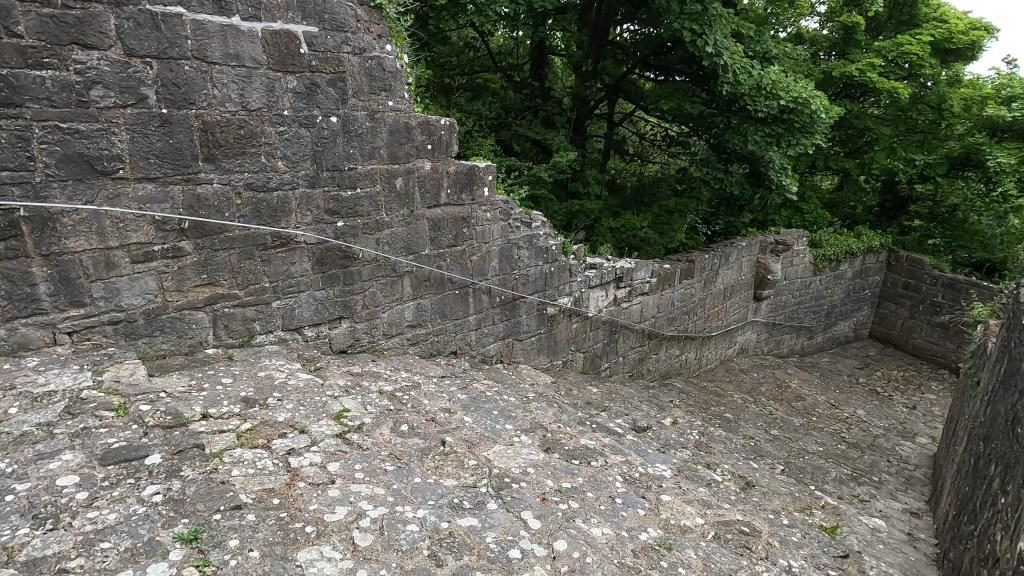
Spanned by a very steep modern footbridge are the remains of the deep pits and footings of the medieval drawbridge. The bridge slopes unsafely to the ruined Postern Gate, the lowest gateway into the castle. Anyone passing through this gateway from outside the castle walls was forced to turn abruptly to the left when seeking access. The unusual plan was intended to confuse enemy soldiers, whose disorientation would expose them to the garrison’s firepower. Today, we are instantly and almost unavoidably hurled down the incline toward these creatively constructed defenses.
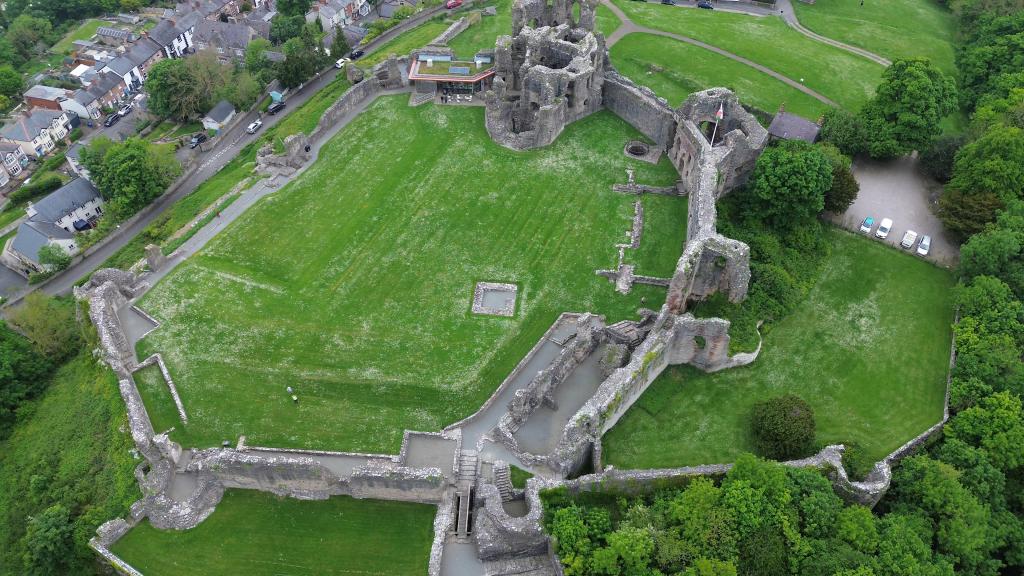
Nowadays, Denbigh is a quintessential market town with a working community set in the breathtakingly Vale of Clwyd. It sits under the ruins of the castle and has more listed buildings than any other town in Wales, part of Denbigh’s medieval street pattern can be seen clearly on the Back Row which gives a flavour of its original ambience. Make sure your visit to the castle is teamed up with a visit to the historical market town just mere moments from here.
If you liked the blog please hit that like button, watch the full video below and consider subscribing if you haven’t already.
Till Next Time!


 Pinned on Places
Leave a comment