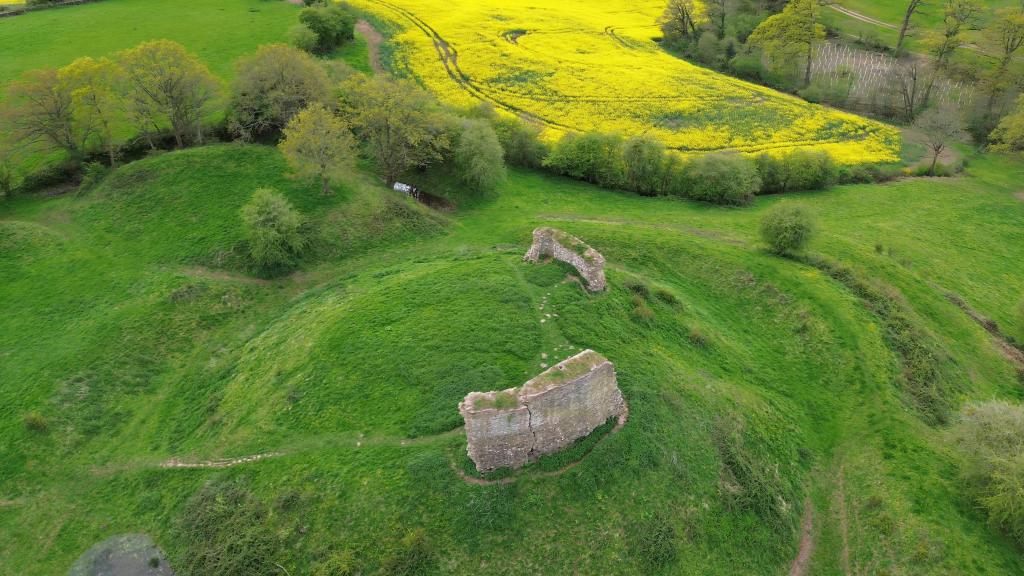
Today we explore the beautiful Church of St Mary and St David and visit the remains of Kilpeck Castle, lying in Herefordshire in the west midlands, around 7 miles from Hereford, 25 miles from Gloucester. Both these sites tell a story of significance and its origins, so join us as we take a wander.
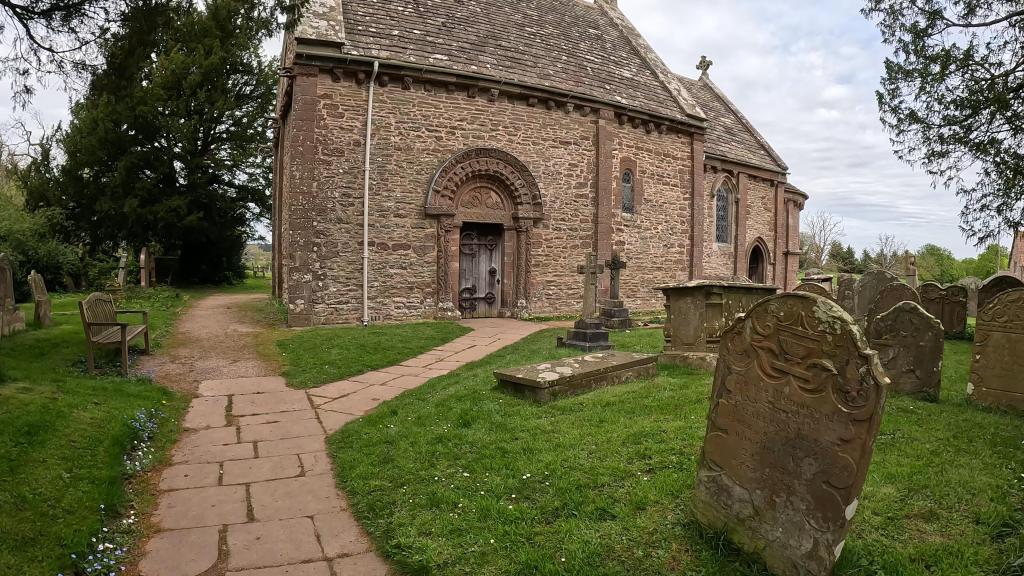
On first glimpse you spot the small church from whichever way you come into Kilpeck village, looking absolutely beautiful but you wouldn’t believe that this church is known as the finest Norman church in England, but it all makes sense as soon as you approach the entrance with its outstanding Romanesque sculptures and the south door that will overwhelm and take over your senses.
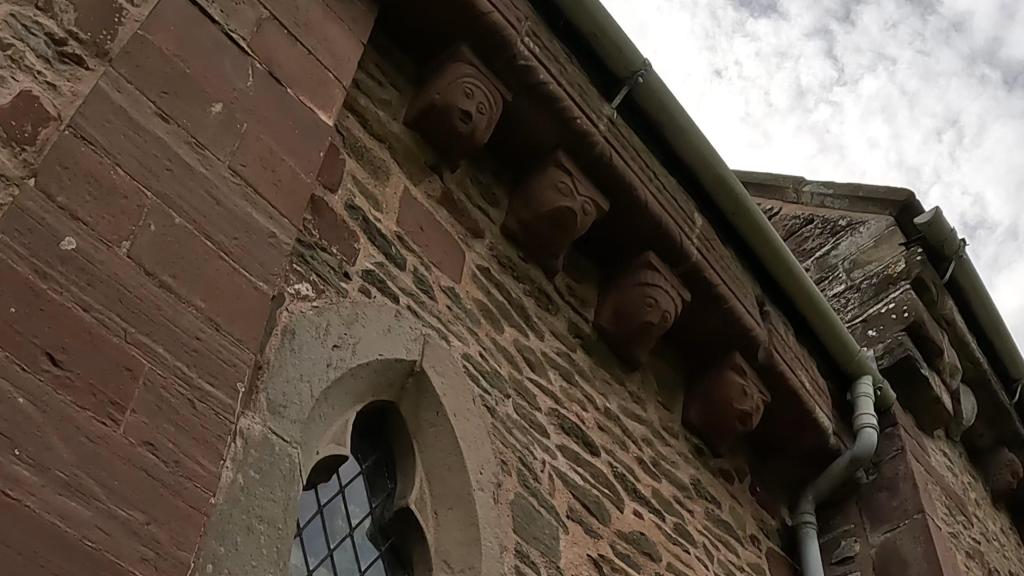
The church of Kilpeck was built around 1140 during the Norman period. In those days powerful barons held large areas of land for the king and provided knights to fight for the king, the knights would then form a new upper class, which were very much lords in their own villages, such as Hugh de Kilpeck, who was the patron of Kilpeck church. An interesting fact is here at the church there are over 20 corbels that portray human heads, the Celts beheaded their enemies but they respected the heads by displaying them, apparently this was to do with the belief that they retained and controlled the power of a dead person.
On the other end of the social scale was peasants, which unfortunately life was very tough for them, many of them wouldn’t leave their village, around ¾ of them would never leave the village of Kilpeck, the other ¼ would venture into the local market town of Hereford but that would be it, that would be as far as they travelled in their entire existence.
The Catholic Church was at the time the most important and powerful institution, everybody was a member of the church and near enough everybody believed in god, but If they didn’t they would be punished or faced heavy fines. Apart from the clergy or the nobility, very few people could read or write and so apart from sermons in the church, only visual images and messages would help educate those who could not understand. Common people were quite superstitions, uneducated and illiterate. Their fears and believe in evil spirits and beasts were widespread and the church would use this to be able to control their church goers.
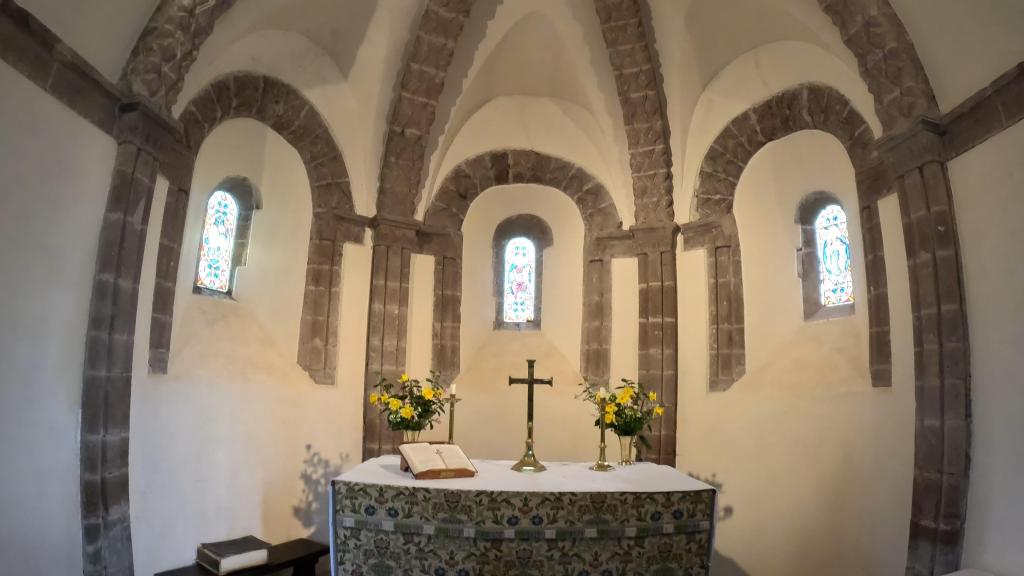
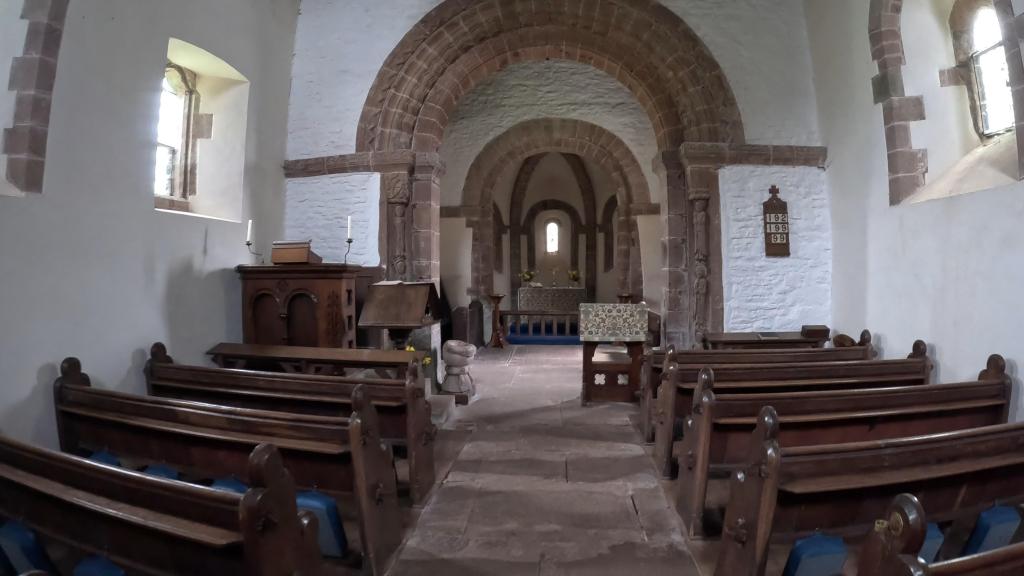
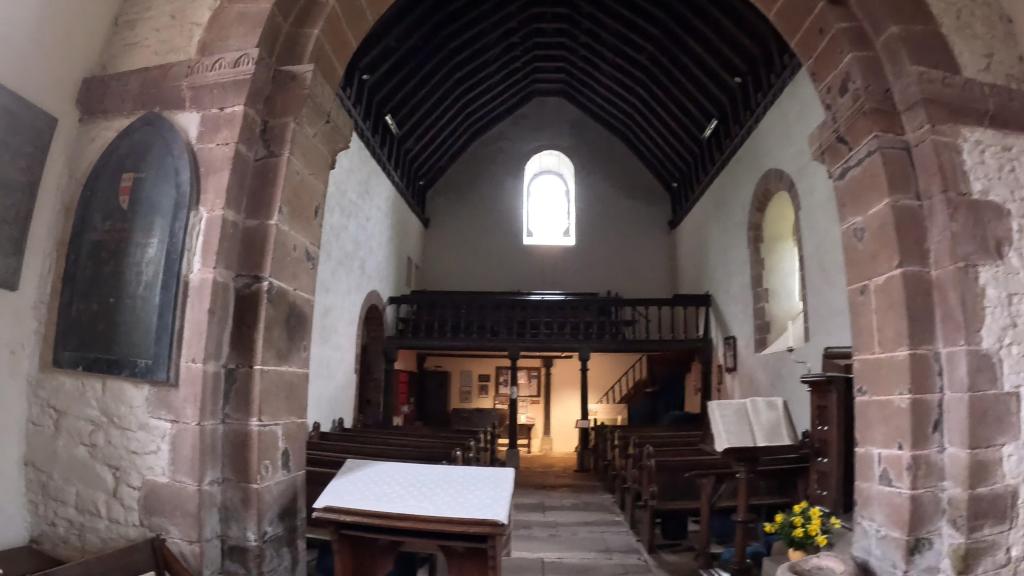
Whats great about kilpeck church is the array of decorative features here in and outside the church. On the exterior, there are 89 carved corbels of Celtic, Scandinavian and Anglo Saxon influenced grotesques, monsters, warriors all with Christian iconography. Some of my personal favourites were the pig poking out its tongue and the hound and hare. What I really enjoyed about seeing these corbels is the incredible detailing that went into every single one all with different meanings and purposes.
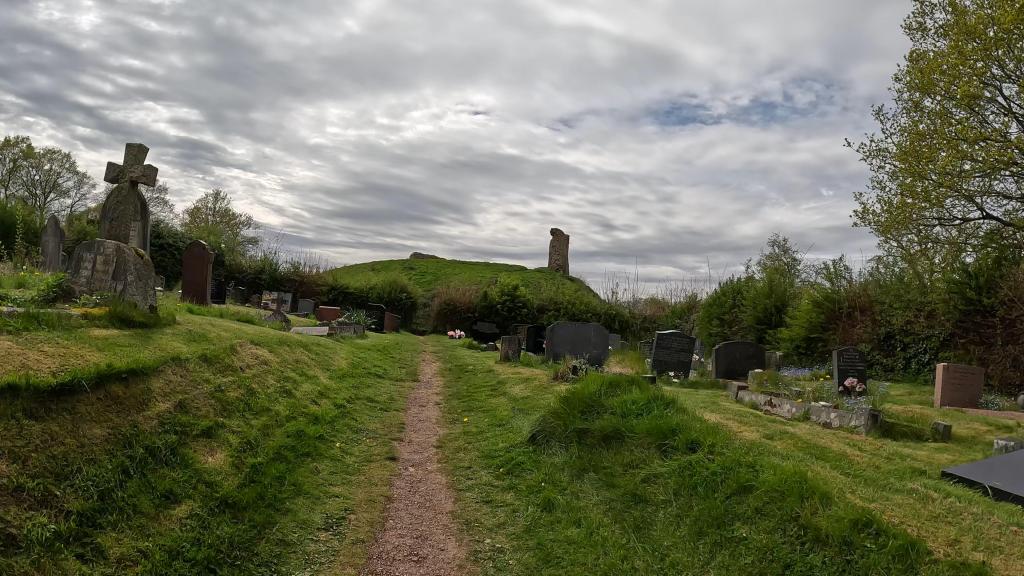

Just a short moment away from the church is the ruined motte-and-bailey castle with its earthworks which were probably first established around 1090, as the administrative centre of the surrounding area of Archer field. There are also traces of a lost medieval village immediately to the east of the church.
This area was part of the Welsh kingdom until it fell under the control of the Anglo-Saxon kingdom of Mercia from the ninth century. After the Norman Conquest, Kilpeck was in the Welsh Marches – the border region controlled by Anglo-Norman lords – and became a part of Herefordshire in the sixteenth century.
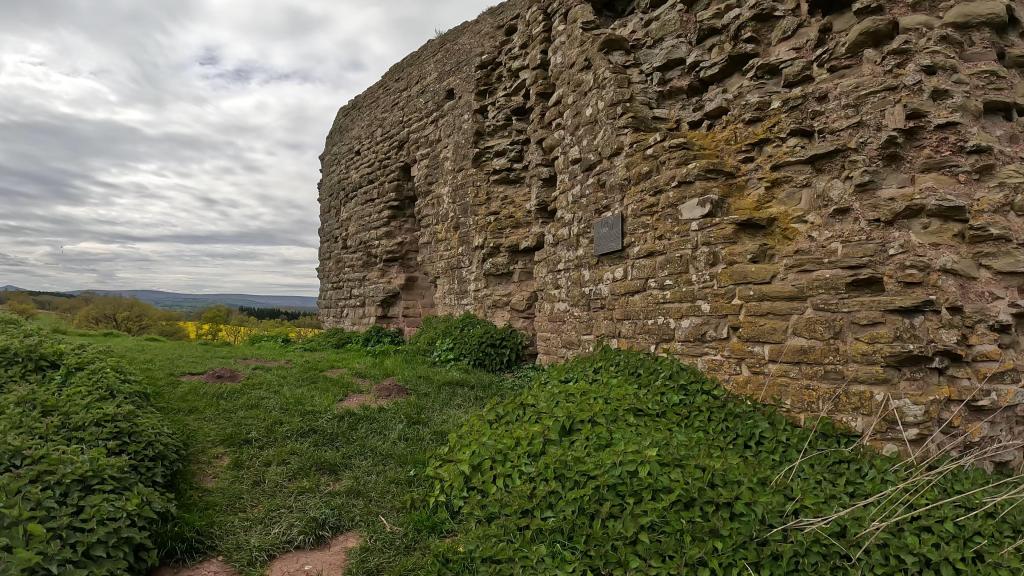
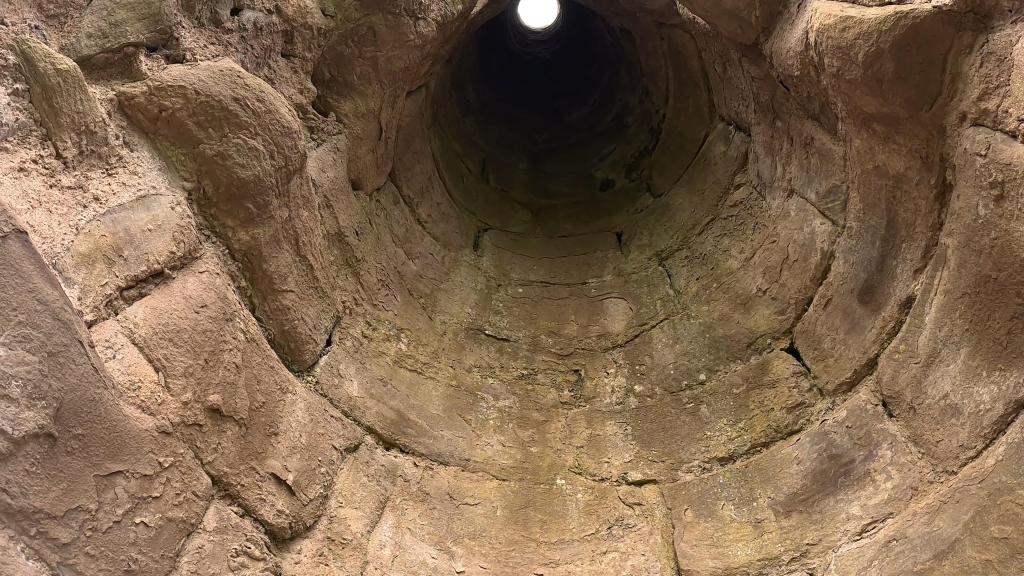
Now as we visit the castle hardly anything remains, although the views from above show off the scale and its surroundings more in detail. Intrestingly if you were standing here at the site of the castle you would be able to experience the hustle and bustle of a busy thriving market medieval village full of people going about their daily lives. The manor of Kilpeck was given by William the conqueror to William Fitz Norman who began building the first castle in timber around 1090 as mentioned earlier, Kilpeck was once quite prosperous and grew rapidly in the coming months, the castle was rebuilt in stone as a polygonal shell keep in the first half of the 12th century, along with a stone walled bailey, with some additional baileys and a planned yet defended medieval town and of course a fine Romanesque church.

A short path leads to the fortification, which is also reachable via a gate at the rear of the churchyard. The two wall remnants stand on top of the motte, which is about 170 feet in diameter, up to 27 feet high, and circled by a ditch. To the east was the crescent-shaped inner bailey, now partly occupied by the graveyard, and all was enclosed by another, deeper ditch, or moat, now mostly lined by trees. At least three other, outer baileys once existed, to the south, north and west, the latter bordered on the far side by a stream running through a shallow valley, which afforded additional natural protection. Two sections of the wall survive, both about 30 feet long and 15 feet tall. Although minor, the ruins are quite photogenic, especially when set against the extensive countryside below to the west.
If you liked the blog please hit that like button, watch the full video below and consider subscribing if you haven’t already.
Till Next Time!
 Pinned on Places
Leave a comment