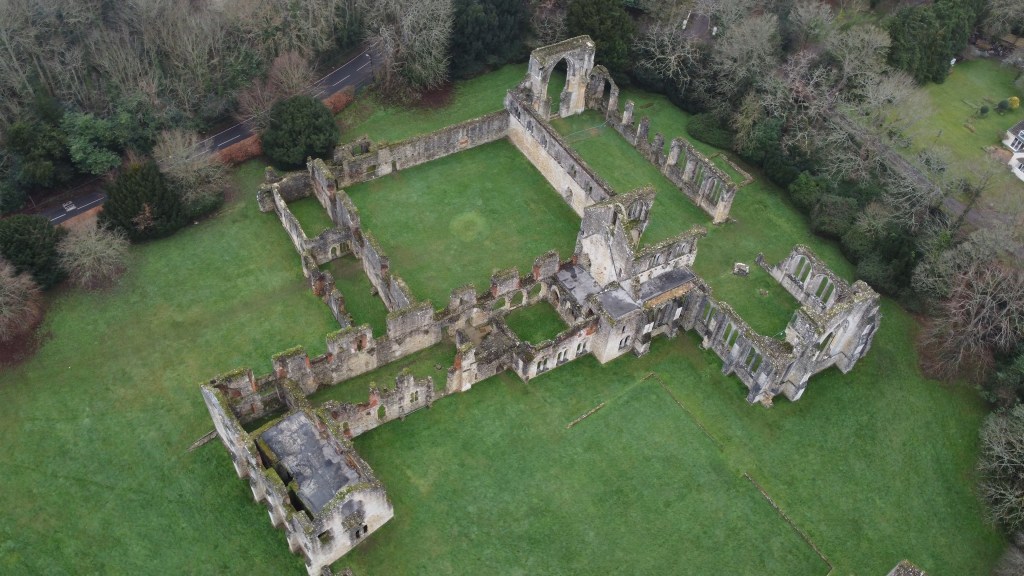
Today we drove to the outskirts of Southampton, in Netley, a small village south in the UK, where we spent an afternoon at the stunning Netley Abbey. There is an abundance of beauty and history connected with the Abbey, which makes for such an interesting visit, and one you would hate to miss out on, so join us as we wander around.
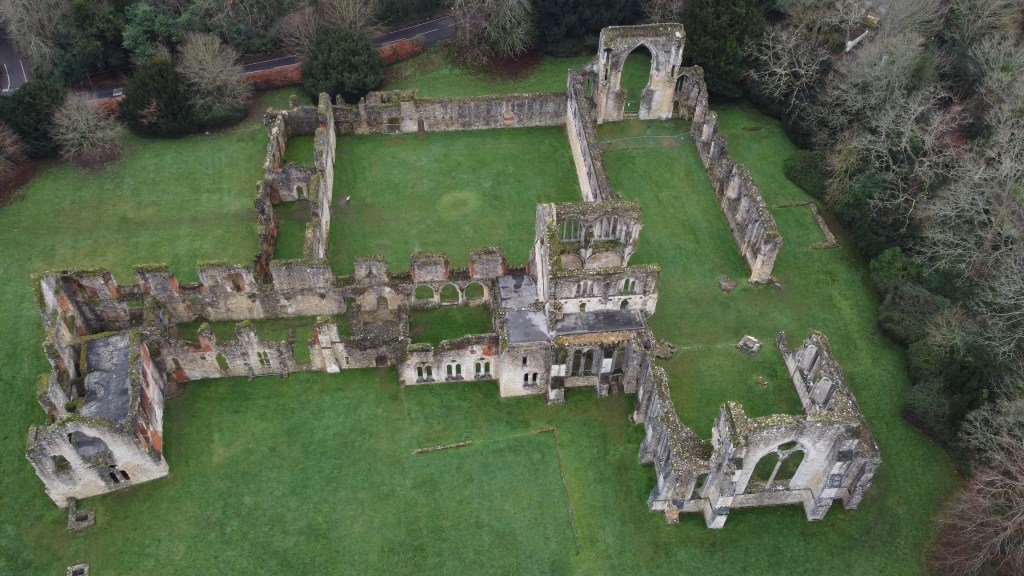
The building itself is a ruined gothic medieval monastery; it was founded in 1239 and used primarily for housing monks from the Cistercian order. With over 800 years of change the abbey was modified from a monastery into a medieval house and now a romantic ruin. The abbey was founded relatively late in comparison to many of the other English monasteries although the history is similar. Featuring a grand cruciform church, adjoining square cloisters and flanked by other buildings that included a chapter house, living quarters and a warming house.
Unlike many of the other catholic centres ,the buildings here were not abandoned or demolished, instead they were given to one of the King’s Ministers, Sir William Paulet, who then converted them into a country residence. It wasn’t until the start of the 18th century an after many of ownership that the abbey at Netley was abandoned, then partly demolished and now what’s left became a beautiful ruin that we visit today.
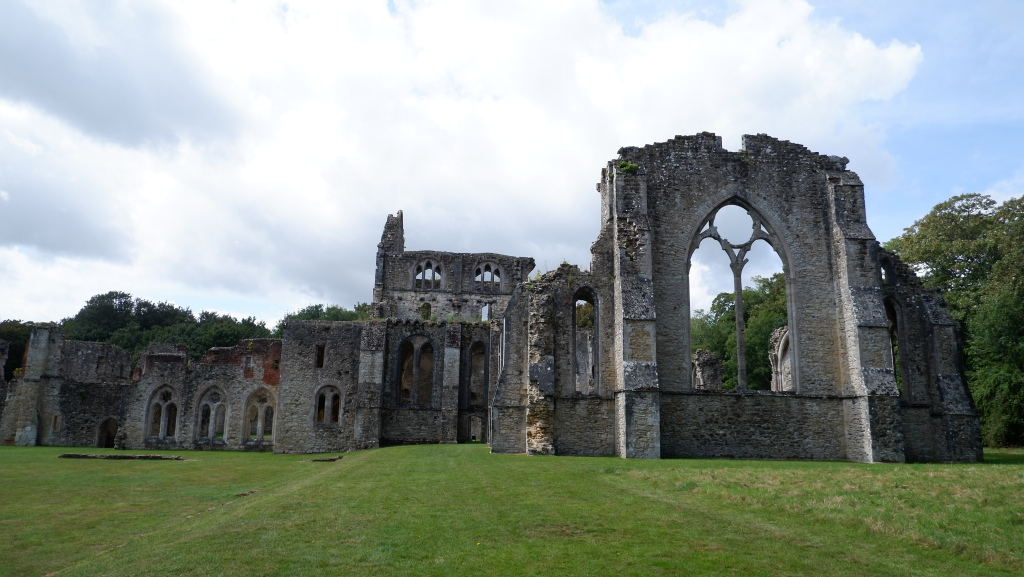
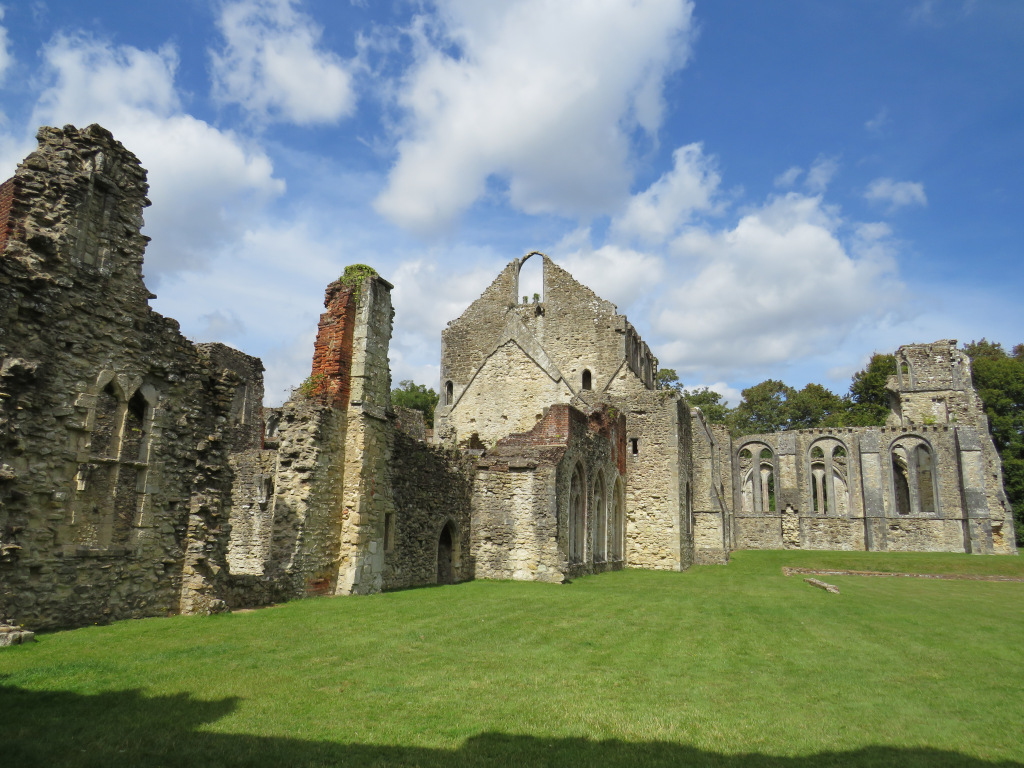
During the romantic era, the ruin became an inspiration for painters, artists and writers from its overgrown site with foliage and untouched trees this had a similar likeness to how it looked back when the monks lived in the abbey in 1536. It’s believed that most of the additions that William Paulet made were removed from the abbey in the 19th century in order to create an idealised example of a medieval ruin, although what is fantastic to see is the traces of his work still here.
Rooms and buildings along the west side of the cloister include the lay brothers accommodation; these rooms have amazing architecture which includes the monastery entrance. The grandest of the buildings are all on the east side of the cloisters, this includes the east wall of the chapter house, which has three large arches at the front, which then joins onto the library and parts of the south transept of the church, it then leads onto the most impressive and grandest part of Netley Abbey, which is the church.
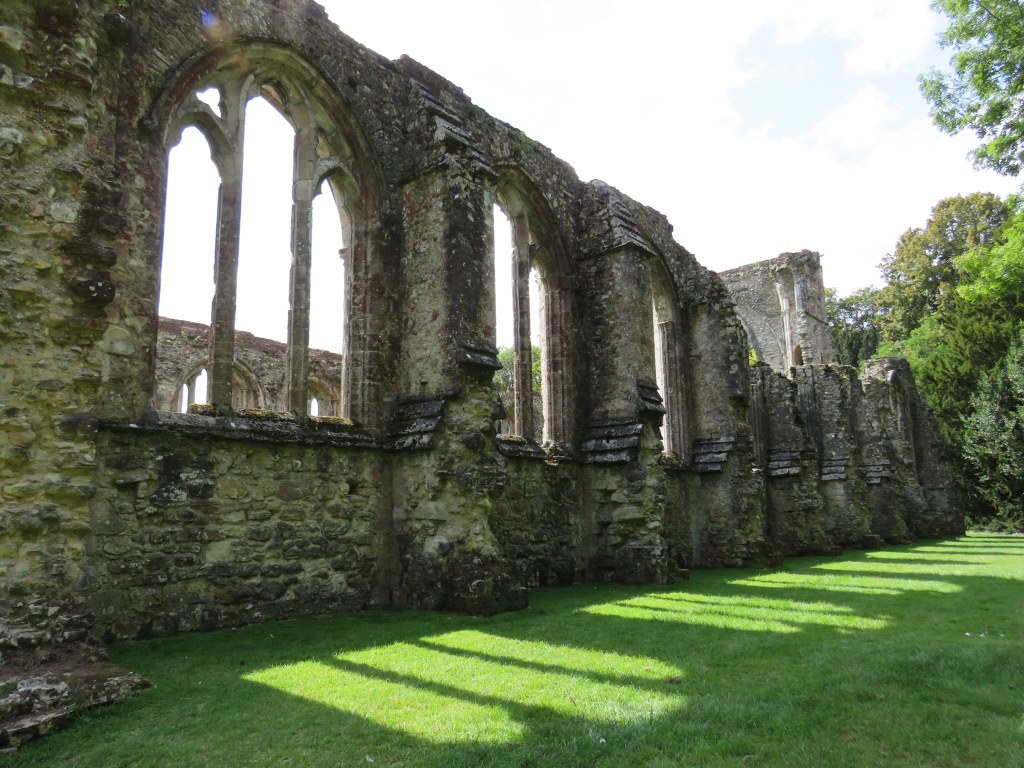
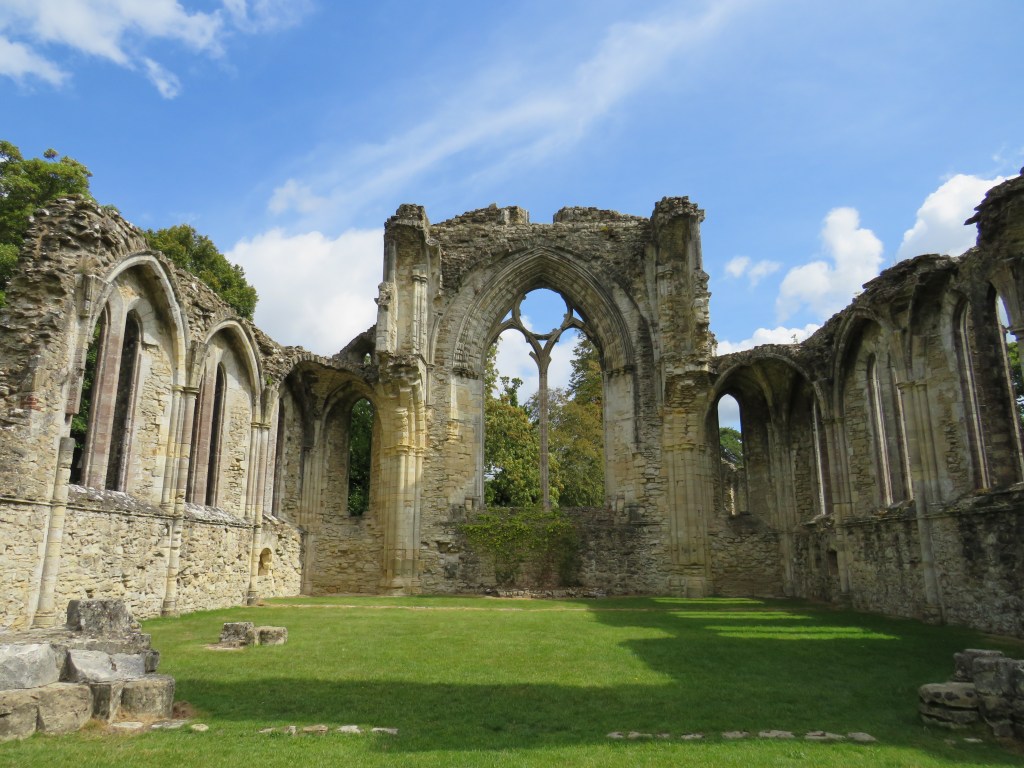
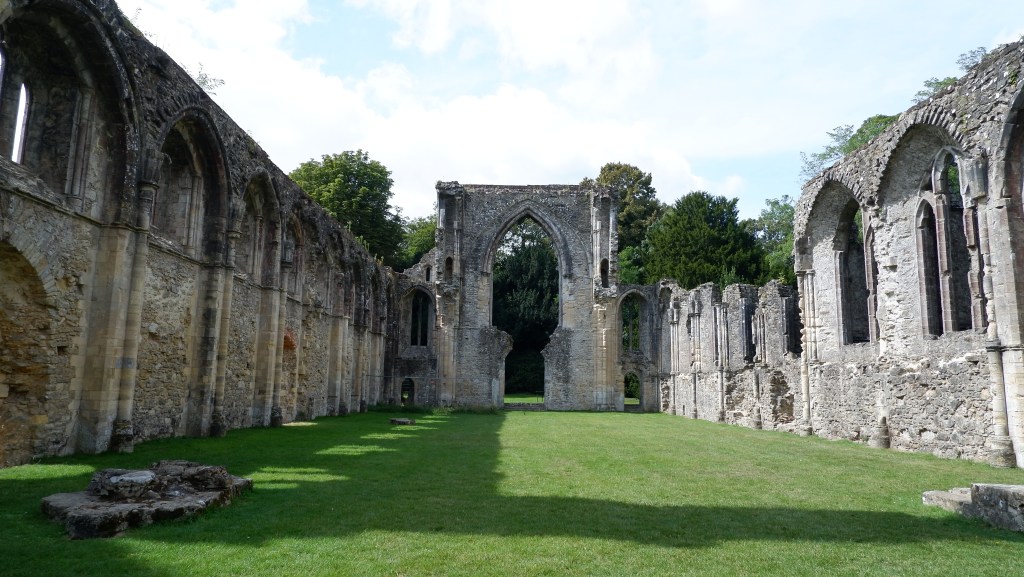
It has a familiar layout that is used by most from its time; a nave, a choir and a long north and south transept on either side. Only the north of the transept is completely missing to this church. Its French influenced gothic style of architecture can be seen throughout the abbey and around the east window of the church and the south transept.
These two spots are home of one the most beautiful views here at Netley abbey. The interior of the church would have been richly decorated, the walls would have been plastered in white and maroon with geometric patterns. When you are walking around the different buildings you will come across diverse types of ceramic tiles covered on the floors and designs of foliage, coats of arms of England, France and the roman empire – its really interesting to see so if you are looking around be sure to look out for those.
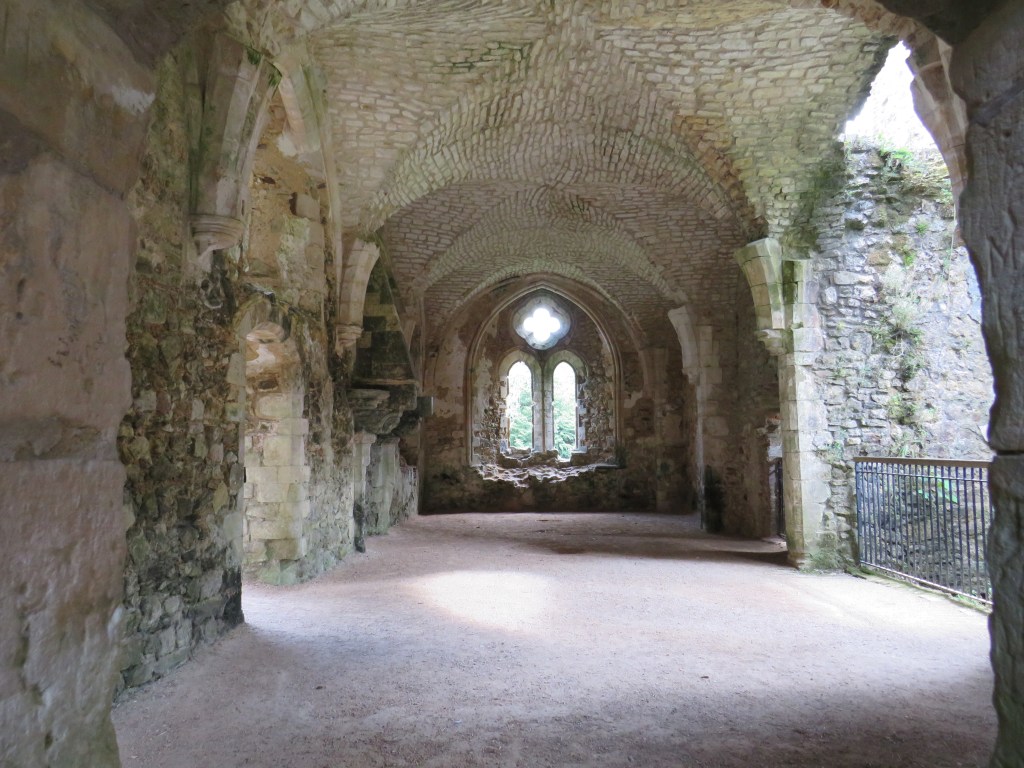
Another building that is rather beautiful is the abbots house. A separate stone building to the east of the main complex, it contained two levels of vaulted under crofts which would have consisted of bedchambers and a private chapel. There is something curious about these lodgings, they are hidden away but beautiful and what a view you would have from here every morning.
What we personally enjoyed about Netley Abbey was the vast history filled within the ruins. It has a certain charm to it, and walking around you can fill your time and really understand how beautiful the medieval architecture was back in those days and how remarkable and preserved the buildings still are.
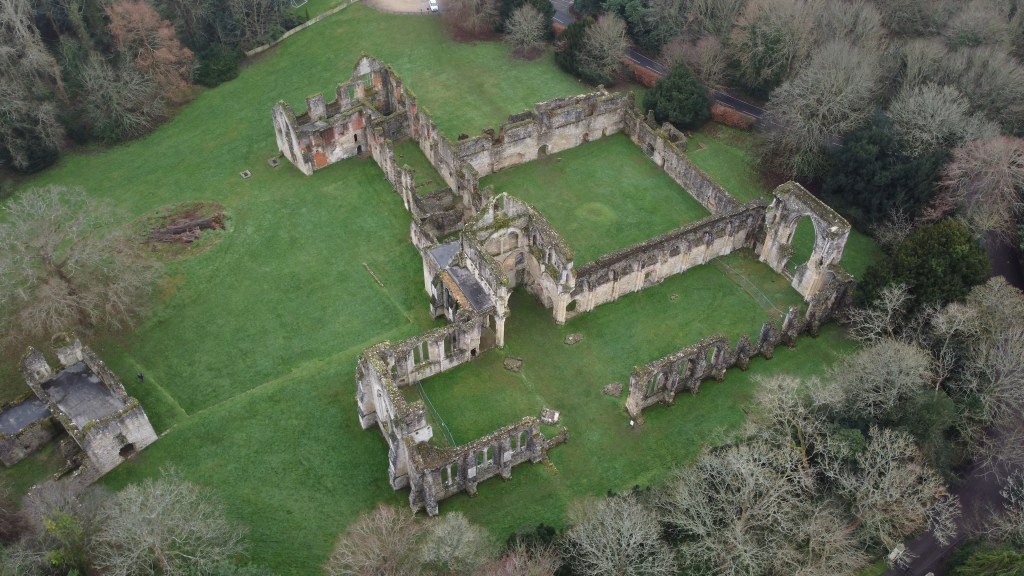
I think Netley is one of those hidden gems, because you don’t realise the scale of the area or of the abbey itself until you come visit and enter through the passageways, where the land is flat and lined around by trees, it is less dramatic to see from a distance but the buildings themselves are some of the most impressive and preserved ruins.
If you liked the blog please hit that like button, watch the full video below and consider subscribing if you haven’t already.
Till Next Time!
 Pinned on Places
Leave a comment