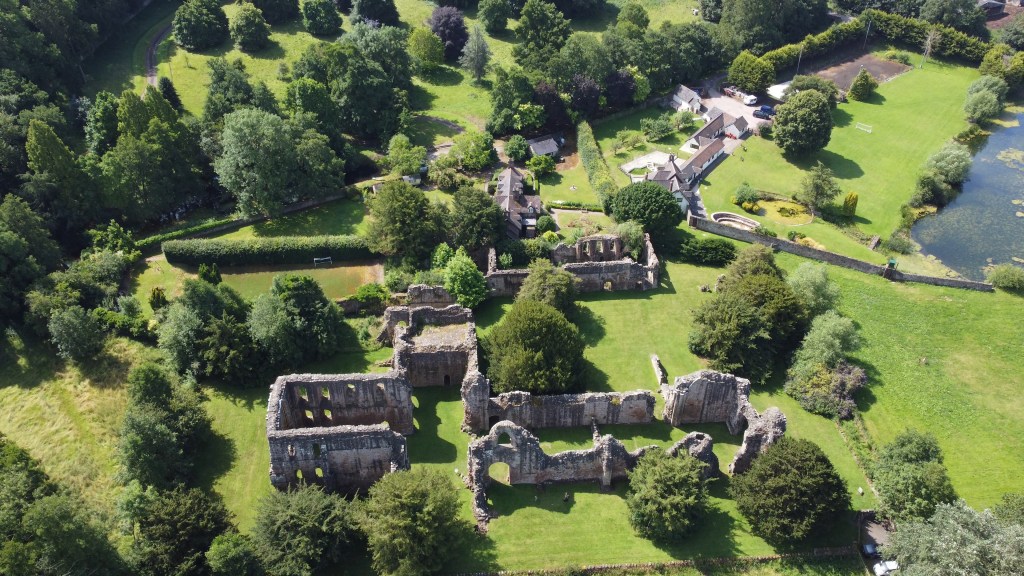
The Augustine abbey at Lilleshall is around 6 miles north of Telford and founded sometime between the years of 1145 and 1148 by the Arrouaisian Order from Dorchester Abbey in Oxfordshire. The extensive sandstone still remains and is now kept by the English heritage who let people explore these ruins for free, set within a peaceful and isolated location amid lawns where you can wander and imagine the black canons doing their daily worship. It’s difficult to associate anywhere as beautiful and tranquil as Lilleshall Abbey with turbulence, violence and hauntings, but it’s certainly had its fair share of all three.

The beautiful ruins of the Abbey sit lonely and unnoticed at the end of a farm track, tucked away in an unexpected, sleepy corner of the Shropshire countryside. The decaying walls of the Abbey are shielded from the nearby road by a line of trees and feel distinctly remote and sheltered from the outside world. Your first viewpoint is that of the still impressive west front with a huge central doorway and round arch, it’s quite striking against the red sandstone wall.
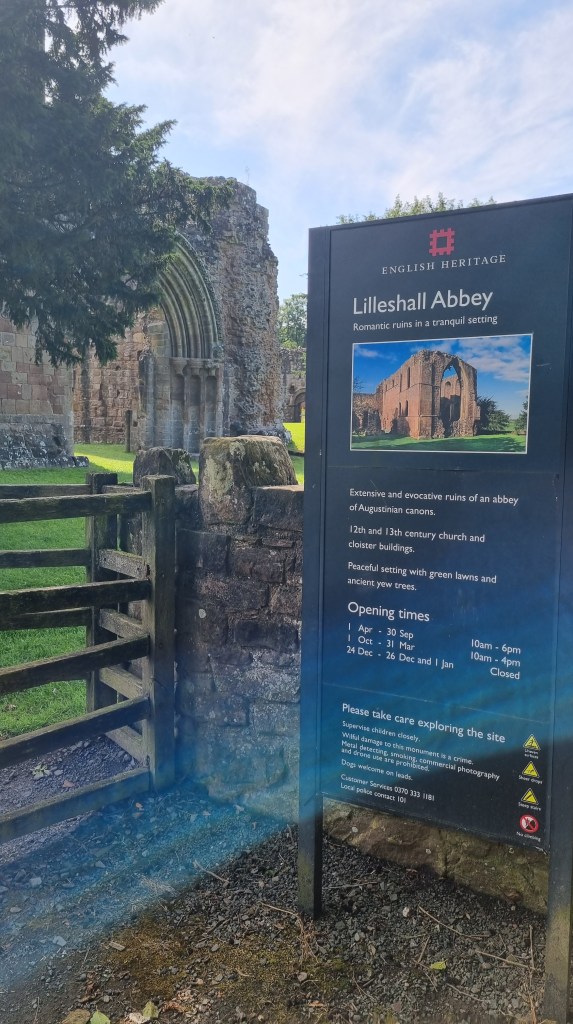
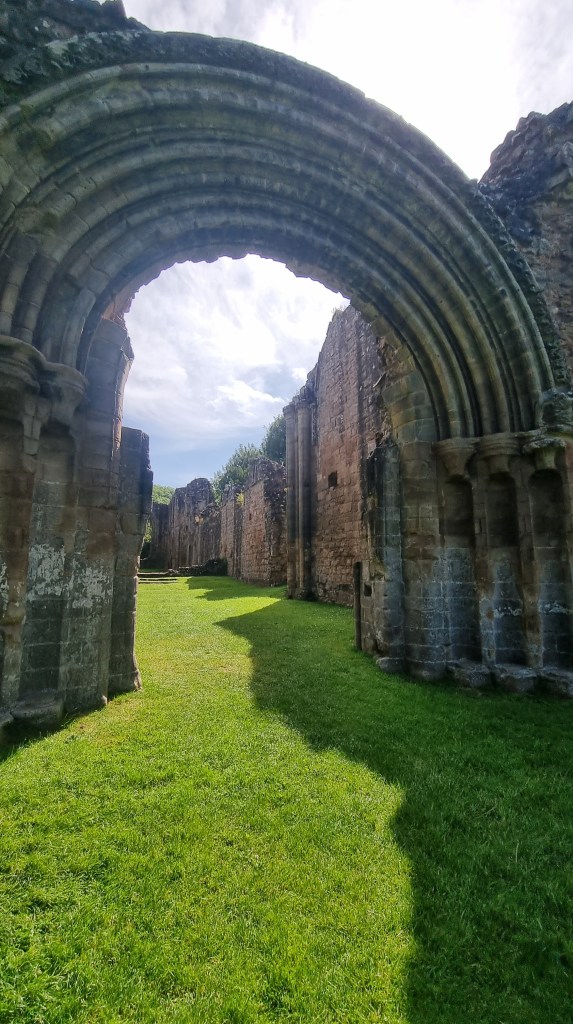

This western end though was finished in the 13th century and the round arch is meant to compliment the earlier work that is visible through the portal. We’re quite fortunate in that we have an abundance of scenic abbeys in Shropshire. Some, such as Wenlock Priory, predate back to the Norman invasion of 1066, but many, such as Buildwas, Haughmond and Lilleshall, were established by the conquering Normans.
Lilleshall was a very wealthy abbey due to its land-based economy. The land was worked both by servants, who were people who were bound to do a certain amount of unpaid work, which may seem a rather UN Christian notion to our modern eyes – but also was worked by waged labourers. The reason for this outsourcing of labour was that, unlike the earthy Cistercians, who worked the land, Augustinian monks preferred managing their assets to getting their hands dirty.
It seems they didn’t much care for matters domestic either: records from the 14th century show that Lilleshall employed two porters, a butler, a chamberlain, two cooks, a baker, a bell-ringer, a cobbler, a washerwoman, a carpenter, several apprentices, a tanner and a brewer. The land owned by Lilleshall Abbey not only provided all its food, it also produced rents and taxes. They abbey was very wealthy by the late 13th century as it drew wealthy from legacies, gifts, farms, watermills and property investments aswell as tolls over Atcham Bridge.
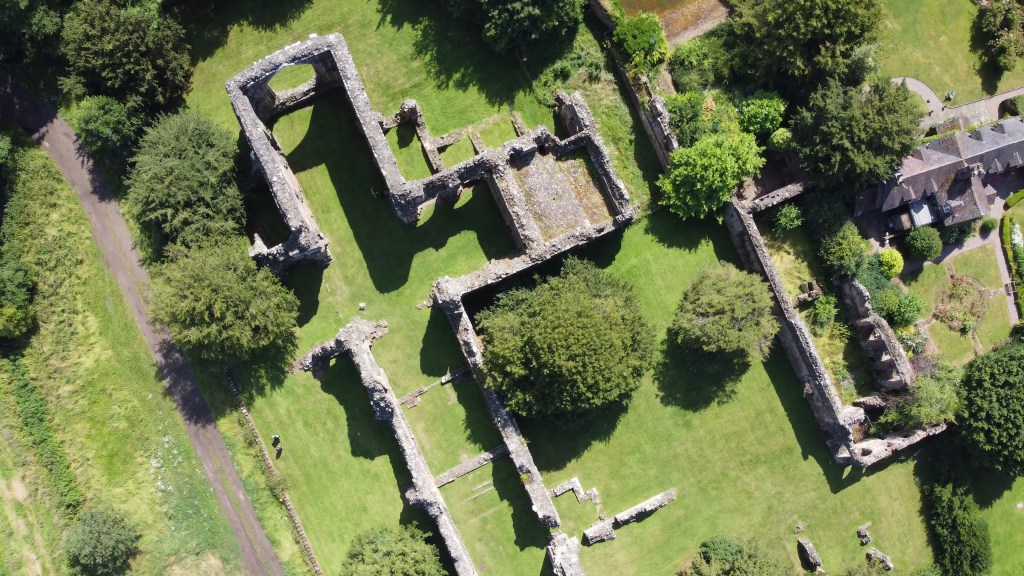
Many of the original structures are no longer in place due to the dissolution of the monasteries, but the main walls of the abbey remain standing. They give a sense of the grandeur that the abbey would originally have had. The abbey church would have been very impressive back in its hey day, in the foreground was the choir, with the canons wooden choir stalls set on either side, although it was difficult to know how many canons were here at Lilleshall. The canons would gather in the choir, seven times a day to celebrate the work of god. These services would run shortly after midnight and continue through to sunset. Further on from the choir, would have been the presbytery. The large windows would have looked just stunning full of stained glass and very impressive.


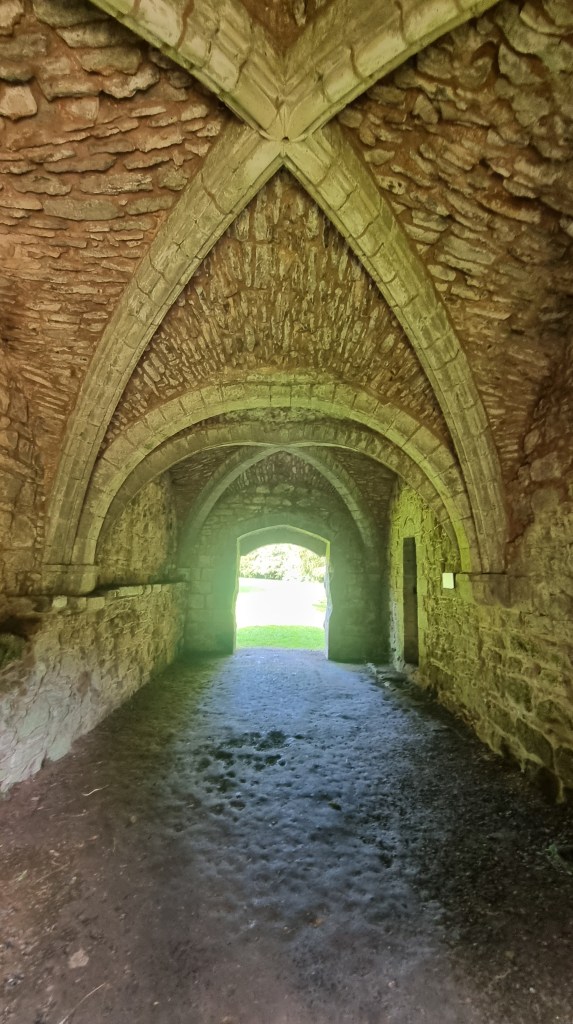
To the south of the church lies the abbey cloister which would have been used as a garden courtyard. The canons would have entered the church through the elaborate doorway that still stands in the north-east corner of the cloister.
The grounds are very eerie, I’ve watched many videos here of people visiting at night and the activity is very high. It’s an interesting one fulled by the adrenaline to see or hear the sounds, but it’s definitely a place where you would be able to enjoy a evening hunting for haunted sprits or have a lovely wander in a tranquil setting during the day.
The Abbey is accessed from a dirt road which has a few parking spaces at the entrance. Overall, a lovely environment for a walk around, with plaques of information and the surrounding countryside to soak in.
If you liked the blog please hit that like button, watch the full video below and consider subscribing if you haven’t already.
Till Next Time!
 Pinned on Places
Leave a comment