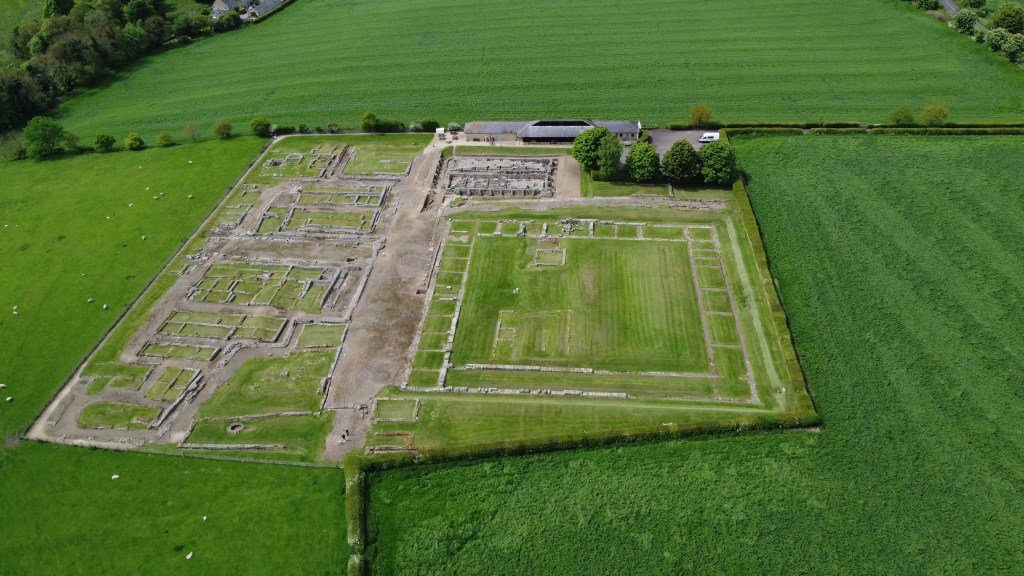
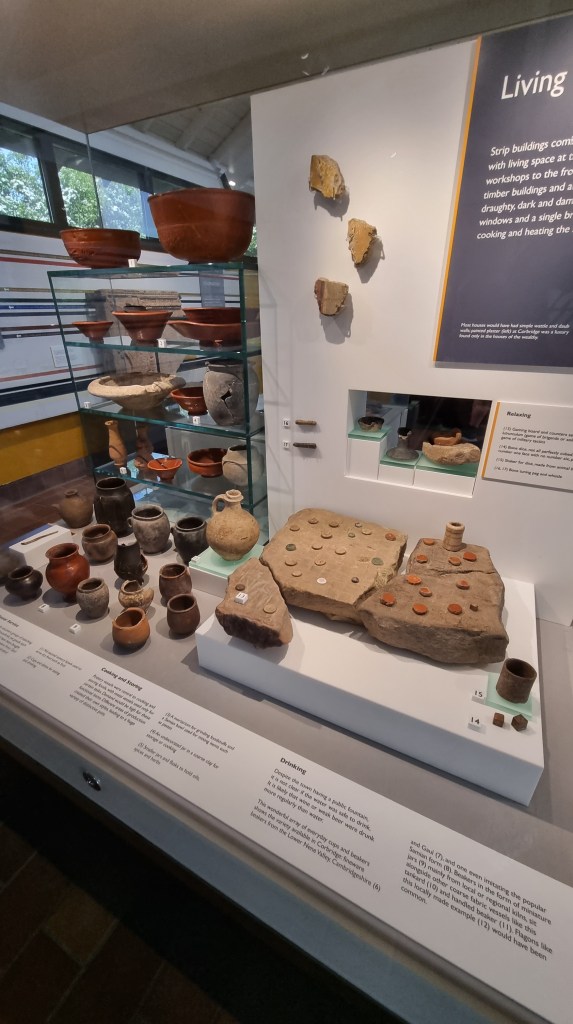
This time were taking the time to visit Corbridge Roman Town, we get to explore the preserved and impressive ruins of a Roman garrison located on Hadrian’s wall with a museum of fascinating excavated artefacts. So join us for a wander.
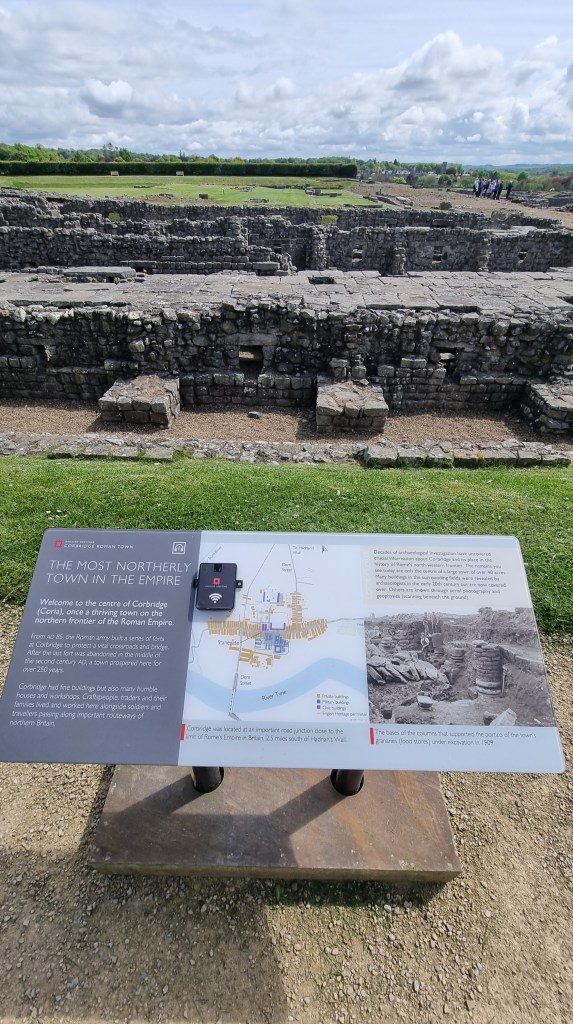
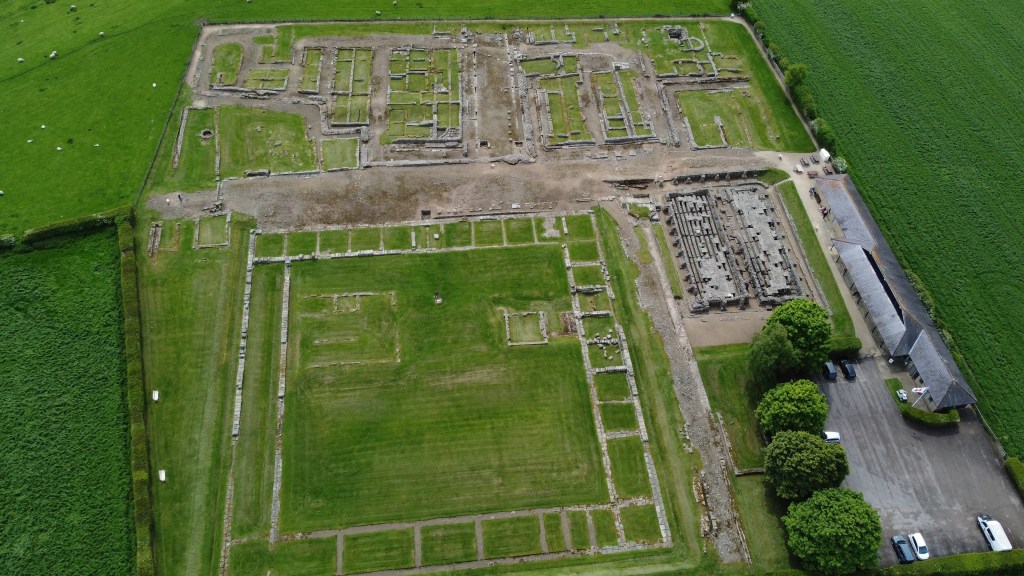
There’s a lot of history packed into a small site at Corbridge. There were Roman forts here for several centuries, and they played a pivotal role in Roman control over what is now northern England. There are four forts superimposed on top of one another, with a later legionary supply base and a large civilian settlement on top of that. The complex range of Roman buildings makes Corbridge one of the most fascinating Roman sites in England. Corbridge Roman Town is the only place in Britain where you can walk along the original surface of a Roman high street, flanked by the excavated remains of granaries, a fountain, markets, workshops and temples.
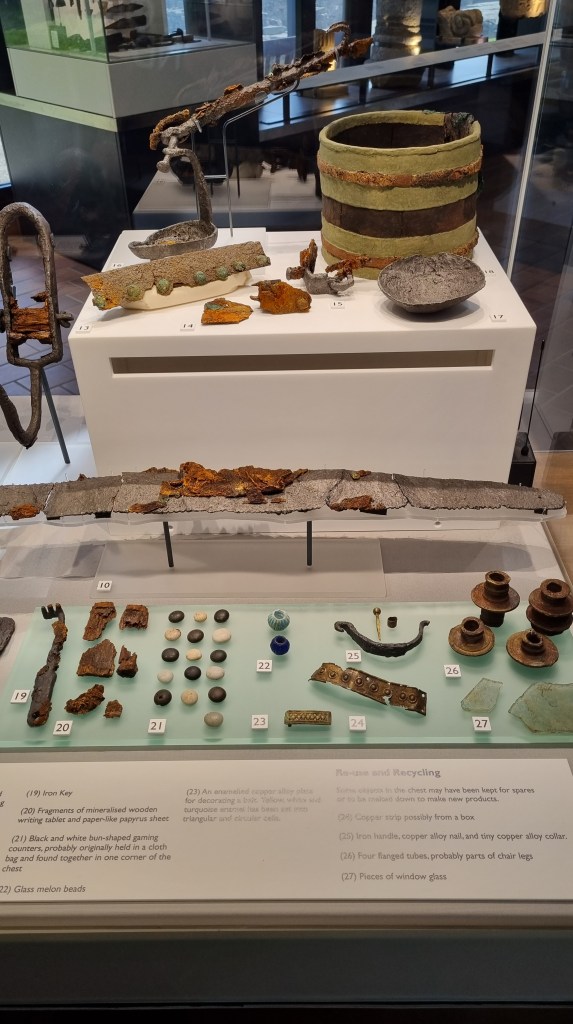
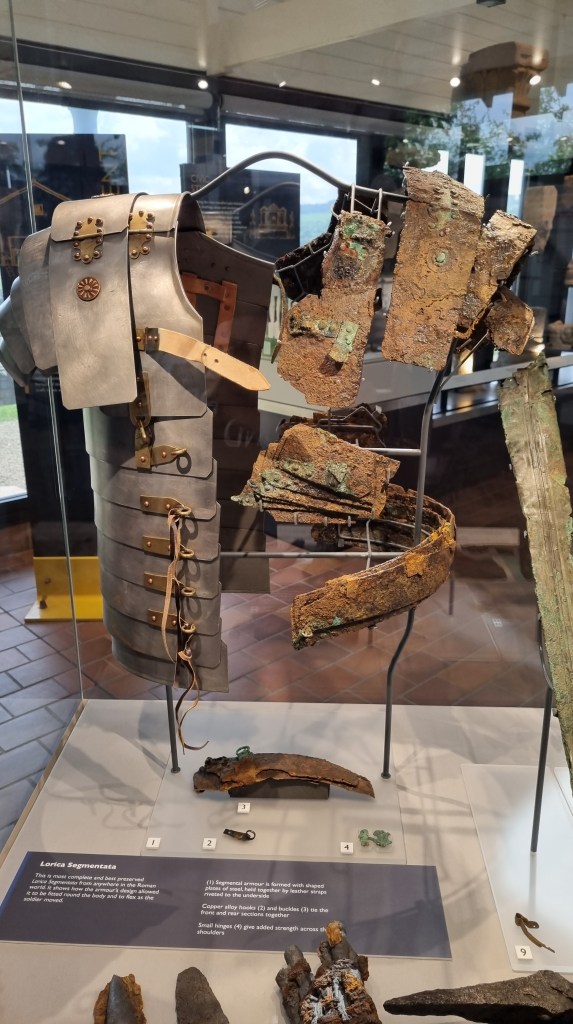
A display showcases the Corbridge Hoard, one of the most significant finds from Roman Britain. Buried in the early 2nd century and rediscovered in 1964, this chest contained an extraordinary collection of weapons, tools and personal possessions. Most importantly, it also included articulated Roman armour. The collection at Corbridge is the largest of Hadrian’s Walls collections, with a staggering 34,00 finds! Among these finds is the infamous Corbridge Lion, found all the way back in 1907.
The town was originally named ‘Coria’, a Celtic word meaning ‘hosting place’, the town started its life as a fort to control the Tyne crossing of the main invasion route into Scotland and was garrisoned for almost 40 years before the building of Hadrian’s Wall, which began on higher ground to the north.
Sitting astride the intersection of Roman Dere Street and Stanegate, Corbridge was initially the site of a series of important forts. But after Hadrian’s Wall was fully commissioned it developed into a prosperous town, a tempting leave-centre for off-duty Wall garrisons.
Though it is often considered part of the Hadrian’s Wall defences, Corbridge actually began much earlier. The first fort in the Corbridge area was built in AD 79 at what is now Red House Farm, less than a mile to the east. This first fort was used to aid the invasion of southern Scotland by Agricola. Around AD 86 the fort was abandoned and a new fort built at the present site, which offered a good location for a bridge across the river. The first troops to be stationed at Corbridge may have been the ‘Alia Petriana’, an elite cavalry regiment.
Sometime around AD 180, a devastating fire hit Corbridge, and the expansion of the site stopped. It is possible that the fire was an accident, but it may also have been due to an attack from the north, with barbarian tribes breaking through Hadrian’s Wall.
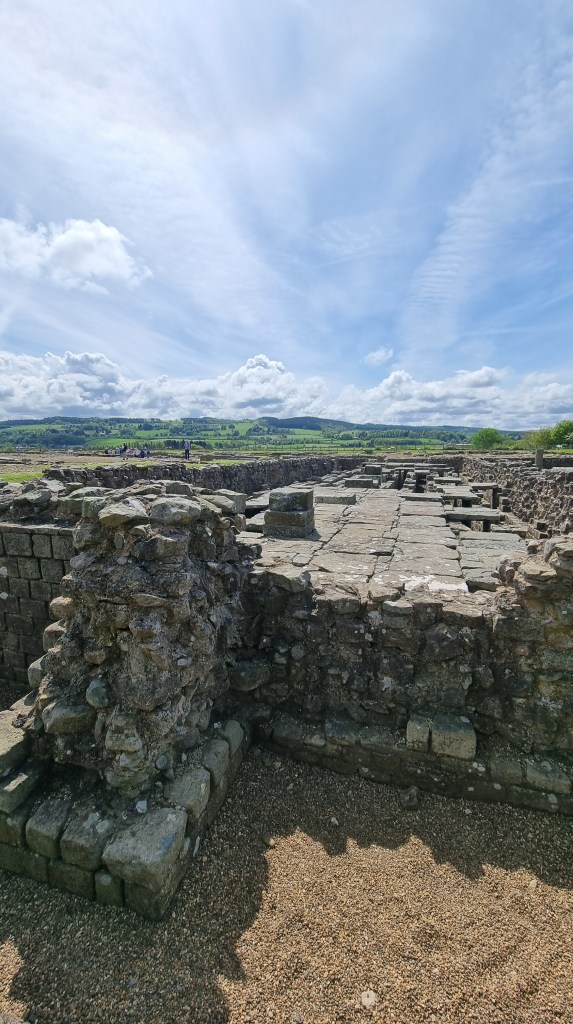
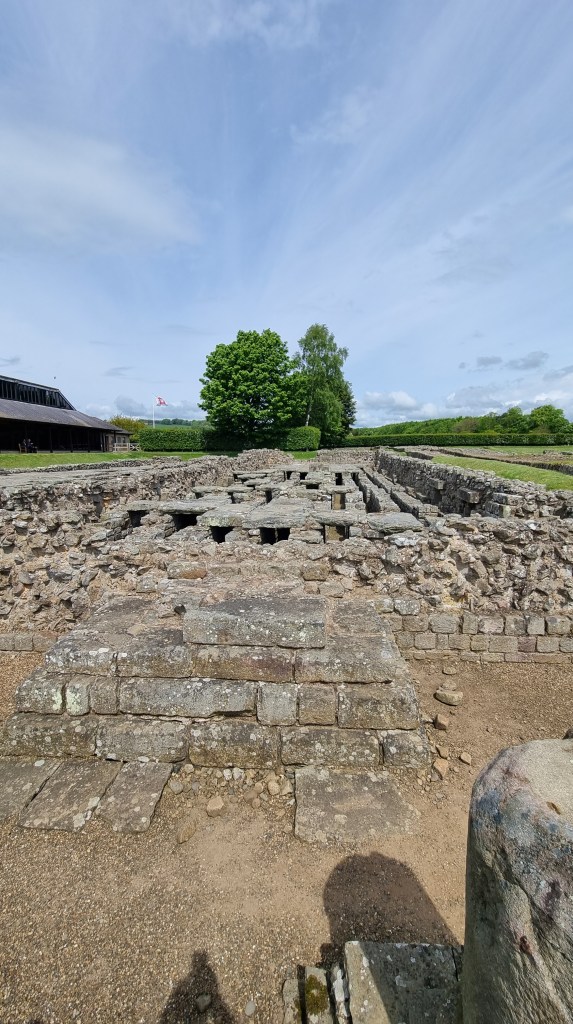
The large granaries were finally rebuilt in the early 3rd century when new compounds were built for legionary detachments from the ‘Legio II Augusta’. The westernmost granaries are the best-preserved in Britain, complete with under floor ventilation and raised flooring. As we wander around it I read that they were more than likely built under Septimius Severus, Roman emperor from AD193 to 211 and the first African born emperor, who grew up in Leptis Magna, on the coast of modern day Libya.
To keep all the contents of these two grain stores cool and dry, the floors were raised above a ventilated basement. Coins were found here in considerable numbers and it showed that the granaries were still in use in the late 14th century, but would have been operated by civil authorities, who collected tax in the form of grain and maintained a food supply for the townspeople.
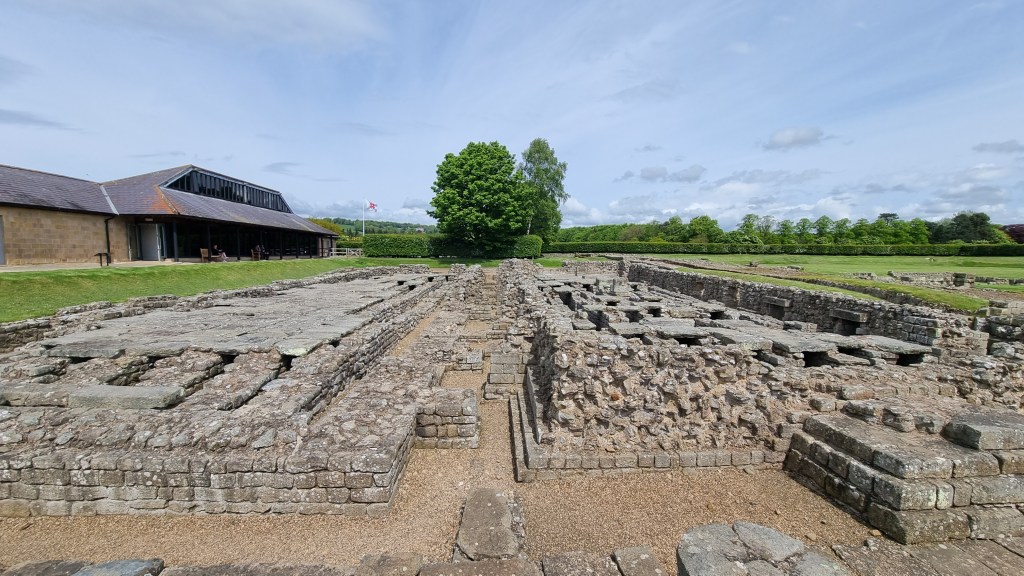
From the late 2nd century a large town grew up around the fort, with shops, townhouses, and communal baths. By the 3rd century Corbridge was now a community. As the town grew in importance the military presence declined. As late as AD 370 the main street through the town was rebuilt.
The town continued in use until the departure of the Romans from Britain in the early 5th century then was quickly abandoned.
A Saxon settlement was established to the east around AD 670. The Saxons robbed stones from the Roman site for centuries, and Roman stones were used to build St Wilfrid’s church in Hexham, In the early 13th century King John, always a man with an eye for money, had his men dig at Corbridge in search of treasure but they found nothing but carved stones bonded with metal cramps and soon gave up.
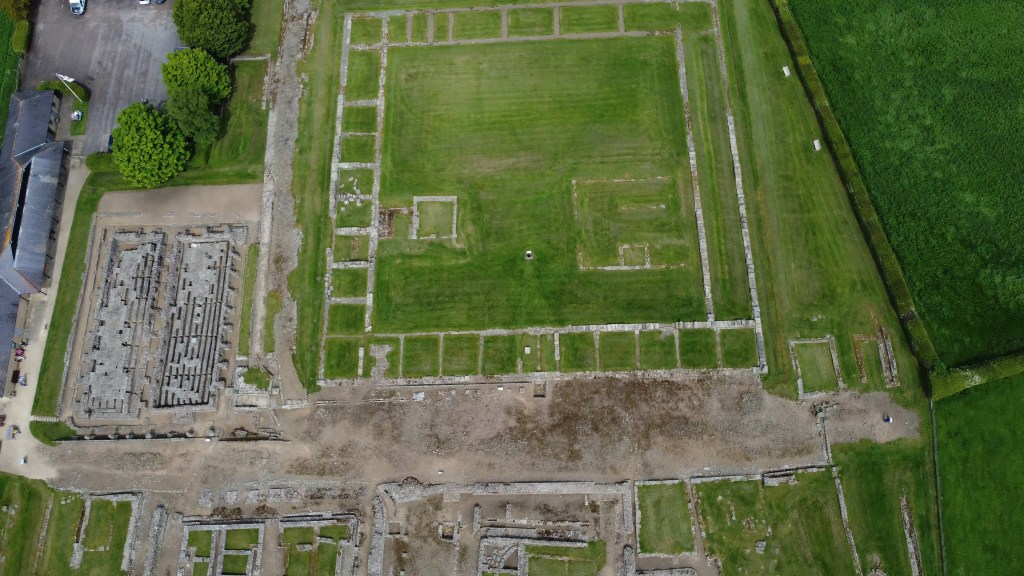
There really is so much to explore, enjoy and understand here at Corbridge and perfect if you’re interested in Romano British culture. It’s incredible to be in the footsteps of roman soldiers, who built and laid the roads here 2000 years ago. Some of the remains make you feel this is a ruin of a couple of hundred years, not a couple of thousand. The workmanship of the masons, planners and builders, knowing these were also elite fighting men, is something hard to take in.
From the ruins and plans of this site, it’s clear to see how the fort was laid out, but it can be quite intimidating as you first see the ruins, but it really does all make sense once you are exploring the areas, they also have a thoughtfully laid out museum, which I mentioned has plenty to see and interactive pieces for the kids to enjoy. We think this is one gem not to miss especially in Northumberland’s historic area.
If you liked the blog please hit that like button, watch the full video below and consider subscribing if you haven’t already.
Till Next Time!
 Pinned on Places
Leave a comment