Built in the early 17th century, Lulworth Castle is a picturesque site of immense historical significance in East Lulworth. It is situated in the scenic Lulworth Estate close to the well-known Lulworth Cove and the equally famous Durdle Door in a twenty square mile countryside setting. Join us for an adventure of fire, loyalty, wealth and an incredible visit back in time.
Lulworth Castle was originally built as a hunting lodge for aristocrats and was renovated and refurbished multiple times in the 18th and 19th centuries, with different architectural styles being incorporated. For centuries, the Castle has been the residence of the Weld family, who came into its possession in 1641.
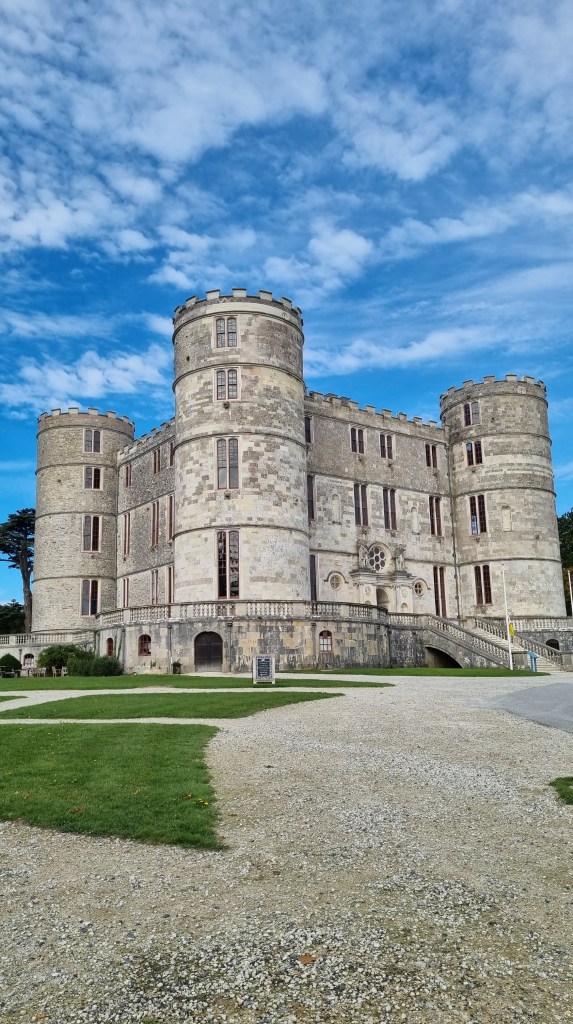
In 1641 Humphrey Weld, grandson of a rich London Dealer and direct ancestor of the current owner, purchased Lulworth Estates from Thomas Howard who had built the Castle here between 1608 and 1610 to complement his manor house at Bindon Abbey in the nearby village of Wool. But Humphrey did not have the Castle for long before the Civil War exploded in England, During this period of time the castle was occupied by parliamentarians, who stripped lead off the roof to make musket balls, these were later used in the siege of Corfe Castle 17 miles away. At this time the Weld family seat was at nearby Bindon House, but this was burned down by the parliamentarian troops, so once the castle was returned to the Weld family it became the main family home and remained lived in by the family until the fatal fire of 1929.
In 1745 feelings against Catholics were running high as Bonnie Prince Charlie launched his ultimately unsuccessful bid for the throne. Weld’s enemies ‘discovered’ a letter which implicated him in the Jacobite plot, with the result that he was incarcerated. The letter was quickly proven to be a forgery, and Sir Edward was freed.
In 1929, a fire broke out on the top floor where other guest’s rooms and the servants quarters were. It was around 9am and Mr Weld joined the servants and all the estate workpeople in their efforts to try and extinguish the fire and prevent the flames from spreading. Workers formed a line up the staircase from the ground floor to the top storey with buckets and buckets of water being passed up and poured over the fire, but the smoke was so dense that Mr Weld and the others had no choice but too retreat. Later that day, the fire was still burning fiercely and it seemed no amount of water would help, so the workers did all they could to take and salvage any treasures, art paintings, books and old furniture they could, including saving the kings bed which is on show in the basement displays. It was the next morning at around 5 o clock that the fire eventually burned itself out and all that was left was a hollow shell and a devastated king.


While Lulworth Castle was initially designed to be a hunting retreat, it has been renovated multiple times and stands today as a magnificent mock-Medieval, Victorian mansion. The Castle has a plain exterior without any decorative features and has four towers at the corners of the square. The towers are four stories tall and providing spectacular panoramic views over the Purbeck countryside and towards the ‘Jurassic Coast’ which stretches deep into Devon. Only one of these towers are climbable, but honestly once you reach the top it’s a delight to see.
One of my favourite things about visiting here is the entrance to the castle, it’s richly elegant and with it’s statues at the front with their triumphant poses and the stunning widows and steps leading to the door. It’s cool to know that the columns at the front are the materials of upper Jurassic Portland limestone aswell as rubble, ashlar and flint all sourced locally to build this magnificent structure. It is a military-looking structure without military intent in in the Jacobean and Georgian style.
One of the first rooms we walk into is the billiard room, a part of the great hall next door but it was transformed in the 18th century into an elegant reception room. Mostly the rooms were pinpointed towards pursuing separate activities, it so happened that this room was quite masculine and in the 1860s, it was a hangout of gentlemen to play their billiards, drink, smoke and discuss matters that they considered not suitable for the ears of the fairer sex.
This room is the south east tower and it is formed of 6 floors, at the very bottom was the south basement entrance which we are standing above before we head up the stairs, the next floor is the masters study, this room was only entered via the billiards room behind us on the ground floor, it was a retreat for privacy and avoid the cares of family life.
Above here was named the red tower room, this room was one of the main bedrooms and more than likely named after it’s colour scheme of the time. Then we pass the lady maid’s room, she was high up the list in the hierarchy of the servants and well respected, this room was made for her as a tower bedroom but with a smaller fireplace than the room below in the red tower and finally the top floor would have been the attic room.
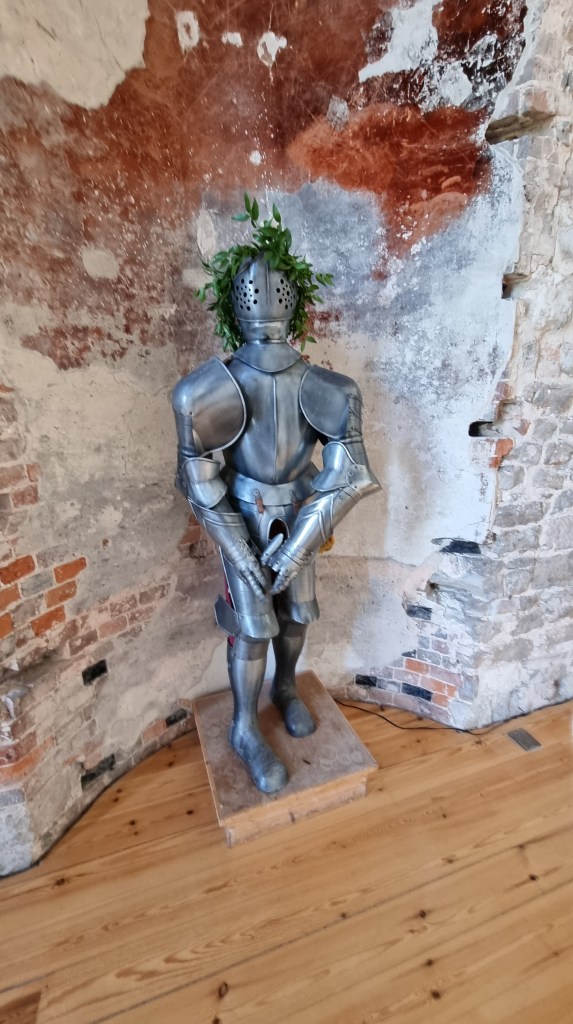
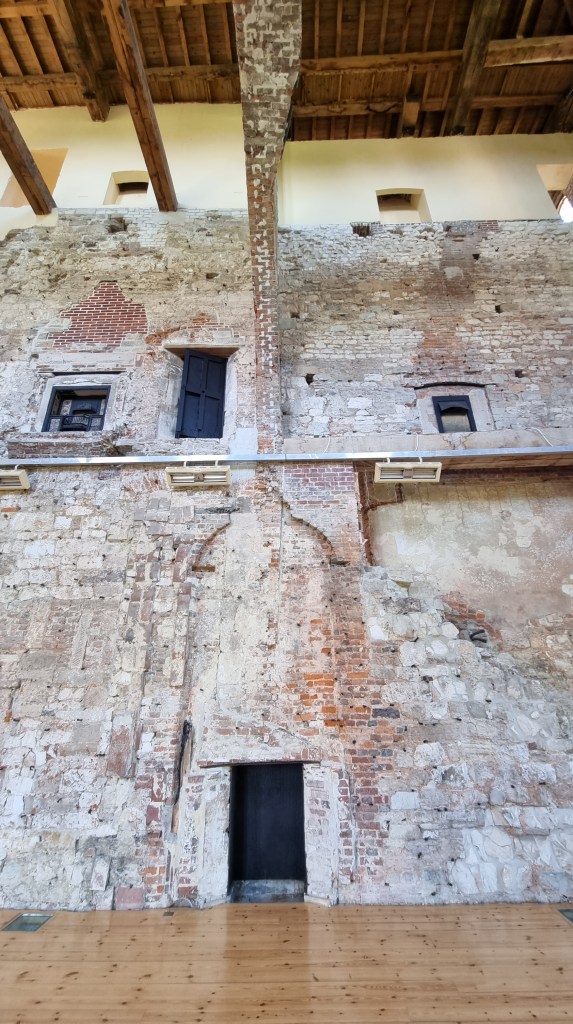
Until the late 18th century only this room could be entered from across the roof from the central tower, although it was usable as another bedroom this room was only ever used for storage. Now the views you get up here are just spectacular, overlooking the entire estate and on a great day you can see Lulworth castle house, built in 1977 and Flowers Barrow, an iron age hill fort and also Poole Harbour.
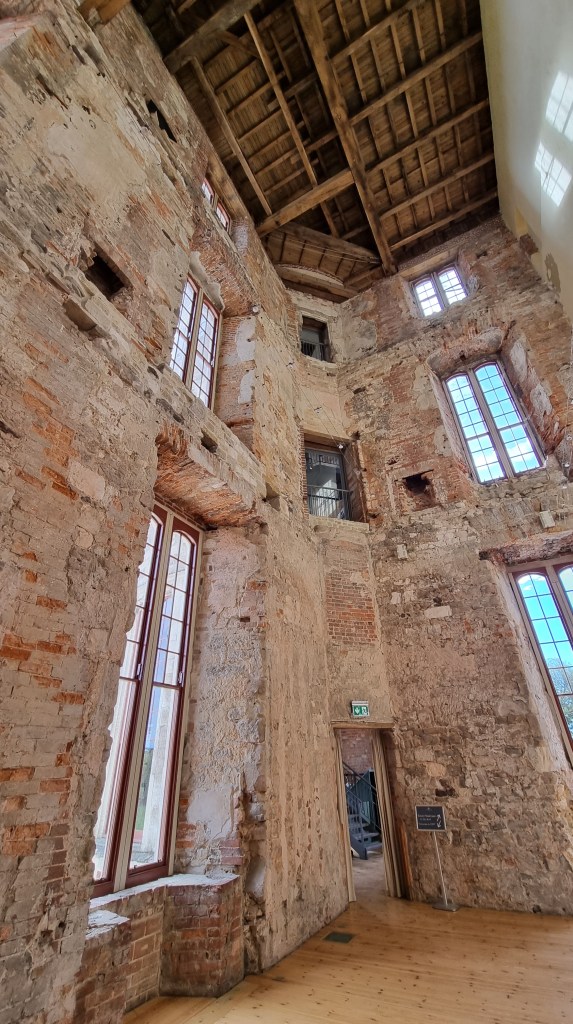
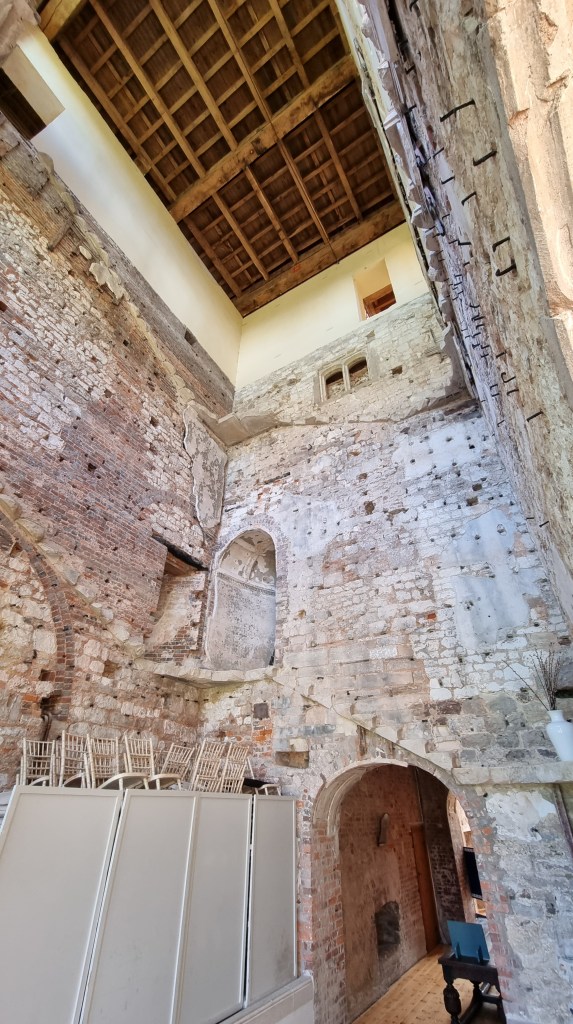
The saloon or the great hall as it was once known was always the largest room on this ground floor. The great hall was originally built for the first occupants the Howards, it was the first major room that visitors would pass through, it had decorative plasterwork and panelled walls hung with weapons and an impressive fireplace that would have emphasised the owners importance and would set the scene for the rest of the castle and it’s rooms.
Both the appearance and the use changed under the ownership of the Welds in the 18th century. It later became a stylish saloon with central heating making this the perfect room for the family and to entertain guests. This later became an area were musical events would happen as the end of the room with it’s raised stair made it perfect for special occasions. Now I believe this room is used for weddings and civil ceremonies, and you can certainly see why. It’s absolutely lavish and beautiful.
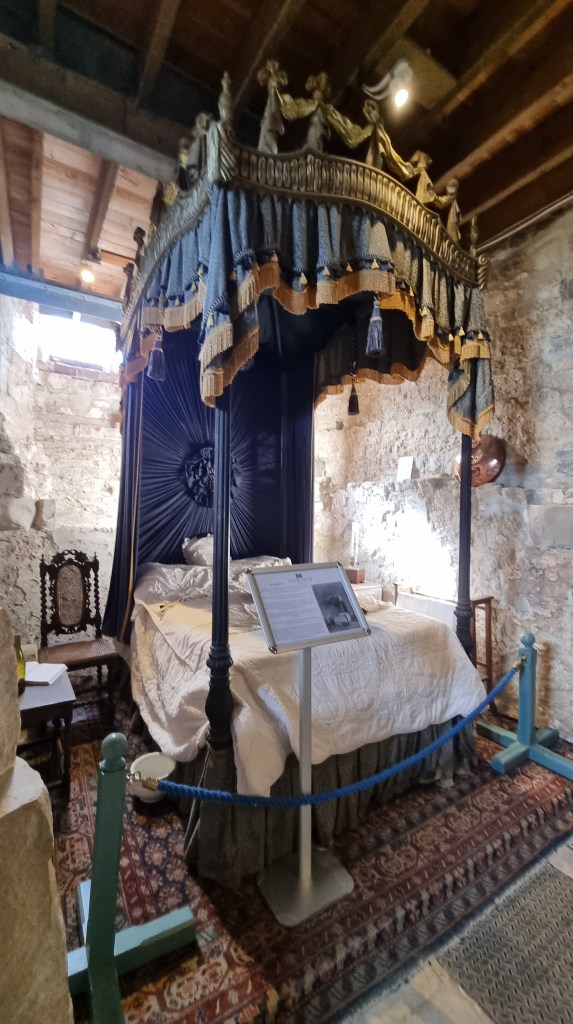

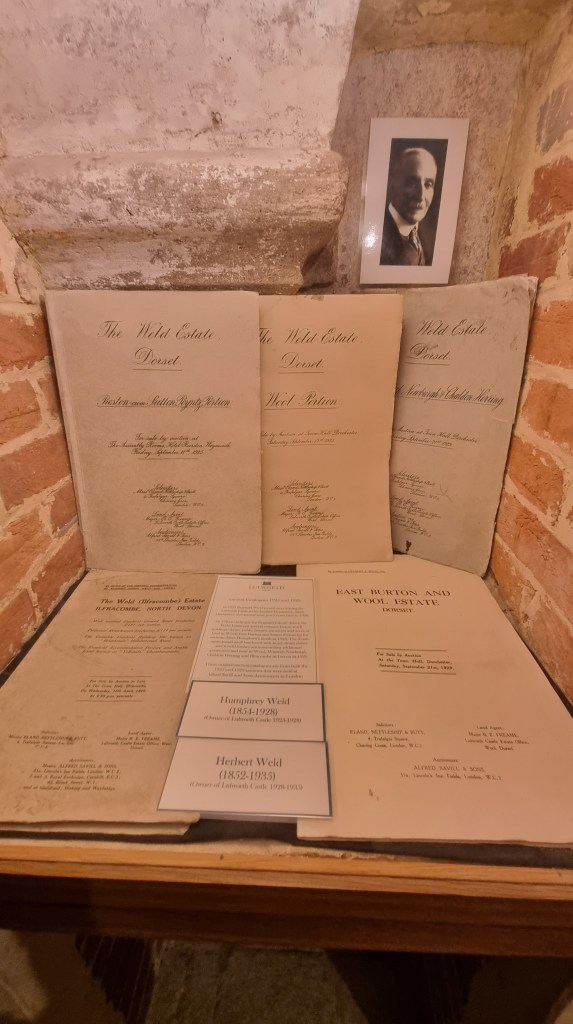
Underground in the basement was the castles main kitchen, where all the meals for the whole household would have been prepared. Formal dinners for over 50 guests would normally be seated in the Great Hall.
This moment in time would have been in an era were freezers, microwaves and fridges existed so the head cook would have to have been on top of the game and been extremely organised. Sadly again the kitchens original contents were largely burnt during the fire but amazingly the kitchen has been thoughtfully reconstructed with the number of items a kitchen of this castle would have needed. Inside you’ll notice a number of items that would have been used day in day out making the suppers of the wealthy and an old recipe book showing the recipes and invoices from that time.
Amongst the kitchen area, there is an exhibition about the castles history and a variety of well thought out displays and exhibits, cellars and memorabilia, which tell the castle’s fascinating story. And after a visit here why not pop into the castles tea rooms for some homemade cake or a drink, it’s a great way to end your visit at the castle before moving along to the other wonderful buildings here at the estate.
Some not well known facts about Lulworth are that there were 81 rooms in total in the castle with 43 fireplaces. The castle has had 17 owners throughout the time and fourteen of these owners were from the weld family and seven royals have visited the castle, including James the 1st, Charles the II with the Duke of York who was later James II, George III, George the VI, Charles the X of France and the late Queen Elizabeth II.
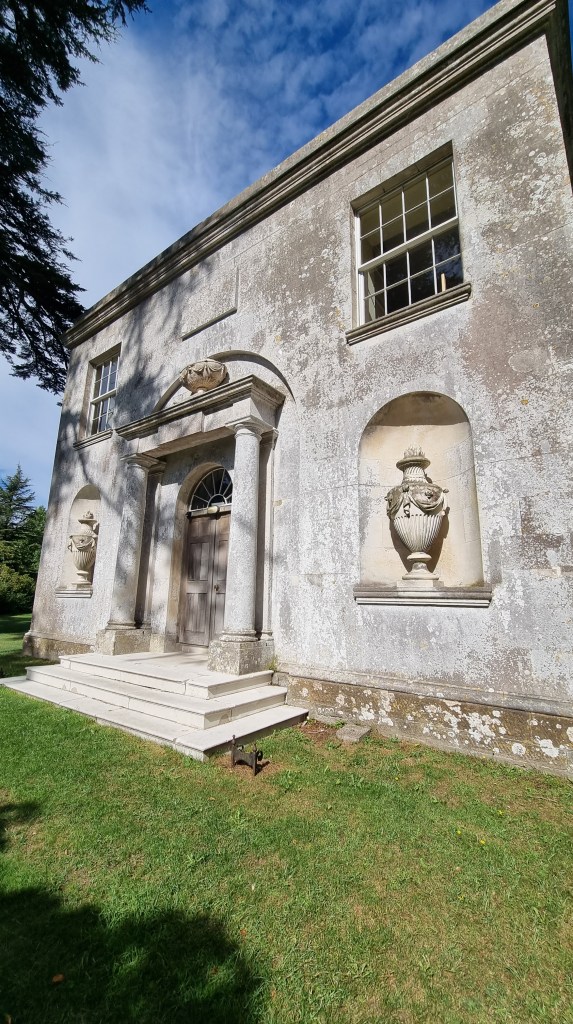
The Chapel of St Mary in the grounds of Lulworth Castle is alleged to be one of the finest pieces of Georgian architecture in the county of Dorset. It was designed to look like a Classical garden building. With its beautiful domed ceiling, lit through clear windows rather than stained glass it creates a peaceful and inspiring atmosphere.
It was in 1786 that Thomas Weld expressed to the architect John Tasker to build a chapel with family tradition and King George III gave his permission for a mausoleum to be built with the furnishings inside however you wish but it was also on the condition that it were built to resemble a garden temple. This interestingly made St Marys the first roman catholic chapel to be built for public worship in England since the reformation.


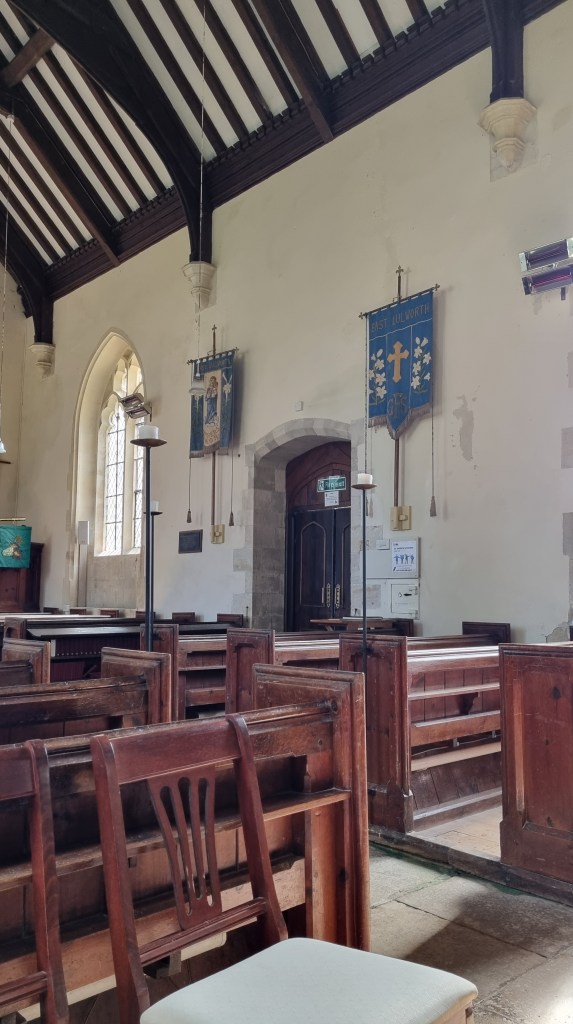
It is very breath-taking when you step inside here, religious or not, the painted ceilings representing many stories and the furniture and altar are so beautiful, it’s hard not to enjoy the moment. A short walk away you’ll also notice a medieval parish church, both of which are still in use and worth that visit.

The twelve thousand acres of landscaped parkland are open all year, with fun woodland walks, an adventure playground and plenty of picnic areas, the estate is also home to the annual camp Bestival every July and is a very popular wedding venue too. Worth visiting if ever in the beautiful Dorset Area
If you liked the blog please hit that like button, watch the full video below and consider subscribing if you haven’t already.
Till Next Time!


 Pinned on Places
Leave a comment